
Overview
Wincing mid-bite into your favorite meal? This article details five effective approaches for dealing with tooth pain when biting down, including OTC pain relief, home remedies like salt water rinses and clove oil, dietary adjustments, preventative care practices, and professional dental treatments—while emphasizing that temporary relief methods should accompany proper diagnosis and treatment of the underlying cause rather than replacing professional dental care.
Table of Contents
- Understanding Tooth Pain When Biting Down
- Common Causes of Tooth Pain When Biting
- Method 1: Over-the-Counter Pain Relief
- Method 2: Effective Home Remedies
- Method 3: Smart Dietary Adjustments
- Method 4: Preventative Dental Care
- Method 5: Professional Dental Treatments
- Conclusion
- Frequently Asked Questions
Understanding Tooth Pain When Biting Down
That sudden jolt of tooth pain when biting down can instantly transform a delightful meal into a distressing experience. If you’ve ever winced in pain while enjoying your favorite foods, you’re not alone. Tooth pain when biting down is an extremely common dental issue affecting millions of people worldwide.
This specific type of dental discomfort often catches us by surprise – one moment you’re happily chewing, and the next, you’re experiencing sharp, shooting pain that makes you think twice about taking another bite. The good news? There are effective solutions that can help address this issue both immediately and in the long term.
Before we dive into treatments, it’s important to understand that tooth pain when biting down is your body’s way of signaling that something requires attention. While temporary relief measures can help manage the symptoms, identifying and addressing the underlying cause is crucial for long-term dental health and comfort.
Common Causes of Tooth Pain When Biting
Tooth pain when biting down can stem from various dental issues. Understanding the potential causes can help you better communicate with your dentist and address the problem effectively:
Cracked or Fractured Teeth
Teeth can develop small cracks or fractures that may not be visible to the naked eye but cause significant discomfort when pressure is applied. These cracks may develop from chewing hard foods, teeth grinding, or trauma to the mouth.
Dental Decay and Cavities
When decay penetrates the enamel and reaches the more sensitive dentin layer underneath, pain during biting is common. The pressure of chewing pushes fluid into the tiny tubules in the dentin, stimulating the nerve and causing pain.
Recent Dental Work
New fillings, crowns, or other dental restorations may cause temporary sensitivity when biting down. This typically resolves as your tooth adjusts to the new restoration, but persistent pain may indicate an adjustment is needed.
Dental Abscess or Infection
Infections at the root of a tooth or in surrounding gum tissue can cause severe pain, especially when pressure changes during biting. This requires prompt professional treatment as infections can spread if left untreated.
Teeth Grinding (Bruxism)
Chronic teeth grinding, particularly during sleep, can lead to sore teeth and jaw muscles. This repeated force can make teeth hypersensitive to the normal pressures of biting and chewing.
Method 1: Over-the-Counter Pain Relief
When tooth pain strikes during meals, over-the-counter (OTC) pain relievers can provide temporary relief while you arrange professional dental care. These medications can help you manage discomfort and continue essential daily activities.
Effective OTC Options
- Ibuprofen (Advil, Motrin): Works double-duty by reducing both pain and inflammation, making it particularly effective for dental discomfort.
- Acetaminophen (Tylenol): Helps with pain management but doesn’t address inflammation. It’s a good alternative for those who cannot take NSAIDs.
- Topical Benzocaine Products: Products like Orajel provide temporary numbing when applied directly to the painful area.
Maximizing Relief
For best results, take pain relievers at the first sign of discomfort rather than waiting until the pain becomes severe. Follow dosage instructions carefully, and remember that these medications are meant for short-term use only. Studies from the American Dental Association suggest that taking ibuprofen and acetaminophen together (as directed) may provide more effective pain relief than either medication alone.
Limitations to Consider
While OTC pain relievers can provide temporary comfort, they only mask symptoms without addressing the underlying cause. Long-term use may cause side effects, including stomach irritation, liver problems, or kidney issues. Consider them a short-term bridge to proper dental treatment, not a solution.
If you’ve been managing tooth pain with OTC medications for more than a few days, it’s time to schedule a wellness exam with a dental professional.
Method 2: Effective Home Remedies
When tooth pain strikes and you can’t get to a dentist immediately, several home remedies can provide meaningful relief. These time-tested approaches can help manage discomfort while you arrange professional care.
Salt Water Rinses
A simple salt water rinse can work wonders for tooth pain. Mix half a teaspoon of table salt into 8 ounces of warm water until dissolved. Gently swish the solution around your mouth for 30 seconds, focusing on the painful area, then spit.
Salt water functions as a natural antiseptic, reducing inflammation and killing harmful bacteria that may be exacerbating your discomfort. This remedy can be safely repeated 2-3 times daily.
Cold Compress Application
Applying cold to the outside of your face near the painful tooth can temporarily numb the area and reduce inflammation. Wrap an ice pack or bag of frozen vegetables in a thin towel and hold it against your cheek for 15-20 minutes.
The cold causes blood vessels to constrict, limiting inflammatory compounds that contribute to pain. Allow your skin to return to normal temperature for at least 15 minutes before reapplying.
Clove Oil
Clove oil contains eugenol, a natural anesthetic and anti-inflammatory compound. To use this remedy, dilute a few drops of clove oil in a teaspoon of carrier oil (like olive or coconut oil). Apply the diluted solution to the affected area using a cotton ball.
Research published in the Journal of Dentistry confirms that eugenol is effective for dental pain management. However, use sparingly as undiluted clove oil can cause tissue irritation.
Peppermint Tea
Peppermint contains menthol, which has mild numbing properties. Steep a peppermint tea bag in hot water for 5 minutes, allow it to cool slightly, then apply the warm tea bag directly to the affected tooth.
Alternatively, you can swish cooled peppermint tea around your mouth to help alleviate pain and freshen breath simultaneously.
Method 3: Smart Dietary Adjustments
When tooth pain makes every bite a challenge, strategically modifying your diet can significantly reduce discomfort while ensuring you still get proper nutrition. Making temporary changes to what and how you eat can prevent aggravating sensitive teeth.
Foods to Embrace
Focus on soft, easy-to-chew options that require minimal pressure:
- Smoothies and protein shakes (at room temperature)
- Yogurt, applesauce, and puddings
- Well-cooked, soft vegetables
- Mashed potatoes, sweet potatoes, or cauliflower
- Soups and broths (not too hot)
- Soft-scrambled eggs
- Avocados and ripe bananas
Foods to Avoid
Temporarily eliminate these potential pain triggers:
- Extremely hot or cold foods and beverages
- Hard, crunchy items (nuts, chips, crusty bread)
- Chewy, sticky foods (caramels, gummy candies)
- Acidic foods and drinks (citrus, tomatoes, vinegar-based items)
- Very sweet foods that may irritate sensitive teeth
Strategic Eating Techniques
How you eat can be just as important as what you eat when managing tooth pain:
- Chew on the unaffected side of your mouth
- Take smaller bites that require less force
- Eat slowly and mindfully
- Allow food to reach room temperature (avoid temperature extremes)
- Cut food into very small pieces to minimize chewing
These dietary modifications should be temporary while you address the underlying cause of your tooth pain. If you find yourself avoiding certain foods for extended periods, it’s time to seek professional dental care at a wellness clinic near me.
Method 4: Preventative Dental Care
While managing current tooth pain is essential, preventing future episodes is equally important. Implementing proper preventative dental care habits can significantly reduce your risk of experiencing tooth pain when biting down.
Optimized Oral Hygiene Routine
Maintaining excellent oral hygiene is your first line of defense against tooth pain:
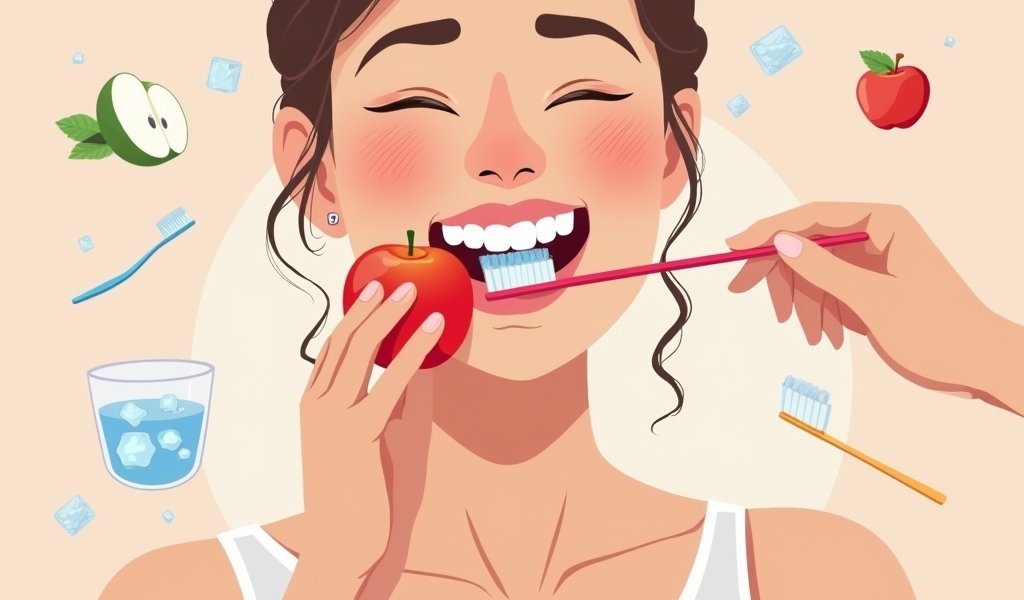
- Brush twice daily using a soft-bristled toothbrush and fluoride toothpaste
- Employ gentle circular motions rather than aggressive back-and-forth scrubbing
- Clean between teeth daily using floss, interdental brushes, or a water flosser
- Consider an antimicrobial mouthwash to reduce bacteria that contribute to decay and gum disease
According to the Centers for Disease Control and Prevention, proper brushing and flossing can prevent most dental diseases that lead to tooth pain.
Specialized Toothpastes
Desensitizing toothpastes can be extremely effective for managing and preventing tooth sensitivity. These products contain compounds like potassium nitrate, stannous fluoride, or calcium phosphate that help block pain signals or strengthen enamel.
For best results, use desensitizing toothpaste consistently for at least 2-4 weeks. Avoid rinsing immediately after brushing to allow the active ingredients to work effectively.
Night Guards for Teeth Grinding
If tooth grinding (bruxism) contributes to your pain, a custom-fitted night guard from your dentist can provide protection. These appliances create a cushioning barrier between your upper and lower teeth, preventing the damaging pressure that leads to sensitivity and pain.
While over-the-counter night guards are available, custom-fitted options from your dentist provide superior protection and comfort.
Regular Dental Check-ups
Routine dental visits allow professionals to identify and address small issues before they become painful problems. Professional cleanings remove plaque and tartar buildup that can contribute to decay and sensitivity.
Most dental professionals recommend check-ups every six months, though your dentist may suggest more frequent visits based on your specific oral health needs. Finding a wellness center near me that offers comprehensive dental services can make maintaining regular appointments more convenient.
Method 5: Professional Dental Treatments
When tooth pain while biting persists despite home management strategies, professional dental treatment becomes necessary. Understanding your options can help you make informed decisions about your dental care.
When to Seek Immediate Dental Care
Don’t delay seeing a dentist if you experience:
- Severe pain that interferes with eating, sleeping, or daily activities
- Pain accompanied by facial swelling, fever, or earache
- A tooth that feels loose or has shifted position
- Pain after a traumatic injury to your mouth or teeth
- Pain that persists for more than two days despite OTC pain management
Professional Treatment Options
Depending on the cause of your tooth pain, your dentist might recommend:
Fillings or Dental Bonding
For decay or small cracks, your dentist can remove the damaged portion of the tooth and restore it with a filling or dental bonding material. Modern composite materials closely match your natural tooth color for a seamless appearance.
Dental Crowns
If a tooth has significant damage or a larger fracture, a crown may be necessary. This custom-made “cap” covers the entire visible portion of the tooth, protecting it from further damage and restoring proper function.
Root Canal Therapy
When decay or damage reaches the tooth’s pulp (where the nerves and blood vessels reside), a root canal becomes necessary. This procedure removes the infected or damaged pulp, cleans the interior of the tooth, and seals it to prevent further infection.
Despite their reputation, modern root canal treatments are comparable to getting a filling in terms of discomfort, according to research from the American Association of Endodontists.
Bite Adjustment
Sometimes, pain when biting down results from an uneven bite (malocclusion). Your dentist can carefully reshape the biting surfaces of your teeth to distribute pressure more evenly, eliminating pain during normal chewing.
What to Expect During Treatment
Modern dental treatments prioritize patient comfort. Before beginning any potentially uncomfortable procedure, your dentist will typically:
- Take detailed X-rays to accurately diagnose the problem
- Use local anesthetics to ensure you don’t feel pain during treatment
- Offer sedation options if you experience dental anxiety
- Explain each step of the procedure before it happens
- Provide clear aftercare instructions to promote healing
Conclusion
Tooth pain when biting down can significantly impact your quality of life, turning everyday activities like eating into painful challenges. By understanding the potential causes and implementing these five proven methods—OTC pain relief, home remedies, dietary adjustments, preventative care, and professional treatments—you can effectively manage and ultimately resolve this common dental issue.
Remember that while temporary relief measures are valuable for immediate comfort, they’re not substitutes for professional dental care. The most effective approach combines short-term pain management strategies with proper diagnosis and treatment of the underlying cause.
Your oral health is an integral component of your overall well-being. Addressing tooth pain promptly not only improves your comfort but also prevents potential complications from developing. By combining good home care practices with regular professional dental visits, you can maintain a healthy, pain-free smile for years to come.
Don’t let tooth pain control what you can eat or how you enjoy your meals. Take action today with these proven strategies and reclaim the simple pleasure of pain-free eating.
Frequently Asked Questions
Why does my tooth only hurt when I bite down?
Pain exclusively during biting often indicates a cracked tooth, dental decay reaching the inner tooth layers, or an issue with a dental restoration. The pressure from biting forces changes within the tooth structure that stimulate nerve endings.
Can I just ignore tooth pain if it comes and goes?
Intermittent tooth pain should never be ignored as it typically indicates an underlying problem that will worsen over time. Early intervention usually results in simpler, less expensive treatment options.
How can I tell if I need a root canal?
Signs you might need a root canal include severe pain when biting or chewing, prolonged sensitivity to hot or cold, darkening of the tooth, or swelling and tenderness in nearby gums. Only a dental professional can make a definitive diagnosis through examination and imaging.
Is sensitivity to cold or hot foods related to pain when biting?
While they can occur together, temperature sensitivity and pain when biting often have different causes. Temperature sensitivity typically relates to exposed dentin, while biting pain more commonly indicates structural issues like cracks or decay.
How long should tooth pain last after a filling?
Mild to moderate sensitivity after a filling is normal for a few days to two weeks as your tooth adjusts to the new restoration. Pain that is severe, worsens over time, or persists beyond two weeks warrants a follow-up with your dentist.
Pingback: Dentical Review: 7 Proven Strategies for Health & Fitness - achievehealthgoals.com