

Overview
Like finding out your fit Japanese friend isn’t just genetically blessed but has been secretly following five ancient lifestyle hacks all along, this article reveals how Tokyo residents achieve peak fitness through kaizen (continuous small improvements), active transportation, traditional nutrition principles, recovery practices like onsen bathing, and purpose-driven living (ikigai). These holistic practices integrate physical movement, mindful eating, proper recovery, and meaningful activity into daily life without extreme measures, offering a sustainable approach to health that has contributed to Japan’s impressive longevity statistics.
Table of Contents
- Understanding Tokyo Japanese Lifestyle for Health and Fitness
- Secret 1: The Mindful Art of Kaizen for Continuous Improvement
- Secret 2: Walking Culture and Active Transportation
- Secret 3: Traditional Japanese Nutrition Principles
- Secret 4: Onsen and Recovery Practices
- Secret 5: Work-Life Harmony Through Ikigai
- Implementing Tokyo Japanese Wisdom in Your Daily Life
- Conclusion: The Essence of Tokyo Japanese Lifestyle
- Frequently Asked Questions
Understanding Tokyo Japanese Lifestyle for Health and Fitness
The Tokyo Japanese lifestyle offers a fascinating blueprint for health and longevity that has captivated wellness enthusiasts worldwide. As a health professional who has studied these principles extensively, I’m consistently amazed by how these ancient traditions seamlessly blend with modern urban living to create exceptional health outcomes. Japan boasts one of the world’s highest life expectancies, and Tokyo, despite being one of the world’s largest metropolises, exemplifies how traditional values can thrive alongside innovation.
What makes the Tokyo Japanese lifestyle so effective for peak fitness isn’t just one factor but rather an intricate tapestry of daily habits, cultural values, and ancestral wisdom. These aren’t quick-fix solutions but sustainable practices developed over generations. The Japanese approach to health emphasizes balance, mindfulness, and incremental improvement—concepts that modern science continues to validate through research on longevity and lifestyle medicine.
The secrets I’m about to share aren’t simply exercise routines or diet plans—they’re holistic life philosophies that address physical, mental, and social wellbeing. Let’s explore these five transformative Tokyo Japanese lifestyle secrets that can help you achieve peak fitness while bringing greater harmony to your daily existence.
Secret 1: The Mindful Art of Kaizen for Continuous Improvement
At the heart of Tokyo’s approach to fitness lies the principle of “kaizen”—continuous improvement through small, consistent steps. Unlike Western fitness cultures that often emphasize dramatic transformations, kaizen embraces gradual progress and sustainability. This philosophy permeates Tokyo fitness culture, where consistency trumps intensity.
In practice, kaizen might look like adding just five minutes to your daily walk or including one additional vegetable with dinner. These micro-improvements might seem insignificant, but they compound dramatically over time. A study published in JAMA Internal Medicine found that even modest increases in daily movement significantly improved longevity outcomes—precisely the kind of gentle progression kaizen advocates.
Tokyo residents apply kaizen through:
- Morning radio calisthenics (rajio taiso) that many participate in before work
- Consistent daily rituals rather than extreme workout regimens
- Mindful attention to posture throughout the day
- Setting small, achievable fitness goals that gradually increase
This approach creates sustainable fitness habits that become deeply ingrained in daily life. Rather than experiencing the motivation peaks and valleys common in Western fitness culture, practitioners of kaizen maintain steady progress that accumulates impressively over months and years.
The psychological benefits are equally significant. By focusing on process rather than outcomes, Tokyo residents avoid the discouragement that often accompanies ambitious fitness goals. Instead, they experience regular positive reinforcement through small victories, creating a self-sustaining cycle of motivation and progress.
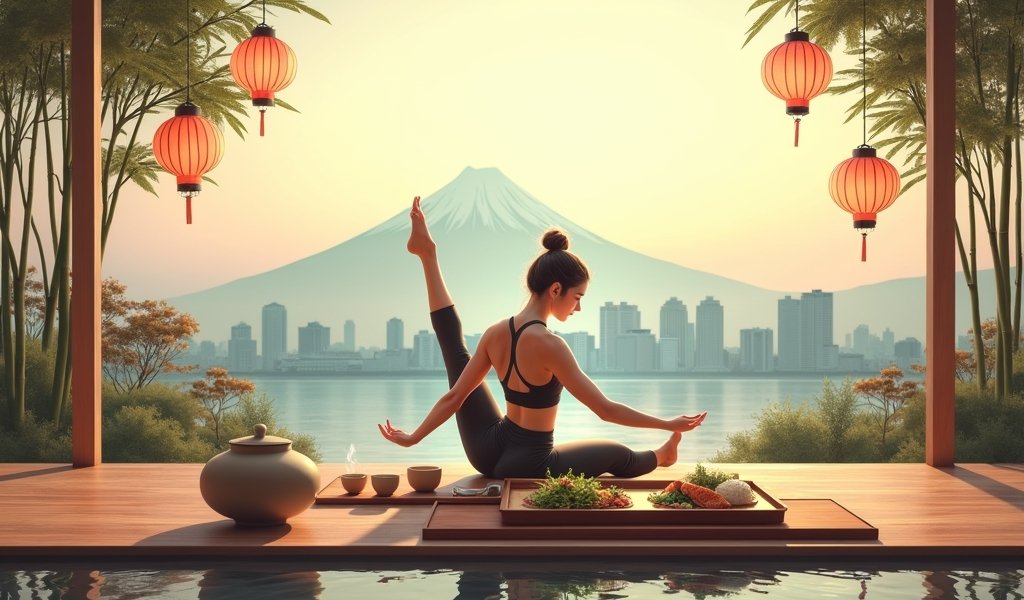
Secret 2: Walking Culture and Active Transportation
Tokyo’s urban design fundamentally encourages physical activity through what health researchers call “active transportation.” Despite being one of the world’s largest cities, Tokyo’s infrastructure creates natural opportunities for movement that most residents accumulate without deliberate exercise sessions. This integration of physical activity into daily life represents one of the most powerful aspects of the Tokyo Japanese lifestyle.
The average Tokyo resident walks between 6,500 and 8,000 steps daily without specifically planning to exercise. This happens naturally through:
- Walking to and from train stations (often 10-15 minutes each way)
- Navigating multiple staircases in transportation hubs
- Shopping at local markets rather than driving to supermarkets
- Weekend recreational walking in parks and gardens
This built-in movement provides tremendous health benefits. Research from the Harvard T.H. Chan School of Public Health indicates that regular walking reduces cardiovascular disease risk by approximately 31%, with similar benefits for diabetes prevention and cognitive health.
Beyond mere step counts, the Tokyo walking pattern typically includes variation in terrain, pace, and intensity—climbing station stairs provides brief intervals of higher exertion, while navigating crowded streets demands balance and coordination. This natural interval training offers fitness benefits beyond what a treadmill session might provide.
Perhaps most importantly, walking in Tokyo becomes a social and aesthetic experience rather than an exercise obligation. Neighborhoods are designed at human scale, with abundant greenery, seasonal decorations, and community spaces that make walking genuinely pleasurable. This transforms “exercise” from a chore into a natural, enjoyable part of daily life.
Secret 3: Traditional Japanese Nutrition Principles
The traditional Tokyo Japanese dietary approach offers profound insights for optimal nutrition that modern nutritional science increasingly validates. What distinguishes this eating pattern isn’t just specific foods but underlying principles that guide meal composition and eating behaviors. These principles create a nutritional framework that supports vitality and longevity.
The traditional Japanese meal structure follows a pattern nutritionists call “ichiju-sansai” (one soup, three sides), typically including:
- A small bowl of miso soup (fermented soy providing probiotics)
- A moderate portion of rice or noodles
- A protein component (often fish, occasionally poultry)
- Multiple vegetable dishes prepared in various ways
- Small portions of pickled vegetables for digestive support
This approach naturally implements several evidence-based nutritional principles. Portion control happens automatically through the use of smaller dishware and multiple courses that slow eating pace. Plant diversity is exceptional, with most traditional meals containing 7-10 different plant foods, supporting microbiome health and providing a wide spectrum of phytonutrients.
Tokyo residents typically practice “hara hachi bu”—eating until approximately 80% full, a practice that research from longevity zones shows may contribute to extended lifespans. Meals are consumed mindfully, without screens or other distractions, enhancing digestion and food satisfaction.
The Tokyo Japanese diet emphasizes seasonality, which not only improves flavor but ensures nutritional variety throughout the year. Fall might bring immune-supporting mushrooms, winter offers mineral-rich root vegetables, and spring introduces tender leafy greens—creating a natural rotation of nutrients that supports bodily systems.
Modern research confirms these traditional practices align with optimal nutrition science. A comprehensive study in the British Medical Journal found adherence to the traditional Japanese dietary pattern was associated with decreased mortality from all causes and cardiovascular disease specifically.
Secret 4: Onsen and Recovery Practices
The Tokyo Japanese lifestyle places remarkable emphasis on recovery and restoration—elements often overlooked in Western fitness approaches that prioritize exertion. Central to this recovery philosophy is the practice of “onsen” (hot spring bathing) and its urban equivalent, the sento (public bath). These traditions represent sophisticated approaches to physical recovery that address multiple physiological systems.
Regular hot water immersion provides several evidence-based benefits:
- Enhanced circulation and blood flow to muscles and joints
- Reduction in cortisol (stress hormone) levels
- Improved sleep quality through temperature regulation
- Muscle relaxation and fascial release
- Mental restoration through mindful bathing practices
The Japanese approach to bathing isn’t merely about cleanliness but constitutes a dedicated recovery practice. Many Tokyo residents visit bathhouses multiple times weekly, often combining different water temperatures and mineral compositions to address specific recovery needs. This practice has deep historical roots but is increasingly supported by modern research on hydrotherapy and recovery science.
Beyond bathing, the Tokyo lifestyle incorporates other recovery modalities. Brief afternoon rest periods (similar to the concept of “siesta” in Mediterranean cultures) provide mental restoration. Traditional practices like gentle stretching before bed and morning mobilization exercises ensure joint health and flexibility maintenance.
Perhaps most importantly, recovery isn’t viewed as optional or secondary but as essential to performance. A study in Frontiers in Physiology confirms that proper recovery practices significantly enhance training adaptations and physical performance—validating this traditional Japanese wisdom with contemporary science.
Secret 5: Work-Life Harmony Through Ikigai
The concept of “ikigai”—finding purpose and meaning in daily activities—represents a cornerstone of the Tokyo Japanese approach to holistic wellness. While often misrepresented in Western media as simply “finding your passion,” true ikigai involves a more nuanced balance between personal fulfillment, community contribution, competence, and sustainability.
From a health perspective, ikigai provides powerful benefits that modern research increasingly validates. People with strong purpose show measurably better health outcomes, including:
- Lower inflammatory markers and stress hormones
- Improved immune function and resilience
- Better cardiovascular health metrics
- Reduced risk of cognitive decline
- Greater longevity, even controlling for other factors
Tokyo residents often cultivate ikigai through multiple channels rather than expecting a single career or activity to provide complete fulfillment. This might include professional work, family responsibilities, community involvement, and personal hobbies—creating a balanced portfolio of meaningful activities that collectively provide purpose.
Physical activity itself frequently connects to ikigai in the Tokyo lifestyle. Exercise isn’t merely for aesthetic goals or health maintenance but serves deeper purposes: walking connects one to community, traditional martial arts preserve cultural heritage, and group activities strengthen social bonds. This purpose-driven approach to movement creates sustainable motivation that transcends typical fitness goals.
Research from Harvard Medical School suggests that having clear purpose reduces dementia risk by up to 50% and may add years of healthy life—affirming the Tokyo Japanese intuition that meaning and health are deeply interconnected.
Implementing Tokyo Japanese Wisdom in Your Daily Life
Adapting these Tokyo Japanese lifestyle principles doesn’t require relocating to Japan or completely restructuring your life. The beauty of these approaches lies in their flexibility and scalability. Consider these practical ways to incorporate this wisdom into your existing routine:
For Kaizen practice:
- Choose one small health habit to improve by just 1% each week
- Track consistency rather than intensity in your fitness routine
- Celebrate small improvements rather than focusing only on end goals
- Practice five minutes of gentle morning movement before checking devices
To increase natural movement:
- Park further from destinations or get off public transport one stop early
- Take short walking breaks during the workday
- Create walking meetings or social walks with friends
- Explore local neighborhoods on foot rather than driving
For nutritional wisdom:
- Incorporate fermented foods like miso, pickles, or yogurt daily
- Use smaller plates and practice eating until 80% full
- Include at least five different colored plant foods daily
- Prepare simple broths to start meals and aid digestion
For recovery practices:
- Establish an evening hot bath or shower ritual with mindful breathing
- Create a brief afternoon rest period (10-15 minutes)
- Practice gentle mobility exercises before bed
- Disconnect from technology at least one hour before sleep
To cultivate ikigai:
- Reflect on which activities make you lose track of time
- Find ways your strengths can serve your community
- Connect physical activities to deeper values or social connections
- Develop skills in areas that bring both joy and a sense of mastery
Remember that authenticity matters more than perfect replication. The goal isn’t to create a Japanese lifestyle museum but to thoughtfully integrate these principles in ways that respect their essence while adapting to your unique circumstances and cultural context.
Conclusion: The Essence of Tokyo Japanese Lifestyle
The Tokyo Japanese lifestyle offers profound wisdom for those seeking sustainable peak fitness and overall wellbeing. What makes these principles particularly valuable is their holistic nature—addressing physical movement, nutrition, recovery, mental wellbeing, and purpose in an integrated system rather than isolated interventions.
The five secrets we’ve explored—kaizen for continuous improvement, active transportation, traditional nutrition principles, recovery practices, and purpose through ikigai—create a comprehensive framework for thriving. Unlike many trendy fitness approaches, these principles have withstood the test of time while increasingly gaining scientific validation.
Perhaps most importantly, the Tokyo Japanese approach to health demonstrates that peak fitness doesn’t require extreme measures or complete lifestyle overhauls. Instead, it emerges naturally from daily habits, environmental design, and cultural values that support wellbeing at multiple levels. This makes these principles particularly accessible and adaptable to diverse life circumstances.
As you consider implementing these lessons, remember that the true power lies not in perfectly replicating Tokyo practices but in understanding their underlying wisdom and thoughtfully applying it within your own context. Start small, embrace gradual improvement, and trust that consistent application of these principles will yield remarkable results over time.
Ready to transform your health using these Tokyo Japanese lifestyle principles? Join our community newsletter for weekly guidance on implementing these practices, recipes that honor Japanese nutritional wisdom, and expert tips for creating sustainable fitness habits inspired by eastern traditions. Your journey toward peak wellness through ancient wisdom begins with a single step—sign up today!
Frequently Asked Questions
What is the Tokyo Japanese lifestyle approach to fitness?
The Tokyo Japanese approach emphasizes consistency over intensity, with daily movement integrated into normal activities rather than separate workout sessions. It prioritizes walking, moderate activity, proper recovery, and sustainable habits that can be maintained for life.
How does the Japanese diet contribute to fitness?
The traditional Japanese diet features moderate portions, high vegetable diversity, regular fermented foods, and mindful eating practices. These elements support gut health, provide balanced nutrition, and naturally maintain appropriate calorie levels.
Do I need special equipment to follow Tokyo fitness principles?
No, Tokyo fitness principles require minimal equipment and instead focus on bodyweight movements, walking, and natural activities. The approach values simplicity and accessibility over specialized gear or facilities.
How important is recovery in the Tokyo Japanese lifestyle?
Recovery is considered essential rather than optional, with dedicated practices like hot bathing, adequate sleep, and rest periods. This balanced approach prevents burnout and supports long-term consistency in fitness activities.
Can these principles work outside of Japan?
Absolutely, the core principles can be adapted to any environment with thoughtful modifications. The philosophy behind these practices is universal, even if the specific implementation needs to be customized to your location and circumstances.