
Overview
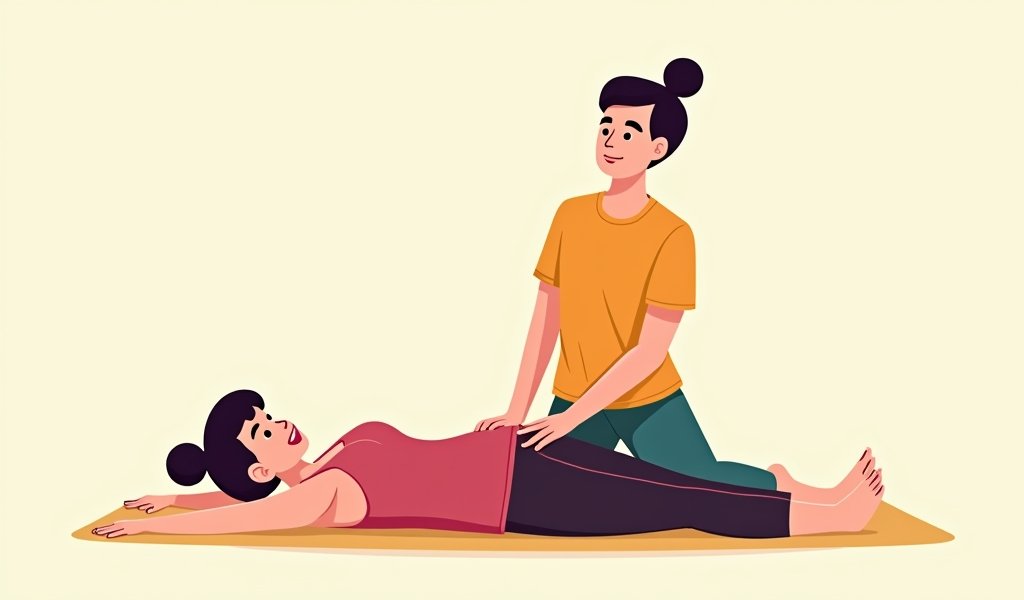
Whoever said “no pain, no gain” clearly never experienced Thai Wellness Massage, the 2,500-year-old practice that lets you reap fitness benefits while someone else does all the work! This ancient healing art delivers five major fitness advantages: enhanced flexibility, improved circulation, stress reduction, faster muscle recovery, and better posture—all while you remain fully clothed on a mat as a practitioner guides your body through stretches and applies pressure along energy pathways.
Table of Contents
- Introduction to Thai Wellness Massage
- What is Thai Wellness Massage?
- Benefit 1: Enhanced Flexibility and Range of Motion
- Benefit 2: Improved Circulation and Energy Flow
- Benefit 3: Stress Reduction and Mental Clarity
- Benefit 4: Muscle Recovery and Pain Relief
- Benefit 5: Improved Posture and Body Alignment
- How Often Should You Get a Thai Wellness Massage?
- What to Expect During Your First Session
- Conclusion
- Frequently Asked Questions
Introduction to Thai Wellness Massage
In our fast-paced world where stress seems to accumulate faster than we can process it, Thai wellness massage stands out as a centuries-old practice that offers remarkable benefits for both body and mind. This ancient healing art, with roots dating back over 2,500 years, has gained tremendous popularity in Western wellness circles – and for good reason. Unlike conventional massages that may focus solely on relaxation, Thai wellness massage integrates elements of acupressure, yoga, and Ayurvedic principles to create a comprehensive therapeutic experience.
As a health professional who has witnessed countless patients transform their fitness journeys through this practice, I’m excited to share the five proven fitness benefits of Thai wellness massage. Whether you’re an athlete seeking better recovery, an office worker battling chronic tension, or simply someone looking to enhance your overall wellbeing, this traditional practice offers something truly valuable for everyone.
What makes Thai wellness massage particularly exceptional is its holistic approach. Rather than treating isolated symptoms, it addresses the entire body as an interconnected system, promoting balance and harmony from within. The results often extend far beyond the massage table, influencing everything from your workout performance to your mental clarity during daily tasks.
What is Thai Wellness Massage?
Thai wellness massage, sometimes called “Thai yoga massage,” differs significantly from Western massage traditions. Instead of lying passively on a massage table, you’ll remain clothed in comfortable attire while the practitioner guides you through a series of stretches, compressions, and movements on a padded mat on the floor. This interactive quality has earned it the nickname “lazy person’s yoga,” as the therapist does most of the work while your body receives all the benefits.
The practice follows energy pathways called “Sen lines” (similar to meridians in Chinese medicine) that run throughout the body. By applying pressure along these lines using thumbs, palms, elbows, knees, and feet, the massage therapist works to clear energy blockages and restore the body’s natural flow. This traditional healing approach combines elements of physical therapy, energy work, and meditative mindfulness.
Traditional Thai massage originated in India and made its way to Thailand with the spread of Buddhism. The founder of Thai massage is believed to be Jivaka Kumar Bhaccha, a physician to Buddha himself. Over centuries, it evolved within Thai monasteries, where it was practiced by monks as a form of “meditation in movement” and compassionate healing.
Modern Thai wellness massage maintains its spiritual roots while incorporating contemporary understanding of anatomy and physiology. The result is a therapeutic experience that simultaneously feels grounding and invigorating – a rare combination in today’s wellness landscape.
Benefit 1: Enhanced Flexibility and Range of Motion
Perhaps the most immediately noticeable benefit of Thai wellness massage is the remarkable improvement in flexibility and range of motion. During a session, your body is gently guided through yoga-like stretches that would be difficult to achieve on your own. These assisted stretches safely push your limits beyond what you might accomplish in a standard yoga class or stretching routine.
The passive stretching technique employed in Thai massage is particularly effective because your muscles can relax completely while being extended. When we actively stretch on our own, we often unconsciously tense the very muscles we’re trying to elongate. With a skilled practitioner guiding the movement, your body can surrender to the stretch, allowing for deeper tissue release.
Research published in the Journal of Bodywork and Movement Therapies has demonstrated significant improvements in flexibility measures following regular Thai massage treatments. Participants experienced increased range of motion in major joints and greater overall mobility in daily activities.
This enhanced flexibility offers several practical fitness advantages:
- Greater efficiency in workout movements
- Reduced risk of exercise-related injuries
- Improved athletic performance across various sports
- Better functional movement in everyday activities
- Decreased muscle soreness after intense physical activity
For athletes, dancers, and fitness enthusiasts, regular Thai wellness massage can be transformative. Many clients report being able to achieve positions and movements that previously seemed impossible, opening new possibilities in their training regimens. Even for those with less active lifestyles, the improved mobility translates to more comfortable movement throughout daily life.
Benefit 2: Improved Circulation and Energy Flow
Thai wellness massage excels at enhancing circulation throughout the entire body. The combination of rhythmic compressions, acupressure, and assisted stretching creates a pumping effect that helps move blood more efficiently through vessels and tissues. This improved blood flow delivers vital oxygen and nutrients to muscles and organs while facilitating the removal of metabolic waste products.
Beyond the physical circulation of blood, Thai massage works with the body’s energy system – what traditional Thai medicine calls “lom” or wind energy. By applying pressure along the Sen lines, practitioners aim to release blockages and balance energy flow, similar to how acupuncture works with chi in Chinese medicine.
The circulatory benefits of Thai massage include:
- Reduced swelling and inflammation in joints and tissues
- Faster recovery from exercise-induced muscle damage
- Improved delivery of oxygen to working muscles
- Enhanced removal of lactic acid and other metabolic waste
- Stimulation of the lymphatic system for better immune function
Many clients report feeling a pleasant warming sensation throughout their body during and after a Thai massage session. This warmth is a tangible sign of increased circulation at work. Athletes often notice improved performance when they incorporate Thai massage into their training schedules, particularly in endurance activities where efficient circulation is paramount.
The energy-balancing aspect of Thai massage can also help address fatigue and lethargy. By clearing stagnant energy and promoting flow, many people experience a natural boost in vitality that surpasses what they might get from caffeine or other temporary stimulants. This renewed energy supports more consistent workout routines and better overall fitness outcomes.
Benefit 3: Stress Reduction and Mental Clarity
In our high-stress society, the mental benefits of Thai wellness massage are perhaps just as valuable as the physical ones. The practice creates a unique meditative state for both practitioner and recipient – a rhythmic dance of movement and breath that calms the nervous system and quiets mental chatter.
Research has consistently shown that Thai massage significantly reduces cortisol levels (the primary stress hormone) while increasing the production of serotonin and dopamine, neurotransmitters associated with mood regulation and feelings of wellbeing. This biochemical shift creates a foundation for better mental health and cognitive function.
Regular Thai massage sessions can help:
- Reduce anxiety and symptoms of depression
- Improve sleep quality and duration
- Enhance focus and concentration
- Promote mind-body connection during workouts
- Support emotional resilience during challenging times
The mental clarity that follows a Thai massage session can be particularly beneficial for those who practice mindfulness-based fitness activities like yoga, Pilates, or tai chi. Many clients report deeper, more present experiences during their practice after receiving Thai massage.
Even for those engaged in high-intensity training, the stress-reduction benefits translate to better performance. Research on elite athletes shows that stress management is a critical factor in preventing overtraining syndrome and maintaining peak performance levels. Thai massage offers a valuable tool for balancing the intense physical demands of training with the necessary mental recovery.
Benefit 4: Muscle Recovery and Pain Relief
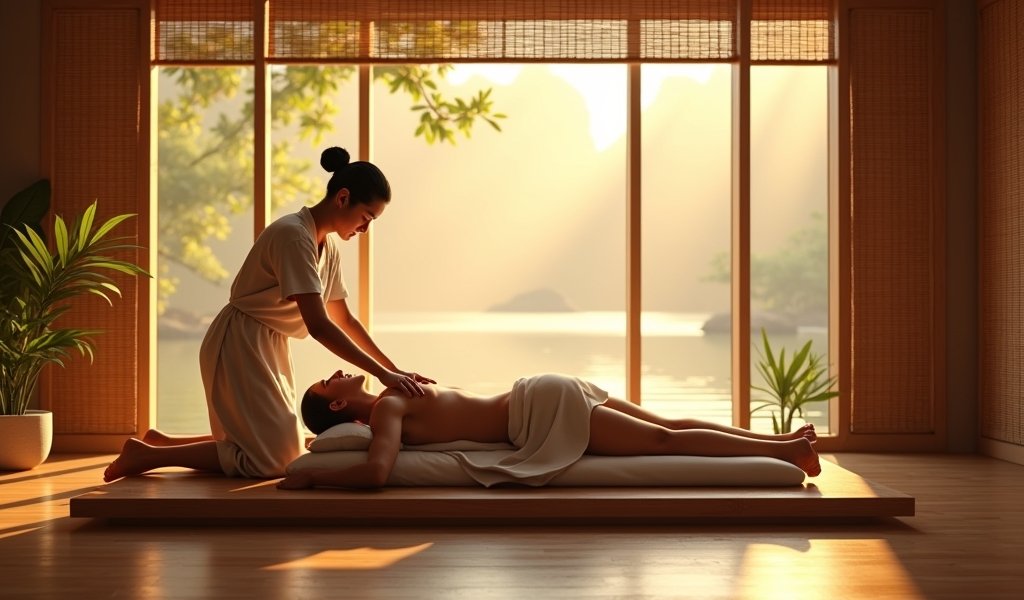
For athletes and fitness enthusiasts, muscle recovery is a crucial component of any effective training program. Thai wellness massage accelerates this recovery process through several mechanisms. The combination of compression techniques and assisted stretching helps break up adhesions (knots) in muscle tissue, releases fascia restrictions, and promotes the flow of fresh blood to damaged areas.
The pain relief provided by Thai massage isn’t just temporary – it addresses underlying causes of discomfort. By releasing chronically tight muscles, improving joint mobility, and balancing opposing muscle groups, Thai massage creates lasting changes in the body’s pain patterns. Many clients report significant reduction in chronic pain after just a few sessions.
Specific ways Thai massage supports muscle recovery include:
- Reduction in delayed onset muscle soreness (DOMS) after intense workouts
- Release of trigger points that refer pain to other areas
- Improved muscle fiber alignment during the healing process
- Decreased inflammation in overused tissues
- Prevention of compensatory movement patterns that lead to additional strain
Research published in the Journal of Sports Sciences has demonstrated that athletes who receive regular Thai massage experience faster recovery times between training sessions and competitions. This accelerated recovery allows for more consistent training and better long-term performance gains.
For those with chronic pain conditions like fibromyalgia, arthritis, or back pain, Thai massage offers a non-pharmaceutical approach to pain management. Many patients find that regular sessions reduce their reliance on pain medications and improve their ability to participate in physical activities that were previously too uncomfortable.
Benefit 5: Improved Posture and Body Alignment
In our modern world of desk jobs, digital devices, and sedentary lifestyles, postural imbalances have become endemic. Thai wellness massage addresses these imbalances by working with the body’s entire structural system rather than isolated areas. The comprehensive approach helps restore natural alignment and teaches the body how to maintain better posture.
During a Thai massage session, the practitioner observes your body’s unique patterns and adapts the treatment to address specific imbalances. They may spend extra time opening tight chest muscles if you have rounded shoulders, or focus on releasing hip flexors if you show signs of anterior pelvic tilt. This personalized approach makes Thai massage particularly effective for correcting postural issues.
The postural benefits of Thai massage include:
- Release of chronically tight muscles that pull the skeleton out of alignment
- Strengthening of underused stabilizer muscles
- Re-education of the nervous system’s proprioceptive awareness
- Balancing of opposing muscle groups (like flexors and extensors)
- Improvement in breathing mechanics that support proper spinal positioning
Many clients report standing taller and moving with greater ease after regular Thai massage treatments. This improved alignment translates directly to better form during workouts, reducing the risk of exercise-related injuries and enhancing overall performance.
For those who engage in asymmetrical sports (like golf, tennis, or baseball), Thai massage can help counteract the imbalances that develop from repetitive one-sided movements. By maintaining better symmetry in the body, athletes can extend their careers and enjoy their sports with less compensatory pain.
How Often Should You Get a Thai Wellness Massage?
The ideal frequency for Thai wellness massage depends on your specific goals, fitness routine, and budget. For general maintenance and wellness, most practitioners recommend a session every 2-4 weeks. This timing allows your body to integrate the changes from each treatment while providing regular tune-ups to prevent issues from escalating.
Athletes in intense training may benefit from weekly sessions, particularly during competition seasons or when building up to a major event. The regular treatments help manage the increased physical demands and support faster recovery between training sessions.
For addressing specific injuries or chronic pain conditions, your practitioner might initially recommend more frequent sessions – perhaps once or twice weekly for a few weeks – before transitioning to a maintenance schedule. This intensive approach helps create momentum in the healing process.
Some guidelines based on common goals:
- General wellness and stress management: Every 3-4 weeks
- Athletic performance enhancement: Every 1-2 weeks
- Injury recovery: 1-2 times weekly until improvement, then reducing frequency
- Chronic pain management: Every 2 weeks initially, adjusting based on response
- Postural correction: Weekly for 4-6 weeks, then every 2-3 weeks for maintenance
Remember that consistency often yields better results than frequency. A regular monthly session maintained over time will generally produce more lasting benefits than sporadic intensive treatments with long gaps between.
What to Expect During Your First Session
If you’re new to Thai wellness massage, knowing what to expect can help you feel more comfortable and get the most from your experience. Unlike Western-style massages, you’ll remain fully clothed in comfortable, flexible attire – think yoga clothes or loose-fitting pants and a t-shirt. The session typically takes place on a padded mat on the floor, though some practitioners offer modified versions on massage tables for those with mobility limitations.
Your first appointment will usually begin with a brief health history and discussion of your goals. Be sure to mention any injuries, chronic conditions, or areas of particular concern. This information helps your practitioner customize the session to your needs and ensure all techniques used are appropriate for your situation.
During the massage, the practitioner will use a variety of techniques including:
- Palm pressure along energy lines
- Thumb pressing on specific points (similar to acupressure)
- Gentle stretching of limbs and joints
- Rhythmic compression of muscles
- Supported yoga-like postures
The practitioner will guide you through the entire process – you won’t need to “do” anything except relax and breathe. They may occasionally ask you to turn over or shift positions, but otherwise, your job is simply to receive.
After the session, take some time to notice how your body feels. Many people experience a sensation of being both relaxed and energized. Drink plenty of water to help flush metabolic waste that was released during the massage. Some people experience mild soreness the next day (similar to post-workout soreness), but this typically resolves quickly and is a sign that the body is rebalancing.
Conclusion
Thai wellness massage represents one of the most comprehensive approaches to body-mind health available today. The five key fitness benefits – enhanced flexibility, improved circulation, stress reduction, muscle recovery, and better posture – work synergistically to support optimal physical performance and overall wellbeing. Whether you’re looking to enhance your athletic endeavors, recover from injury, or simply feel better in your body, this ancient practice offers modern solutions.
What makes Thai massage particularly valuable is its holistic nature. Rather than treating symptoms in isolation, it addresses the entire system, recognizing that improvement in one area inevitably affects the whole. This integrated approach aligns perfectly with contemporary understanding of the body as an interconnected network rather than separate compartments.
As with any wellness practice, the benefits of Thai massage compound over time. While a single session can provide immediate relief and relaxation, the true transformative power comes with regular treatments that gradually retrain patterns in both body and mind. Consider incorporating Thai wellness massage into your health routine – your body will thank you with improved performance, faster recovery, and a greater sense of vitality in everything you do.
Frequently Asked Questions
What should I wear to a Thai massage session?
Wear comfortable, loose-fitting clothes that allow for movement, such as yoga pants and a t-shirt. Avoid jeans, skirts, or restrictive clothing that would limit your range of motion.
Is Thai massage painful?
Thai massage involves deep pressure and stretching that may feel intense but shouldn’t be painful. Always communicate with your practitioner about pressure preferences and any discomfort.
How is Thai massage different from Swedish massage?
Thai massage is performed fully clothed on a floor mat and involves stretching, movement, and compression along energy lines. Swedish massage uses oil on bare skin while you lie on a table, focusing primarily on muscles.
Are there any conditions where Thai massage is not recommended?
Thai massage is not recommended during pregnancy, for those with severe osteoporosis, recent surgeries, or acute injuries. Those with heart conditions, blood clots, or cancer should consult their doctor first.
How long does a typical Thai massage session last?
Traditional Thai massage sessions typically last between 90 minutes and 2 hours. Some practitioners offer shorter 60-minute sessions that focus on specific areas.