

Overview
Think your Fitbit’s calorie count is your ticket to fitness heaven? Think again! Total Energy Expenditure (TEE) is the complete energy blueprint of your body that includes basal metabolic rate, physical activity, food digestion, and non-exercise movements, providing the scientific foundation for effective weight management, athletic performance enhancement, metabolic health improvement, and truly personalized fitness approaches.
# Unlocking Your Energy Equation: What TEE Means for Your Fitness Journey
Table of Contents
- Understanding TEE: The Energy Blueprint of Your Body
- TEE: The Science-Backed Approach to Weight Management
- Fueling Athletic Excellence: How TEE Transforms Performance
- Metabolic Health Revolution: TEE’s Impact on Your Internal Engine
- The Personalized Fitness Revolution Through TEE
- Measuring Your TEE: From Lab Tests to Daily Tracking
- Conclusion: TEE as Your Fitness Foundation
- Frequently Asked Questions
Understanding TEE: The Energy Blueprint of Your Body
In the world of health and fitness, the TEE medical abbreviation stands for Total Energy Expenditure – the comprehensive measure of how many calories your body burns each day. Think of TEE as your body’s complete energy budget, accounting for every calorie spent from the moment you wake up until you fall asleep.
Unlike simplified metrics that only measure workout calories, TEE provides the full picture of your body’s energy usage. It represents the sum total of energy your body needs to function, exercise, digest food, and even fidget throughout the day.
TEE consists of four primary components:
- Basal Metabolic Rate (BMR): The energy your body requires for fundamental life processes like breathing, circulation, and cell production. BMR typically accounts for 60-70% of your total daily energy expenditure.
- Physical Activity Energy Expenditure: Calories burned during intentional exercise, from morning jogs to evening weight sessions.
- Thermic Effect of Food (TEF): The energy cost of digesting, absorbing, and metabolizing the foods you consume, typically representing about 10% of total intake.
- Non-Exercise Activity Thermogenesis (NEAT): Energy used for everything else – standing, walking, fidgeting, even typing this article.
Understanding your TEE provides remarkable insights into how your body actually functions. It removes the guesswork from fitness and nutrition planning, allowing you to make informed decisions based on your unique physiology rather than generic advice.
TEE: The Science-Backed Approach to Weight Management

Weight management becomes remarkably clearer when viewed through the lens of TEE. The fundamental principle is straightforward: when calorie intake exceeds your TEE, weight gain occurs. When it falls below, weight loss follows. When they’re balanced, weight maintenance is achieved.
Research published in The New England Journal of Medicine demonstrates that individuals who maintained awareness of their TEE were significantly more successful at long-term weight management than those using less comprehensive approaches.
Here’s why TEE transforms weight management:
- It provides personalized energy targets based on your actual body, not statistical averages
- It accounts for metabolic adaptations that occur during weight loss journeys
- It helps identify the true impact of both dietary choices and exercise habits
- It enables strategic calorie deficits that preserve muscle while targeting fat loss
One particularly illuminating study from the National Weight Control Registry found that successful long-term weight managers consistently monitored their energy balance – essentially tracking their TEE and making adjustments as needed.
Understanding your TEE also helps explain the frustrating plateaus many experience during weight loss attempts. As your body weight decreases, your TEE naturally follows, requiring further adjustments to maintain progress.
By viewing weight management through the TEE framework, we move beyond simplistic “eat less, move more” advice to a sophisticated understanding of your body’s unique energy needs.
Fueling Athletic Excellence: How TEE Transforms Performance
For athletes and fitness enthusiasts, understanding TEE isn’t just helpful—it’s essential for optimizing performance. Elite athletes meticulously track their energy expenditure to ensure their nutritional intake precisely matches the demands of their training.
When athletes accurately account for their TEE, remarkable performance benefits follow:
- Enhanced endurance capacity through proper glycogen management
- Improved strength development by ensuring adequate protein and overall calories
- Accelerated recovery between training sessions
- Reduced risk of overtraining syndrome and associated performance declines
- Optimized body composition for sport-specific performance
Consider Olympic swimmers, who may expend upwards of 10,000 calories during intense training days. Without accurate TEE awareness, they risk severely underfueling their bodies, leading to decreased performance, prolonged recovery times, and increased injury risk.
Research from the Journal of the International Society of Sports Nutrition confirms that athletes who maintain energy availability in line with their TEE exhibit superior training adaptations compared to those who inadvertently underfuel.
Even recreational athletes benefit substantially from TEE awareness. Understanding your true energy expenditure prevents the common problem of compensatory eating, where we unconsciously consume more calories than we burned during exercise, potentially undermining our fitness goals.
The relationship between TEE and recovery is particularly crucial. When athletes align their nutrition with their actual energy expenditure, they provide their bodies with the precise resources needed to repair and strengthen after training stimuli.
Metabolic Health Revolution: TEE’s Impact on Your Internal Engine
Beyond weight management and athletic performance, understanding and optimizing your TEE delivers profound benefits for your metabolic health – the underlying systems that govern how your body processes energy.
When you maintain appropriate energy balance based on your TEE, remarkable metabolic improvements follow:
- Enhanced insulin sensitivity, allowing your body to manage blood glucose more effectively
- Improved lipid metabolism, supporting healthier cholesterol profiles
- Optimized hormone production and regulation
- Reduced systemic inflammation markers
- Better mitochondrial function for more efficient cellular energy production
Research from the Harvard Medical School indicates that individuals who maintain healthy energy balance through TEE awareness experience significantly lower risks of metabolic syndrome, type 2 diabetes, and cardiovascular disease.
Perhaps most fascinating is how TEE optimization creates a virtuous cycle within your metabolism. Regular physical activity increases muscle mass, which elevates BMR, which increases TEE, which supports further activity and metabolic improvements.
Even during periods of rest, a body with optimized TEE functions differently. Research demonstrates improved fat oxidation rates, better nutrient partitioning, and enhanced metabolic flexibility – the ability to efficiently switch between carbohydrate and fat for fuel as needed.
This metabolic enhancement extends to how your body processes nutrients throughout the day. With proper TEE balance, your body becomes more efficient at utilizing protein for muscle maintenance, storing carbohydrates as glycogen rather than fat, and accessing stored body fat for energy between meals.
The Personalized Fitness Revolution Through TEE
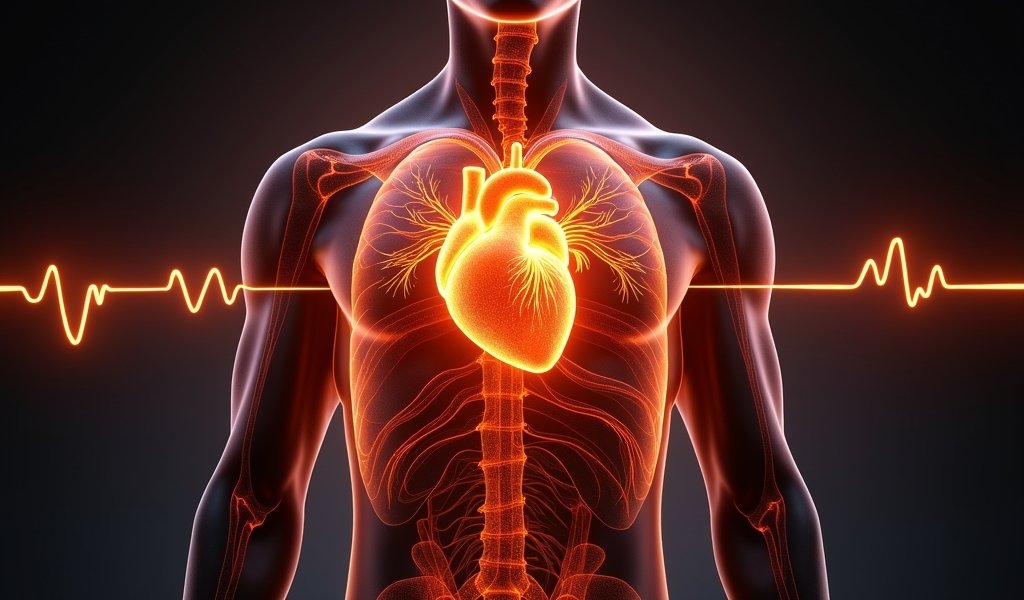
One of the most powerful aspects of the TEE medical abbreviation is how it transforms generic fitness recommendations into truly personalized approaches. Your TEE is uniquely yours, shaped by factors that make your energy needs different from anyone else’s.
These factors include:
- Age and biological sex
- Body composition (especially lean muscle mass)
- Genetic factors influencing metabolic rate
- Daily activity patterns beyond formal exercise
- Hormonal status and function
- Previous dieting history
- Even environmental factors like climate
By understanding your personal TEE, you can break free from one-size-fits-all fitness approaches that may be fundamentally misaligned with your body’s actual needs.
This personalization extends to every aspect of your fitness journey:
- Nutrition: Determining not just calorie needs but optimal macronutrient ratios for your body
- Exercise selection: Choosing activities that complement your TEE profile
- Workout timing: Scheduling exercise when it aligns with your energy patterns
- Recovery protocols: Tailoring rest periods to your actual expenditure
Research published in the journal Cell Metabolism demonstrates that individualized approaches based on TEE measurements yield significantly better outcomes than standardized programs.
The personalization that TEE enables represents the frontier of fitness science – moving beyond broad recommendations to precision approaches that recognize the beautiful complexity of each human body.
Measuring Your TEE: From Lab Tests to Daily Tracking
Now that you understand the transformative potential of knowing your TEE, the natural question follows: how do you accurately measure it? Options range from gold-standard laboratory techniques to practical everyday approaches.
Professional measurement methods include:
- Direct calorimetry: Measuring actual heat produced by the body in specialized chambers
- Indirect calorimetry: Analyzing oxygen consumption and carbon dioxide production
- Doubly labeled water: Using isotope tracking to measure carbon dioxide production over 1-2 weeks
While these methods provide exceptional accuracy, they’re typically available only in research settings or specialized medical facilities. Fortunately, several practical alternatives exist for everyday use:
- Predictive equations like the Harris-Benedict or Mifflin-St Jeor formulas, which estimate BMR based on age, weight, height and sex
- Activity tracking devices that monitor movement and heart rate to estimate energy expenditure
- Mobile applications that combine predictive equations with activity data
- Food and activity journals that allow backward calculation of TEE based on weight maintenance
For most individuals, a combination approach works best: use a predictive equation as your baseline, adjust based on accurate activity tracking, and refine through careful monitoring of weight changes relative to intake.
While consumer methods aren’t perfect, their real value comes from consistency – even if the absolute number has some error, the relative changes over time provide invaluable insights for adjusting your approach.
For those with specific health or performance goals, consider periodic professional TEE testing to calibrate your everyday tracking methods. Many sports performance centers and some medical facilities now offer these services to the public.
Remember that your TEE isn’t static – it changes with age, activity levels, muscle mass, and even dietary patterns. Regular reassessment helps ensure your fitness and nutrition approach evolves alongside your changing body.
Conclusion: TEE as Your Fitness Foundation
Understanding the TEE medical abbreviation – Total Energy Expenditure – transforms fitness from guesswork into science. It provides the fundamental framework for making informed decisions about nutrition, exercise, and overall health management.
By gaining clarity about how your body actually uses energy, you unlock the ability to achieve sustainable weight management, optimize athletic performance, enhance metabolic health, and create truly personalized fitness approaches.
The journey toward better health isn’t about following trends or temporary fixes. It’s about understanding the core principles that govern how your unique body functions. TEE represents precisely that – a window into your body’s energy needs that empowers truly effective lifestyle choices.
Whether you’re just beginning your health journey or looking to break through plateaus in well-established routines, bringing awareness to your Total Energy Expenditure could be the missing element that transforms your approach and results.
The most powerful aspect of TEE lies in how it shifts the focus from external metrics to internal understanding. Rather than chasing arbitrary calorie targets or exercise quotas, you learn to work harmoniously with your body’s actual needs and patterns.
As you move forward in your fitness journey, let your TEE be the compass that guides your decisions. The awareness it provides might just be the game-changing insight that finally makes health and fitness feel natural, sustainable, and truly personalized to you.
Frequently Asked Questions
What exactly does the TEE medical abbreviation stand for?
TEE stands for Total Energy Expenditure, which represents the total number of calories your body burns each day. It includes your basal metabolic rate, physical activity, food digestion, and all other energy-consuming processes.
How is TEE different from BMR?
BMR (Basal Metabolic Rate) measures only the energy needed for basic life functions while at complete rest. TEE is more comprehensive, including BMR plus all additional energy used for physical activity, digestion, and non-exercise movements.
Can I measure my TEE at home?
You can estimate your TEE using predictive equations and activity trackers, though these aren’t as precise as laboratory methods. Combining an online calculator with consistent activity tracking provides a reasonable estimate for most people’s needs.
How often does TEE change?
Your TEE fluctuates daily based on activity levels and can change long-term with age, muscle mass alterations, and metabolic adaptations. Regular reassessment every few months helps account for these changes.
Does increasing muscle mass increase TEE?
Yes, building muscle increases your Basal Metabolic Rate, which raises your overall TEE. Muscle tissue requires more energy to maintain than fat tissue, creating a modest but meaningful increase in daily calorie expenditure.