

Overview
Who knew that turning your powerful thigh muscles into torn spaghetti could lead to such a comprehensive recovery plan? This article provides five essential strategies for recovering from quadriceps tears: implementing the PRICE protocol (Protection, Rest, Ice, Compression, Elevation), seeking proper medical care, following structured rehabilitation exercises, optimizing nutrition with anti-inflammatory foods and adequate protein, and ensuring a gradual, milestone-based return to activity.
Table of Contents
- Understanding Tear Quadriceps Muscle Injuries
- Causes and Symptoms of Quadriceps Tears
- Recovery Tip #1: Immediate Response – The PRICE Protocol
- Recovery Tip #2: Professional Medical Intervention
- Recovery Tip #3: Strategic Rehabilitation Exercises
- Recovery Tip #4: Nutrition for Enhanced Healing
- Recovery Tip #5: Gradual Return to Activity
- Conclusion
- Frequently Asked Questions
Understanding Tear Quadriceps Muscle Injuries
A tear quadriceps muscle injury can be a significant setback for anyone, whether you’re an athlete or someone who enjoys casual physical activity. As a sports medicine specialist with over 15 years of experience, I’ve guided countless patients through this challenging recovery process. The quadriceps, a powerful muscle group at the front of your thigh, is essential for everyday movements like walking, standing up, and climbing stairs. When torn, the path to recovery requires patience, knowledge, and proper care.
The quadriceps muscle group consists of four muscles: the rectus femoris, vastus lateralis, vastus medialis, and vastus intermedius. Together, they form one of the body’s largest and strongest muscle groups, crucial for knee extension and hip flexion. A tear can range from a minor strain (Grade 1) to a complete rupture (Grade 3), each requiring different approaches to physical wellness and healing.
Understanding the severity of your injury is the first step toward effective recovery. While mild tears might heal with conservative treatment, more severe injuries could require surgical intervention. Either way, implementing the right recovery strategies is essential for regaining strength and mobility while preventing future injuries.
Causes and Symptoms of Quadriceps Tears
Quadriceps tears typically occur during activities that involve powerful leg extensions or sudden directional changes. Common causes include sports injuries (particularly in football, soccer, basketball, and tennis), falling accidents, and overtraining. Older adults and individuals with previous leg injuries are at higher risk, as are those with certain medical conditions that weaken muscle tissue.
Recognizing the symptoms of a tear quadriceps muscle is crucial for prompt treatment. The most common signs include:
- A sudden, sharp pain in the front of the thigh
- Audible popping or tearing sensation at the time of injury
- Immediate swelling and bruising
- Difficulty straightening the knee
- Visible indentation or gap in the muscle (in severe cases)
- Weakness when attempting to extend the knee against resistance
- Pain when walking, especially upstairs
The severity of symptoms often correlates with the grade of the tear. A mild Grade 1 tear might present as muscle tightness with minimal strength loss, while a complete Grade 3 rupture could render the leg virtually unusable until properly treated. According to research published in the Journal of Orthopaedic & Sports Physical Therapy, early and accurate diagnosis significantly improves long-term outcomes.
Recovery Tip #1: Immediate Response – The PRICE Protocol
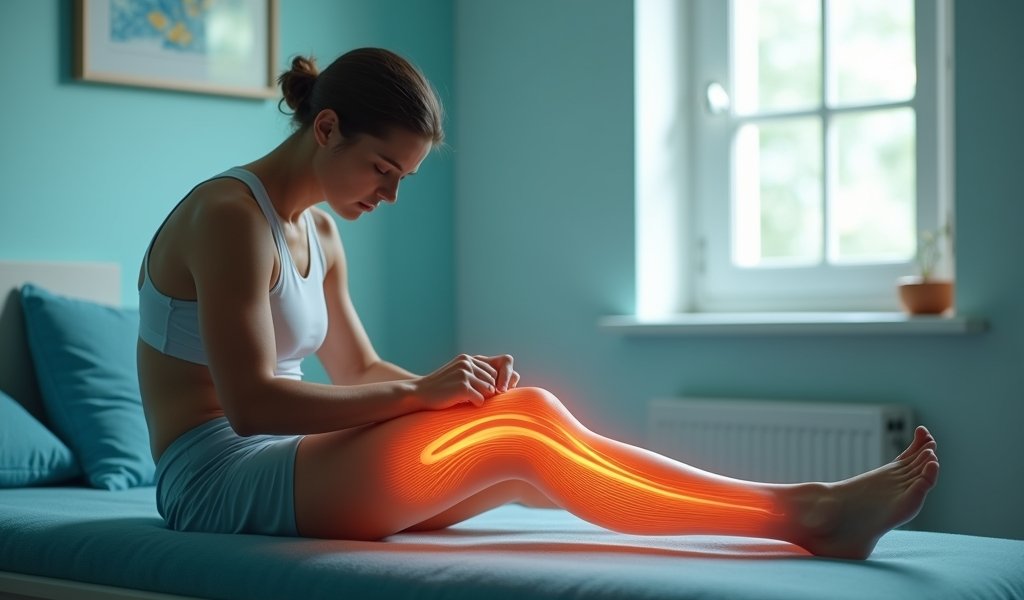
When you experience a tear quadriceps muscle, your actions in the first 24-72 hours can significantly impact your recovery timeline. The PRICE protocol (Protection, Rest, Ice, Compression, Elevation) remains the gold standard for immediate care of muscle injuries.
Protection: Immediately stop the activity that caused the injury and avoid putting weight on the affected leg if possible. For moderate to severe tears, using crutches may be necessary to prevent further damage.
Rest: Give your quadriceps the time needed to begin healing. This doesn’t mean complete immobility – rather, it means avoiding activities that stress the injured area. As studies have demonstrated, balanced rest is critical during the acute phase of muscle injury.
Ice: Apply ice to the injured area for 15-20 minutes every 2-3 hours during the first 48-72 hours. Always use a cloth barrier between ice and skin to prevent cold injuries. Ice therapy helps reduce blood flow to the injury site, limiting inflammation and providing pain relief.
Compression: Use an elastic bandage to provide gentle, supportive pressure around the thigh. The compression should be firm but not tight enough to restrict circulation. This helps minimize swelling and provides stability to the injured muscles.
Elevation: Keep your leg elevated above the level of your heart when possible, especially when resting. This promotes fluid drainage away from the injury site, further reducing swelling.
Implementing the PRICE protocol effectively can significantly reduce recovery time. During this initial phase, over-the-counter anti-inflammatory medications like ibuprofen may help manage pain and inflammation, but consult with your healthcare provider before starting any medication regimen.
Recovery Tip #2: Professional Medical Intervention
While minor tear quadriceps muscle injuries might heal with conservative treatment, proper medical evaluation is essential for optimal recovery. Seeking professional help ensures accurate diagnosis and appropriate treatment planning based on the severity of your injury.
Your healthcare journey will typically begin with a thorough examination by a primary care physician, sports medicine specialist, or orthopedic surgeon. They’ll assess your symptoms, examine the injured area, and likely order imaging tests such as:
- Ultrasound: Provides real-time images of soft tissues and can show the extent of muscle damage
- MRI (Magnetic Resonance Imaging): Offers detailed views of the quadriceps, revealing the exact location and severity of the tear
- X-rays: May be used to rule out bone injuries or avulsion fractures where the tendon pulls a piece of bone away
Based on these findings, your doctor will classify your injury and recommend appropriate treatment. For Grade 1 (mild) and some Grade 2 (moderate) tears, non-surgical approaches are typically effective. These may include physical therapy, specialized bracing, and monitored activity modification.
For complete tears (Grade 3) or partial tears that don’t respond to conservative treatment, surgical intervention may be necessary. Research has shown that surgical repair, especially when performed within the first few weeks after injury, can lead to excellent functional outcomes for severe quadriceps tears.
Following either path, working closely with healthcare professionals specialized in wellness and physical rehabilitation ensures you’re taking the right steps toward recovery. Regular follow-up appointments allow your medical team to monitor progress and adjust your treatment plan as needed.
Recovery Tip #3: Strategic Rehabilitation Exercises
Rehabilitation is perhaps the most critical component of tear quadriceps muscle recovery. A structured exercise program progressively rebuilds strength, flexibility, and function while preventing complications like muscle atrophy and compensatory movement patterns.
In the early rehabilitation phase (typically 1-3 weeks post-injury or surgery), the focus is on gentle, controlled movements that maintain joint mobility without stressing the healing tissue. Under the guidance of a physical therapist, you might begin with:
- Gentle quadriceps contractions (isometric exercises)
- Passive knee range-of-motion exercises
- Light straight leg raises with support
- Ankle pumps to maintain circulation
As healing progresses (typically 3-6 weeks), your therapist will introduce more challenging exercises to rebuild strength and restore normal movement patterns. These intermediate exercises might include:
- Partial weight-bearing activities with appropriate support
- Progressive resistance training with light weights or bands
- Stationary cycling with minimal resistance
- Controlled step-ups and balance exercises
The advanced rehabilitation phase (6-12 weeks) focuses on functional training to prepare you for returning to normal activities. These exercises are more dynamic and sport-specific, potentially including:
- Full weight-bearing strength training
- Controlled plyometric exercises
- Sport-specific movement patterns
- Agility drills with gradual progression
Throughout this process, your physical therapist might incorporate complementary techniques like massage, electrical stimulation, or ultrasound therapy to enhance healing and manage pain. According to research in the Journal of Athletic Training, individualized rehabilitation protocols that address the specific needs of each patient yield superior outcomes compared to standardized approaches.
Remember that patience is crucial during rehabilitation. Pushing too hard too soon can lead to setbacks or even re-injury. Always work within the parameters established by your healthcare team and communicate any unusual pain or concerns promptly.
Recovery Tip #4: Nutrition for Enhanced Healing
Often overlooked in tear quadriceps muscle recovery is the powerful role nutrition plays in tissue healing and regeneration. What you eat directly impacts how quickly and effectively your body repairs damaged muscle tissue. As a healthcare professional, I’ve seen remarkable differences in recovery rates between patients who prioritize nutrition and those who don’t.
Protein serves as the fundamental building block for muscle repair. During recovery, aim to consume 1.6-2.0 grams of high-quality protein per kilogram of body weight daily. Distribute this intake throughout the day in 20-30g portions to optimize muscle protein synthesis. Excellent sources include lean meats, fish, eggs, dairy, and plant-based options like legumes and tofu.
Anti-inflammatory foods can significantly reduce excessive inflammation that might impede the healing process. Incorporate these powerful allies into your daily diet:
- Fatty fish rich in omega-3s (salmon, mackerel, sardines)
- Colorful fruits and vegetables (especially berries, leafy greens, and orange produce)
- Nuts and seeds (particularly walnuts and flaxseeds)
- Olive oil and avocados
- Spices like turmeric and ginger
Adequate hydration is crucial for optimal circulation and nutrient delivery to healing tissues. Aim for at least 2-3 liters of water daily, adjusting based on activity level and climate. Proper hydration also helps flush metabolic waste products from the healing process.
Certain micronutrients play special roles in muscle recovery. Ensure adequate intake of:
- Vitamin C: Essential for collagen synthesis (citrus fruits, bell peppers, broccoli)
- Zinc: Supports protein synthesis and immune function (oysters, meat, pumpkin seeds)
- Vitamin D: Crucial for muscle function (fatty fish, fortified foods, sunlight exposure)
- Magnesium: Assists in muscle relaxation and energy production (nuts, seeds, whole grains)
While whole foods should form the foundation of your nutrition strategy, supplements may be beneficial in certain cases. Consult with a holistic wellness professional or registered dietitian to determine if supplements like whey protein, collagen peptides, or specific vitamins would benefit your specific recovery needs.
Remember that timing matters too. Research from the International Journal of Sport Nutrition and Exercise Metabolism suggests consuming protein within 30-60 minutes after rehabilitation exercises can enhance the adaptive response and accelerate muscle repair.
Recovery Tip #5: Gradual Return to Activity
Returning to your regular activities after a tear quadriceps muscle injury requires a methodical, patient approach. Rushing this process is one of the most common reasons for re-injury and prolonged recovery time. As someone who’s guided many athletes and active individuals through this phase, I can’t emphasize enough the importance of a gradual, milestone-based return.
Before attempting to return to your previous activity level, ensure you’ve achieved these fundamental recovery milestones:
- Full or near-full pain-free range of motion in the knee
- At least 80-90% of the strength in your unaffected leg
- Ability to perform basic functional movements without pain or compensation
- Clearance from your healthcare provider or physical therapist
Once these criteria are met, implement a progressive return-to-activity plan that might look something like this:
- Phase 1 (Weeks 1-2): Begin with 25% of your pre-injury activity level or intensity. For runners, this might mean short, slow jogs interspersed with walking. For strength trainers, use lighter weights with higher repetitions.
- Phase 2 (Weeks 3-4): Increase to approximately 50% of pre-injury activity, gradually introducing more sport-specific or activity-specific movements.
- Phase 3 (Weeks 5-6): Advance to 75% of normal activity level, including more dynamic movements and higher intensity intervals.
- Phase 4 (Weeks 7-8): Return to full activity with continued awareness of how your body responds.
Throughout this progression, pay careful attention to how your body responds both during activity and in the 24-48 hours following. Mild muscle soreness is normal, but pain, swelling, or a sensation of weakness or instability are warning signs that you may be progressing too quickly.
Consider incorporating cross-training activities that maintain fitness while reducing stress on the quadriceps. Swimming, carefully modified cycling, or upper body strength training can help maintain overall conditioning during your recovery period.
For competitive athletes, working with a sports performance specialist can be invaluable during this phase. They can design sport-specific drills that gradually reintroduce the demands of your activity while monitoring biomechanics to prevent compensatory patterns that might lead to secondary injuries.
Conclusion
Recovering from a tear quadriceps muscle injury is undoubtedly challenging, but with the right approach, you can return to your activities stronger and more resilient than before. The five proven tips we’ve explored – implementing the PRICE protocol, seeking appropriate medical care, following a structured rehabilitation program, optimizing nutrition, and returning to activity gradually – provide a comprehensive framework for successful recovery.
Remember that healing is not just a physical process but a mental one too. Maintaining a positive mindset, celebrating small victories along the way, and practicing patience are invaluable aspects of your recovery journey. Each person’s healing timeline is unique, influenced by factors like age, overall health, injury severity, and adherence to recovery protocols.
As you progress through your recovery, consider this experience an opportunity to develop greater body awareness and appreciation for proper movement mechanics. Many of my patients have discovered that the knowledge gained during rehabilitation helps them prevent future injuries and perform better in their chosen activities.
If you’re currently navigating a quadriceps tear recovery, I encourage you to use these evidence-based strategies as a roadmap while working closely with your healthcare team to personalize your approach. With dedication to your recovery and respect for your body’s healing process, you can overcome this setback and return to the activities you love.
Frequently Asked Questions
How long does it take to recover from a quadriceps tear?
Recovery time varies based on tear severity, ranging from 4-6 weeks for mild tears to 3-6 months for complete tears requiring surgery. Individual factors like age, general health, and adherence to rehabilitation protocols also affect healing timelines.
Can I continue to work out with a torn quadriceps?
You should avoid activities that stress the injured quadriceps until cleared by a healthcare professional. However, modified exercises for unaffected body parts may be appropriate with medical guidance.
Will I need surgery for my torn quadriceps?
Surgery is typically recommended for complete (Grade 3) tears or when the tear affects the tendon attachment. Partial tears (Grades 1-2) often heal with conservative treatment if properly managed.
How can I tell the difference between normal muscle soreness and a quadriceps tear?
Normal soreness develops gradually, affects muscles broadly, and improves within 24-72 hours. A tear typically involves sudden, sharp pain, often with swelling, bruising, weakness, and difficulty bearing weight.
Can a quadriceps tear heal on its own without treatment?
Minor (Grade 1) tears may heal with proper rest and care, but moderate to severe tears require appropriate medical intervention. Untreated tears can lead to chronic pain, weakness, and greater risk of re-injury.