
Overview
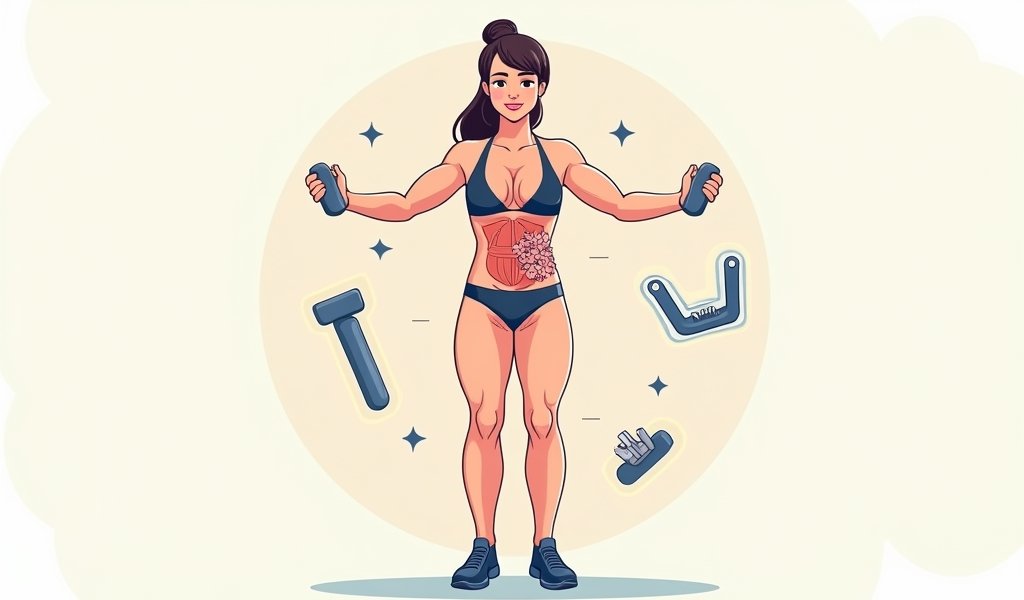
Whoever said “no pain, no gain” clearly never suffered through a torn pec muscle, which this article expertly addresses by outlining five essential recovery tools: compression wraps, therapeutic ultrasound, electrical muscle stimulation, targeted resistance bands, and cold/heat therapy systems. The article provides a detailed recovery timeline and emphasizes the importance of using the right tools at appropriate healing stages, while stressing patient-specific considerations and the need for professional medical guidance throughout the rehabilitation process.
Table of Contents
- Understanding Tear Pec Muscle Injuries
- Importance of Proper Recovery Tools
- Top 5 Tear Pec Muscle Recovery Tools
- Compression Wraps and Sleeves
- Therapeutic Ultrasound Devices
- Electrical Muscle Stimulation (EMS)
- Targeted Resistance Bands
- Cold and Heat Therapy Systems
- How to Choose the Right Recovery Tool
- Recovery Timeline and Expectations
- Conclusion
- Frequently Asked Questions
Understanding Tear Pec Muscle Injuries
A tear pec muscle injury can be both painful and debilitating, affecting your ability to perform daily activities and athletic pursuits. The pectoralis major, commonly known as the “pec muscle,” is a powerful chest muscle responsible for movements like pushing, pulling, and rotating your arm. When this crucial muscle tears—whether partially or completely—the road to recovery requires patience, proper medical guidance, and the right therapeutic tools.
Pec tears typically occur during activities that place extreme stress on the chest, such as heavy bench presses, sudden forceful movements, or direct trauma. These injuries range from mild strains to complete ruptures, with symptoms including sharp pain, visible deformity, bruising, weakness, and limited range of motion. As a sports medicine physician with over 15 years of experience, I’ve seen firsthand how the right recovery tools can significantly impact healing outcomes.
The recovery journey after a tear pec muscle injury isn’t just about healing tissue—it’s about restoring function and preventing future injuries. While severe tears may require surgical intervention, many partial tears can be successfully managed with conservative treatment approaches. This is where specialized recovery tools enter the picture, offering targeted therapeutic benefits that complement professional medical treatment and enhance the body’s natural healing processes.
Importance of Proper Recovery Tools
Selecting appropriate recovery tools for a tear pec muscle injury isn’t simply about alleviating discomfort—though that’s certainly important. The right therapeutic devices can accelerate healing, prevent muscle atrophy, restore range of motion, and promote proper tissue regeneration. These benefits translate to better long-term outcomes and reduced risk of re-injury, which is why I consistently emphasize their importance to my patients.
Recovery tools work through various physiological mechanisms. Some reduce inflammation and swelling, while others stimulate blood flow to deliver oxygen and nutrients to healing tissues. Certain devices help maintain or rebuild muscle strength during recovery, and others assist in breaking down scar tissue that could otherwise limit mobility.
Without proper support during recovery, a torn pec muscle may heal improperly, leading to persistent weakness, restricted movement, and chronic pain. Additionally, an inadequate recovery process increases vulnerability to future injuries. According to research in the Journal of Orthopaedic & Sports Physical Therapy, comprehensive rehabilitation that includes appropriate therapeutic tools can improve recovery outcomes by up to 35% compared to rest alone.
Top 5 Tear Pec Muscle Recovery Tools
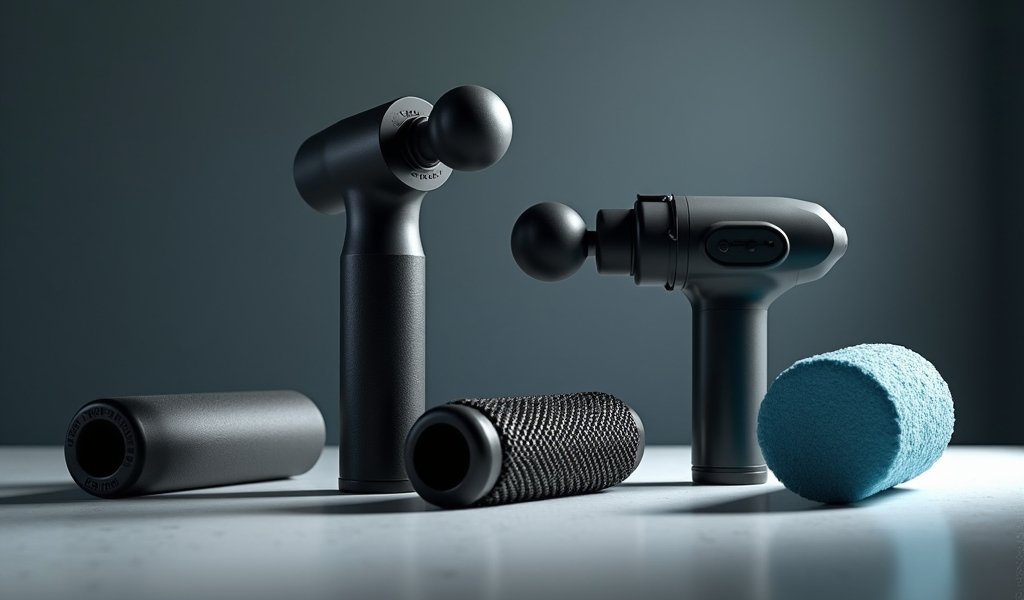
After evaluating countless recovery tools over my career and staying current with the latest research, I’ve identified the five most effective devices for tear pec muscle rehabilitation. These selections are based on clinical evidence, patient outcomes, and practical usability. Whether you’re an athlete looking to return to peak performance or someone simply wanting to regain comfort in everyday activities, these tools offer substantial benefits throughout the healing process.
Each tool addresses different aspects of recovery, which is why many rehabilitation protocols incorporate multiple devices used at appropriate stages of healing. It’s worth noting that timing matters tremendously—what’s beneficial in the acute stage may differ from what’s needed weeks into recovery. Always consult with your healthcare provider before implementing any of these tools into your recovery plan.
Let’s explore each of these recovery tools in detail, examining their mechanisms of action, specific benefits for tear pec muscle injuries, and guidelines for optimal use. Remember, these tools are meant to complement professional medical care, not replace it.
Compression Wraps and Sleeves
Compression therapy stands as a cornerstone in the early stages of tear pec muscle recovery. High-quality compression wraps and sleeves exert controlled pressure on the injured area, which immediately helps manage swelling by limiting fluid buildup. This pressure also stabilizes the area, preventing excessive movement that could exacerbate the injury.
The best compression products for pec injuries feature targeted support with graduated pressure that’s firm enough to be therapeutic without restricting circulation. Look for designs specifically contoured for the chest region with adjustable straps that allow customization as swelling decreases. Materials matter too—breathable, moisture-wicking fabrics prevent skin irritation during extended wear.
Clinical studies have demonstrated that appropriate compression therapy can reduce recovery time by up to 20% when used correctly. A study published in the Journal of Athletic Training found that consistent compression therapy significantly reduced pain scores and accelerated return to normal activities following muscle injuries.
For optimal results, wear compression garments as directed by your healthcare provider—typically 8-12 hours daily during the initial recovery phase. Remove periodically to check skin condition and allow for proper hygiene. As your recovery progresses, you may transition to wearing compression only during physical activity or therapeutic exercises.
Therapeutic Ultrasound Devices
Therapeutic ultrasound devices have revolutionized home-based recovery for tear pec muscle injuries. These portable units deliver sound waves that penetrate deep into damaged tissue, creating microscopic vibrations that generate therapeutic heat. This process, known as “deep tissue thermogenesis,” increases blood flow to the injured pec muscle, accelerating the delivery of oxygen and nutrients essential for healing.
Beyond improved circulation, ultrasound therapy helps break down scar tissue—a crucial benefit for maintaining chest flexibility and preventing long-term mobility restrictions. The gentle mechanical stress from sound waves also stimulates cellular activity in the healing tissue, potentially enhancing the quality of repair. Many physical therapy clinics use professional-grade ultrasound, but affordable home units now provide comparable benefits with convenience.
When selecting a therapeutic ultrasound device, prioritize FDA-cleared models with adjustable intensity settings and timers. The best units come with specific guidance on treatment protocols for different injury types and include proper conductive gel. For tear pec muscle recovery, devices offering both 1MHz (deeper penetration) and 3MHz (more superficial treatment) frequencies provide versatility as your healing progresses.
Typically, I recommend 5-10 minute sessions, 1-3 times daily, beginning after the acute inflammatory phase (usually 48-72 hours post-injury). Always follow the manufacturer’s instructions and your healthcare provider’s guidance on intensity settings and treatment duration. Patience is key—ultrasound therapy delivers cumulative benefits, with most patients reporting noticeable improvement after 2-3 weeks of consistent use.

Electrical Muscle Stimulation (EMS)
Electrical Muscle Stimulation (EMS) devices provide a powerful tool for maintaining muscle integrity during tear pec muscle recovery. These systems deliver controlled electrical impulses that stimulate muscle contractions without the voluntary effort or mechanical load that could worsen the injury. This helps prevent the muscle atrophy that typically occurs during periods of reduced activity, preserving strength even when traditional exercises aren’t yet appropriate.
For tear pec muscle injuries, EMS offers particular advantages. It allows targeted stimulation of specific muscle fibers, promotes increased blood flow without physical movement, and can help retrain neuromuscular pathways that may be disrupted following injury. Many patients also report that EMS provides analgesic (pain-reducing) effects, potentially through modulation of pain signals and endorphin release.
When selecting an EMS device for pec recovery, look for units with multiple programs designed for different recovery phases. The best models feature adjustable intensity, frequency, and pulse duration, allowing customization as healing progresses. Wireless options with multiple electrode pads provide better coverage and convenience for the broad pectoral region. For home use, user-friendly interfaces with pre-programmed recovery modes simplify proper application.
EMS typically begins once the acute phase has passed, usually 5-7 days post-injury, with sessions lasting 15-30 minutes. Initially, use gentler settings focused on circulation improvement rather than muscle strengthening. As recovery advances, you can gradually increase intensity to provide more challenging contractions that help rebuild strength. Your physical therapist can provide specific placement guidance for the electrode pads to target your particular injury site while ensuring you’re supporting overall muscle recovery.
Targeted Resistance Bands
Specialized resistance bands represent an invaluable tool during the rehabilitation phase of tear pec muscle recovery. Unlike conventional weights that apply constant resistance throughout a movement, quality resistance bands provide variable resistance that increases gradually as the band stretches. This progressive resistance pattern is particularly beneficial for healing muscle tissue, allowing for controlled loading that matches the muscle’s capabilities at different points in its range of motion.
The best resistance band systems for pec rehabilitation include door anchors and handles that enable proper positioning for chest-focused exercises. Look for sets with multiple resistance levels (typically color-coded) to allow progression as strength improves. Medical-grade latex or fabric-covered bands offer superior durability and skin comfort during the extended rehabilitation period.
When implemented correctly, targeted resistance training with bands helps reestablish proper movement patterns, improves coordination between the pectoral muscles and surrounding stabilizers, and gradually rebuilds strength in the damaged tissue. Research published in the Research Quarterly for Exercise and Sport demonstrates that progressive resistance training significantly improves functional outcomes following muscle injuries.
Resistance band work typically begins during the subacute phase of healing, usually 2-4 weeks post-injury, depending on severity. Start with the lightest resistance, focusing first on simple range-of-motion exercises before progressing to more challenging movements. A structured program might begin with isometric holds (tension without movement), advance to partial-range movements, then gradually work toward full-range controlled exercises. Proper form is absolutely crucial—exercises performed incorrectly can delay healing or cause compensatory issues in other areas.
Cold and Heat Therapy Systems
Advanced cold and heat therapy systems offer precision temperature control that basic ice packs and heating pads simply cannot match. For tear pec muscle recovery, these dual-modality devices prove invaluable throughout the healing process. Modern systems feature contoured pads specifically designed for chest application, circulating temperature-controlled fluid to maintain therapeutic levels without the extreme temperature fluctuations of traditional methods.
Cold therapy (cryotherapy) remains essential during the initial recovery phase, typically the first 48-72 hours. It reduces pain by numbing nerve endings, limits internal bleeding by constricting blood vessels, and minimizes the inflammatory response that could otherwise lead to excessive swelling. The best systems maintain temperatures between 45-55°F (7-13°C)—cold enough to be therapeutic without risking tissue damage.
As recovery progresses, controlled heat therapy becomes beneficial by promoting blood circulation, relaxing tight tissues, and increasing tissue extensibility. Heat facilitates the removal of metabolic waste products from the healing area while delivering oxygen and nutrients. Premium systems maintain temperatures between 100-105°F (38-40°C)—warm enough to increase blood flow without causing burns or excessive inflammation.
For optimal results, follow a structured protocol that transitions appropriately between modalities. Initially, apply cold therapy for 15-20 minutes every 2-3 hours during waking hours. After the acute phase (typically 2-3 days), begin introducing heat therapy before gentle movement exercises to increase tissue pliability, followed by cold therapy afterward to manage any exercise-induced inflammation. This contrast approach, when properly implemented, can significantly enhance recovery and overall wellness, according to research in the Journal of Bodywork and Movement Therapies.
How to Choose the Right Recovery Tool
Selecting the appropriate tear pec muscle recovery tools depends on several individual factors. First, consider your injury’s severity—mild strains might respond well to compression and cold/heat therapy alone, while more significant tears typically benefit from the comprehensive approach of multiple tools. Your current recovery phase also matters tremendously; what’s beneficial during the acute inflammatory stage differs from what accelerates healing weeks later.
Budget considerations are practical realities for most people. If financial constraints limit purchasing multiple devices, prioritize tools that serve multiple recovery phases. For instance, a quality compression sleeve provides benefits throughout recovery, while a good resistance band system offers value long after your pec has healed. Some insurance plans may cover certain therapeutic devices when prescribed by a healthcare provider—it’s worth investigating this possibility.
Your lifestyle and commitment level also influence which tools will prove most effective. Consider realistically how much time you can dedicate to recovery sessions and whether you prefer passive treatments (like compression or heat) or more active approaches (like resistance training). The best recovery plan incorporates tools that align with your daily routine, making consistent use more likely.
When possible, test devices before purchasing or choose options with satisfaction guarantees. What works wonderfully for one person may feel uncomfortable or impractical for another. Most importantly, consult with your healthcare provider before implementing any recovery tools. They can offer personalized recommendations based on your specific injury characteristics and recovery goals.
Recovery Timeline and Expectations
Understanding the typical timeline for tear pec muscle recovery helps set realistic expectations and optimize the use of therapeutic tools. Recovery generally progresses through predictable phases, though individual healing rates vary based on injury severity, overall health, age, and adherence to treatment protocols.
The acute phase typically spans the first 3-7 days post-injury. During this period, the body initiates inflammation as part of the healing response, resulting in pain, swelling, and restricted movement. Focus on RICE (Rest, Ice, Compression, Elevation) principles during this stage, utilizing cold therapy systems and compression garments. Avoid stretching or strengthening exercises that could disrupt initial tissue repair.
Weeks 1-3 mark the subacute phase, where inflammation gradually subsides and tissue repair accelerates. This is when therapeutic ultrasound and controlled heat therapy become particularly valuable. Gentle range-of-motion exercises may begin under professional guidance. EMS can help maintain muscle tone while preventing the formation of excessive scar tissue.
The remodeling and strengthening phase typically spans weeks 3-12, depending on tear severity. During this critical period, the body reorganizes collagen fibers along lines of stress, improving the functional quality of the repaired tissue. Resistance bands become especially important now, progressively challenging the healing muscle to rebuild strength and endurance. Continue using compression during activity to provide support as loading increases.
Even with optimal treatment, complete recovery from significant tear pec muscle injuries typically requires 3-6 months. Patience is essential—pushing too hard too soon remains the most common reason for setbacks. By consistently utilizing appropriate recovery tools at each stage, you can potentially reduce this timeline and improve the functional outcome of your healing.
Conclusion
Recovering from a tear pec muscle injury requires a strategic approach that evolves throughout the healing process. The five recovery tools we’ve explored—compression wraps, therapeutic ultrasound, electrical muscle stimulation, targeted resistance bands, and cold/heat therapy systems—each offer unique benefits that, when properly implemented, create a comprehensive rehabilitation program.
Remember that these tools work best as part of an integrated recovery plan developed with healthcare professionals. The timing and technique of their application matters significantly, as does your consistency in following recommended protocols. While the journey to full recovery may seem lengthy, each day of proper therapeutic intervention brings you closer to restored function and strength.
Listen to your body throughout the process. Pain is an important signal—it should guide the intensity of your recovery activities, not be pushed through. Gradually progress your rehabilitation efforts based on functional improvements rather than arbitrary timelines. With patience, proper tools, and professional guidance, most individuals can achieve excellent outcomes following tear pec muscle injuries, returning to their preferred activities with restored function and reduced risk of recurrence.
Frequently Asked Questions
How long does it typically take to recover from a tear pec muscle injury?
Recovery timelines vary based on injury severity, with minor strains healing within 4-6 weeks and complete tears requiring 4-6 months, sometimes including surgical repair. Consistent use of appropriate recovery tools and following medical guidance can optimize healing time.
Can I still work out with a torn pec muscle?
You should avoid exercises that stress the injured pec muscle until cleared by a healthcare provider. However, maintaining fitness through lower body workouts, controlled cardio, and eventually unaffected upper body exercises may be possible with medical guidance.
How can I tell if my pec tear requires surgery?
Complete tears, especially at the tendon insertion, often require surgical intervention, typically indicated by significant weakness, visible deformity, or a “popping” sensation during injury. A medical professional should evaluate any suspected pec tear using physical examination and imaging studies to determine appropriate treatment.
Is it normal to feel occasional pain months after a pec tear?
Some mild discomfort during certain movements or with changing weather conditions can persist for several months after a pec tear. However, sharp, persistent, or increasing pain should prompt a medical evaluation to rule out complications or incomplete healing.
Can I prevent future pec muscle tears?
Preventive strategies include proper warm-up, gradual progression of training loads, balanced chest and back strengthening, and maintaining good technique during chest exercises. Regular mobility work and avoiding excessive training volume also reduce risk factors for pec injuries.