
Overview
This foot-focused article (or should I say “footnote” in the health world) explores ten top-rated support socks that provide relief for various foot conditions including plantar fasciitis, edema, and diabetic neuropathy through graduated compression, targeted support, and specialized materials. The guide also covers when to wear support socks, how to select the right pair based on specific conditions, and how to properly care for them to maintain their therapeutic benefits over time.
Table of Contents
- Understanding Foot Pain: Common Causes and Effects
- How Support Socks Work to Alleviate Foot Pain
- Top 10 Support Socks for Foot Pain Relief
- Key Features to Look for in Support Socks
- When to Wear Support Socks for Maximum Benefit
- Combining Support Socks with Other Foot Pain Treatments
- How to Select the Right Support Socks for Your Needs
- Caring for Your Support Socks
- Conclusion
- Frequently Asked Questions
Foot pain affects millions of people worldwide, limiting mobility and decreasing quality of life. Whether you’re suffering from plantar fasciitis, edema, diabetes-related discomfort, or simply spending long hours on your feet, support socks for foot pain can provide significant relief. These specialized garments combine therapeutic compression with targeted support to reduce discomfort and promote healing. This comprehensive guide examines the most effective support socks available today, backed by clinical research and professional recommendations.
Understanding Foot Pain: Common Causes and Effects
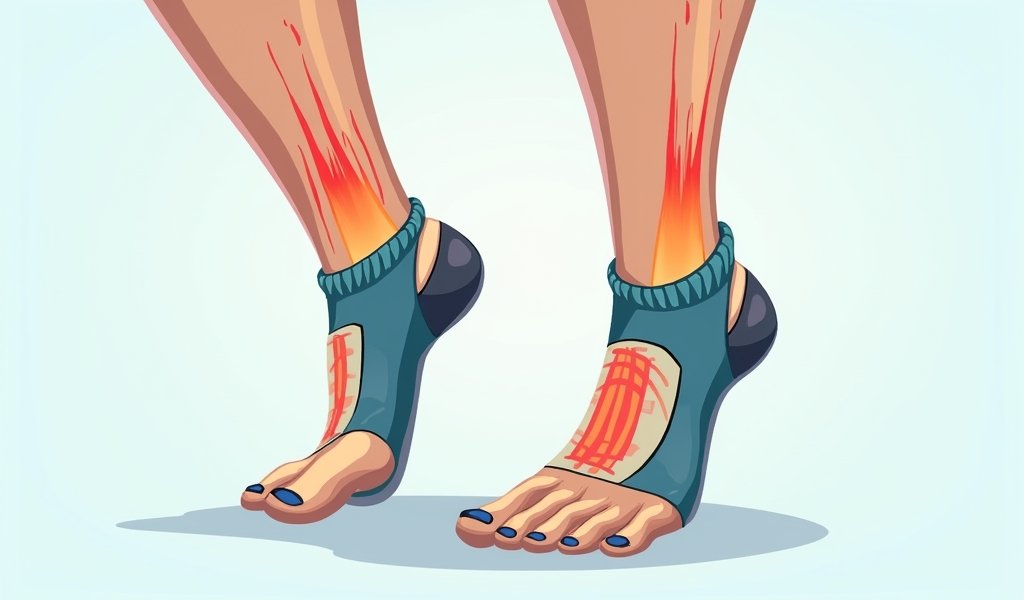
Foot pain emerges from various underlying conditions, each with distinct characteristics and treatment needs. Plantar fasciitis, characterized by inflammation of the band connecting the heel to the toes, causes sharp heel pain especially during first morning steps. According to recent clinical research, this condition affects approximately 10% of the population during their lifetime.
Peripheral edema (swelling) results from fluid retention in the extremities, often stemming from prolonged standing, pregnancy, or circulatory issues. This swelling creates pressure and discomfort that worsens throughout the day.
Diabetic neuropathy affects nearly 50% of individuals with diabetes, causing nerve damage that leads to burning, tingling, or numbness in the feet. The condition requires special attention to prevent complications.
Venous insufficiency occurs when veins struggle to return blood to the heart efficiently, causing pooling in the lower extremities. This condition frequently leads to aching, heaviness, and swelling in the feet and ankles.
Prolonged standing or walking, particularly on hard surfaces, stresses foot structures, resulting in fatigue and pain. Healthcare workers, retail employees, and service industry professionals frequently experience this type of discomfort.
How Support Socks Work to Alleviate Foot Pain
Support socks operate on several physiological principles to reduce foot pain and promote healing. These specialized garments apply graduated compression—strongest at the ankle and decreasing up the leg—which improves blood circulation by assisting the venous return of blood to the heart. This enhanced circulation reduces swelling, alleviates pressure, and speeds recovery.
The targeted compression stabilizes muscles and joints during movement, reducing micro-trauma and stress on inflamed tissues. For plantar fasciitis sufferers, many health and wellness products like support socks provide arch reinforcement that minimizes fascia stretching, a primary aggravating factor.
Beyond compression, therapeutic support socks often incorporate padding in high-impact areas such as the heel and ball of the foot. This cushioning absorbs shock during walking or standing, redistributing pressure more evenly across the foot surface.
Temperature regulation plays an additional role in pain management. Many medical-grade support socks utilize moisture-wicking materials that maintain optimal foot temperature, preventing the excessive heat that can exacerbate inflammation.
Top 10 Support Socks for Foot Pain Relief
1. Compression Z Plantar Fasciitis Socks
These socks provide 20-30 mmHg graduated compression with targeted arch support. The anatomical design includes extra padding in the heel cup and metatarsal area, ideal for plantar fasciitis sufferers. Moisture-wicking fabric keeps feet dry while copper-infused yarn offers antimicrobial benefits. Users report significant pain reduction within 1-2 weeks of consistent wear.
2. Sockwell Elevation Therapeutic Socks
Developed with input from podiatrists, these socks deliver 15-20 mmHg moderate compression. The four-zone comfort system includes cushioned soles, arch support, and seamless toe closure to prevent irritation. Made from Merino wool blend, they provide excellent temperature regulation for all-day wear.
3. Thorlos Padds Diabetic Ankle Socks
Specifically designed for diabetic foot care, these socks feature non-binding tops and extra cushioning without restricting circulation. The patented THORLON acrylic padding provides protection where diabetic feet need it most, while the seamless design minimizes pressure points that could lead to ulceration.
4. Physix Gear Compression Socks
These full-length compression socks (20-30 mmHg) excel for edema and venous insufficiency. The double-stitched fabric ensures durability while maintaining breathability. The graduated compression design promotes circulation from ankle to calf, making them excellent for all-day standing or travel.
5. Feetures Elite Max Cushion
These performance socks integrate targeted compression with anatomical design. The Sock-Lock technology provides exceptional arch support while high-density cushioning protects high-impact zones. Perfect for those with lifestyle shoes requiring additional cushioning.
6. Zensah Plantar Fasciitis Sleeves
These specialized compression sleeves target the arch and ankle without covering the toes or heel. The focused 20-25 mmHg compression and ribbed arch support make them ideal for plantar fasciitis rehabilitation. Their thin profile allows wearing under regular socks or with any footwear.
7. CEP Recovery+ Compression Socks
Developed for post-activity recovery, these medical-grade socks (15-20 mmHg) enhance blood flow to speed healing and reduce inflammation. The anatomically padded sole reduces pressure points while moisture-managing materials prevent bacterial growth.
8. OrthoSleeve FS6 Compression Foot Sleeve
This innovative split design provides targeted compression to the plantar fascia and Achilles tendon. The six-zone compression technology (20-30 mmHg) supports key structures while allowing full toe mobility, making them comfortable for overnight wear.
9. Bitly Plantar Fasciitis Compression Socks
These ankle-length compression socks combine medical-grade support (20-30 mmHg) with moisture-wicking fabric. The targeted compression zones stabilize the plantar fascia while facilitating proper joint alignment. Their low profile makes them versatile for various footwear types.
10. SB SOX Compression Foot Sleeves
These affordable yet effective sleeves provide graduated compression and ribbed arch support. The lightweight, breathable fabric makes them comfortable for all-day wear, while the reinforced heel pocket ensures durability and proper positioning.
Key Features to Look for in Support Socks
When evaluating support socks for foot pain, several critical factors determine therapeutic effectiveness and comfort:
- Compression level: Medical-grade compression ranges from 15-30 mmHg. Mild to moderate pain typically requires 15-20 mmHg, while severe conditions benefit from 20-30 mmHg.
- Material composition: Look for moisture-wicking fabrics like nylon/spandex blends or merino wool mixtures that prevent excessive moisture accumulation.
- Targeted support zones: Effective support socks include reinforced areas that align with anatomical foot structures requiring additional support.
- Seamless design: Minimize irritation points, especially important for diabetic patients or those with sensitive skin.
- Cushioning placement: Strategic padding in high-impact areas reduces pressure points without creating bulk.
- Size accuracy: Proper sizing ensures optimal compression delivery—too tight restricts circulation; too loose provides insufficient support.
Foot health experts emphasize that correctly fitted support socks should feel snug but never painful. The compression should feel most pronounced at the ankle, gradually decreasing as the sock rises up the leg.
When to Wear Support Socks for Maximum Benefit
Timing the use of support socks significantly impacts their therapeutic benefit. For acute conditions like plantar fasciitis, wearing support socks during initial morning steps helps reduce the characteristic sharp pain that occurs after periods of rest. Many physical therapists recommend sleeping in plantar fasciitis sleeves to maintain gentle stretching of the fascia throughout the night.
For edema and venous insufficiency, morning application before swelling begins provides the best preventive effect. The graduated compression works most effectively when applied to non-swollen extremities. Consistent wear throughout the day maintains the benefit.
Occupational use requires consideration of activity levels. Those standing for extended periods benefit from all-day wear of moderate compression (15-20 mmHg). For more intense activities or severe pain, higher compression levels (20-30 mmHg) provide enhanced support but may become uncomfortable after 6-8 hours.
Recovery periods after exercise or long days represent another optimal usage window. Applying compression socks after activity accelerates recovery by enhancing circulation and reducing inflammatory response. Wellness products like compression socks can be particularly effective when used consistently during these recovery periods.
Combining Support Socks with Other Foot Pain Treatments
Support socks provide maximum benefit when integrated into a comprehensive foot care regimen. For inflammatory conditions like plantar fasciitis, combining compression socks with regular ice therapy enhances anti-inflammatory effects. Apply ice for 15-20 minutes after extended standing or walking while wearing support socks.
Foot-strengthening exercises complement compression therapy by addressing underlying muscular weaknesses. Simple exercises like towel scrunches, marble pickups, and calf raises strengthen key foot structures when performed consistently alongside compression therapy.
Proper footwear selection amplifies the benefits of support socks. Research from sports medicine specialists demonstrates that combining appropriate arch support in shoes with compression socks provides superior pain relief compared to either intervention alone.
For severe or persistent foot pain, incorporating professional treatments yields comprehensive results. Physical therapy, custom orthotics, and occasional corticosteroid injections may be recommended by healthcare providers to address underlying structural issues while support socks manage symptoms.
How to Select the Right Support Socks for Your Needs
Finding the ideal support socks requires matching product features to your specific condition and lifestyle needs:
- For plantar fasciitis: Choose socks with pronounced arch reinforcement and heel cushioning. Sleeve-style options work well for overnight wear.
- For diabetic foot care: Select non-binding tops with seamless construction and moisture control. Avoid excessive compression that might restrict circulation.
- For edema and swelling: Full-length graduated compression socks (20-30 mmHg) provide the most effective fluid movement assistance.
- For general foot fatigue: Moderate compression (15-20 mmHg) with cushioned soles balances comfort with therapeutic benefit for all-day wear.
Consider the climate and activity level when selecting materials. Synthetic blends with copper or silver infusions offer antimicrobial benefits for hot weather, while merino wool blends provide temperature regulation in variable conditions.
For accurate sizing, measure your foot circumference at the widest part and your ankle circumference at the narrowest point. Most manufacturers provide detailed sizing charts specific to their compression technology. When between sizes, size down for greater compression or up for more comfort.
Caring for Your Support Socks
Proper maintenance extends the therapeutic lifespan of support socks while preserving their compression integrity. Hand washing represents the gentlest cleaning method—use mild soap and lukewarm water, then reshape and air dry flat away from direct heat sources.
If machine washing is necessary, use a gentle cycle in cold water and place socks in a mesh laundry bag to prevent snagging. Avoid fabric softeners and bleach as these degrade elastic fibers that provide compression.
Rotate between at least two pairs of support socks to extend their life and maintain hygiene. The elastic compression fibers require recovery time to maintain their therapeutic pressure levels.
Replace support socks when compression begins to diminish—typically every 3-6 months with regular wear. Signs of replacement need include loosening at the ankle, visible stretching, or diminished pain relief effect.
Conclusion
Support socks represent an effective, non-invasive approach to managing various forms of foot pain. The ten products highlighted in this guide offer specialized solutions for conditions ranging from plantar fasciitis to diabetic neuropathy, with clinically supported designs that address specific anatomical needs.
For optimal results, select support socks that match your particular condition, wear them consistently during appropriate activity periods, and integrate them into a comprehensive foot care routine. Proper sizing and maintenance ensure these therapeutic garments maintain their effectiveness over time.
Whether you’re seeking relief from chronic foot conditions or looking to prevent discomfort during long periods of standing, quality support socks provide a valuable tool in your foot health arsenal. By understanding the science behind compression therapy and matching product features to your specific needs, you can take significant strides toward pain-free mobility.
Frequently Asked Questions
How long should I wear support socks each day?
Most support socks can be worn for 8-12 hours daily. Remove them if you experience numbness, tingling, or increased pain.
Can I sleep in compression socks?
Only sleep in socks specifically designed for overnight wear, like plantar fasciitis sleeves. Standard compression socks should be removed before bed.
How quickly will I notice pain relief from support socks?
Minor discomfort may improve immediately, but chronic conditions typically require 1-2 weeks of consistent wear to notice significant improvement. Severe conditions may take longer.
Can support socks replace custom orthotics?
Support socks complement but don’t replace custom orthotics for structural foot issues. They work best as part of a comprehensive treatment approach.
Are higher compression levels always better?
No, higher compression isn’t always better. Choose 15-20 mmHg for mild issues and daily wear, while 20-30 mmHg is better for severe conditions or recovery periods.
Pingback: Ultimate 5-Step Sports Injury Treatment Guide for Athletes - achievehealthgoals.com