
Overview
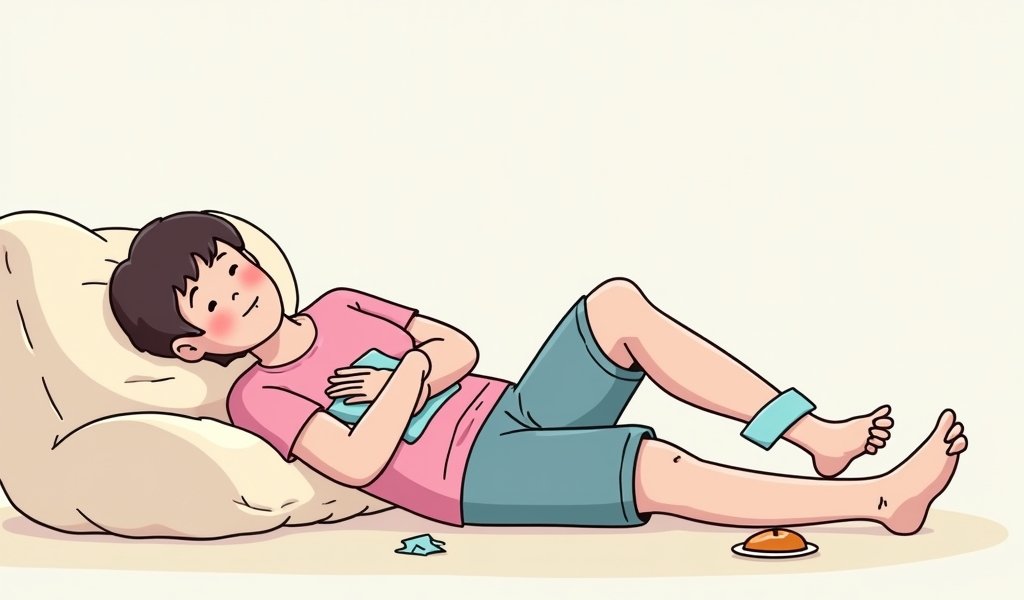
Who knew those tiny appendages could cause so much drama? This seven-step guide provides a complete treatment protocol for toe injuries, from immediate RICE (Rest, Ice, Compression, Elevation) response to rehabilitation exercises, with clear guidance on when home treatment is sufficient versus when medical attention is necessary.
Table of Contents
- Understanding Toe Injuries: Sprains vs. Fractures
- Immediate Response: The Critical First 48 Hours
- Step 1: Rest and Protect Your Injured Toe
- Step 2: Ice Application for Pain and Swelling Relief
- Step 3: Compression Techniques for Stability
- Step 4: Elevation to Reduce Swelling
- Step 5: Pain Management Options
- Step 6: Proper Footwear During Recovery
- Step 7: Rehabilitation Exercises for Strength and Mobility
- When to See a Doctor for Your Toe Injury
- Prevention Tips for Future Toe Injuries
- Conclusion
- Frequently Asked Questions
Understanding Toe Injuries: Sprains vs. Fractures
Toe injuries happen in an instant—a stubbed toe against furniture, a dropped object, or a misstep during sports—yet the pain and inconvenience can last for weeks. Whether you’re dealing with a sprained or fractured toe, understanding the difference is crucial for proper healing. As someone who has helped countless patients recover from foot injuries at our local wellness center, I can tell you that the right approach makes all the difference in recovery time and outcome.
A sprained toe occurs when the ligaments that connect and support the toe bones are stretched or torn. You’ll typically experience pain, swelling, and sometimes bruising, but you’ll usually maintain some range of motion. A fracture, on the other hand, involves an actual break in the bone. The pain is often more intense, and you might hear a cracking sound at the moment of injury. In some cases, the toe may appear crooked or deformed.
Both injuries require attention and proper care. According to research from the American Academy of Orthopaedic Surgeons, most toe fractures heal well with conservative treatment, but improper care can lead to chronic pain and arthritis down the road. The good news? With the right approach, you can heal your sprained or fractured toe efficiently and get back to your normal activities sooner than you might think.
Immediate Response: The Critical First 48 Hours
The moments immediately following a toe injury are crucial. Your actions during the first 48 hours can significantly impact your recovery timeline. If you’ve just injured your toe, take a deep breath—you’re about to learn exactly what to do.
First, stop any activity that caused the injury. This might seem obvious, but the adrenaline of the moment can sometimes mask pain, leading people to continue their activities. Don’t make this mistake. Second, assess the severity: Can you put weight on it? Is there visible deformity? Extreme pain or a toe that appears out of alignment may indicate a fracture requiring medical attention.
For most toe injuries, the RICE protocol (Rest, Ice, Compression, Elevation) is your best friend in these early hours. This approach helps minimize swelling and pain while creating optimal conditions for healing to begin. A study published in the Journal of Athletic Training confirms that early intervention with these techniques can significantly reduce recovery time for soft tissue injuries.
Remember, these first two days set the stage for your entire recovery journey. Be diligent about following proper care protocols, even if the pain begins to subside. What you do now will pay dividends in the weeks to come as your toe heals.

Step 1: Rest and Protect Your Injured Toe
Rest isn’t just about putting your feet up—it’s about strategically reducing stress on your injured toe to create optimal healing conditions. When dealing with a sprained or fractured toe, you’ll need to modify your daily activities to give your toe the break it needs.
For the first few days, try to stay off your feet as much as possible. When you do need to walk, shift your weight to the heel or outer edge of your foot to reduce pressure on the injured toe. This seemingly small adjustment can make a world of difference in your comfort and healing progress.
Protecting your toe is equally important. Buddy taping—securing the injured toe to an adjacent healthy toe—provides stability and prevents painful movement. To do this effectively:
- Clean and dry both toes thoroughly
- Place a small piece of gauze or cotton between the toes to prevent skin irritation
- Wrap medical tape around both toes, firm enough for support but not so tight that it restricts circulation
- Check your toes regularly for signs of poor circulation like discoloration or numbness
For more severe injuries, especially fractures, your healthcare provider at a chiropractic wellness center might recommend a walking boot or special shoe that redistributes weight away from your toes. These devices can significantly reduce healing time by providing consistent protection.
Remember that “rest” doesn’t mean complete inactivity. While you should avoid activities that stress your toe, gentle movement of other parts of your body helps maintain overall fitness and actually promotes healing through improved circulation. Listen to your body and respect its signals—pain is telling you something important.
Step 2: Ice Application for Pain and Swelling Relief
Cold therapy is your secret weapon against the inflammation and pain that accompany a sprained or fractured toe. When applied correctly, ice constricts blood vessels, numbs nerve endings, and helps minimize the swelling that can delay healing. But there’s a right way—and a wrong way—to ice an injury.
For optimal results, follow this icing schedule during the first 72 hours after injury:
- Apply ice for 15-20 minutes at a time
- Take a 40-45 minute break between applications
- Repeat 4-5 times daily, especially after any activity
Never place ice directly on your skin—this can cause ice burns and tissue damage. Instead, wrap an ice pack or bag of frozen vegetables in a thin towel before applying. A frozen water bottle can also work wonders; you can gently roll your foot over it for a cold massage effect that combines the benefits of ice with gentle mobilization.
If you’re wondering whether heat might feel better, resist that urge during the early stages of healing. Heat increases blood flow and can actually worsen swelling initially. After the first 72 hours, when acute inflammation has subsided, you might consider alternating between cold and heat therapy to stimulate circulation and accelerate healing.
Remember that ice therapy should never be painful. If you experience increasing discomfort, numbness, or skin changes during icing, stop immediately. The goal is to create a controlled, mild numbness that reduces pain signals while managing inflammation—not to freeze your tissues. With consistent application, you should notice a gradual reduction in both pain and swelling within the first few days.
Step 3: Compression Techniques for Stability
Proper compression serves two vital purposes when healing a sprained or fractured toe: it reduces swelling by preventing excess fluid accumulation and provides crucial stability to the injured area. Think of compression as a gentle hug for your injured toe, offering both comfort and support during the healing process.
For toe injuries, compression typically takes the form of specialized bandaging or taping techniques. An elastic bandage wrapped around your foot can provide general compression, while more targeted approaches like figure-eight wrapping focuses pressure precisely where it’s needed. The key is finding the right balance—tight enough to be effective but not so constricting that it impairs circulation.
When applying compression to your injured toe:
- Start at the front of your foot and work backward toward your ankle
- Maintain even pressure throughout—no single area should feel significantly tighter than others
- Leave your toenails visible to monitor circulation (they should not turn blue or purple)
- Rewrap at least twice daily or whenever the bandage becomes loose
For those with a suspected fracture, combining compression with buddy taping provides enhanced stability. This technique, which secures your injured toe to its healthy neighbor, creates a natural splint that prevents painful movement while still allowing for some controlled mobility. Most physical wellness practitioners recommend this approach for toe fractures that don’t require surgical intervention.
Be vigilant about monitoring how your toe feels under compression. Numbness, tingling, increased pain, or color changes are warning signs that your wrapping may be too tight. In such cases, remove the compression immediately and reapply with less tension. Remember that compression is a supportive therapy—it should never cause additional discomfort or compromise circulation to the injured area.
Step 4: Elevation to Reduce Swelling
Elevation might seem like the simplest step in your recovery plan, but it’s often the most overlooked—and that’s a mistake. When you elevate an injured toe properly, you’re working with gravity to drain excess fluid away from the injury site, significantly reducing swelling and accelerating the healing process. Less swelling means less pain and faster recovery—a win-win scenario.
For optimal results, aim to keep your foot elevated above the level of your heart whenever possible. This creates the ideal gravitational advantage for fluid drainage. During the day, this might mean propping your foot up on pillows while sitting at your desk or on the couch. At night, place one or two pillows under your injured foot while sleeping.
The timing of elevation matters tremendously. Research indicates that the first 72 hours after injury are critical for managing inflammation, making this the period when elevation delivers its maximum benefits. However, continuing to elevate periodically throughout your recovery—especially after periods of standing or walking—can help maintain progress and prevent setbacks.

Step 5: Pain Management Options
Managing pain effectively isn’t just about comfort—it’s about creating conditions that support healing by allowing you to rest properly and gradually return to normal activities. For a sprained or fractured toe, a multi-faceted approach to pain management often works best.
Over-the-counter medications can be your first line of defense. Nonsteroidal anti-inflammatory drugs (NSAIDs) like ibuprofen or naproxen pull double duty by reducing both pain and inflammation. Acetaminophen (Tylenol) can help with pain relief but doesn’t address inflammation. Always follow package directions and consider any personal health conditions that might make certain medications unsuitable for you.
Beyond medication, several natural approaches can complement your pain management strategy:
- Epsom salt soaks (15 minutes in warm water with dissolved Epsom salts)
- Arnica gel applied topically to reduce bruising and soreness
- Essential oils like peppermint or lavender diluted in a carrier oil for gentle massage around (not on) the injury
- Mindfulness and relaxation techniques to reduce tension that can amplify pain perception
For more severe injuries, your healthcare provider might recommend prescription-strength pain relievers or, in some cases, a local injection to temporarily block pain signals. These interventions are typically reserved for fractures or severe sprains where pain significantly impairs mobility or sleep.
Remember that while controlling pain is important, pain is also an important protective mechanism. Don’t use pain relief as a way to push through activities that might worsen your injury. Instead, view improved comfort as an opportunity to engage in gentle, appropriate movement that supports the healing process without causing further damage. According to research published in the Journal of Orthopaedic & Sports Physical Therapy, balancing rest with appropriate activity leads to optimal tissue healing and functional outcomes.
Step 6: Proper Footwear During Recovery
The shoes you choose while recovering from a sprained or fractured toe can either accelerate healing or set you back significantly. Think of footwear as a medical device during this time—its primary purpose is protection and support, not fashion. Your injured toe needs space, stability, and stress reduction to heal properly.
During the acute phase (first week), open-toed shoes or sandals often provide the necessary room for swollen, bandaged toes. However, these don’t offer much protection, so they’re best used for limited indoor activities. As swelling subsides, transition to shoes that combine ample toe box room with supportive structure.
Key features to look for in recovery footwear include:
- Wide, deep toe box that prevents pressure on the injured digit
- Rigid sole that limits toe bending during walking
- Low heel-to-toe drop to minimize forefoot pressure
- Adjustable closure (laces or straps) to accommodate changing swelling
Specialized recovery shoes like post-operative sandals or “healing shoes” feature a rocker bottom design that allows you to roll through your step without bending your toes. For more severe injuries, your doctor might prescribe a walking boot or surgical shoe that redistributes weight away from your toes entirely.
Be particularly cautious about returning to high heels, narrow dress shoes, or flexible athletic footwear too quickly. According to research from foot biomechanics experts, these styles can increase pressure on the forefoot by up to 45%, potentially delaying healing or causing reinjury. Even after your toe feels better, gradually transition back to your regular shoe rotation, testing each style for short periods before committing to all-day wear.
Remember that your footwear needs may change throughout the healing process. What works during week one might not be appropriate by week three. Listen to your body and be willing to adjust your footwear strategy as your toe heals and your activity level increases.
Step 7: Rehabilitation Exercises for Strength and Mobility
Once the acute pain and swelling have subsided—typically after the first 7-10 days—it’s time to shift focus toward rebuilding strength and mobility in your injured toe. This rehabilitation phase is crucial for preventing long-term stiffness, weakness, and recurrent injuries. A structured approach to toe exercises ensures you regain full function without risking reinjury.
Begin with gentle range-of-motion exercises to combat stiffness. These can usually start around day 7-10 for sprains and day 14-21 for uncomplicated fractures (always confirm timing with your healthcare provider). Start with these basic movements:
- Toe extensions: Gently pull your toe upward until you feel a mild stretch
- Toe flexions: Carefully curl your toe downward
- Toe circles: Slowly rotate your toe in small clockwise and counterclockwise circles
Hold each position for 5-10 seconds and perform 10 repetitions, 2-3 times daily. If any exercise causes sharp pain, stop immediately and try again in a few days with a more limited range.
As your comfort level increases, progress to strengthening exercises:
- Towel scrunches: Place a small towel on the floor and use your toes to scrunch it toward you
- Marble pickups: Practice picking up marbles with your toes and moving them to a container
- Resistance band toe spreads: Place a small resistance band around your toes and gently spread them against the resistance
Proprioception (balance) training becomes important in the later stages of rehabilitation. Simple exercises like standing on one foot while maintaining proper alignment help restore the foot’s position sense, which is often compromised after injury. This training is particularly important before returning to sports or high-impact activities.
For those seeking professional guidance, working with a physical therapist can accelerate progress through personalized exercise progression and techniques like joint mobilization. A systematic review in the Journal of Foot and Ankle Research found that supervised rehabilitation programs resulted in significantly better outcomes for foot and toe injuries compared to self-directed recovery.
Remember that rehabilitation isn’t a race—consistency trumps intensity every time. Performing your exercises regularly at an appropriate challenge level will yield better results than pushing too hard too soon. As you progress, gradually reintroduce normal activities, using any discomfort as your guide to appropriate pacing.
When to See a Doctor for Your Toe Injury
While many sprained or fractured toes can be successfully treated at home, certain signs indicate the need for professional medical evaluation. Recognizing these warning signals can prevent complications and ensure proper healing of more serious injuries.
Seek immediate medical attention if you experience:
- Severe pain that doesn’t improve with rest, ice, and over-the-counter pain relievers
- Obvious deformity or misalignment of the toe
- Inability to bear any weight on the affected foot
- Numbness, tingling, or color changes in the injured toe
- Open wounds or bleeding associated with the injury
- Signs of infection (increased warmth, redness extending beyond the injury site, fever)
For the big toe specifically, medical evaluation is recommended for almost all suspected fractures due to its crucial role in balance and walking. Fractures in this toe often require more structured treatment to prevent long-term gait problems.
Even for seemingly minor injuries, consider seeing a healthcare provider if you have certain risk factors or conditions that might complicate healing, including:
- Diabetes or peripheral vascular disease
- History of problematic bone healing
- Medications that affect bone metabolism (like long-term steroid use)
- Athletic participation requiring quick return to sport
During your medical visit, the provider will likely perform a physical examination and may order X-rays to confirm a fracture and assess its severity. Based on these findings, they might recommend additional treatments beyond home care, such as proper splinting, specialized footwear, or in rare cases, surgical intervention.
Remember that seeking medical attention for a toe injury isn’t overreacting—it’s taking appropriate care of your long-term mobility. As foot health specialists note, even “simple” toe fractures can lead to arthritis, chronic pain, and permanent deformity if not properly managed.
Prevention Tips for Future Toe Injuries
Once you’ve experienced the pain and inconvenience of a sprained or fractured toe, you’ll likely be motivated to avoid a repeat performance. Fortunately, many toe injuries are preventable with some thoughtful precautions and lifestyle adjustments.
Your home environment is often the site of unexpected toe injuries. Take these simple steps to create a safer space:
- Clear walkways of clutter, especially in high-traffic areas and at night
- Secure loose rugs with non-slip pads or tape
- Use adequate lighting, particularly on stairs and in hallways
- Consider night lights in bathrooms and bedrooms
- Be mindful of furniture placement, avoiding tight spaces where toe-stubbing is likely
Footwear choices play a crucial role in toe protection. For everyday wear, choose shoes that:
- Fit properly with about a half-inch of space beyond your longest toe
- Have a wide toe box that allows natural toe spreading
- Provide adequate support for your foot type and activities
- Feature protective toe caps for work environments with drop hazards
For athletes and active individuals, sport-specific considerations are important. Runners should replace shoes every 300-500 miles to maintain proper cushioning and support. Court sport participants benefit from shoes with reinforced toe areas and lateral stability features. If you participate in activities with high foot injury rates (like soccer, basketball, or dance), proper technique training can reduce your risk significantly.
Foot-strengthening exercises contribute to injury resilience by improving muscle support around the toe joints. Simple practices like toe yoga, short periods of barefoot walking on varied surfaces (when safe), and balance training all contribute to stronger, more adaptable feet that can better withstand unexpected stresses.
Finally, be particularly cautious during higher-risk situations: moving furniture, carrying heavy objects that obscure your view of the floor, walking on uneven terrain, or participating in new physical activities. Mindfulness during these scenarios—simply paying closer attention to foot placement and environmental hazards—can prevent many toe injuries before they happen.
Conclusion
Healing a sprained or fractured toe requires patience, consistency, and attention to detail. By following the seven essential steps outlined in this guide—rest, ice, compression, elevation, pain management, proper footwear, and rehabilitation exercises—you’re giving your injured toe the best possible chance for complete recovery.
Remember that healing timelines vary based on injury severity, your overall health, and how diligently you follow the recovery protocol. Most toe sprains improve significantly within 2-4 weeks, while uncomplicated fractures typically take 4-6 weeks to heal. However, regaining full strength and function may require additional time and dedicated rehabilitation.
Throughout your recovery journey, listen to your body’s signals. Pain is an important guide—it tells you when you’re pushing too hard or when something isn’t right. Gradual progression is the key to successful healing without setbacks.
If you’re dealing with persistent pain, limited improvement, or concerns about your recovery, don’t hesitate to seek professional evaluation. A healthcare provider can offer reassurance, adjust your treatment plan if needed, and ensure you’re on the right track.
Your toes may be small, but they play an outsized role in your mobility and quality of life. By investing time and attention in proper healing now, you’re making an important investment in your long-term foot health and overall wellbeing.
Frequently Asked Questions
How long does it take for a sprained toe to heal completely?
Most toe sprains heal within 2-4 weeks with proper care. Mild sprains may resolve faster, while severe sprains can take up to 6 weeks for complete healing.
Can I walk on a fractured toe?
Limited walking is usually possible with certain toe fractures, especially when protected by buddy taping or special shoes. However, following your doctor’s specific weight-bearing instructions is crucial for proper healing.
How can I tell if my toe is broken or just bruised?
A broken toe typically causes severe pain, swelling, bruising, difficulty bearing weight, and sometimes visible deformity. Only proper medical evaluation with X-rays can definitively diagnose a fracture.
Should I go to the emergency room for a toe injury?
Visit the ER if your toe is severely deformed, the bone is protruding through skin, or you have extreme pain or numbness. Otherwise, a scheduled appointment with your primary care provider or podiatrist is appropriate.
Can a fractured toe heal without a cast?
Yes, most toe fractures heal without casting. Simple fractures typically require buddy taping, specialized footwear, and activity modification to heal properly.