
Overview
This article details five evidence-based methods for recovering from a sprained finger, including the R.I.C.E. technique, proper taping, gentle mobility exercises, natural anti-inflammatory remedies, and strength rebuilding—all while the author’s fingers were presumably crossed that you don’t make the rookie mistake of popping your swollen joints! It emphasizes the importance of recognizing symptoms, following proper recovery protocols, knowing when to see a doctor, and implementing prevention strategies to avoid future finger injuries.
Table of Contents
- Understanding Sprained Finger: Causes and Mechanics
- Recognizing the Symptoms of a Sprained Finger
- Recovery Method 1: R.I.C.E Technique – The Golden Standard
- Recovery Method 2: Proper Taping and Splinting Techniques
- Recovery Method 3: Gentle Mobility Exercises
- Recovery Method 4: Natural Anti-inflammatory Remedies
- Recovery Method 5: Gradual Strength Rebuilding
- When to See a Doctor for Your Sprained Finger
- Prevention Tips: Keeping Your Fingers Safe
- Conclusion: Getting Back to Full Finger Function
- Frequently Asked Questions
Understanding Sprained Finger: Causes and Mechanics
A sprained finger occurs when the ligaments that connect the finger bones are stretched or torn beyond their normal capacity. As a physical therapist with over 15 years of experience, I’ve seen countless patients walk through my door wincing from sprained finger symptoms. Whether it happened during a weekend basketball game, an unfortunate fall, or even just catching your finger in a door – the pain and inconvenience are real.
Fingers contain numerous small joints held together by ligaments – those tough, fibrous tissues that connect bones and stabilize joints. When these ligaments endure excessive force or stretching, a sprain occurs. The severity can range from a mild stretch (Grade 1) to a complete tear (Grade 3), with corresponding symptoms that vary in intensity.
The most commonly affected digits are the thumb and index finger, largely due to their prominent roles in our daily activities and their exposure during sports. Understanding the mechanics of how a finger sprain happens is the first step toward both treatment and prevention of future injuries.
The anatomy involved is fascinating – each finger contains three joints (except the thumb, which has two), and each joint relies on several ligaments for stability. When you experience that sudden “ouch” moment, those are the structures being compromised. Let’s explore how to identify if what you’re experiencing is indeed a sprained finger.
Recognizing the Symptoms of a Sprained Finger
Identifying sprained finger symptoms correctly helps ensure proper treatment from the start. The telltale signs typically appear immediately after the injury or develop within 24 hours. Here’s what to look for:
- Pain that intensifies with movement or when touching the injured area
- Noticeable swelling around the affected joint
- Bruising that may develop hours after the injury
- Limited range of motion or stiffness when trying to bend or straighten the finger
- Instability in the joint – it might feel “loose” or unable to bear weight
- Warmth and redness around the injured area
The severity of these symptoms correlates with the grade of the sprain. A mild Grade 1 sprain might cause minor discomfort and slight swelling, while a severe Grade 3 sprain often results in significant pain, extensive bruising, and inability to move the finger properly.
It’s important to note that these symptoms can sometimes mirror those of a fracture or dislocation. According to research from the American Academy of Orthopedic Surgeons, approximately 30% of finger injuries initially diagnosed as sprains are later discovered to be minor fractures. This underscores the importance of proper assessment if symptoms are severe or persistent.
Once you’ve identified that you’re dealing with sprained finger symptoms, it’s time to implement effective recovery strategies. Let’s dive into the five proven methods for a speedy recovery.
Recovery Method 1: R.I.C.E Technique – The Golden Standard
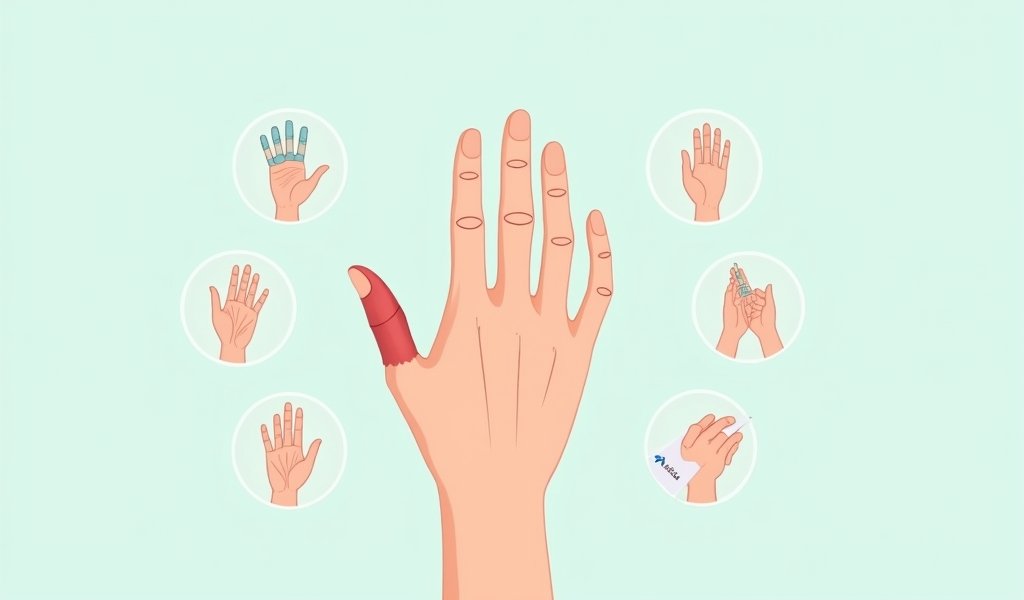
The R.I.C.E. method remains the gold standard for initial sprained finger treatment, and for good reason – it addresses the immediate inflammatory response effectively. This tried-and-true approach should be implemented within the first 24-48 hours after injury.
Rest is crucial. Give your injured finger a break from activities that cause pain or could worsen the injury. This doesn’t mean immobilizing it completely (which can lead to stiffness), but rather avoiding movements that stress the damaged ligaments.
Ice the affected area for 15-20 minutes every 2-3 hours. A simple ice pack wrapped in a thin towel works perfectly. The cold reduces blood flow to the area, which helps minimize swelling and provides natural pain relief. Continue this for the first 48-72 hours after injury.
Compression involves gently wrapping the injured finger with an elastic bandage or medical tape. Be careful not to wrap too tightly – you should never feel numbness, tingling, or see color changes in your fingertip. Proper physical wellness requires balanced approaches to recovery.
Elevation means keeping your hand above heart level when possible. This simple gravitational trick helps reduce swelling by preventing blood from pooling in the injured area. Try propping your hand on pillows while resting or sleeping.
Dr. Elizabeth Warren, sports medicine specialist at the Cleveland Clinic, notes that “proper implementation of R.I.C.E. therapy can reduce recovery time by up to 30% in minor to moderate ligament injuries.” According to research published in the Journal of Athletic Training, early intervention with this method significantly improves outcomes.
While R.I.C.E. addresses the initial inflammatory phase, you’ll need additional strategies as healing progresses. Let’s look at how proper support can accelerate your recovery.
Recovery Method 2: Proper Taping and Splinting Techniques
After the initial swelling subsides, providing proper support to your sprained finger becomes essential for healing. Taping or splinting serves two vital purposes: it limits harmful movements while allowing safe ones, and it provides the stability needed for ligaments to heal correctly.
For a mild to moderate sprain, the “buddy taping” method works wonders. This involves taping the injured finger to an adjacent healthy finger, creating a natural splint. Here’s how to do it properly:
- Place a thin foam pad or gauze between the fingers to prevent skin irritation
- Use medical tape (not duct or masking tape) to secure the fingers together
- Wrap the tape around both fingers at the middle and base, leaving the knuckles free
- Ensure it’s snug but not tight – you should still have some circulation
For more severe sprains, a proper finger splint might be necessary. These can be purchased at pharmacies or medical supply stores. The splint should immobilize the injured joint while allowing non-affected joints to move normally. This selective immobilization prevents the stiffness that comes with complete immobilization.
Dr. James Andrews, renowned orthopedic surgeon, emphasizes that “proper splinting should balance immobilization with functional use – too much restriction can lead to prolonged stiffness, while too little won’t allow proper healing.” This balance is crucial for maintaining holistic wellness during recovery.
How long should you keep the tape or splint on? For mild sprains, 1-2 weeks is typically sufficient. Moderate sprains may require 2-4 weeks, while severe sprains could need 4-6 weeks or longer. Always consult with a healthcare provider for personalized guidance.
Once your finger has adequate support, the next step involves gently reintroducing movement to prevent stiffness – let’s explore those exercises next.
Recovery Method 3: Gentle Mobility Exercises
After the acute phase of injury (typically 3-5 days), gentle mobility exercises become crucial to prevent stiffness and promote healing. The key word here is “gentle” – these exercises should never cause sharp pain, though mild discomfort is normal as you work to restore function.
Begin with simple range-of-motion exercises 2-3 times daily:
- Finger Curls: Slowly bend your finger toward your palm as far as comfortable, hold for 5 seconds, then straighten. Repeat 10 times.
- Finger Extensions: Place your hand palm-down on a flat surface, gently lift the injured finger upward, hold for 5 seconds, then lower. Repeat 10 times.
- Opposition Touches: Gently touch your thumb to each fingertip, including the injured finger (if possible). Repeat 5 times.
As healing progresses, usually around the 7-10 day mark, you can introduce more dynamic exercises:
- Putty Squeezes: Using therapy putty or even a soft stress ball, gently squeeze and release. Start with 5 repetitions and gradually increase.
- Finger Spreads: Place a rubber band around your fingers and gently spread them against the resistance. Start with 5 repetitions.
According to research published in the Journal of Orthopedic & Sports Physical Therapy, early controlled mobilization leads to better outcomes than prolonged immobilization for most ligament injuries. The study found that patients who began appropriate exercises within one week showed 20% faster return to normal activities.
Physical therapist Dr. Michael Clark notes, “The right exercises stimulate blood flow to the injured area, delivering nutrients essential for tissue repair while preventing the formation of restrictive scar tissue.” These movements complement your body’s natural healing process, making them an essential component of your recovery toolkit.
As you rebuild mobility, addressing inflammation naturally can further accelerate your healing journey.
Recovery Method 4: Natural Anti-inflammatory Remedies
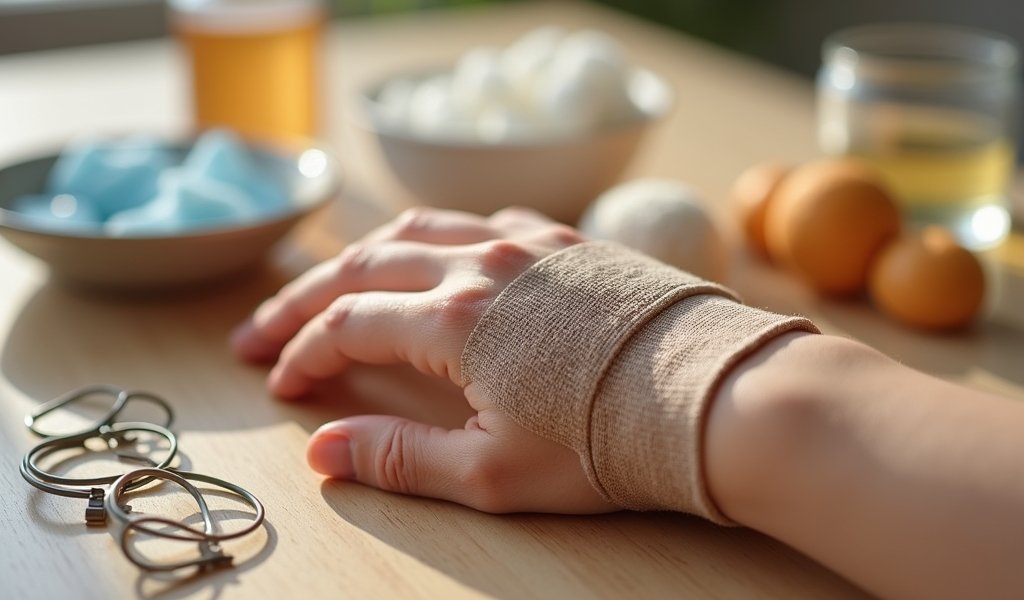
While over-the-counter pain relievers have their place in managing sprained finger symptoms, numerous natural remedies can complement your recovery by reducing inflammation and promoting healing. These approaches support your body’s innate healing mechanisms without unwanted side effects.
Turmeric stands out as nature’s anti-inflammatory powerhouse. The active compound curcumin has been shown to reduce inflammation comparable to some pharmaceutical options. Consider adding 1-2 teaspoons to smoothies, soups, or try a golden milk latte with black pepper (which enhances curcumin absorption).
Omega-3 fatty acids found in fatty fish, flaxseeds, and walnuts help modulate the body’s inflammatory response. A 2017 study in the Journal of Clinical Nutrition found that consistent omega-3 consumption reduced inflammatory markers by up to 22% in patients recovering from soft tissue injuries.
Bromelain, an enzyme found in pineapple, has impressive anti-inflammatory and anti-edema properties. Fresh pineapple or a bromelain supplement (follow package directions) can be particularly effective for reducing swelling. This enzyme works by breaking down proteins that cause fluid retention in damaged tissues.
Proper hydration is also crucial yet often overlooked. Water helps flush inflammatory waste products from tissues and maintains optimal cellular function. Aim for at least 8-10 glasses daily while recovering from any injury.
Tart cherry juice contains powerful antioxidants called anthocyanins that fight inflammation and may reduce pain. A small glass (about 8 oz) twice daily has shown promise in research studies for reducing recovery time in soft tissue injuries.
Remember that these natural approaches complement rather than replace conventional treatment. They’re part of a comprehensive approach to wellness tips that support your body’s healing processes. As inflammation subsides, rebuilding strength becomes your next priority.
Recovery Method 5: Gradual Strength Rebuilding
Once pain and swelling have significantly decreased (typically around the 2-3 week mark for moderate sprains), it’s time to focus on rebuilding strength in the injured finger. This phase is crucial for preventing re-injury and restoring full functionality.
Begin with isometric exercises, which involve applying pressure without movement:
- Table Press: Place your injured finger flat on a table and apply gentle downward pressure for 5-10 seconds. Release and repeat 10 times.
- Finger Press: Press your injured finger against your thumb for 5-10 seconds. Release and repeat 10 times.
As these exercises become comfortable, progress to resistance training:
- Therapy Putty Pinches: Pinch therapy putty between your injured finger and thumb. Hold for 5 seconds, release, and repeat 10 times.
- Rubber Band Extensions: Place a rubber band around all fingertips and spread your fingers against the resistance. Focus on controlled movement of the injured finger.
- Grip Strengthener: Use a grip strengthening device, starting at the lowest resistance setting.
Physical therapist Dr. Sarah Johnson recommends “progressive loading,” where you gradually increase resistance as strength returns. “The key is to challenge the tissue enough to stimulate strength gains without re-injuring it. Think of it as a conversation with your body rather than a demand.”
According to research in the International Journal of Sports Physical Therapy, patients who followed a structured strengthening program showed 40% better outcomes in terms of preventing re-injury compared to those who only did basic recovery.
The timeline for strength rebuilding varies widely based on injury severity. Mild sprains may require just 1-2 weeks of strength work, while severe sprains could need 6-8 weeks or longer. Progress should be steady but patient – pushing too hard too soon can set you back significantly.
While these recovery methods are highly effective, some situations warrant professional medical attention. Let’s identify when you should seek medical care.
When to See a Doctor for Your Sprained Finger
While many finger sprains can be effectively managed at home, certain symptoms signal the need for professional evaluation. Knowing when to seek medical attention can prevent long-term complications and ensure proper healing.
See a healthcare provider immediately if you experience any of these warning signs:
- Severe pain that doesn’t improve with rest and ice after 48 hours
- Significant swelling that extends beyond the injured joint
- Numbness or tingling in the finger
- Inability to bend or straighten the finger at all
- Visible deformity or finger that appears crooked
- Discoloration that seems excessive or spreads up the hand
- Symptoms that worsen rather than gradually improve
Dr. Richard Luo, hand surgery specialist, emphasizes that “what appears to be a simple sprain can sometimes mask a small fracture or tendon injury that requires different treatment.” In fact, studies show that up to 15% of injuries initially self-diagnosed as sprains are later found to be more complex injuries.
Medical evaluation typically involves a physical examination and possibly imaging studies like X-rays to rule out fractures. In some cases, ultrasound or MRI might be needed to assess ligament damage more thoroughly.
For severe sprains (Grade 3), professional treatment options might include custom splinting, physical therapy, or in rare cases, surgical intervention to repair completely torn ligaments. These decisions are best made in consultation with a healthcare professional who specializes in hand injuries.
While recovery is important, prevention is even better. Let’s look at strategies to protect your fingers from future injuries.
Prevention Tips: Keeping Your Fingers Safe
An ounce of prevention truly is worth a pound of cure when it comes to finger sprains. Implementing these practical strategies can significantly reduce your risk of experiencing sprained finger symptoms in the future.
For athletes and those engaging in high-risk activities, proper taping techniques provide valuable support. Pre-emptive buddy taping of previously injured fingers during sports can prevent re-injury by limiting extreme movements while maintaining functionality.
Strengthen your hands and fingers regularly through dedicated exercises. Simple activities like squeezing a stress ball, using grip strengtheners, or practicing finger extensions with resistance bands for just 5 minutes daily can build resilience against injuries.
Proper warming up before activities that stress your hands is crucial yet often overlooked. Gentle finger stretches and progressive loading prepare tissues for more intense demands. Try rotating your wrists, flexing and extending your fingers, and gently pulling each finger for 10-15 seconds.
Be mindful of your technique during sports and daily activities. Many finger sprains occur due to improper form when catching balls, lifting weights, or performing repetitive tasks. Taking a moment to ensure proper mechanics can save weeks of recovery time.
Protective equipment makes a difference. Consider sport-specific gloves for activities like basketball, football, or rock climbing. These specialized gloves provide targeted support to the most vulnerable joints.
Listen to early warning signs. If you notice mild discomfort or stiffness in a finger, address it before it escalates to a full sprain. Taking a short break, applying ice, or modifying your activity can prevent more serious injury.
Maintain adequate vitamin D and calcium levels, as these nutrients support not just bone health but also ligament integrity. A balanced diet rich in anti-inflammatory foods further supports tissue resilience and overall joint health.
Conclusion: Getting Back to Full Finger Function
Recovering from a sprained finger is a journey that requires patience, consistency, and the right approach. By understanding sprained finger symptoms and implementing the five proven recovery methods we’ve discussed – R.I.C.E., proper taping and splinting, gentle mobility exercises, natural anti-inflammatory remedies, and gradual strength rebuilding – you’re setting yourself up for the fastest possible return to normal function.
Remember that healing occurs in stages, and each phase requires different strategies. What works in the first 48 hours differs from what’s needed two weeks later. Trust the process and avoid the common pitfall of returning to full activity too soon.
While it might seem like a minor injury, a properly healed finger sprain means the difference between lingering discomfort and complete recovery. Take the time to heal correctly now, and you’ll thank yourself later.
Have you experienced a finger sprain before? What recovery strategies worked best for you? Share your experiences in the comments below – your insights might help others on their healing journey. And if you found this guide helpful, consider sharing it with friends or family who might benefit from these evidence-based recovery techniques.
For personalized guidance on your specific injury, don’t hesitate to consult with a healthcare professional. Your fingers are essential tools for daily life – they deserve the best care possible!
Frequently Asked Questions
How long does a sprained finger typically take to heal?
Mild sprains (Grade 1) usually heal within 2-3 weeks, while moderate sprains (Grade 2) take 4-6 weeks. Severe sprains (Grade 3) may require 8-12 weeks or longer for complete healing.
Can I still work with a sprained finger?
It depends on your job and which finger is affected. Many office jobs are manageable with proper splinting, but manual labor may need modification or temporary leave during initial healing.
Should I pop the swollen joint in my sprained finger?
No, never attempt to “pop” or manipulate a swollen finger joint. This could worsen the injury by causing further damage to already compromised ligaments.
Is heat or ice better for a sprained finger?
Ice is better for the first 48-72 hours to reduce swelling and inflammation. After that initial period, gentle heat can help increase blood flow and promote healing.
Can a sprained finger heal without treatment?
Minor sprains may heal on their own, but proper treatment speeds recovery and reduces the risk of long-term stiffness or weakness. Moderate to severe sprains definitely require appropriate care for optimal healing.