

Overview
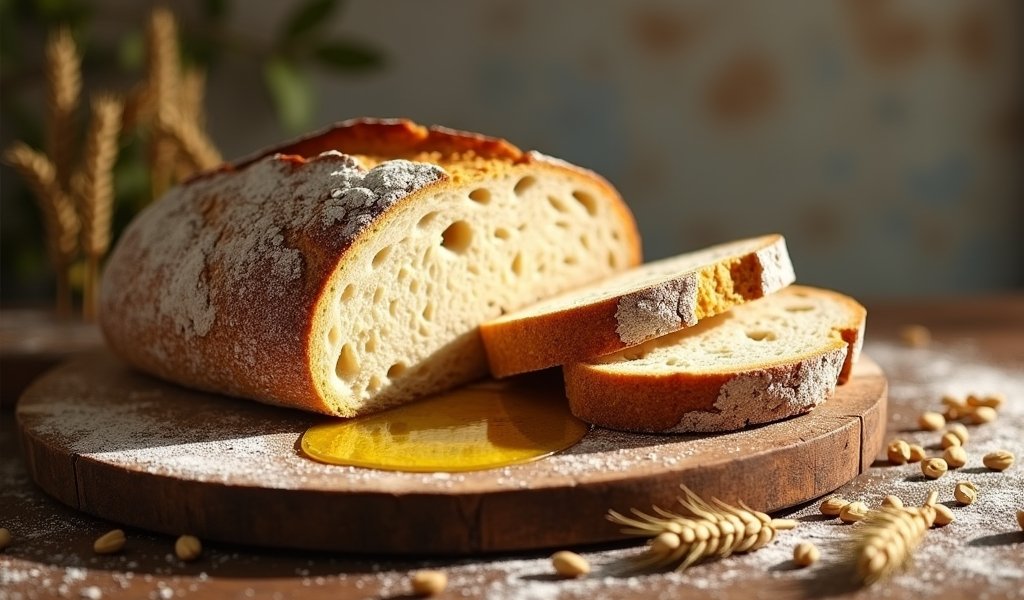
Sourdough bread offers five significant health advantages over conventional bread: improved digestion, better blood sugar control, enhanced nutrient availability, reduced gluten sensitivity response, and prebiotic benefits for gut health. The ancient fermentation process transforms regular flour through the action of beneficial bacteria and wild yeast, creating a more nutritious bread option that can be made at home with a simple starter of flour and water.
Table of Contents
- Introduction to Sourdough Bread Nutrition
- Benefit 1: Improved Digestion and Gut Health
- Benefit 2: Better Blood Sugar Control
- Benefit 3: Enhanced Nutrient Availability
- Benefit 4: Lower Gluten Sensitivity Response
- Benefit 5: Prebiotic Benefits for Microbiome Health
- Making Sourdough at Home
- Conclusion
- Frequently Asked Questions
Introduction to Sourdough Bread Nutrition
The tangy aroma of freshly baked sourdough bread isn’t just a treat for your senses—it’s the sign of something truly remarkable happening in your kitchen. As a nutritionist who’s spent years studying the impact of fermented foods on health, I’m genuinely excited to share how sourdough bread nutrition stands apart from conventional bread options.
Sourdough bread has experienced a renaissance in recent years, and it’s not just because of its distinctive flavor profile. The ancient fermentation process that creates sourdough does something magical to the nutritional properties of bread, transforming a simple loaf into something with genuine health benefits.
What makes sourdough special? Unlike commercial breads made with quick-rising commercial yeast, traditional sourdough undergoes a slow fermentation process using naturally occurring wild yeast and lactic acid bacteria. This process creates a bread that’s not only delicious but also offers tangible health advantages that other fitness-friendly breads often can’t match.
The science behind sourdough nutrition is fascinating. During fermentation, beneficial bacteria pre-digest the flour, breaking down proteins and carbohydrates that can be problematic for some people. The result? A bread that’s often more digestible and nutritionally accessible than its conventional counterparts.
Let’s dive into the five research-backed benefits that make sourdough worthy of consideration in your healthy eating plan. I think you’ll be pleasantly surprised by what this ancient bread has to offer your modern diet.
Benefit 1: Improved Digestion and Gut Health
Have you ever noticed how some breads leave you feeling bloated and uncomfortable, while sourdough seems gentler on your system? There’s solid science behind this observation.
The lengthy fermentation process that defines sourdough bread creates organic acids that partially break down proteins and carbohydrates before the bread even reaches your digestive system. This pre-digestion process means your body doesn’t have to work as hard, potentially reducing digestive discomfort for many people.
According to research published in the journal Nutrients, the lactic acid bacteria in sourdough starter produce enzymes that break down fructans—carbohydrates that can trigger digestive issues in sensitive individuals. For those who experience mild digestive discomfort with regular bread but don’t have celiac disease, sourdough may offer a more comfortable alternative.
The organic acids produced during fermentation also create an environment that inhibits the growth of harmful bacteria while promoting beneficial microbes. This contributes to a healthier gut microbiome—the community of beneficial bacteria that influences everything from digestion to immune function.
Many of my clients report that switching to properly fermented sourdough bread has helped alleviate symptoms like bloating and discomfort that they previously associated with all bread products. While individual experiences vary, this benefit alone makes sourdough worth considering for anyone with sensitive digestion.
Benefit 2: Better Blood Sugar Control
If you’re watching your blood sugar levels, sourdough bread nutrition offers a notable advantage over most commercial breads. The fermentation process fundamentally changes how your body processes the carbohydrates in bread, potentially leading to more stable blood sugar responses.
During sourdough fermentation, the beneficial bacteria consume some of the bread’s simple sugars and produce organic acids. These changes lower the glycemic index of sourdough bread compared to non-fermented breads made from the same flour.
A study published in the British Journal of Nutrition found that participants who ate sourdough bread experienced a lower blood glucose response compared to when they consumed bread made with baker’s yeast. The researchers attributed this effect to the organic acids produced during fermentation, which slow down the rate at which starch is digested.
What does this mean practically? When you eat properly fermented sourdough, your blood sugar is less likely to spike dramatically and then crash, potentially helping you maintain more consistent energy levels throughout the day. This steadier blood sugar response may be particularly beneficial for those managing diabetes or trying to prevent blood sugar-related health issues.
I’ve seen this benefit firsthand with clients who monitor their glucose levels. Many report that properly fermented sourdough produces a gentler blood sugar response than other bread types, allowing them to enjoy bread without the energy fluctuations they experience with conventional options.
If you’re incorporating bread into a Mediterranean diet breakfast or any balanced meal plan, sourdough’s lower glycemic impact makes it a thoughtful choice for maintaining steady energy throughout your day.
Benefit 3: Enhanced Nutrient Availability
One of the most fascinating aspects of sourdough bread nutrition is how the fermentation process makes nutrients more bioavailable—meaning your body can actually absorb and use more of the good stuff naturally present in the grain.
The phytic acid naturally present in grains acts as an “anti-nutrient” by binding to minerals like iron, zinc, magnesium, and calcium, preventing your body from absorbing them efficiently. During sourdough fermentation, lactic acid bacteria produce the enzyme phytase, which breaks down phytic acid significantly.
Research from the Journal of Agricultural and Food Chemistry demonstrates that properly fermented sourdough bread can reduce phytic acid by up to 70%. This reduction means more minerals become available for absorption when you eat sourdough compared to conventional bread.
The sourdough fermentation process also increases the folate content of bread. Folate (vitamin B9) is essential for cell function and tissue growth, particularly important for pregnant women and those with certain genetic variations affecting folate metabolism.
Additionally, the bacterial activity during fermentation creates new compounds that weren’t in the original flour. Some strains of lactic acid bacteria can synthesize B vitamins, contributing to sourdough’s nutritional profile in ways that go beyond what’s in the starting ingredients.
For those looking to maximize the nutritional value of the bread in their diet, properly fermented sourdough offers a clear advantage. It’s not just about what nutrients are present in the bread—it’s about how many of those nutrients your body can actually use.
Benefit 4: Lower Gluten Sensitivity Response
Let me be clear right from the start: sourdough bread is NOT gluten-free unless it’s specifically made with gluten-free flours. If you have celiac disease, traditional wheat sourdough is still not suitable for you. That said, the fascinating changes that occur during sourdough fermentation may make it more tolerable for those with mild gluten sensitivity.
During the extended fermentation period, sourdough’s lactic acid bacteria and wild yeasts partially break down gluten proteins. This partial degradation of gluten creates shorter protein fragments that may be less likely to trigger sensitivity responses in some individuals.
A small study published in the Journal of Applied Microbiology found that when wheat flour was fermented with specific sourdough cultures for an extended period, the resulting bread had significantly lower gluten content. Some participants with non-celiac gluten sensitivity reported fewer symptoms after consuming properly fermented sourdough compared to conventional bread.
I’ve worked with numerous clients who find they can enjoy authentic, long-fermented sourdough without the digestive distress or inflammation they experience with regular bread. While this isn’t true for everyone with gluten sensitivity, it demonstrates how the fermentation process transforms more than just flavor.
If you have mild gluten sensitivity (not celiac disease), you might consider experimenting with authentic sourdough bread from a bakery that uses traditional, long fermentation methods. Pay attention to how your body responds, and always consult with your healthcare provider before reintroducing any foods you’ve previously eliminated due to sensitivities.

Benefit 5: Prebiotic Benefits for Microbiome Health
The sourdough fermentation process creates something magical that goes beyond basic nutrition—it generates compounds that act as food for your beneficial gut bacteria. These compounds, known as prebiotics, are one of the most exciting aspects of sourdough bread nutrition for anyone interested in gut health.
During fermentation, the bacteria and yeasts in sourdough starter break down complex carbohydrates in the flour, creating various types of resistant starch and prebiotic fiber. Unlike regular starches that get fully digested in your small intestine, resistant starch passes through to your large intestine where your beneficial gut bacteria feast on it.
When your gut bacteria metabolize these prebiotics, they produce short-chain fatty acids (SCFAs) like butyrate, which nourishes the cells lining your colon and helps regulate inflammation throughout your body. This process is one reason why a thriving gut microbiome is linked to better overall health.
Research from Food Microbiology suggests that the specific strains of lactic acid bacteria in sourdough cultures may contribute to increased microbial diversity in the gut—a key marker of microbiome health.
The prebiotic benefits of sourdough fit perfectly into Mediterranean recipes and eating patterns that emphasize fermented foods and gut health. Including sourdough alongside other fermented foods like yogurt and olive oil creates a synergistic effect that supports your microbiome in multiple ways.
For my clients focused on optimizing gut health, properly fermented sourdough often becomes a staple that complements their other dietary choices, providing prebiotics that help their beneficial bacteria thrive.
Making Sourdough at Home
Creating your own sourdough at home connects you with a tradition thousands of years old while giving you complete control over ingredients and fermentation times. While it takes practice to master, the process is deeply satisfying and allows you to maximize the nutritional benefits we’ve discussed.
To start your sourdough journey, you’ll need to create a starter—a mixture of flour and water that captures wild yeast and beneficial bacteria from your environment. This living culture becomes the heart of your sourdough bread, providing both leavening power and those wonderful health benefits.
Here’s a simplified approach to making your first sourdough starter:
- Mix equal weights of whole grain flour and filtered water in a glass container
- Cover loosely and let sit at room temperature for 24 hours
- Discard half the mixture and feed with fresh flour and water daily
- Within 5-10 days, your starter should become bubbly and have a pleasant, tangy smell
- Once active, you can use it to make bread and maintain it with regular feedings
For maximum nutritional benefits, longer fermentation times are key. Many artisan bakers allow their dough to ferment for 12-24 hours or even longer. This extended time allows the bacterial cultures to work their magic on the flour’s proteins, starches, and anti-nutrients.
If you’re new to bread making, don’t be discouraged by early results. Sourdough is as much art as science, and each loaf teaches you something. The journey of creating increasingly nutritious and delicious bread is worth the occasional flat loaf or dense crumb that happens along the way.
Remember that the quality of flour matters tremendously for both nutrition and flavor. Consider using organic, stone-ground flours that retain more of the grain’s natural nutrients. Many home bakers eventually experiment with ancient grain varieties like spelt, einkorn, or emmer, which add interesting flavors and nutritional profiles to your sourdough repertoire.
Conclusion
The benefits of sourdough bread nutrition extend far beyond its delicious taste and satisfying texture. From improved digestion and better blood sugar control to enhanced nutrient availability, reduced gluten sensitivity responses, and prebiotic benefits for gut health, sourdough offers advantages that conventional bread simply cannot match.
What makes sourdough truly special is that these benefits don’t come from adding artificial ingredients or removing important components—they come from transforming natural ingredients through a time-honored fermentation process. The sourdough method enhances what’s already in the grain rather than depleting it.
If you’re considering incorporating sourdough into your diet, look for authentic versions from artisan bakeries that use traditional fermentation methods, or better yet, embark on the rewarding journey of making your own. True sourdough doesn’t contain commercial yeast or artificial additives—just flour, water, salt, and time.
I encourage you to experience the difference that proper fermentation makes, both in flavor and how your body responds. Start by replacing your regular bread with authentic sourdough once or twice a week, and pay attention to how you feel. You might discover, as many of my clients have, that bread can be both a pleasure and a nutritious addition to your balanced diet.
Ready to take your health journey further? Try making your own sourdough starter this weekend! It’s a simple project that connects you with food traditions while potentially improving your nutrition. Your gut microbiome—and your taste buds—will thank you.
Frequently Asked Questions
Is sourdough bread actually healthier than regular bread?
Yes, properly fermented sourdough bread typically offers better digestibility, improved nutrient availability, and lower glycemic impact compared to regular bread. The fermentation process creates beneficial compounds not found in conventional bread.
Is sourdough bread good for weight loss?
Sourdough bread can be part of a weight management plan due to its lower glycemic impact and improved satiety compared to regular bread. However, portion control remains important as it still contains calories.
Can diabetics eat sourdough bread?
Many diabetics find that authentic sourdough bread produces a gentler blood sugar response than regular bread. Monitor your individual glucose response, as effects vary between people and different sourdough preparations.
How can I tell if store-bought sourdough is authentic?
Authentic sourdough should have a short ingredient list: just flour, water, salt, and possibly a starter culture. Avoid products containing commercial yeast, added sugars, or preservatives that indicate a shortened fermentation process.
Does toasting sourdough bread affect its nutritional benefits?
Toasting doesn’t significantly reduce sourdough’s nutritional benefits like improved mineral availability and prebiotic compounds. Some people with mild sensitivities may find toasted sourdough even more digestible than untoasted.