
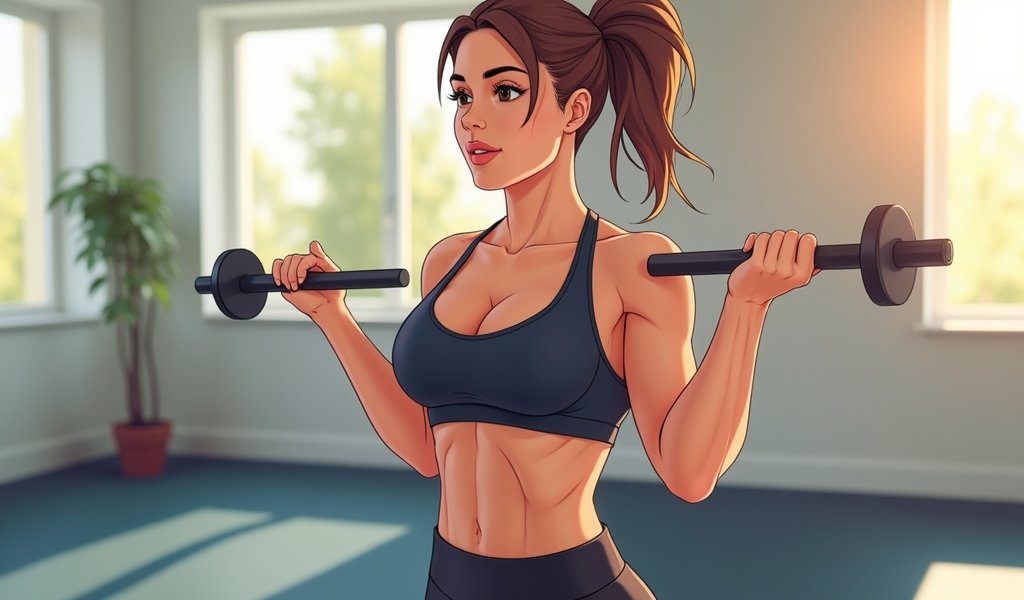
Overview
This article outlines five key exercises to combat breast sagging: modified push-ups, dumbbell chest press, dumbbell chest fly, wall presses, and plank rotations, explaining how strengthening the pectoral muscles can create a lifted appearance without changing breast tissue itself. It emphasizes that while exercise cannot reverse all natural changes from aging or pregnancy, a consistent routine combined with proper lifestyle habits—including good posture, proper bra support, hydration, nutrition, sun protection, and avoiding smoking—offers an effective approach to improving breast firmness and overall confidence.
Table of Contents
- Understanding Breast Sagging: Why It Happens
- Benefits of Chest Exercises for Breast Firmness
- Exercise 1: Modified Push-Ups for Chest Strength
- Exercise 2: Dumbbell Chest Press for Upper Body Toning
- Exercise 3: Dumbbell Chest Fly for Outer Pectoral Muscles
- Exercise 4: Wall Presses for Beginners
- Exercise 5: Plank Rotations for Core and Chest
- Creating Your Breast-Firming Exercise Routine
- Additional Lifestyle Tips for Breast Health
- Conclusion: Embracing Confidence Through Exercise
- Frequently Asked Questions
Understanding Breast Sagging: Why It Happens
Breast sagging (ptosis) is as natural as laugh lines appearing around your eyes – simply part of the beautiful journey of womanhood. Like autumn leaves gradually changing color, our breasts transform over time due to various factors. As a women’s health specialist with over a decade of experience, I’ve helped countless women navigate this normal bodily change while maintaining their confidence and physical well-being.
Think of your breasts as delicate water balloons suspended by Cooper’s ligaments – these fibrous bands stretch over time like an old elastic band that’s lost its snap. When gravity keeps pulling downward day after day, year after year, these ligaments gradually elongate, leading to sagging boobs. It’s a bit like what happens to a once-perky soufflé as it cools – natural, expected, and nothing to be ashamed of.
Several factors accelerate breast sagging beyond the inevitable march of time. Pregnancy and breastfeeding resemble a temporary inflation-deflation cycle that tests tissue elasticity. Significant weight fluctuations can stretch breast tissue like a rubber band that’s been pulled too many times. Genetics plays its part too – if your mother experienced early sagging, your breasts may follow a similar timeline (thanks for that inheritance, Mom!).
Poor posture is another culprit – imagine your breasts as front-loading washing machines that aren’t properly balanced. When you slouch forward, you’re essentially giving gravity an unfair advantage in the tug-of-war with your chest muscles. And let’s not forget the impact of smoking, which restricts blood flow and breaks down elastin, making your breast tissue about as resilient as a chocolate teapot in summer.
While sagging boobs are completely normal, many women seek natural ways to improve their breast appearance and confidence. The good news? Your chest muscles (pectorals) form a supportive foundation beneath your breast tissue. Strengthening these muscles won’t magically transform your breasts into their 20-year-old selves, but they can provide a more lifted appearance – think of it as installing a stronger shelf for your natural assets.
Benefits of Chest Exercises for Breast Firmness
Before we dive into specific exercises, let’s understand why chest workouts deserve a spot in your fitness routine if you’re concerned about sagging boobs. While no exercise can physically lift breast tissue (which is primarily fat), strengthening the pectoral muscles underneath can create a firmer foundation, giving the illusion of perkier breasts – similar to how a good foundation improves a home’s appearance without changing the structure itself.
The relationship between your pectoral muscles and breast appearance is like the relationship between a good sports bra and jogging comfort – one supports the other. When your chest muscles tone up, they become more defined and create a lifting effect beneath your breast tissue. This muscular development can enhance your décolletage area and improve the overall aesthetic of your chest.
Beyond appearance, chest exercises offer functional benefits that extend well beyond aesthetics. Strong pectoral muscles improve posture (remember our washing machine analogy?), making you stand taller and naturally positioning your chest in a more flattering way. This postural improvement alone can make your breasts appear more lifted without any change to the actual breast tissue.
Chest exercises also enhance your overall upper body strength, making everyday activities easier – from carrying groceries to picking up children. As one of my clients humorously put it, “I started doing chest exercises to fight gravity, but now I can also open stubborn pickle jars!” Plus, research shows that resistance training improves body image and confidence regardless of physical changes, creating a positive psychological effect that radiates through your entire self-perception.
The exercises I’m about to share have been carefully selected based on their effectiveness, accessibility for beginners, and ability to target the pectoral muscles from multiple angles. They’re like a well-rounded team of superheroes, each with their unique strength in the battle against breast sagging.
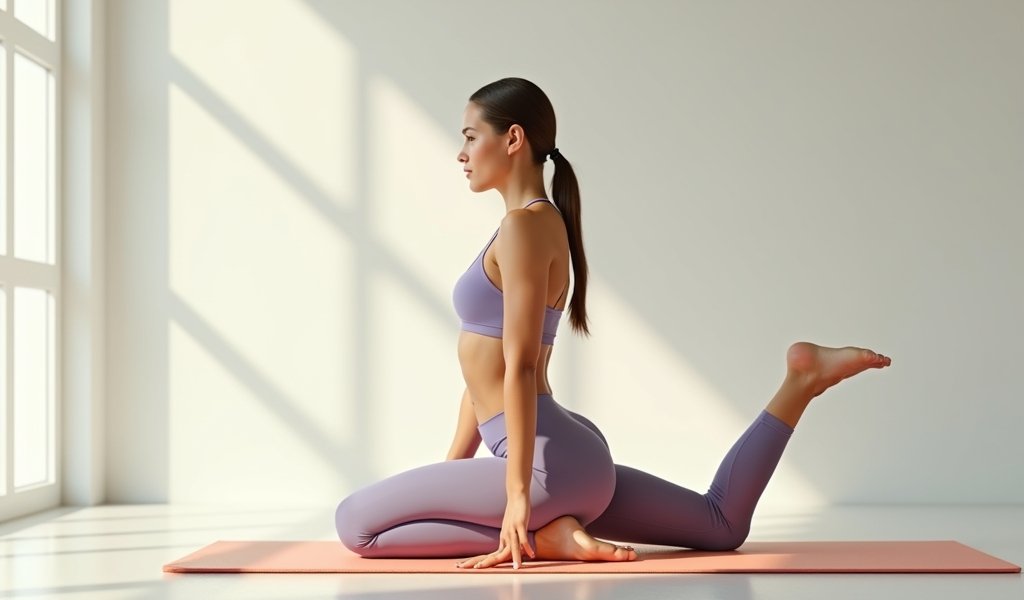
Exercise 1: Modified Push-Ups for Chest Strength
Push-ups are the quintessential chest exercise – the “bread and butter” of pectoral workouts if you will. But unlike the military-style push-ups that might haunt your high school memories, we’ll focus on modified versions that remain accessible while effectively targeting the chest muscles that support your breasts.
Think of push-ups as nature’s perfect chest press – they engage multiple muscles simultaneously while requiring zero equipment. Your body weight provides natural resistance, making this exercise both effective and convenient. The beauty of push-ups lies in their versatility – they can be modified to match any fitness level, from complete beginner to advanced athlete.
Wall Push-Ups (Beginner Level)
If you’re new to chest exercises or returning after a long break, wall push-ups offer the perfect entry point:
- Stand facing a wall at arm’s length distance
- Place your palms flat against the wall at shoulder height, slightly wider than shoulder-width apart
- Keep your body in a straight line from head to heels (imagine a plank position, but vertical)
- Bend your elbows to bring your chest toward the wall
- Push back to the starting position
- Complete 10-15 repetitions for 2-3 sets
Incline Push-Ups (Intermediate Level)
Once wall push-ups feel manageable, graduate to incline push-ups using a sturdy surface like a counter, desk, or bench:
- Place your hands on the elevated surface, slightly wider than shoulder-width apart
- Step your feet back to create a straight line from head to heels
- Lower your chest toward the surface by bending your elbows
- Push back up to starting position
- Complete 10-12 repetitions for 2-3 sets
The key to effective push-ups isn’t quantity but quality. Keep your core engaged (imagine pulling your belly button toward your spine), and focus on the sensation in your chest muscles. If you feel the exercise primarily in your arms or shoulders, adjust your hand position or form.
One client of mine, a 42-year-old mother of three, started with just five wall push-ups and eventually progressed to full push-ups over six months. “I feel like my entire upper body has been renovated,” she told me. “My breasts might not be where they were at 20, but the improved muscle tone has definitely made a difference in how my clothes fit.”
Exercise 2: Dumbbell Chest Press for Upper Body Toning
If push-ups are the bread and butter of chest exercises, the dumbbell chest press is the gourmet sandwich – targeted, effective, and easily customizable to your specific needs. This exercise directly targets the pectoral muscles supporting your breast tissue, creating that coveted lifted appearance while building functional upper body strength.
Think of the chest press as installing an upgraded support system beneath your breast tissue. By strengthening the pectoral muscles, you create a firmer foundation that can give sagging boobs a visual lift. While no exercise can physically move breast tissue (that’s what surgical procedures do), a strong chest can certainly improve your overall silhouette.
How to Perform the Dumbbell Chest Press:
- Lie on your back on a flat bench or stability ball (or even the floor if you’re just starting)
- Hold a dumbbell in each hand with palms facing forward
- Position the weights at chest level, elbows bent at approximately 90 degrees
- Press the weights upward until your arms are extended (but not locked)
- Slowly lower the weights back to the starting position, feeling the stretch across your chest
- Complete 10-12 repetitions for 3 sets
For beginners, start with lightweight dumbbells (2-5 pounds) or even water bottles from your kitchen. The goal is proper form first, weight second – like learning to drive before entering a race. As one of my clients cleverly put it, “I started with soup cans and worked my way up to actual weights. My groceries now double as fitness equipment!”
The chest press offers variations to target different areas of the chest muscles. An incline chest press (with your head higher than your hips) focuses more on the upper chest, while a decline position (head lower than hips) emphasizes the lower chest muscles. Rotating through these variations provides comprehensive chest development – like giving your pectoral muscles a 360-degree workout.
According to research in the Journal of Strength and Conditioning Research, exercises that activate the pectoral muscles effectively not only improve appearance but can enhance posture and reduce shoulder pain – a welcome bonus beyond aesthetic benefits.
Exercise 3: Dumbbell Chest Fly for Outer Pectoral Muscles
If the chest press is a direct approach to pectoral strength, consider the dumbbell fly its elegant, refined cousin. This movement specifically targets the outer fibers of your chest muscles, creating that beautiful contour that gives your décolletage area definition and helps combat the appearance of sagging boobs from the sides.
The chest fly feels like giving your chest muscles a big, expansive hug before drawing everything back to center. This stretching and contracting motion is particularly effective for the outer chest, which plays a crucial role in breast appearance from all angles. Think of it as sculpting the frame that holds your natural assets.
How to Perform the Dumbbell Chest Fly:
- Lie on your back on a flat bench, stability ball, or mat
- Hold dumbbells above your chest with palms facing each other
- Slightly bend your elbows (and maintain this bend throughout)
- Open your arms out to the sides in a wide arc, feeling a stretch across your chest
- Stop when your arms are parallel to the floor (or when you feel a comfortable stretch)
- Bring the weights back together above your chest, squeezing your pectoral muscles
- Complete 10-12 repetitions for 3 sets
The chest fly requires lighter weights than the chest press – this isn’t about brute strength but controlled movement and muscle activation. Imagine you’re hugging a large beach ball and then slowly letting it expand your arms before embracing it again. This visualization helps maintain the proper arc-like movement pattern.
For beginners, I often suggest starting with “floor flys” where your range of motion is naturally limited by the floor. This prevents over-stretching while you build control and strength. As Sarah, a 50-year-old client, told me: “The chest fly made me feel muscles I didn’t know existed! After six weeks, I noticed my breasts looked more ‘gathered’ even in a simple T-shirt.”
The beauty of the chest fly lies in its adaptability. As you progress, you can perform this exercise on an incline bench to target the upper chest more specifically, or incorporate it into a comprehensive chest routine that attacks sagging from multiple angles. The key is maintaining that controlled arc movement rather than simply moving the weights up and down.
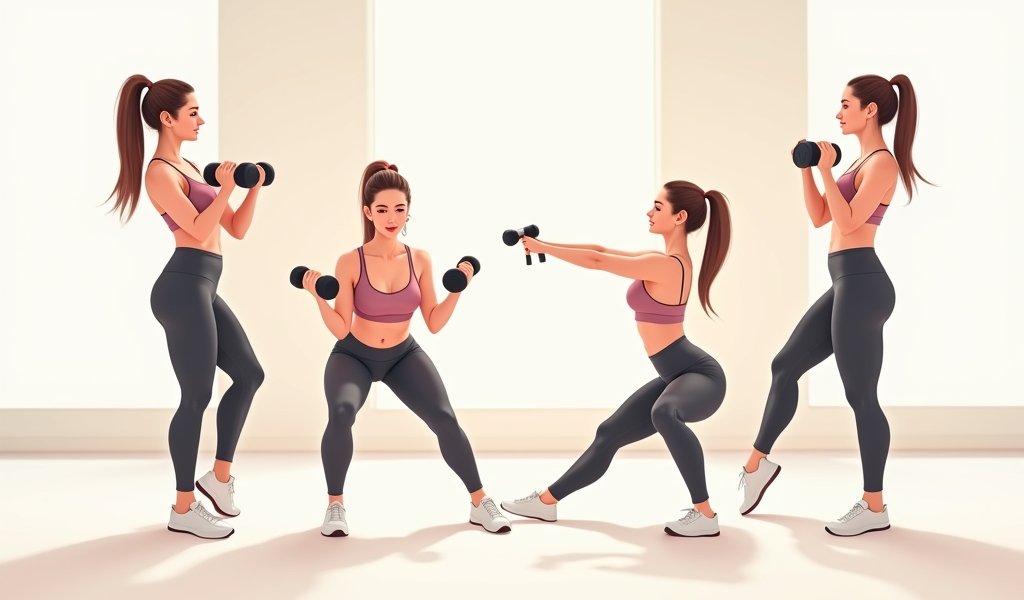
Exercise 4: Wall Presses for Beginners
Wall presses might sound simple, but don’t let their accessibility fool you – they’re a powerhouse exercise for addressing sagging boobs, particularly for beginners or those returning to fitness after a break. They’re like the friendly neighbor of chest exercises – approachable, helpful, and surprisingly effective when you get to know them.
Think of wall presses as push-ups with training wheels – they allow you to build chest strength with minimal joint stress while maintaining perfect form. The wall provides stable feedback, helping you feel exactly which muscles should be working (your chest) and which shouldn’t (your neck and lower back).
How to Perform Wall Presses:
- Stand facing a wall at arm’s length
- Place your palms flat against the wall at chest height, slightly wider than shoulder-width apart
- Step back slightly, keeping your body in a straight line from head to heels
- Bend your elbows to bring your chest toward the wall, keeping elbows at approximately 45 degrees from your body
- Push back to the starting position, focusing on squeezing your chest muscles
- Complete 12-15 repetitions for 3 sets
The brilliance of wall presses lies in their versatility and progression options. To increase difficulty, simply step farther away from the wall – the more horizontal your body becomes, the more challenging the exercise. It’s like gradually adjusting the difficulty slider on your favorite game.
I’ve had clients incorporate wall presses into their daily routines in creative ways. Janet, a busy executive in her 40s, performs a quick set while waiting for her morning coffee to brew. “It’s 60 seconds that wake up my chest muscles and remind me to maintain good posture throughout the day,” she explains. “After three months, I noticed my bras fitting differently – in a good way!”
Wall presses also serve as an excellent technique-building exercise before progressing to more challenging chest movements. By mastering the movement pattern against a stable surface, you develop the muscle memory needed for effective push-ups, chest presses, and other pectoral exercises in your breast-firming arsenal.
For an extra challenge, try wall presses with a small squeeze ball between your palms. This addition activates the chest’s inner fibers, creating more comprehensive muscle development. As studies have shown, even low-intensity resistance exercises can produce significant improvements in muscle tone when performed correctly and consistently.
Exercise 5: Plank Rotations for Core and Chest
Plank rotations are the multitaskers of our breast-firming exercise lineup – they simultaneously strengthen your chest, shoulders, and core while challenging your balance and coordination. This compound movement delivers more bang for your buck than isolated exercises, making it perfect for busy women looking to maximize their workout efficiency.
Think of plank rotations as a dynamic chest exercise disguised as a core workout. While in plank position, the rotation element creates resistance against which your pectoral muscles must work, effectively combating sagging boobs while also sculpting your waistline. It’s like getting a two-for-one special at your favorite store – chest and core benefits in a single exercise.
How to Perform Plank Rotations:
- Start in a high plank position (arms extended, hands beneath shoulders, body forming a straight line)
- Keeping your core engaged, shift your weight onto your left arm
- Rotate your torso to the right, extending your right arm toward the ceiling
- Feel the stretch and engagement across your chest and core
- Return to the plank position and repeat on the opposite side
- Alternate sides for 5-8 repetitions each (10-16 total)
- Complete 2-3 sets
For beginners, this exercise can be modified by performing it from the knees instead of the toes, or by reducing the rotation range. As you build strength, focus on extending the hold at the top of each rotation to maximize muscle activation. One of my clients describes the sensation as “feeling like your chest muscles are having a productive conversation with your core.”
The rotational component of this exercise adds a unique benefit – it helps address the lateral sides of the chest, areas that contribute significantly to the appearance of sagging. By strengthening these often-neglected muscle fibers, you create more comprehensive chest development for a balanced, lifted appearance.
Lisa, a 55-year-old client, incorporated plank rotations into her routine three times weekly and noticed changes beyond just her chest. “My posture improved dramatically,” she reported. “I stand taller now, which automatically makes my chest look more lifted. Plus, my arms look more toned – an unexpected bonus that makes me feel confident in sleeveless tops again.”
Research from the American College of Sports Medicine confirms that multi-joint exercises like plank rotations recruit more muscle fibers than isolated movements, potentially leading to greater overall strength gains and more efficient workouts. When addressing sagging boobs, this comprehensive approach yields better results than focusing solely on the chest.
Creating Your Breast-Firming Exercise Routine
Now that you’re familiar with these powerful chest-strengthening exercises, let’s discuss how to combine them into an effective routine for addressing sagging boobs. Creating a sustainable exercise plan is like crafting a recipe – the right ingredients in the right proportions yield the best results.
For beginners, start with two dedicated chest workouts per week, allowing at least 48 hours between sessions for muscle recovery. Your chest muscles are like gardens that need time to grow after being tended – the actual strengthening happens during recovery, not during the exercise itself. A sample beginner routine might include:
Beginner Routine (Twice Weekly):
- Wall Push-Ups: 2 sets of 12 repetitions
- Wall Presses: 2 sets of 15 repetitions
- Modified Plank Rotations (from knees): 2 sets of 8 each side
- Rest 30-60 seconds between exercises
As you build strength over 4-6 weeks, progress to an intermediate routine that incorporates more challenging variations:
Intermediate Routine (2-3 Times Weekly):
- Incline Push-Ups: 3 sets of 10 repetitions
- Dumbbell Chest Press: 3 sets of 12 repetitions
- Dumbbell Chest Fly: 3 sets of 10 repetitions
- Plank Rotations: 3 sets of 10 each side
- Rest 45-60 seconds between exercises
For optimal results, combine your chest-focused exercises with a well-rounded fitness routine that includes cardiovascular exercise (which helps maintain healthy body composition) and exercises for other major muscle groups. Balance is key – just as a symphony needs various instruments, your body needs various movement types.
Track your progress not just through measurements or appearance, but also through functional improvements. Can you perform more repetitions? Have you increased your weights? Are everyday tasks like carrying groceries or lifting children becoming easier? These functional victories are often more reliable indicators of progress than appearance alone.
Remember that consistency trumps intensity when it comes to addressing sagging boobs through exercise. As I often tell my clients, “It’s better to do 15 minutes three times a week without fail than to do a two-hour marathon session once a month.” Your chest muscles respond to regular, consistent stimulation – think of it as having frequent, meaningful conversations with your body rather than occasional shouting matches.
Additional Lifestyle Tips for Breast Health
While targeted exercises form the foundation of your strategy against sagging boobs, several lifestyle factors can either support or undermine your efforts. Think of these as the supporting actors that help your exercise routine (the star) shine even brighter.
Proper bra support is non-negotiable, especially during exercise. A well-fitted sports bra reduces the strain on Cooper’s ligaments by limiting breast movement – like shock absorbers protecting your car’s suspension system. Studies suggest that breasts can move up to 8 inches during high-impact activity without proper support, accelerating sagging. Get professionally fitted annually, as bra size fluctuates with weight changes and aging.
Hydration plays a surprising role in skin elasticity, including the skin supporting your breasts. When adequately hydrated, your skin maintains greater elasticity and resilience – imagine the difference between a plump grape and a dried raisin. Aim for at least 64 ounces of water daily, more if you’re active or in hot climates.
Your nutrition choices significantly impact skin health and overall body composition, both relevant to breast appearance. Include plenty of antioxidant-rich foods (colorful fruits and vegetables), lean protein (the building blocks for tissue repair), and healthy fats (especially omega-3s) which support skin elasticity. As one nutritionist client eloquently put it, “Feed your body like you’re nourishing a garden, not just filling a gas tank.”
Posture awareness extends the benefits of your chest-strengthening exercises throughout the day. Practice “breast-proud” posture: shoulders back, spine tall, chest open. This positioning not only creates the visual impression of more lifted breasts but also engages your chest muscles isometrically throughout the day – like a constant, gentle chest workout.
Sun protection deserves special mention, as UV damage accelerates the breakdown of collagen and elastin in breast skin. The décolletage area is particularly vulnerable as it’s often exposed yet frequently forgotten in sunscreen application. Think of sunscreen as preventative medicine for your skin’s structural support system – apply SPF 30+ to any exposed chest area year-round.
Smoking cessation offers dramatic benefits for breast appearance and overall health. Beyond its numerous health risks, smoking restricts blood flow and breaks down elastin, accelerating sagging. The improvement in skin elasticity after quitting can be significant – many former smokers report visible changes in skin quality within weeks of quitting.
Conclusion: Embracing Confidence Through Exercise
The journey to addressing sagging boobs through exercise isn’t just about physical transformation – it’s about reclaiming confidence and embracing your body at every stage of life. Like a tree strengthening its trunk to better display its beautiful foliage, your chest muscles provide the foundation that allows you to carry your natural assets with pride.
The five exercises we’ve explored – modified push-ups, dumbbell chest presses, chest flys, wall presses, and plank rotations – offer a comprehensive approach to strengthening the pectoral muscles that support your breast tissue. By incorporating these movements into your regular fitness routine, you’re taking proactive steps toward both aesthetic improvement and functional strength.
Remember that consistency trumps perfection. Small, sustainable actions accumulated over time yield far greater results than sporadic intense efforts. Your body responds to the regular language of movement – speak to it consistently through these exercises, and it will answer with improved strength, posture, and appearance.
While exercise cannot reverse all the natural changes that come with aging, pregnancy, or significant weight fluctuations, it remains one of the most effective natural approaches to improving breast appearance. Combined with the lifestyle factors we’ve discussed – proper support, hydration, nutrition, posture awareness, sun protection, and avoiding smoking – you’re creating an environment where your body can present its best self.
As a health professional who has guided thousands of women through similar journeys, I can attest that the confidence gained through taking control of your physical well-being often transcends any visual changes. The empowerment that comes from strengthening your body – feeling capable, strong, and proactive about your health – radiates through every aspect of your life.
Embrace this journey with patience and self-compassion. Your body has carried you through every moment of your life – through joys, challenges, perhaps pregnancy and childbirth – and deserves to be approached with kindness rather than criticism. The goal isn’t perfection but progress, not transformation but enhancement of your natural beauty.
Start today with even one exercise from this guide. Your future self will thank you not just for how you’ll look, but for how you’ll feel – strong, confident, and empowered in the body that is uniquely yours.
Frequently Asked Questions
Can exercises completely prevent or reverse breast sagging?
Exercise cannot completely prevent or reverse sagging as breast tissue itself doesn’t contain muscle. However, strengthening the underlying pectoral muscles can improve chest appearance and provide a visual lifting effect.
How soon will I see results from these chest exercises?
Most women notice improved posture within 2-3 weeks and visual changes in chest appearance after 6-8 weeks of consistent training. Muscle development requires regular exercise and adequate recovery time.
Do I need special equipment for these breast-firming exercises?
Most exercises can be performed with minimal equipment – just a pair of light dumbbells and a mat. Wall presses and modified push-ups require no equipment at all, making them perfect for beginners.
Is it normal for breasts to sag after pregnancy and breastfeeding?
Absolutely – the hormonal changes, breast enlargement during lactation, and subsequent reduction afterward commonly result in some degree of sagging. This is a natural part of the motherhood journey for many women.
Can weight loss improve or worsen breast sagging?
It depends on individual factors like skin elasticity and how much weight is lost. Gradual weight loss combined with strength training typically produces better aesthetic results than rapid weight loss, which may leave excess skin.
Pingback: How to Make Your Boobs Less Saggy:5 Tips - achievehealthgoals.com