

Overview
Who knew that snapping your quad tendon could turn you into an unwilling expert in the fine art of patience, pillows, and physical therapy? This article outlines seven essential recovery strategies for a ruptured quad tendon, including following physical therapy protocols, managing pain, optimizing nutrition and sleep, using assistive devices correctly, maintaining a positive mindset, and gradually rebuilding strength for a successful 6-12 month recovery journey.
Table of Contents
- Understanding Ruptured Quad Tendon: What You Need to Know
- Recognizing the Symptoms and Seeking Prompt Medical Attention
- Surgical Intervention and Initial Rehabilitation
- Tip 1: Follow Your Physical Therapy Protocol Religiously
- Tip 2: Manage Pain and Swelling Effectively
- Tip 3: Prioritize Proper Nutrition for Healing
- Tip 4: Gradually Restore Range of Motion and Strength
- Tip 5: Optimize Your Sleep for Recovery
- Tip 6: Use Assistive Devices Correctly
- Tip 7: Maintain a Positive Mindset During Recovery
- Long-term Recovery and Return to Activity
- Conclusion: Your Path to Recovery
- Frequently Asked Questions
Understanding Ruptured Quad Tendon: What You Need to Know
A ruptured quad tendon represents one of the most significant injuries affecting the knee’s extensor mechanism. When this critical tendon – connecting your quadriceps muscles to your kneecap – tears, it drastically impairs your ability to extend your knee and support your body weight. The sudden loss of this essential function can be both physically and emotionally challenging.
Typically affecting adults between 40-60 years of age, a ruptured quad tendon often occurs during activities requiring forceful quadriceps contraction while the knee is partially bent. Athletes, weekend warriors, and even individuals simply missing a step can experience this injury. Underlying factors such as tendon degeneration, chronic diseases like diabetes, or long-term use of certain medications can increase vulnerability to this injury.
Recovery from a ruptured quad tendon is not a quick process – it’s a journey requiring patience, dedication, and proper medical guidance. As an orthopedic physical therapist with over 15 years of experience working with this specific injury, I’ve witnessed remarkable recoveries when patients follow evidence-based rehabilitation protocols. The good news? With the right approach, most people can return to their pre-injury activities, though complete recovery typically takes 6-12 months.
Recognizing the Symptoms and Seeking Prompt Medical Attention
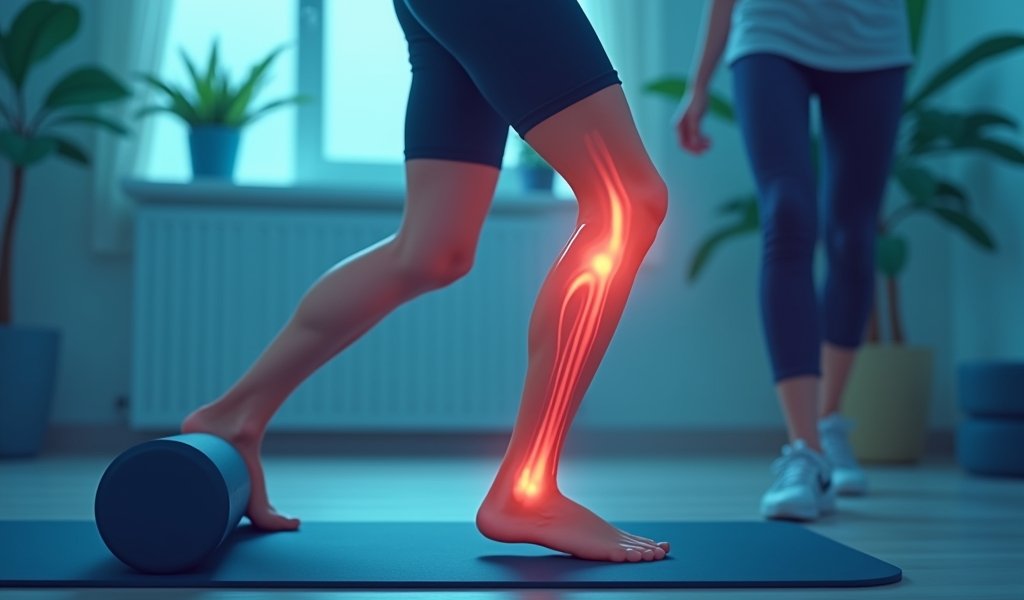
Identifying a ruptured quad tendon early can significantly impact your recovery timeline and outcome. The classic presentation includes a painful “pop” sensation above the kneecap during activity, followed by immediate weakness and difficulty walking. Within hours, substantial swelling develops around the knee, and many patients notice a visible gap or indentation above the kneecap where the tendon has torn.
Perhaps the most telling sign is the inability to straighten your knee against gravity or maintain a straight leg when lifted. This loss of active knee extension is a hallmark symptom that distinguishes it from less severe injuries. Many patients also report significant pain, bruising, and difficulty bearing weight on the affected leg.
If you suspect a ruptured quad tendon, seek immediate medical attention. Prompt diagnosis through physical examination and imaging (typically MRI) allows for timely surgical intervention, which is crucial for optimal outcomes. Research published in the Journal of Orthopaedic & Sports Physical Therapy confirms that surgical repair within 2-3 weeks of injury yields significantly better functional outcomes than delayed treatment. Don’t adopt a wait-and-see approach with this injury – early expert assessment is essential.
Surgical Intervention and Initial Rehabilitation
For complete ruptured quad tendon injuries, surgical repair is nearly always necessary. The procedure typically involves reattaching the torn tendon to the kneecap using sutures through bone tunnels or specialized anchors. This critical reconnection allows the healing process to begin, but it’s just the first step in your recovery journey.
Following surgery, your knee will likely be immobilized in a brace or cast for 4-6 weeks to protect the repair. During this initial phase, the primary goals are controlling pain and swelling while protecting the surgical repair. Limited weight-bearing with crutches or a walker is typically required, and your surgeon will provide specific guidelines about how much weight you can put on your leg.
This early post-operative period can be challenging – both physically and mentally. Many patients experience feelings of dependency and frustration with limited mobility. Remember that this phase, while difficult, is temporary and essential for proper healing. As your orthopedic surgeon at the chiropractic wellness center will emphasize, following these initial restrictions precisely sets the foundation for successful long-term recovery.
Now, let’s explore the seven proven tips that can optimize your recovery from a ruptured quad tendon.
Tip 1: Follow Your Physical Therapy Protocol Religiously
Physical therapy represents the cornerstone of successful recovery from a ruptured quad tendon. Your therapist will design a personalized rehabilitation program that evolves through several phases, each with specific goals and appropriate exercises. The consistency and quality of your participation in this program directly influence your outcome.
In the early weeks after surgery, therapy focuses on gentle range of motion exercises that protect the repair while preventing stiffness. As healing progresses, exercises gradually advance to restore quadriceps strength, normalize walking patterns, and eventually rebuild functional capacity for daily activities and sports.
Here’s how to maximize your physical therapy outcomes:
- Attend all scheduled therapy sessions and communicate openly with your therapist about your progress and challenges
- Complete your home exercise program precisely as prescribed – don’t skip days or modify exercises without guidance
- Focus on quality over quantity – proper technique matters more than repetitions
- Respect pain boundaries – some discomfort during rehabilitation is normal, but sharp or increasing pain requires adjustment
- Track your progress with objective measures like range of motion and strength to stay motivated
Research from the National Institutes of Health shows that patients who adhere closely to their physical therapy protocols achieve significantly better functional outcomes after tendon repairs. Consider your physical therapy appointments and exercises as non-negotiable appointments with your future self.
Tip 2: Manage Pain and Swelling Effectively
Controlling pain and swelling isn’t just about comfort – it’s essential for optimal healing and rehabilitation progress. Excessive inflammation can inhibit muscle activation, restrict movement, and slow the recovery process. A proactive approach to symptom management accelerates your return to function.
The RICE protocol (Rest, Ice, Compression, Elevation) remains valuable, particularly in the first 4-6 weeks after surgery. Apply ice for 15-20 minutes every 2-3 hours while awake, using a thin barrier between the ice and your skin. Elevate your leg above heart level when resting, and consider compression garments or wraps as recommended by your medical team.
Medication management typically involves prescribed pain relievers immediately after surgery, transitioning to over-the-counter options like acetaminophen or NSAIDs (if approved by your surgeon) as healing progresses. Always follow your doctor’s guidance on medication timing and dosage, and communicate if your pain isn’t adequately controlled.
Beyond these traditional approaches, many patients benefit from alternative pain management strategies. Techniques like guided imagery, physical wellness practices, and mindfulness meditation can complement medical management by reducing muscle guarding and anxiety related to pain. These approaches support your body’s natural healing processes and help maintain the positive mindset essential for recovery.
Tip 3: Prioritize Proper Nutrition for Healing
The food choices you make significantly impact how quickly and effectively your body repairs damaged tissues. Tendon healing requires specific nutrients, and optimizing your diet can accelerate recovery while reducing complications. Think of nutrition as an active treatment strategy, not a passive background factor.
Protein serves as the primary building block for tendon repair. Aim for 1.2-1.6 grams of high-quality protein per kilogram of body weight daily, spacing your intake throughout the day. Excellent sources include lean meats, fish, eggs, dairy, legumes, and plant-based options like quinoa and tofu.
Beyond protein, several key nutrients support tendon healing:
- Vitamin C: Essential for collagen formation and found in citrus fruits, berries, and colorful vegetables
- Zinc: Supports tissue repair and immune function, available in oysters, meat, nuts, and seeds
- Vitamin A: Critical for early inflammation control, abundant in orange and dark green vegetables
- Omega-3 fatty acids: Help manage inflammation, found in fatty fish, flaxseed, and walnuts
- Vitamin D: Supports musculoskeletal health, available in fortified foods, fatty fish, and sunshine
Stay well-hydrated by consuming at least 8-10 cups of fluid daily, primarily water. Proper hydration maintains the optimal cellular environment for repair processes and helps transport nutrients to healing tissues. Consider working with a registered dietitian who specializes in sports recovery to create a personalized nutrition plan for your specific needs.
When dealing with a ruptured quad tendon, it’s also worth considering whether dietary supplements might support your recovery. Always consult your healthcare provider before starting any supplement regimen.
Tip 4: Gradually Restore Range of Motion and Strength
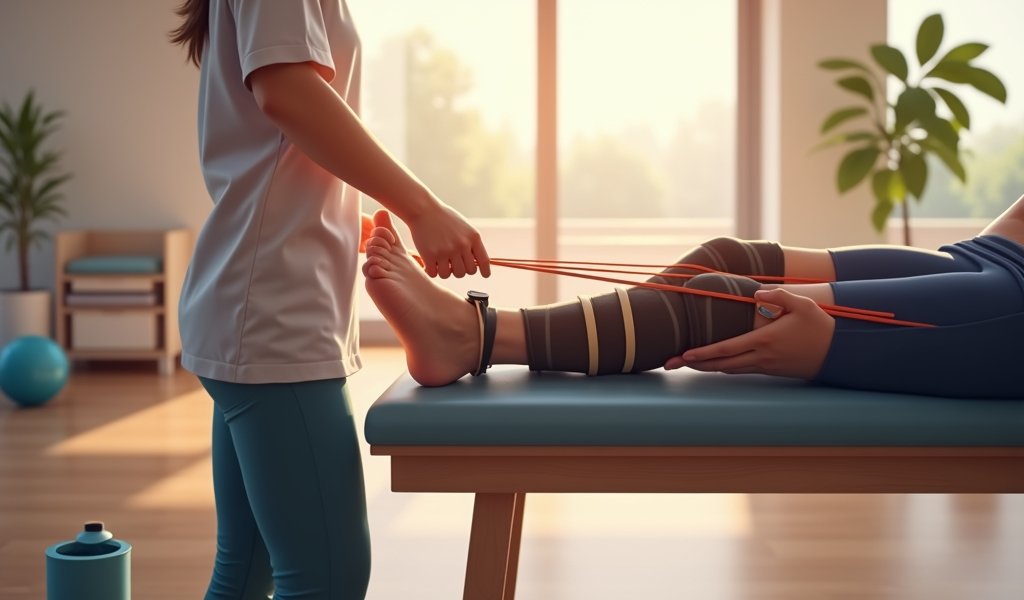
Rebuilding mobility and strength after a ruptured quad tendon requires a methodical, progressive approach. Attempting to rush this process can jeopardize the surgical repair, while moving too cautiously may lead to persistent stiffness and weakness. Your physical therapist will guide you through this delicate balance, advancing exercises as your healing tissue allows.
The rehabilitation progression typically follows this sequence:
- Passive range of motion: Gentle movement performed by your therapist or with assistance
- Active-assisted range of motion: Using your own muscles with some support
- Active range of motion: Moving entirely with your own muscle power
- Isometric strengthening: Contracting muscles without movement
- Progressive resistance training: Gradually increasing load through various ranges of motion
- Functional movement patterns: Rebuilding everyday movements and eventually sport-specific skills
As you progress, your physical therapist will introduce exercises that address the entire lower extremity kinetic chain. This comprehensive approach recognizes that optimal knee function depends on proper hip and ankle mechanics as well. Recent research in the International Journal of Sports Physical Therapy emphasizes the importance of addressing these related movement patterns for full functional recovery.
Patience is crucial during this phase. Even when exercises feel easy, your tendon continues healing and remodeling for months after surgery. Respect the biological timeline of tissue healing by following your prescribed progression without skipping ahead to more challenging exercises prematurely.
Tip 5: Optimize Your Sleep for Recovery
Sleep might be the most underappreciated component of recovery from a ruptured quad tendon. During deep sleep, your body releases growth hormone and other healing factors that orchestrate tissue repair, reduce inflammation, and consolidate the motor learning from your rehabilitation exercises. Without sufficient quality sleep, even perfect adherence to other recovery protocols yields diminished results.
Aim for 7-9 hours of quality sleep each night, recognizing that your body likely needs more rest than usual during this healing period. Create an environment conducive to restorative sleep by keeping your bedroom cool, dark, and quiet. Remove electronic devices or at minimum, use blue light filters in the evening hours.
Finding comfortable sleeping positions can be challenging with a knee brace or ongoing discomfort. Experiment with pillow arrangements – placing one under your surgical leg often relieves pressure and improves comfort. Side sleepers typically benefit from a pillow between their knees to maintain proper alignment.
If pain disrupts your sleep, discuss appropriate nighttime pain management strategies with your healthcare provider. Taking prescribed pain medication approximately 30 minutes before bedtime (if approved) can help you fall asleep more comfortably. Relaxation techniques like deep breathing, progressive muscle relaxation, or guided meditation can also prepare your body and mind for restorative sleep.
Tip 6: Use Assistive Devices Correctly
During your recovery from a ruptured quad tendon, various assistive devices will help protect your surgical repair while enabling safer mobility. Using these tools correctly not only prevents complications but also supports proper movement patterns as you heal.
Your knee brace serves as the primary protection for your surgical repair in the early weeks. Wear it exactly as prescribed – typically locked in extension initially, with gradually increasing flexion allowed as healing progresses. Never adjust the brace settings without explicit instructions from your surgeon, as premature motion can jeopardize the repair.
Walking aids like crutches, walkers, or canes require proper technique to effectively reduce load on your healing leg while maintaining functional mobility. Work closely with your physical therapist to ensure correct height adjustment and gait pattern with these devices. As you progress to weight-bearing, focus on smooth, controlled movements rather than a hurried, uneven gait.
Additional helpful devices might include:
- Long-handled reachers for retrieving items without bending
- Shower chairs or tub benches for safe bathing
- Raised toilet seats to reduce stress on your quadriceps during transfers
- Elastic shoelaces or slip-on shoes to simplify dressing
Remember that the goal is to gradually decrease reliance on these devices as your strength and function improve. Your physical therapist will guide this progression, ensuring you maintain safety while advancing toward independence.
Tip 7: Maintain a Positive Mindset During Recovery
The psychological aspects of recovering from a ruptured quad tendon can be as challenging as the physical rehabilitation. The lengthy recovery timeline, temporary loss of independence, and uncertainty about returning to previous activities create legitimate emotional hurdles. Developing mental resilience becomes a crucial component of your healing journey.
Set realistic, achievable short-term goals that provide regular wins along your recovery path. Rather than focusing exclusively on long-term outcomes like returning to sports, celebrate smaller victories such as increasing your walking distance, reducing pain medication, or achieving new range of motion benchmarks. These incremental successes build confidence and motivation.
Connect with others who understand your experience, whether through in-person support groups, online forums, or one-on-one conversations with those who’ve recovered from similar injuries. Sharing challenges and strategies with people who truly comprehend your journey provides validation and practical insights that well-meaning friends and family might not offer.
Consider mindfulness practices to help manage pain, reduce anxiety, and maintain presence during your recovery. Simple techniques like focused breathing, body scanning, or guided meditation can significantly impact your perception of discomfort and your overall emotional well-being. Many patients find that these tools remain valuable long after their physical recovery completes.
Long-term Recovery and Return to Activity
As you progress through the months following your surgical repair, your focus will shift from basic healing to functional restoration and eventually return to your desired activities. This transition represents an exciting but critical phase where patience and strategic progression remain essential.
Most patients can resume low-impact activities like swimming, cycling, and elliptical training around 4-6 months post-surgery, assuming they’ve met specific strength and range of motion benchmarks. Running typically becomes possible between 6-9 months, while high-impact sports or activities requiring explosive movements may require 9-12 months or longer before safe return.
Before returning to any sport or demanding physical activity, you should achieve:
- Full, pain-free range of motion in your knee
- At least 85-90% of your uninvolved leg’s quadriceps strength
- Symmetric functional movement patterns during activities like squatting, stepping, and hopping
- Confidence and absence of fear during movement challenges
Even after successful return to activities, many patients benefit from maintaining specific exercises that target the quadriceps and surrounding muscles. This ongoing “prehabilitation” helps prevent re-injury and compensatory movements that could lead to problems elsewhere in your kinetic chain.
Conclusion: Your Path to Recovery
Recovering from a ruptured quad tendon represents a significant journey – one that challenges you physically, tests your patience, and ultimately rewards your persistence. By following these seven evidence-based tips, you position yourself for the best possible outcome and a return to the activities you value.
Remember that healing timelines vary between individuals based on factors like age, overall health, injury severity, and adherence to rehabilitation protocols. Trust the process, celebrate incremental progress, and maintain open communication with your healthcare team throughout your recovery.
The skills you develop during rehabilitation – consistency, body awareness, mindfulness, and resilience – offer benefits that extend far beyond your knee recovery. Many patients discover that navigating this challenge successfully provides tools and insights that enhance other aspects of their health and well-being for years to come.
With proper surgical repair, dedicated rehabilitation, and attention to these seven recovery principles, most people achieve excellent functional outcomes following a ruptured quad tendon. Your journey may be lengthy, but the investment in proper recovery pays dividends in restored mobility, strength, and quality of life.
Frequently Asked Questions
How long does it take to recover from a ruptured quad tendon?
Full recovery typically takes 6-12 months, with return to basic daily activities within 3-4 months and sports activities between 6-12 months. The timeline varies based on age, overall health, and adherence to rehabilitation protocols.
Can I recover from a ruptured quad tendon without surgery?
Complete ruptures almost always require surgical repair for proper healing and functional recovery. Only partial tears with minimal displacement might be managed non-surgically in specific circumstances.
Will my knee ever be the same after a ruptured quad tendon?
Most patients regain excellent function with proper surgical repair and rehabilitation, though some notice subtle differences compared to their uninjured leg. Dedicated rehabilitation significantly improves outcomes and restoration of normal function.
How can I tell if my quad tendon is ruptured versus another knee injury?
The inability to straighten your knee against gravity and a palpable gap above your kneecap are hallmark signs. Other common symptoms include immediate pain, swelling, and difficulty bearing weight after a “pop” sensation.
Can I prevent re-rupture of my quad tendon after recovery?
Maintaining quadriceps strength, using proper movement techniques, and avoiding sudden overloading help prevent recurrence. Some patients benefit from activity modifications and ongoing strengthening exercises to protect the repaired tendon.