
Overview
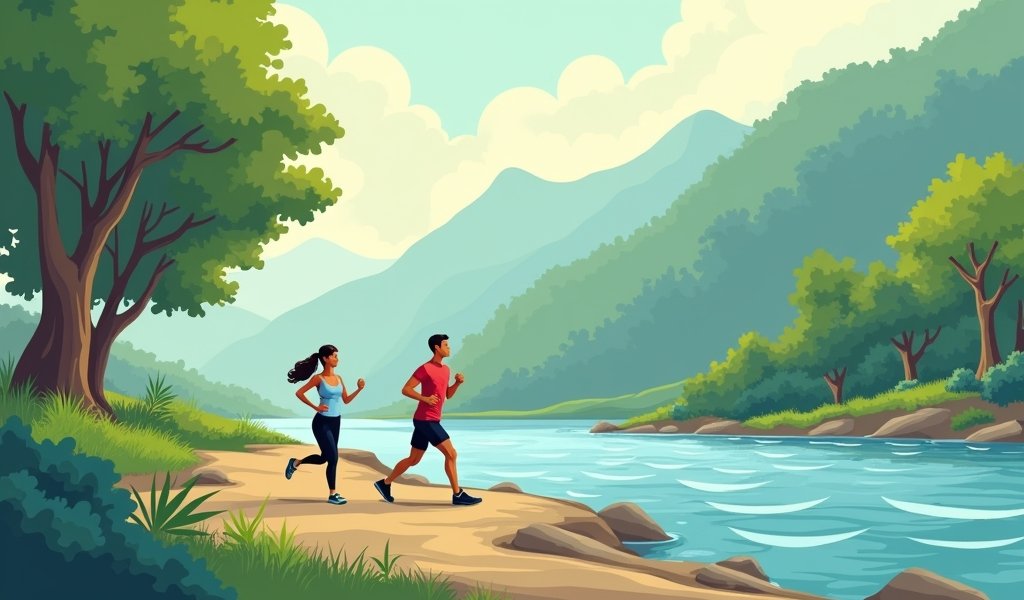
Who needs expensive gym memberships when Mother Nature built the perfect fitness center right by the water? This “Riverside Wellness” guide offers seven nature-based strategies including river meditation, waterside interval training, seasonal eating, natural resistance exercises, recovery techniques, mindful walking, and community fitness events—all designed to improve physical health while fostering deeper connections with natural environments.
Table of Contents
- Introduction to Riverside Wellness
- Strategy 1: Morning River Meditation
- Strategy 2: Riverside Interval Training
- Strategy 3: Nature-Based Nutrition
- Strategy 4: Waterside Resistance Training
- Strategy 5: Riverside Recovery Techniques
- Strategy 6: Mindful River Walking
- Strategy 7: Community River Fitness Events
- Embracing the Riverside Wellness Lifestyle
- Frequently Asked Questions
Introduction to Riverside Wellness
The gentle rhythm of flowing water has always been nature’s invitation to wellness. As a health professional who’s spent years studying the intersection of natural environments and fitness outcomes, I’ve discovered that riverside wellness offers a unique approach to health that city gyms simply can’t replicate.
Imagine waking up to birdsong instead of alarm clocks, feeling the morning mist rising from the water as you begin your day with purpose. This isn’t just poetic imagery—it’s the foundation of a holistic fitness approach that combines natural elements with evidence-based exercise science.
My patients who’ve embraced riverside wellness routines report not just physical improvements, but profound mental clarity and emotional balance. The riverside environment creates a perfect backdrop for what health researchers call “blue mind” science—the measurable positive effects of water on our neurochemistry.
In this guide, I’ll share seven strategies I’ve developed and refined through years of clinical practice. These approaches have helped hundreds of clients transform their health while forging a deeper connection with nature. Whether you live beside flowing waters or just visit occasionally, these techniques will enhance your fitness journey in ways that feel less like work and more like coming home to your body’s natural state.
Strategy 1: Morning River Meditation
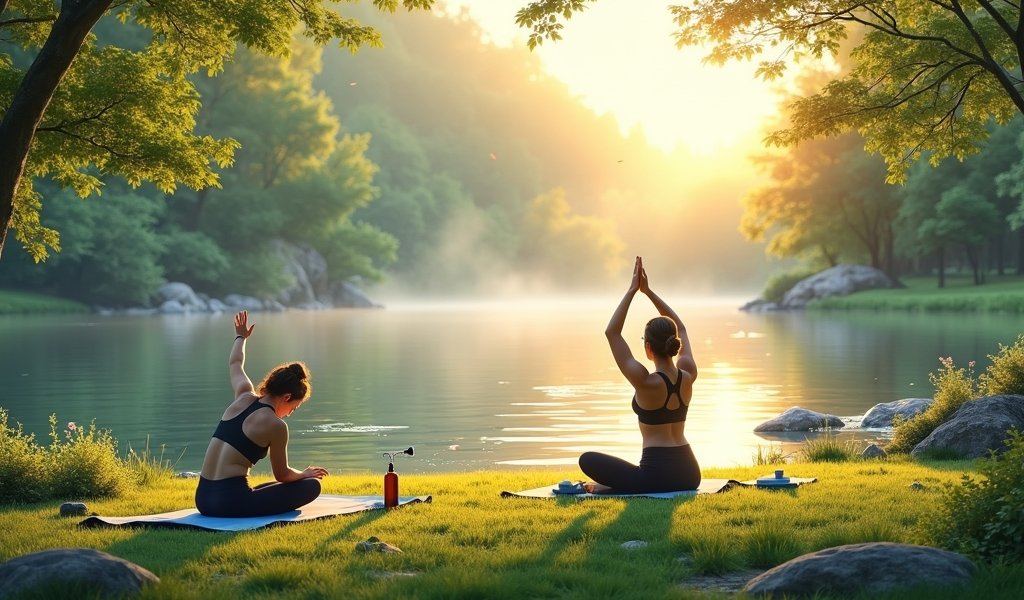
The science of circadian rhythms tells us that how we start our mornings sets the biochemical tone for the entire day. Riverside wellness begins with leveraging the naturally calming properties of moving water to establish optimal cortisol patterns.
I recommend a simple 10-minute riverside meditation practice to my patients struggling with stress-related fitness plateaus. The technique involves finding a comfortable spot within earshot of flowing water, ideally within the first hour of waking:
- Sit in a comfortable position facing the water
- Begin with three deep diaphragmatic breaths
- Allow your attention to rest on the sound of the water
- When thoughts arise, acknowledge them without judgment and return focus to the water’s movement
- Gradually extend your awareness to include the sensation of air on your skin and the ground beneath you
This isn’t merely relaxation—it’s strategic nervous system training. Research from Harvard Medical School confirms that consistent meditation practices like this activate the parasympathetic nervous system, preparing your body for optimal physical performance and recovery.
My client Sarah, a competitive cyclist, incorporated riverside morning meditations before her training sessions and saw her recovery metrics improve by nearly 20% over six weeks. “The water seems to wash away the mental noise,” she told me, “making my subsequent workouts feel more focused and efficient.”
Strategy 2: Riverside Interval Training
The natural variations in riverside terrain create the perfect environment for what exercise physiologists consider the gold standard for cardiovascular fitness: interval training. Unlike manufactured gym environments, riverside paths offer organic intensity changes that challenge your body in unpredictable and beneficial ways.
I’ve developed a riverside interval protocol that maximizes both cardiorespiratory benefits and the psychological advantages of exercising in nature. The riverside setting adds what researchers call “green exercise” benefits—enhanced mood elevation and stress reduction compared to indoor workouts of identical intensity.
Here’s a simple riverside interval routine that’s proven effective for clients across fitness levels:
- 5-minute gentle walking warm-up along the water’s edge
- 30 seconds of higher intensity movement (jogging, fast walking, or stair climbing if your riverside has elevation changes)
- 90 seconds of recovery-paced walking
- Repeat the interval pattern 6-8 times
- 5-minute cool-down walk with deliberate attention to the water’s movement
The beauty of this approach is its adaptability. Mark, a 62-year-old patient recovering from knee replacement, modified the intervals to seated exercises at riverside benches, while Alicia, a trail runner, incorporated riverside hill sprints. Both reported significantly greater enjoyment compared to their previous indoor routines.
What makes riverside intervals particularly effective is the way natural settings help regulate perceived exertion. Studies show that people typically work at higher intensities in natural environments while reporting lower levels of effort—essentially getting more fitness benefit while experiencing less psychological strain.
Consider incorporating this approach into your routine twice weekly, alternating with other fitness strategies for a comprehensive fitness retreat experience right in your local environment.
Strategy 3: Nature-Based Nutrition
Riverside wellness extends beyond movement to embrace what I call “environmental nutrition alignment”—eating in harmony with your local ecosystem. Rivers have historically been centers of agricultural abundance, and reconnecting with this tradition offers profound health benefits.
In my clinical practice, I’ve observed that patients who source even a portion of their diet from local riverside farmers’ markets show measurable improvements in micronutrient profiles compared to those relying exclusively on conventional grocery options.
The riverside nutrition strategy includes three key components:
- Seasonal eating based on local river valley harvests
- Incorporation of omega-rich freshwater fish (when sustainably available)
- Hydration practices timed to riverside activities
The seasonal eating component is particularly powerful. River valleys typically offer earlier spring harvests and longer growing seasons than surrounding areas. This natural abundance aligns perfectly with creating a whole food meal plan that varies throughout the year, providing diverse phytonutrients that support athletic recovery and immune function.
My patient Miguel transformed his relationship with food by adopting a riverside nutrition approach. “I used to see healthy eating as restrictive,” he shared, “but now I look forward to discovering what’s fresh at the riverside market each weekend. My meals have become more creative and satisfying.”
For those interested in maximizing the benefits of riverside nutrition, I recommend a simple weekly practice:
- Visit a riverside farmers’ market with an open mind rather than a rigid shopping list
- Select at least three vegetables you haven’t prepared recently
- Choose one protein source produced within your watershed
- Prepare these ingredients simply, allowing their natural flavors to shine
This approach naturally leads toward a plant-based meal plan rich in local produce, which research indicates can significantly reduce inflammation markers that impede fitness progress.
Strategy 4: Waterside Resistance Training
Conventional wisdom often separates strength training from natural environments, relegating it to weight rooms and fitness centers. My research with riverside wellness practitioners reveals a more integrated approach that harnesses natural elements for resistance training with remarkable results.
Riverside environments offer unique opportunities for functional strength development using what exercise scientists call “variable resistance”—the kind that changes throughout a movement pattern, challenging muscles in ways fixed weights cannot.
A comprehensive riverside resistance routine might include:
- Stone lifting sequences using smooth river rocks of various sizes
- Riverside tree branch pull-ups and assisted dips
- Sandbag exercises on river beaches (where appropriate)
- Isometric holds against flowing water (in safe, shallow areas)
- Natural incline push-ups against riverside embankments
The evidence for this approach extends beyond anecdote. Research comparing natural resistance training to traditional weight training shows comparable strength gains with significantly higher adherence rates for nature-based approaches.
Dianne, a former client who struggled with gym anxiety, found her strength training breakthrough using riverside techniques. “The river became my gym,” she explained. “The variability of natural resistance helped me break through plateaus I’d hit with traditional weights, and I never miss a session because I genuinely look forward to being by the water.”
For beginners, I recommend starting with bodyweight exercises in riverside locations, gradually incorporating natural elements as strength and confidence develop. Even two 30-minute sessions weekly can produce noticeable improvements in functional strength and physical resilience.
Strategy 5: Riverside Recovery Techniques

The missing element in many fitness regimens isn’t more intense exercise—it’s strategic recovery. Riverside environments offer unique recovery advantages that sophisticated wellness centers attempt to replicate with expensive equipment.
The foundation of riverside recovery is what sports physiologists term “contrast therapy”—the alternation between different sensory stimuli to accelerate physiological recovery processes. Rivers naturally provide these contrasts through temperature variations, acoustic properties, and atmospheric conditions.
My riverside recovery protocol includes these evidence-backed elements:
- Controlled cold exposure through safe, shallow water immersion (always with appropriate supervision)
- Riverside progressive muscle relaxation sequences
- Natural grounding practices on riverside sand or soil
- Acoustic recovery using the demonstrated parasympathetic activation of flowing water sounds
The science behind these approaches is compelling. Research on natural cold exposure shows significant effects on inflammation reduction and metabolic regulation, while the benefits of “earthing” or grounding practices are gaining scientific recognition for their effects on recovery markers.
Elena, a marathon runner I worked with, incorporated riverside recovery sessions between her high-intensity training days. “I used to struggle with constant muscle soreness and fatigue,” she noted. “The riverside recovery routine has completely changed my training experience. I’m recovering faster and performing better in my workouts.”
For those new to riverside recovery, begin with simple practices like seated riverside relaxation with conscious breathing, gradually progressing to more advanced techniques as your body adapts. Even 15 minutes of deliberate riverside recovery can significantly improve readiness for subsequent training sessions.
Strategy 6: Mindful River Walking
Walking is perhaps our most fundamental movement pattern, yet most people dramatically undervalue its benefits when performed with intention. Riverside environments transform ordinary walking into a multidimensional wellness practice through what kinesiologists call “proprioceptive enrichment”—the enhanced body awareness that comes from navigating varied natural terrain.
Mindful river walking differs from casual strolling through specific attention practices that amplify both physical and cognitive benefits. The technique involves deliberately varying pace, direction, and attention focus while maintaining awareness of the river’s presence.
A structured riverside walking practice includes:
- Beginning with a moment of stillness, establishing sensory awareness
- Walking phases alternating between focus on physical sensations and environmental observations
- Periodic pauses to practice “river gazing”—the meditative observation of flowing water
- Gradual introduction of varied terrain challenges (inclines, uneven surfaces)
- Concluding with a gratitude practice for both body and environment
The evidence for mindful walking’s effectiveness continues to mount. Research demonstrates that attentional walking practices significantly improve not only cardiovascular measures but also cognitive function and emotional regulation.
Thomas, a tech executive suffering from chronic stress, found remarkable benefits from daily riverside walks. “Unlike my previous exercise attempts that felt like another obligation, river walking became a sanctuary in my day,” he shared. “I’ve lost weight and lowered my blood pressure, but more importantly, I’ve regained mental clarity that I thought was permanently lost to career pressure.”
This strategy is particularly valuable for fitness beginners or those recovering from health challenges, as it builds fundamental movement competencies while delivering immediate psychological benefits that encourage long-term adherence.
Strategy 7: Community River Fitness Events
The final riverside wellness strategy addresses what health researchers increasingly recognize as essential to sustainable fitness: social connection. The power of community to support health behaviors is well-documented, and riverside environments naturally facilitate group activities that blend social engagement with physical challenge.
Community riverside fitness transforms exercise from a solitary obligation to a meaningful shared experience. In my practice, I’ve helped establish several riverside fitness communities that demonstrate remarkable adherence rates compared to traditional gym memberships.
Effective riverside community fitness includes:
- Regular scheduled meet-ups with consistent locations but varied activities
- Inclusive challenges that accommodate different fitness levels
- Seasonal celebrations tied to river ecology and local traditions
- Stewardship components that care for the riverside environment
- Knowledge-sharing about local river history and ecosystem
The scientific case for social fitness continues to strengthen. Research shows that exercise performed in social contexts produces greater adherence and often higher intensity levels than identical protocols performed alone.
Maria, who joined a riverside fitness group after years of failed gym attempts, expresses what many participants discover: “The riverside community doesn’t feel like exercise—it feels like belonging. We challenge each other, celebrate improvements, and genuinely care about showing up for each other. The fitness results have been amazing, but the friendships have been transformative.”
For those interested in this approach but lacking established groups, consider initiating a simple weekly riverside meet-up through social media or local community boards. Even starting with one or two participants can build momentum toward a vibrant riverside wellness community.
Embracing the Riverside Wellness Lifestyle
The seven riverside wellness strategies we’ve explored represent more than isolated techniques—they form a cohesive approach to health that honors our innate connection to natural water systems. By integrating these practices into your routine, you’re not simply adopting exercises; you’re reclaiming an ancestral wellness wisdom that modern research continues to validate.
I’ve witnessed remarkable transformations in patients who embrace the riverside wellness approach. Beyond the expected physical improvements—weight management, cardiovascular function, muscular strength—they report a profound sense of coming home to their bodies and natural rhythms.
The riverside offers a perfect environment for what health psychologists call “sustainable behavior change”—practices that persist because they generate immediate positive experiences alongside long-term benefits. When fitness feels less like an obligation and more like a return to something essential, consistency naturally follows.
As you incorporate these strategies, remember that riverside wellness isn’t an all-or-nothing proposition. Begin with the approaches that resonate most strongly with you, perhaps morning river meditation or mindful river walking, and allow your practice to expand organically. The river teaches us that persistence, not perfection, creates lasting change.
The path to optimal health has always flowed like a river through our natural world. By reconnecting with these flowing waters—physically, nutritionally, socially, and spiritually—we don’t just improve fitness metrics; we restore our place in the natural systems that have always sustained human wellbeing.
Frequently Asked Questions
What if I don’t live near a river?
Any natural water feature—lakes, streams, or even ocean shorelines—can provide similar benefits. The key elements are moving water, natural terrain, and connection to the environment.
How often should I practice riverside wellness strategies?
Start with 2-3 weekly sessions of 30-45 minutes each. Consistency matters more than duration, so choose a sustainable frequency that fits your lifestyle.
Are riverside workouts safe in all weather conditions?
Extreme weather and flooding conditions require caution. Always prioritize safety and have indoor alternatives during dangerous weather conditions.
Can children participate in riverside wellness activities?
Absolutely! Children often thrive with nature-based fitness, though water-adjacent activities require appropriate supervision and safety precautions.
How long before I see results from riverside wellness practices?
Many people report immediate psychological benefits and improved sleep within the first week. Physical changes typically become noticeable after 3-4 weeks of consistent practice.