
Overview
Heart skipping beats? No, that’s not your body’s way of playing jump rope—it’s likely PVCs (Premature Ventricular Contractions), those pesky extra heartbeats that can be managed through seven key lifestyle strategies. The article outlines how to reduce PVCs through proper exercise, stress management, balanced nutrition, adequate hydration, quality sleep, limiting stimulants, and regular medical check-ups, emphasizing that while usually harmless, these irregular heartbeats can be effectively controlled through consistent healthy habits.
Table of Contents
- Understanding PVC: What Does This Medical Abbreviation Mean?
- Common Causes of PVC and When to Seek Medical Attention
- PVC Fitness Tip 1: Heart-Healthy Cardiovascular Exercises
- PVC Fitness Tip 2: Stress Reduction Techniques
- PVC Fitness Tip 3: Optimizing Your Diet
- PVC Fitness Tip 4: Proper Hydration Strategies
- PVC Fitness Tip 5: Quality Sleep Habits
- PVC Fitness Tip 6: Limiting Stimulants
- PVC Fitness Tip 7: Regular Medical Check-ups
- Conclusion: Managing PVCs Through Lifestyle Changes
- Frequently Asked Questions
Understanding PVC: What Does This Medical Abbreviation Mean?
In the medical world, PVC medical abbreviation stands for Premature Ventricular Contraction. These are extra, abnormal heartbeats that begin in the ventricles, the heart’s lower pumping chambers. PVCs disrupt your regular heart rhythm by causing the heart to beat earlier than it should, followed by a compensatory pause before the next normal heartbeat.
If you’ve ever felt your heart “skip a beat” or experienced a fluttering sensation in your chest, you may have experienced a PVC. While these irregular heartbeats might feel alarming, they’re actually quite common and usually harmless for most people. In fact, research suggests that nearly everyone experiences PVCs at some point in their lives.
That said, the frequency and severity of PVCs can vary dramatically from person to person. Some individuals might experience them rarely and never even notice, while others may have frequent episodes that significantly impact their quality of life. Understanding what triggers your PVCs and how to manage them effectively can make a substantial difference in your cardiovascular health and overall wellbeing.
Common Causes of PVC and When to Seek Medical Attention
PVCs can be triggered by various factors, many of which relate directly to your lifestyle choices. Common causes include:
- Caffeine, alcohol, and tobacco use
- High levels of stress or anxiety
- Lack of sleep or poor sleep quality
- Certain medications
- Electrolyte imbalances (particularly potassium and magnesium)
- Dehydration
- Underlying heart disease
For most healthy individuals, occasional PVCs aren’t cause for concern. However, certain circumstances warrant prompt medical attention. You should consult with a healthcare provider if you experience:
- Frequent PVCs (several times a day)
- PVCs accompanied by dizziness, shortness of breath, or chest pain
- PVCs that seem to be increasing in frequency
- A history of heart disease and new or worsening PVCs
According to The American Heart Association, while most PVCs are benign, frequent PVCs may increase the risk of heart rhythm problems or weakened heart muscle in some people. Therefore, understanding how to manage and potentially reduce your PVCs through lifestyle modifications is crucial.
PVC Fitness Tip 1: Heart-Healthy Cardiovascular Exercises
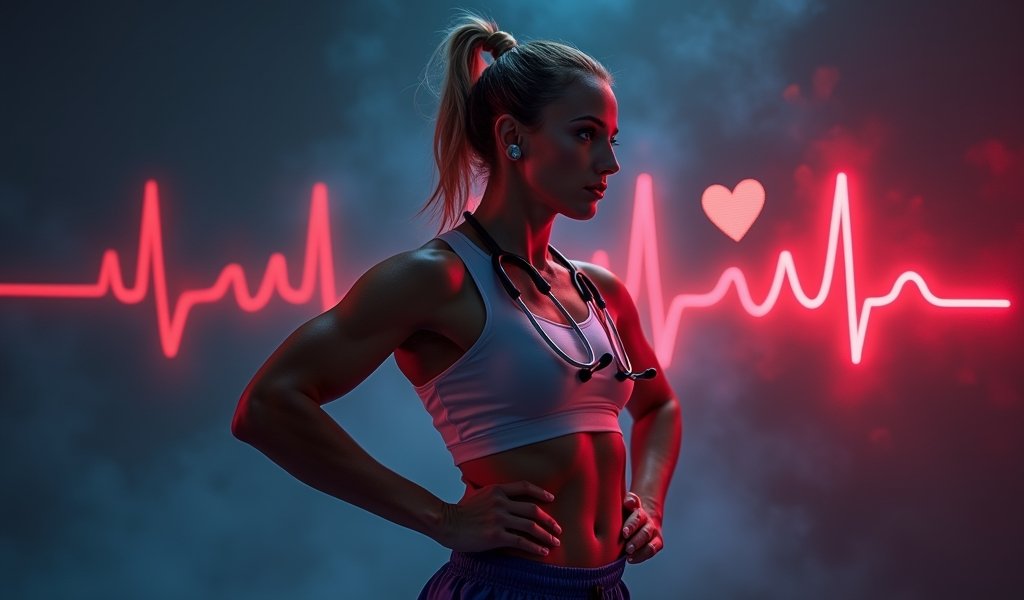
Engaging in regular cardiovascular exercise has been shown to improve overall heart health and potentially reduce the frequency of PVCs in many individuals. However, the key is finding the right intensity and type of exercise for your specific situation.
Start with low to moderate intensity activities like walking, swimming, or cycling. These exercises strengthen the heart muscle without placing excessive strain on it. Begin with 15-20 minutes sessions, 3-4 times per week, and gradually increase duration as your fitness improves.
It’s important to note that some people may notice an increase in PVCs during very intense exercise. If you observe this pattern, consider scaling back the intensity while still maintaining regular activity. A study published in the Journal of the American College of Cardiology found that moderate exercise can actually suppress arrhythmias in many patients, while extreme exertion might temporarily increase them.
Always warm up properly before exercise and cool down afterward. These transition periods help your heart adjust to changing demands and may reduce exercise-induced PVCs. Remember to listen to your body—if exercise consistently worsens your symptoms, consult with a cardiologist who can provide personalized guidance.
PVC Fitness Tip 2: Stress Reduction Techniques
Stress and anxiety are significant triggers for PVCs in many people. The body’s stress response releases hormones like adrenaline that can increase heart rate and potentially trigger irregular heartbeats. Incorporating effective stress management techniques into your daily routine can make a remarkable difference in reducing PVC frequency.
Mindfulness meditation is particularly effective for heart health. Even just 10-15 minutes daily can help regulate your nervous system. Find a quiet space, focus on your breathing, and gently bring your attention back whenever your mind wanders. Apps like Calm or Headspace offer guided sessions specifically designed for heart health and stress reduction.
Progressive muscle relaxation is another powerful technique. By systematically tensing and then releasing different muscle groups, you can reduce physical tension that often accompanies anxiety. Start with your feet and work your way up to your head, holding each tension for 5-10 seconds before releasing.
Deep breathing exercises directly impact your heart rate through the vagus nerve. Try the 4-7-8 technique: inhale for 4 counts, hold for 7 counts, and exhale for 8 counts. This pattern activates the parasympathetic nervous system, which counters the stress response that can trigger PVCs.
Consider incorporating yoga or tai chi into your routine as well. These mind-body practices combine gentle movement with breathwork and have been shown to improve heart rate variability and reduce stress hormones. Even just 20-30 minutes, 2-3 times weekly, can yield significant benefits for those experiencing PVCs.
PVC Fitness Tip 3: Optimizing Your Diet
What you eat plays a crucial role in heart health and can directly impact the frequency of PVCs. A heart-healthy diet not only supports overall cardiovascular function but can also help maintain proper electrolyte balance, which is essential for normal heart rhythm.
Focus on potassium-rich foods, as potassium deficiency is a known trigger for PVCs. Excellent sources include bananas, sweet potatoes, spinach, avocados, and beans. Incorporating these foods regularly can help maintain optimal potassium levels and potentially reduce PVC episodes.
Magnesium is another vital electrolyte for heart rhythm regulation. Dark leafy greens, nuts, seeds, whole grains, and dark chocolate are all good sources of this important mineral. Some studies suggest that magnesium supplementation may help reduce PVCs in certain individuals, though you should consult your healthcare provider before starting any supplement.
Consider adopting a Mediterranean-style diet, which has been extensively studied for its heart benefits. This eating pattern emphasizes:
- Fresh fruits and vegetables (at least 5 servings daily)
- Whole grains instead of refined carbohydrates
- Lean proteins, particularly fish rich in omega-3 fatty acids
- Healthy fats from sources like olive oil, nuts, and avocados
- Limited processed foods, which often contain excess sodium
Research published in the New England Journal of Medicine has shown that following a Mediterranean diet can significantly reduce cardiovascular events. While this study didn’t specifically target PVCs, the overall heart benefits make this eating pattern ideal for anyone concerned about heart rhythm issues.
PVC Fitness Tip 4: Proper Hydration Strategies
Dehydration is a commonly overlooked trigger for PVCs. When your body lacks adequate fluid, electrolyte imbalances can occur, directly affecting your heart’s electrical system and potentially increasing irregular heartbeats. Developing a strategic approach to hydration can significantly impact your heart rhythm health.
Aim to drink at least 2-3 liters (8-12 cups) of water daily, adjusting for your body size, activity level, and climate. Rather than consuming large amounts at once, distribute your intake throughout the day to maintain consistent hydration levels. Consider setting reminders or using a marked water bottle to track your progress.
Be especially mindful of hydration before, during, and after exercise. Pre-hydrate with 16-20 ounces of water 2-3 hours before activity, then consume 7-10 ounces every 10-20 minutes during exercise. Afterward, drink about 16-24 ounces for every pound of body weight lost through sweat.
For lengthy exercise sessions or hot weather activities, consider electrolyte-enhanced beverages to replace minerals lost through perspiration. However, avoid those with high sugar content or artificial ingredients. A simple homemade electrolyte drink can be made with water, a pinch of sea salt, a splash of citrus juice, and a teaspoon of honey.
Monitor your hydration status through urine color—pale yellow indicates proper hydration, while dark yellow suggests you need more fluids. Remember that certain medications, health conditions, and environmental factors may increase your fluid needs, so adjust accordingly and consult your healthcare provider if you have concerns about your hydration status and PVCs.
PVC Fitness Tip 5: Quality Sleep Habits
Sleep quality and heart rhythm are intimately connected. Poor or insufficient sleep can increase stress hormones, disrupt autonomic nervous system function, and potentially trigger or worsen PVCs. Establishing consistent sleep habits can significantly improve heart health and reduce arrhythmia episodes.
Aim for 7-9 hours of quality sleep each night. Research from the Sleep Heart Health Study has shown that both too little and too much sleep are associated with increased cardiovascular problems, including arrhythmias.
Create a sleep-conducive environment by keeping your bedroom dark, quiet, and cool (around 65-68°F or 18-20°C). Consider using blackout curtains, white noise machines, or earplugs if necessary to minimize disruptions. Your mattress and pillows should properly support your body to prevent discomfort that might interrupt sleep.
Establish a consistent sleep schedule, going to bed and waking up at approximately the same times each day—even on weekends. This helps regulate your body’s internal clock and can improve sleep quality significantly. A regular pre-sleep routine signals to your body that it’s time to wind down; this might include gentle stretching, reading, or meditation.
Avoid potential sleep disruptors in the evening hours. Specifically:
- Limit screen exposure 1-2 hours before bedtime (or use blue light blocking glasses)
- Avoid caffeine after midday
- Skip large meals, alcohol, and excessive fluids close to bedtime
- Reduce exposure to stressful news or stimulating content
If you consistently experience sleep problems despite these measures, consider discussing sleep evaluation with your doctor. Conditions like sleep apnea can significantly impact heart rhythm and increase PVCs, but are treatable with proper intervention.

PVC Fitness Tip 6: Limiting Stimulants
Stimulants can significantly impact heart rhythm, making them important factors to manage if you experience PVCs. These substances increase heart rate and can trigger the electrical misfiring that causes premature contractions. Being mindful of stimulant consumption could substantially reduce your PVC episodes.
Caffeine is perhaps the most common stimulant that may trigger PVCs in sensitive individuals. While research shows mixed results about whether caffeine directly causes PVCs, many people report a clear connection between their caffeine intake and symptoms. Consider gradually reducing your consumption of coffee, tea, energy drinks, and caffeinated sodas to see if your PVCs diminish.
If you’re a coffee lover, you don’t necessarily need to eliminate it completely. Try limiting yourself to one cup in the morning, switching to half-decaf, or exploring alternatives like chicory root coffee or herbal teas. Pay attention to hidden sources of caffeine too, such as chocolate and certain medications.
Alcohol merits special attention, as it can trigger PVCs through multiple mechanisms. While drinking, alcohol may have a seemingly calming effect, but as it metabolizes, it can cause electrolyte imbalances and rebound stimulation. The “holiday heart syndrome”—irregular heartbeats following heavy drinking—is well documented in cardiovascular research.
Nicotine and other tobacco products are powerful stimulants that directly impact heart function. If you use these products, seeking support to quit can significantly improve your heart health and reduce PVCs. Talk to your healthcare provider about effective cessation strategies that might work for you.
Certain medications, including some cold and allergy remedies, contain stimulants that could trigger PVCs. Always read labels carefully and consult with your pharmacist about potential cardiac effects of over-the-counter medications. For prescription drugs, discuss any heart rhythm concerns with your doctor, who may be able to suggest alternatives if necessary.
PVC Fitness Tip 7: Regular Medical Check-ups
While lifestyle modifications can significantly impact PVC frequency, regular medical monitoring remains essential. Establishing a partnership with healthcare providers ensures that your heart health is properly assessed and that any concerning changes are addressed promptly.
Schedule annual check-ups with your primary care physician, who can perform basic heart health screenings and refer you to specialists if needed. These routine visits establish important baseline measurements and can identify subtle changes that might otherwise go unnoticed. Don’t hesitate to mention even seemingly minor changes in your PVC patterns or symptoms.
Consider keeping a symptom journal to track your PVCs, noting potential triggers, frequency, duration, and accompanying sensations. This information is invaluable to healthcare providers in determining whether your PVCs warrant further investigation or treatment. Many smartphone apps can help you log these episodes conveniently.
For those with frequent or troublesome PVCs, a consultation with a cardiologist specializing in electrophysiology may be beneficial. These specialists can offer advanced diagnostic tools like Holter monitors, event recorders, or exercise stress tests to better understand your specific heart rhythm patterns.
Remember that appropriate testing should be individualized based on your personal risk factors. According to guidelines from the American Heart Association, while frequent PVCs in some individuals might warrant comprehensive evaluation, others with occasional PVCs and no other risk factors may need only basic assessment.
Finally, never hesitate to seek immediate medical attention if you experience new or worsening symptoms alongside PVCs, such as severe palpitations, chest pain, shortness of breath, dizziness, or fainting. These could indicate more serious conditions requiring prompt evaluation.
Conclusion: Managing PVCs Through Lifestyle Changes
Understanding the PVC medical abbreviation and its implications for your heart health is an important first step toward effective management. While Premature Ventricular Contractions can feel alarming when they occur, the good news is that most cases can be significantly improved through thoughtful lifestyle modifications.
The seven fitness tips we’ve explored offer a comprehensive approach to reducing PVC frequency and severity. From heart-healthy cardiovascular exercise and stress reduction techniques to optimizing your diet, hydration, and sleep habits, each strategy addresses different potential triggers for these irregular heartbeats. Limiting stimulants and maintaining regular medical check-ups round out this holistic approach to PVC management.
Remember that consistency is key with these interventions. Heart rhythm improvements often develop gradually as your body responds to positive lifestyle changes. Be patient with yourself and celebrate small improvements along the way. What matters most is establishing sustainable habits that support your long-term heart health.
It’s also worth emphasizing that individual responses to these strategies may vary. What triggers PVCs in one person might not affect another, which is why personalized attention from healthcare providers remains important. Use these recommendations as a starting point, but always work with your medical team to develop a plan tailored to your specific needs.
With the right combination of lifestyle modifications and medical guidance, most people with PVCs can experience significant symptom improvement and enjoy an active, fulfilling life with minimal disruption from these common heart rhythm disturbances.
Frequently Asked Questions
What exactly does the PVC medical abbreviation stand for?
PVC stands for Premature Ventricular Contraction, which refers to extra heartbeats that originate in the ventricles (lower chambers of the heart). These extra beats disrupt the normal heart rhythm by occurring earlier than expected in the heart’s pumping sequence.
Are PVCs dangerous?
For most healthy individuals, occasional PVCs are considered benign and not dangerous. However, frequent PVCs or those occurring alongside other heart conditions may require medical evaluation and treatment in some cases.
How can I tell if I’m having PVCs?
PVCs often feel like a skipped beat, a fluttering sensation, or a “thump” in your chest. Some people describe the feeling as their heart “turning over” or a brief pause followed by a stronger beat.
Can anxiety cause PVCs?
Yes, anxiety and stress can trigger or worsen PVCs in many people. The body’s stress response releases hormones that can affect heart rhythm and potentially increase PVC frequency.
When should I see a doctor about PVCs?
Consult a doctor if your PVCs are frequent, worsening over time, or accompanied by symptoms like chest pain, shortness of breath, dizziness, or fainting. Also seek medical attention if you have a history of heart disease and experience new or changing PVCs.