
Overview
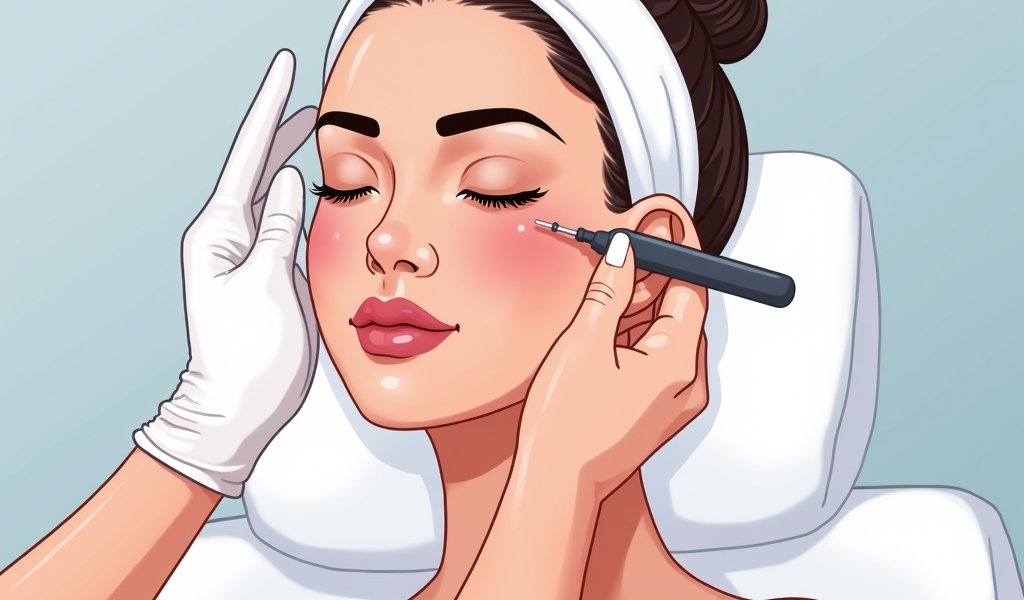
PRP facial treatment uses your own blood platelets to rejuvenate skin by stimulating collagen production and natural healing—think vampire facials without the creepy cape and fangs! This minimally invasive procedure offers seven key benefits including reduced wrinkles, improved texture, and treatment of acne scars with relatively quick recovery, making it a popular middle-ground option for those seeking natural results without surgical intervention.
Table of Contents
- Understanding PRP Treatment for Face: An Overview
- How PRP Treatment Works: The Science Behind the Magic
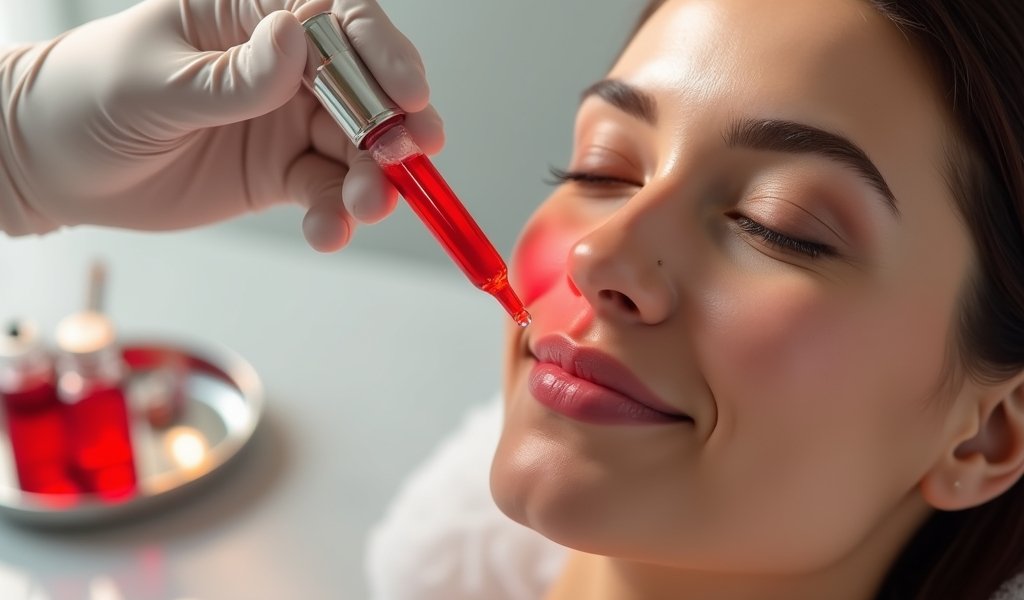
- 7 Proven Benefits of PRP Facial Treatments
- Who is an Ideal Candidate for PRP Facial Therapy?
- What to Expect: The PRP Procedure Process
- Recovery and Results: What to Anticipate
- Potential Risks and Side Effects to Consider
- Cost Factors and Considerations
- PRP vs. Other Facial Rejuvenation Alternatives
- Conclusion: Is PRP Treatment Right for You?
- Frequently Asked Questions
Understanding PRP Treatment for Face: An Overview
PRP treatment for face, short for Platelet-Rich Plasma therapy, has emerged as a revolutionary approach in aesthetic medicine. This innovative procedure harnesses your body’s natural healing abilities to rejuvenate facial skin without synthetic fillers or chemicals. As a dermatologist who has administered hundreds of these treatments, I’ve witnessed remarkable transformations in patients seeking natural facial rejuvenation.
The procedure involves drawing a small amount of your blood, processing it to concentrate the platelets, and then reinjecting this potent solution into targeted facial areas. What makes PRP unique is that it uses your own biological material—nothing artificial is introduced to your skin. The concentrated platelets contain growth factors that stimulate collagen production, enhance tissue repair, and promote cell turnover.
PRP treatment has gained popularity among those seeking to address various signs of aging and skin concerns while avoiding more invasive procedures. It’s particularly appealing because it offers noticeable improvements with minimal downtime, making it an excellent option for busy professionals who can’t afford extended recovery periods. Let’s delve deeper into how this remarkable treatment works and the benefits it offers at our skin wellness center.
How PRP Treatment Works: The Science Behind the Magic
The science behind PRP treatment for face is both fascinating and straightforward. When isolated and concentrated, the platelets in your blood become powerful healing agents. These tiny cell fragments are primarily known for clotting, but they also contain hundreds of proteins called growth factors that play a crucial role in healing injuries and regenerating tissue.
During the PRP procedure, a small blood sample is drawn, similar to a routine blood test. This sample is then placed in a centrifuge—a machine that spins the blood at high speeds to separate its components. The spinning process isolates the platelets and plasma from other blood components like red and white blood cells. The resulting platelet-rich plasma contains 5-10 times the concentration of platelets found in normal blood.
When this concentrated solution is injected into your facial tissues, these growth factors immediately get to work. They stimulate the production of collagen—the protein responsible for skin’s strength and elasticity—and attract stem cells to the area to promote tissue regeneration. Research in regenerative medicine confirms that these growth factors enhance the body’s natural healing process, leading to improved skin texture and tone.
What’s truly remarkable about PRP therapy is that it triggers a progressive regeneration process. While you’ll notice some immediate improvements due to the volume of injected plasma, the real magic happens over the following weeks as your skin creates new collagen and blood vessels, resulting in naturally rejuvenated skin.
7 Proven Benefits of PRP Facial Treatments
1. Reduces Fine Lines and Wrinkles
PRP treatment effectively diminishes fine lines and wrinkles by stimulating collagen production. As we age, collagen production naturally decreases, leading to skin laxity and the formation of wrinkles. The growth factors in PRP kickstart fibroblast activity, helping your skin rebuild its collagen framework. Many patients report visible softening of crow’s feet, forehead lines, and nasolabial folds after a series of treatments.
2. Improves Skin Texture and Tone
Uneven skin texture and tone can age your appearance significantly. PRP therapy addresses these concerns by promoting cell turnover and enhancing overall skin quality. The treatment stimulates the production of new, healthy skin cells while improving microcirculation. Patients typically notice smoother, more radiant skin with a more uniform complexion within weeks of treatment.
3. Minimizes Acne Scarring
For those struggling with acne scars, PRP offers a promising solution. The regenerative properties of platelets help rebuild damaged skin tissue and improve the appearance of indented scars. Clinical studies have demonstrated that multiple PRP sessions can significantly reduce the depth and visibility of acne scars, restoring a smoother skin surface.
4. Enhances Skin Hydration
Dehydrated skin often appears dull and accentuates fine lines. PRP treatment naturally improves skin hydration by optimizing cellular function and improving blood flow to facial tissues. This enhanced circulation ensures better delivery of nutrients and oxygen to skin cells, resulting in a naturally dewy, plump appearance that many patients find remarkable.
5. Tightens Sagging Skin
Loss of skin elasticity is a common concern as we age. PRP therapy helps tighten loose skin by strengthening the structural support beneath the skin’s surface. The growth factors in PRP encourage the production of elastin alongside collagen, helping restore some of the skin’s youthful bounce and firmness. This benefit is particularly noticeable around the jawline, cheeks, and neck.
6. Reduces Dark Circles and Under-Eye Hollows
The delicate under-eye area responds remarkably well to PRP treatment. The therapy addresses the root causes of dark circles and hollowing by improving circulation, reducing pigmentation, and adding volume through tissue regeneration. Many patients report looking more rested and refreshed after targeting this area with PRP injections available at our wellness clinic near me.
7. Provides Long-Lasting Results
Unlike some cosmetic treatments that offer only temporary improvements, PRP delivers progressive results that continue to develop over time. Because the treatment stimulates your body’s natural regenerative processes, the benefits can last for 12-18 months following a complete treatment series. This longevity makes PRP an excellent investment in your skin’s health and appearance.
Who is an Ideal Candidate for PRP Facial Therapy?
PRP facial therapy works best for individuals seeking natural skin improvement without invasive procedures. Generally, ideal candidates include people in their 30s to 60s who are beginning to notice signs of aging but have relatively good skin health overall. Since the treatment uses your own blood, it’s suitable for most skin types and tones—a significant advantage over some laser treatments that pose risks for darker skin.
You might be an excellent candidate for PRP if you’re concerned about early signs of aging like fine lines, mild to moderate skin laxity, or dullness. It’s particularly beneficial for those looking to improve overall skin quality rather than dramatically changing facial features. Patients with acne scarring or sun damage also respond well to this regenerative approach.
However, not everyone is an ideal candidate. Those with blood disorders, clotting conditions, or certain autoimmune disorders may need to explore alternative treatments. Similarly, individuals taking blood thinners or with active skin infections should postpone treatment. Pregnant or breastfeeding women are typically advised to wait before undergoing PRP therapy.
The best way to determine if you’re a good candidate is through a personalized consultation with a qualified provider who can assess your specific skin concerns, medical history, and aesthetic goals. They can help set realistic expectations about what PRP can achieve for your unique situation and whether it aligns with your desired outcomes.
What to Expect: The PRP Procedure Process
The PRP treatment process typically begins with a thorough consultation to assess your skin concerns and determine if you’re a suitable candidate. Once approved, the actual procedure follows several distinct steps designed to maximize both comfort and results.
First, your practitioner will cleanse your face and may apply a topical numbing cream to minimize any discomfort during the procedure. While the numbing agent takes effect (usually 20-30 minutes), a small blood sample—typically 10-15ml, similar to what’s taken during routine blood work—will be drawn from your arm.
Your blood sample is then placed in a centrifuge machine that spins at high speed to separate the blood components. This critical process isolates the platelet-rich plasma from red blood cells and other components. The resulting golden-colored PRP contains the concentrated growth factors that will stimulate skin rejuvenation.
Once prepared, the PRP is administered to your face using one of several possible techniques:
- Microinjection: Small amounts are injected directly into specific problem areas using a very fine needle
- Microneedling with PRP: A device creates tiny channels in the skin while the PRP is applied topically to penetrate deeply
- The “Vampire Facial”: Combines microneedling with direct PRP application for maximum absorption
The entire procedure typically takes 60-90 minutes from start to finish. Many practitioners recommend taking before photos so you can track your progress objectively over time. While a single session can show results, most wellness services recommend a series of 2-3 treatments spaced 4-6 weeks apart for optimal outcomes.
Recovery and Results: What to Anticipate
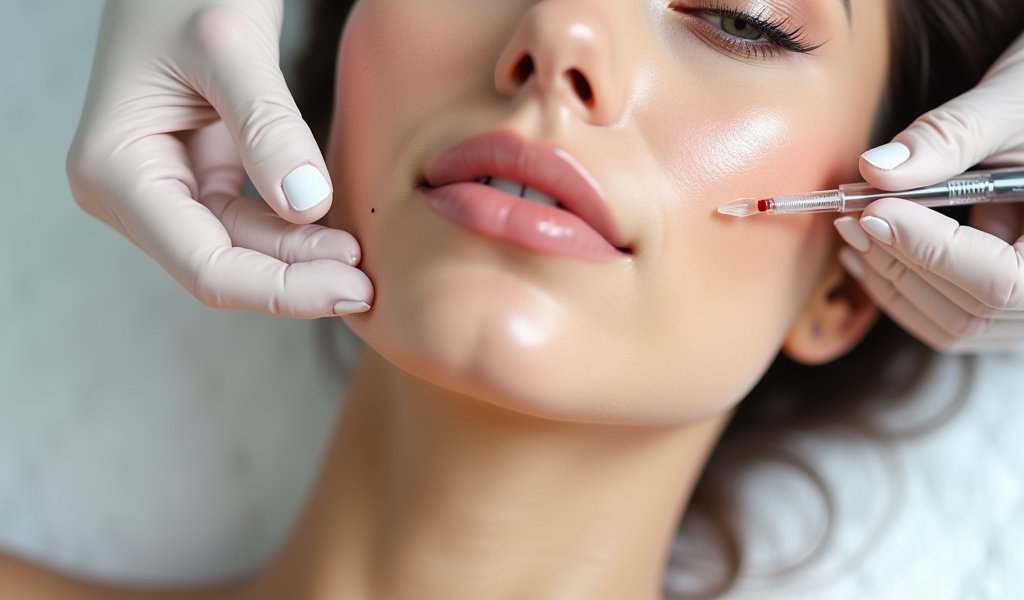
Recovery from PRP treatment for face is relatively quick compared to more invasive procedures, which is one reason for its growing popularity. Immediately after treatment, you can expect some redness, similar to a mild sunburn, and possibly minor swelling or bruising at injection sites. These effects are completely normal and typically subside within 24-72 hours.
Most patients can return to their normal activities the very next day, though it’s advisable to avoid intense exercise, excessive sun exposure, and alcoholic beverages for at least 24 hours after treatment. Your provider may recommend specific gentle skincare products to use during the initial recovery phase to maximize comfort and results.
As for results, PRP works progressively. Some patients notice an immediate “glow” due to the microinjury stimulation and volume of the plasma, but the significant improvements develop over time as your skin regenerates. You’ll likely notice initial improvements in skin texture and tone within 2-3 weeks as inflammation subsides and healing begins.
The most dramatic results typically become visible 1-2 months after treatment as collagen production ramps up. According to the American Society of Plastic Surgeons, these improvements continue progressively for up to 3 months following each session. For optimal and longer-lasting results, most practitioners recommend an initial series of 2-3 treatments spaced 4-6 weeks apart, followed by maintenance treatments every 6-12 months.
Remember that individual results vary based on your age, skin condition, and how your body responds to the treatment. Many patients report that their skin continues to improve with subsequent sessions as the cumulative effects of collagen stimulation build over time.
Potential Risks and Side Effects to Consider
While PRP treatment for face is generally considered safe, it’s important to understand the potential risks and side effects before proceeding. Because the procedure uses your own blood, allergic reactions are extremely rare, which is a significant advantage over many other cosmetic treatments.
The most common side effects are mild and temporary, including redness, swelling, bruising, and tenderness at injection sites. These typically resolve within a few days. Some patients experience a tight or “full” feeling in treated areas, which usually subsides within 24-48 hours as the plasma is absorbed.
More serious but rare complications may include infection at injection sites, injury to blood vessels or nerves, tissue damage, or granuloma formation. These risks are significantly minimized when the procedure is performed by a qualified healthcare professional in a clean, clinical environment using proper techniques.
Certain individuals face higher risk factors and should approach PRP with caution. These include people with blood disorders like thrombocytopenia (low platelet count), clotting disorders, or those taking blood thinners. Individuals with active skin infections, certain autoimmune conditions, or cancer should consult with their primary care physician before considering PRP treatment.
To minimize risks, always choose a qualified provider with specific training in PRP procedures, and be completely transparent about your medical history during your consultation. Following pre and post-treatment instructions carefully will also help ensure the safest possible experience and optimal results.
Cost Factors and Considerations
The cost of PRP treatment for face varies considerably based on several factors. Typically, you can expect to pay between $600-$1,200 per session in most regions of the United States. However, prices can range more widely depending on your location, the provider’s expertise, and the specific approach used.
Several factors influence the final price tag. Geographic location plays a significant role—treatments tend to cost more in major metropolitan areas and regions with a higher cost of living. The practitioner’s credentials and experience level also impact pricing, with board-certified dermatologists or plastic surgeons often charging more than medical spas or less specialized providers.
The specific technique used matters too. PRP combined with microneedling typically costs more than PRP injections alone. Similarly, treatments targeting multiple facial concerns or larger areas will generally be priced higher than those focusing on a single, small region like under-eyes.
It’s important to remember that most patients require a series of treatments—typically 2-3 sessions spaced 4-6 weeks apart—to achieve optimal results. When budgeting, consider the total investment for a complete treatment course rather than just a single session. Many providers offer package discounts when multiple sessions are purchased together.
While insurance typically doesn’t cover PRP treatments for cosmetic purposes, some medical offices offer financing options or payment plans to make the treatment more accessible. When comparing prices, be sure to ask what’s included—some quoted prices might cover the entire procedure while others might have additional fees for the blood draw or preparation process.
PRP vs. Other Facial Rejuvenation Alternatives
When considering facial rejuvenation options, it’s helpful to understand how PRP treatment compares to alternatives. Each approach has its unique benefits, limitations, and ideal applications depending on your specific concerns and goals.
Unlike dermal fillers and Botox, which use synthetic substances to add volume or relax muscles temporarily, PRP stimulates your body’s natural regenerative processes. While fillers provide immediate volume that typically lasts 6-18 months, PRP delivers more gradual improvements that can continue developing for months after treatment. For patients seeking natural-looking enhancement without foreign substances, PRP offers a compelling advantage.
Compared to laser treatments and chemical peels, PRP is generally gentler with less downtime. Lasers and peels work by creating controlled damage to remove damaged skin cells, which can require several days of redness and peeling. PRP’s recovery is typically shorter, making it more suitable for those who can’t afford extended downtime. However, for significant textural issues or deep wrinkles, laser treatments might deliver more dramatic results.
Microneedling is often compared to PRP, but the two are frequently combined for enhanced results. While microneedling alone creates microchannels that stimulate collagen production, adding PRP amplifies these benefits by delivering growth factors directly to the deeper skin layers. Studies have demonstrated that combining these approaches yields superior outcomes compared to either treatment alone.
Surgical procedures like facelifts offer more dramatic and immediate results for significant skin laxity but involve greater risks and recovery time. PRP provides a middle-ground option for those not ready for surgery but seeking more improvement than topical products can deliver.
The ideal approach often depends on your specific concerns, desired recovery time, budget, and comfort level with different intervention types. Many practitioners recommend combination approaches—such as PRP with targeted filler placement—for comprehensive facial rejuvenation tailored to individual needs.
Conclusion: Is PRP Treatment Right for You?
PRP treatment for face represents an exciting middle ground in facial rejuvenation—more effective than topical products alone but less invasive than surgical options. Its greatest strength lies in its natural approach, using your body’s own healing mechanisms to improve skin quality gradually and authentically.
For those concerned about early to moderate signs of aging, seeking improvement in skin texture and tone, or looking to address issues like acne scarring, PRP offers a compelling option with relatively minimal downtime. The progressive nature of results means you’ll continue seeing improvements for months after treatment, creating a natural-looking enhancement that doesn’t dramatically change your appearance overnight.
However, PRP isn’t a miracle solution for everyone. Those with significant skin laxity, deep wrinkles, or advanced signs of aging might achieve more satisfying results from more aggressive treatments or surgical intervention. Your expectations, budget, and willingness to undergo multiple sessions should all factor into your decision.
The best way to determine if PRP is right for you is through a personalized consultation with a qualified provider who can assess your specific concerns and skin condition. They can help you understand what realistic results might look like for your unique situation and whether PRP alone or in combination with other treatments would best achieve your goals.
Remember that skin health is a journey, not a destination. PRP can be an excellent component of a comprehensive skincare approach that also includes proper sun protection, quality home care products, and healthy lifestyle choices. By combining these elements, you can work toward achieving your most radiant, healthy skin at any age.
Frequently Asked Questions
How many PRP treatments are needed for optimal results?
Most patients require 2-3 treatments spaced 4-6 weeks apart for optimal results. Maintenance treatments are typically recommended every 6-12 months to sustain improvements.
How painful is PRP treatment for face?
Most patients report minimal discomfort as topical numbing cream is typically applied before the procedure. You may feel slight pinching or pressure during injections, but severe pain is uncommon.
How long do results from facial PRP treatments last?
Results typically last between 12-18 months, depending on individual factors like age, skin condition, and lifestyle. Regular maintenance treatments can help extend and enhance results.
Can PRP be combined with other treatments?
Yes, PRP is often combined with microneedling, dermal fillers, or laser treatments for enhanced results. Your provider can recommend the best combination approach for your specific concerns.
Is there anyone who should not get PRP treatment?
People with blood disorders, clotting issues, certain autoimmune diseases, or active skin infections should avoid PRP. Pregnant or breastfeeding women and those on blood thinners should also consult their doctor before proceeding.