

Overview
Who knew that peeing without leaking would become a post-cancer victory worth celebrating? This article presents ten evidence-based fitness strategies for men recovering from proton therapy for prostate cancer, including pelvic floor exercises, walking programs, strength training modifications, and mind-body techniques, all designed to rebuild physical function while respecting the body’s healing process.
Table of Contents
- Understanding Your Post-Treatment Body
- Hack #1: Start With Gentle Pelvic Floor Exercises
- Hack #2: Walking Program for Endurance Building
- Hack #3: Modified Strength Training
- Hack #4: Hydration Strategies for Bladder Health
- Hack #5: Nutrition to Support Muscle Recovery
- Hack #6: Mind-Body Exercises for Stress Reduction
- Hack #7: Fatigue Management Through Activity Pacing
- Hack #8: Working with a Physical Therapist
- Hack #9: Tracking Progress Effectively
- Hack #10: Building a Supportive Fitness Community
- Moving Forward After Proton Therapy
- Frequently Asked Questions
Bouncing back after proton treatment for prostate cancer isn’t always straightforward. Your body has been through a lot, and getting back to your fitness routine might feel like navigating unfamiliar territory. The good news? With some smart adjustments, you can rebuild your strength, endurance, and confidence in ways that respect your recovery journey.
Proton therapy offers significant advantages over conventional radiation treatments, with its precision targeting that spares surrounding healthy tissue. But even with these benefits, your body needs thoughtful care as it heals. These 10 fitness hacks are designed specifically for men recovering from proton therapy for prostate cancer, helping you rebuild fitness while respecting your body’s current needs.
Understanding Your Post-Treatment Body
After proton treatment for prostate cancer, your body is in recovery mode. Unlike traditional radiation, proton therapy delivers radiation directly to the tumor with minimal exposure to surrounding healthy tissues. This precision approach typically means fewer side effects, but your body is still healing from a significant medical procedure.
Common post-treatment experiences include fatigue, temporary bladder or bowel changes, and potential weakness in the pelvic floor muscles. Some men also notice subtle changes in how their body responds to exercise—what once felt easy might temporarily feel challenging.
Recovery isn’t a straight line. Some days you’ll feel energized and ready to conquer the world, while others might have you reaching for the couch—and both are completely normal. Setting realistic expectations is your first step toward a successful fitness comeback.

Hack #1: Start With Gentle Pelvic Floor Exercises
Your pelvic floor muscles are the unsung heroes of recovery after prostate treatment. These muscles support everything from bladder control to sexual function, making them priority number one in your fitness rebuild.
Start with basic Kegel exercises: tighten the muscles you would use to stop urination midstream, hold for 3-5 seconds, then release. Begin with just 10 repetitions, three times daily. The beauty of these exercises? You can do them anywhere—during your morning coffee, while watching TV, or even during boring Zoom meetings.
As your strength improves, try more advanced variations like elevator Kegels (tightening in stages) or incorporating them into gentle bridges or core exercises. A physical therapist specializing in pelvic health can provide personalized guidance based on your specific recovery needs.
Hack #2: Walking Program for Endurance Building
Walking is the perfect low-impact activity to rebuild cardiovascular endurance after proton therapy. It’s gentle on your healing tissues while providing enough stimulus to improve heart and lung function.
Start with distances that feel comfortable—even if it’s just to the mailbox and back. Each week, aim to increase your distance by about 10-15%. A realistic progression might look like:
- Week 1: 5-10 minutes of walking
- Week 2: 10-15 minutes
- Week 3: 15-20 minutes
The key to consistency is making it enjoyable. Create a walking playlist with your favorite upbeat songs, find a scenic route with interesting views, or recruit a walking buddy. Many cancer survivors find that walking groups provide both exercise and valuable social support during recovery.
Hack #3: Modified Strength Training
Rebuilding muscle after proton treatment doesn’t require heavy weights or intense sessions. In fact, gentler approaches are far more appropriate during this healing phase.
Resistance bands are perfect tools for this stage, offering adjustable resistance without the joint stress of traditional weights. Focus first on large muscle groups that support daily activities: legs, back, and core. Simple exercises like band rows, gentle wall squats, and modified chest presses can help restore functional strength.
An important rule: avoid heavy lifting (anything over 10 pounds) for at least 6-8 weeks after treatment, or as advised by your healthcare provider. Research shows that appropriate strength training can significantly improve quality of life for prostate cancer survivors, but timing and proper progression are crucial.
Hack #4: Hydration Strategies for Bladder Health
Proper hydration takes on new importance after prostate treatment. Good hydration helps flush your system and promotes healing, but the timing and approach matter.
Instead of drinking large amounts at once (which can overwhelm a sensitive bladder), try sipping water consistently throughout the day. Consider setting a gentle hourly reminder on your phone to take a few sips.
Water is always the gold standard, but if plain water bores you, try infusing it with cucumber slices, berries, or a splash of juice for flavor without added sugars or irritants. Limit caffeine and alcohol, which can irritate the bladder and contribute to dehydration.
Hack #5: Nutrition to Support Muscle Recovery
Your body needs quality fuel to rebuild, and protein becomes especially important after cancer treatment. Aim for small, protein-rich meals and snacks throughout the day, which can be easier on your digestive system than three large meals.
Good protein sources include Greek yogurt, eggs, lean poultry, fish, beans, and lentils. Plant-based options are particularly beneficial as they often contain anti-inflammatory compounds that support healing. Cancer dietary specialists recommend emphasizing colorful fruits and vegetables that provide antioxidants to support recovery.
Try to include some protein within 30-45 minutes after exercise to support muscle recovery. A simple smoothie with protein powder, berries, and a handful of spinach can be both nutritious and easy to digest.
Hack #6: Mind-Body Exercises for Stress Reduction
The physical challenges of recovery often get the spotlight, but the mental and emotional aspects deserve equal attention. Stress can literally tighten your muscles and slow healing, making mind-body exercises powerful tools in your recovery toolkit.
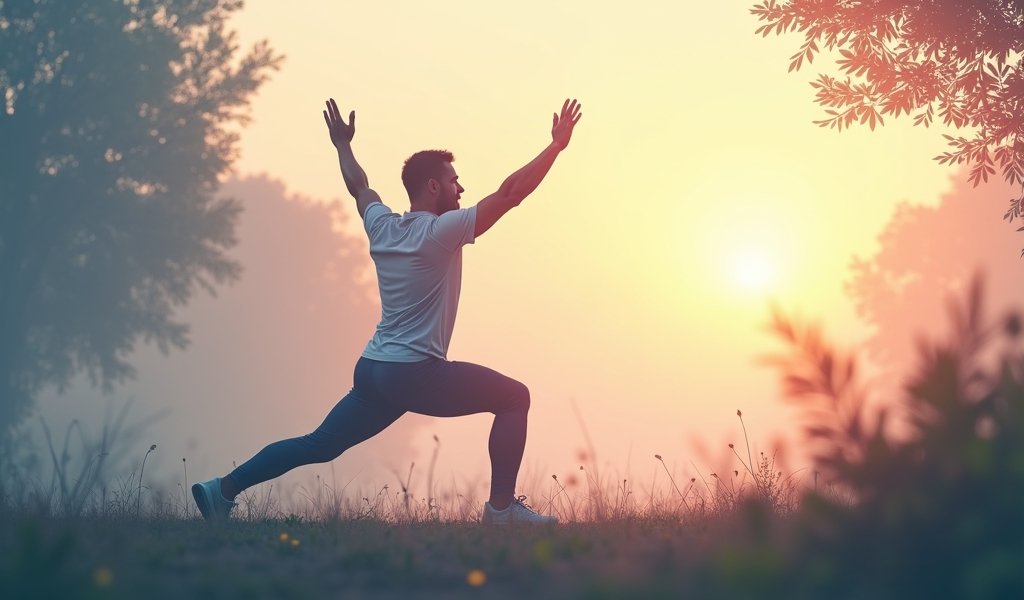
Modified yoga poses like gentle seated twists, supported bridge pose, or child’s pose can improve flexibility while calming the mind. Tai chi’s flowing movements improve balance and have been shown to reduce stress in cancer survivors. Studies show that mind-body practices can significantly reduce cancer-related fatigue and improve quality of life.
For days when even gentle movement feels challenging, simply practicing diaphragmatic breathing can activate your parasympathetic nervous system—your body’s natural relaxation response. Try inhaling slowly for a count of four, holding briefly, then exhaling for a count of six.
Hack #7: Fatigue Management Through Activity Pacing
Post-treatment fatigue isn’t just ordinary tiredness—it’s a different beast entirely. Learning to pace activities becomes essential for sustainable recovery.
Try the “energy envelope” technique: imagine you have a limited amount of energy currency each day. Budget for essential activities, and don’t spend it all in the morning, leaving nothing for the afternoon.
Strategic rest periods before you feel exhausted—rather than waiting until you’re completely depleted—can help maintain more consistent energy levels. Think of it as taking pit stops during a long road trip instead of driving until the gas tank is empty.
Hack #8: Working with a Physical Therapist
While general fitness guidelines are helpful, nothing replaces personalized guidance from a physical therapist experienced in oncology rehabilitation. These specialists understand the unique challenges of prostate cancer recovery and can create a program tailored to your specific needs.
Look for physical therapists certified in oncology rehabilitation or those who have experience working with prostate cancer patients. During your initial consultation, don’t be shy about asking about their specific experience with proton therapy recovery cases.
Many insurance plans cover physical therapy after cancer treatment, though the number of sessions may be limited. Check your benefits, and if coverage is restricted, ask your therapist to focus on creating a home program you can continue independently.
Hack #9: Tracking Progress Effectively
When recovery moves in small increments, tracking progress becomes essential for staying motivated. The key is choosing metrics that are meaningful but not overwhelming.
Simple measurements might include:
- Walking distance or time
- Number of pelvic floor exercise sets completed
- Energy levels on a scale of 1-10
- Hours of quality sleep
- Moments of discomfort versus comfort
Smartphone apps like MyFitnessPal, Fitbit, or cancer-specific apps like LivingWith can help track various aspects of recovery. Even a basic note on your phone or a dedicated journal can be effective—the important thing is consistency in recording your progress, no matter how small it might seem.
Hack #10: Building a Supportive Fitness Community
Rebuilding fitness after proton treatment shouldn’t be a solo journey. Connecting with others who understand your experience can provide motivation, accountability, and valuable perspective.
Many hospitals and cancer centers offer survivor fitness programs specifically designed for people recovering from treatment. Organizations like LIVESTRONG at the YMCA provide cancer-specific exercise programs nationwide that understand the unique needs of cancer survivors.
Online communities can also provide support when in-person options aren’t available. Facebook groups, Reddit communities like r/ProstateCancer, or the American Cancer Society’s online communities connect survivors across geographic boundaries.
Moving Forward After Proton Therapy
Rebuilding fitness after proton therapy for prostate cancer is less about returning to your pre-cancer self and more about creating a new, sustainable relationship with physical activity. This journey requires patience, self-compassion, and a willingness to adapt.
Each small step forward—whether it’s walking an extra block, mastering a new strength exercise, or simply having more energy for daily activities—represents a victory worth celebrating. Your body has weathered a significant challenge, and the care you show it now will support your health for years to come.
Before implementing any of these fitness hacks, always consult your healthcare team. Your oncologist, radiation oncologist, and primary care physician can provide guidance specific to your medical situation and help you create a safe, effective plan for regaining strength and vitality after proton therapy.
Recovery isn’t just about surviving cancer—it’s about thriving after it. With these fitness hacks as your starting point, you’re well on your way to writing the next chapter of your health story, one that includes strength, resilience, and a renewed appreciation for what your body can achieve.
Frequently Asked Questions
How soon after proton treatment for prostate cancer can I start exercising?
Most men can begin gentle activities like walking and pelvic floor exercises within days of completing treatment. Always follow your doctor’s specific guidelines, as individual recovery timelines may vary.
Will exercise help with urinary problems after proton therapy?
Yes, pelvic floor exercises specifically target the muscles that control urination and can significantly improve bladder control. Consistency with these exercises is key to seeing improvement.
Can I return to weightlifting after proton treatment?
Most men can gradually return to weightlifting, but should avoid heavy lifting (over 10 pounds) for 6-8 weeks after treatment. Start with light resistance and progress slowly under professional guidance.
How is proton therapy different from traditional radiation for prostate cancer?
Proton therapy delivers radiation precisely to the tumor with minimal exposure to surrounding healthy tissues. This precision typically results in fewer side effects and complications compared to traditional radiation.
Will exercise help with fatigue after proton therapy?
Yes, appropriate exercise has been shown to reduce cancer-related fatigue. Start with gentle activities and gradually increase intensity as your energy improves.