
Overview
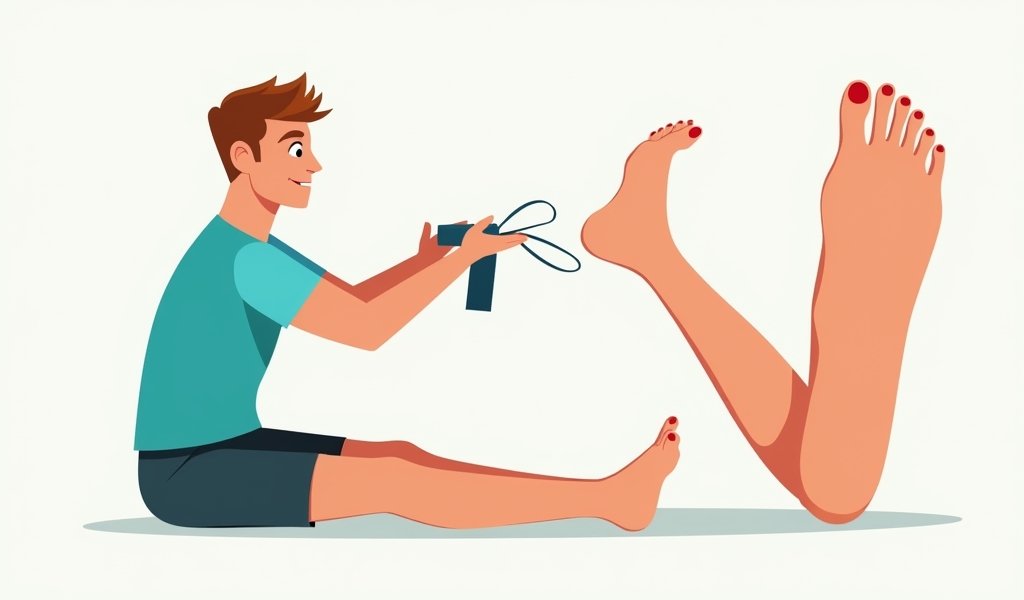
Who knew that tiny pinky toe could cause such big problems? This article provides practical solutions for pinky toe pain, covering common causes like ill-fitting shoes and bunionettes, along with effective relief strategies including proper footwear, toe spacers, and home remedies, while emphasizing when to seek medical attention for persistent or severe symptoms.
Table of Contents
- Understanding Pinky Toe Pain: Causes and Symptoms
- Common Causes of Pinky Toe Pain
- Diagnosing Pinky Toe Pain: When to See a Doctor
- 7 Proven Relief Tips for Pinky Toe Pain
- Prevention Strategies for Pinky Toe Pain
- Effective Home Remedies for Pinky Toe Pain
- Long-Term Solutions for Chronic Pinky Toe Pain
- Conclusion
- Frequently Asked Questions
That nagging pinky toe pain might seem like a minor annoyance, but anyone who’s experienced it knows how quickly it can affect your daily life. Whether you’re struggling to find comfortable shoes or limping through your morning walk, pinky toe discomfort deserves proper attention and care. As a podiatric specialist with over a decade of experience, I’ve seen countless patients find relief from this common but often overlooked problem.
In this comprehensive guide, we’ll explore everything you need to know about pinky toe pain – from identifying the root causes to implementing effective relief strategies. By the end of this article, you’ll have a clear understanding of why your smallest toe might be causing such big problems and, more importantly, what you can do about it.
Understanding Pinky Toe Pain: Causes and Symptoms
Pinky toe pain might seem insignificant, but it can seriously impact your mobility and quality of life. The fifth toe, despite its small size, bears considerable weight during walking and plays an important role in balance and stability. When pain strikes this tiny digit, your entire gait can change as you unconsciously adjust to avoid discomfort.
The most common symptoms associated with pinky toe pain include:
- Sharp, stabbing pain when walking or standing
- Redness and swelling around the toe
- Bruising or discoloration
- Difficulty wearing shoes comfortably
- Stiffness or limited range of motion
- Burning sensation, particularly between the pinky and fourth toe
Interestingly, pinky toe pain affects more women than men, with research suggesting this disparity may be linked to footwear choices. However, regardless of gender, understanding the specific nature of your pain is the first step toward finding effective relief.
Common Causes of Pinky Toe Pain
Pinky toe pain rarely appears without reason. In most cases, the discomfort can be traced to specific causes, many of which are preventable with proper awareness. Let’s explore the most frequent culprits behind that troublesome pinky toe pain:
Ill-fitting Footwear
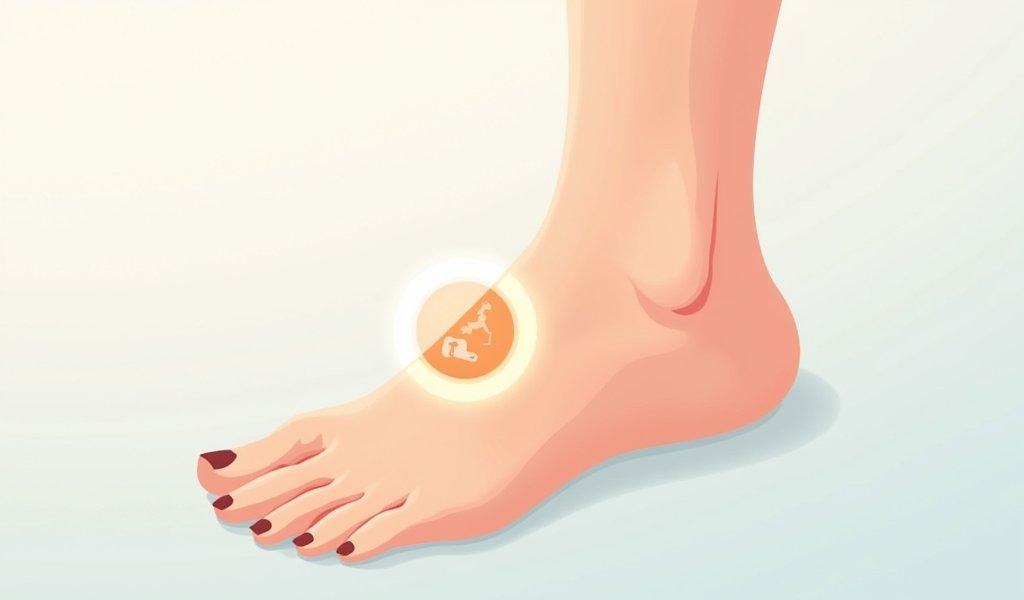
Without a doubt, the number one cause of pinky toe pain is improper footwear. Shoes that are too narrow squeeze the toes together, creating friction and pressure on the pinky toe. High heels compound this problem by forcing weight forward and cramming toes into tight spaces. Even seemingly comfortable shoes can cause problems if they don’t provide adequate width in the toe box.
Finding proper footwear for your lifestyle isn’t just about comfort—it’s essential for foot health. Look for shoes with a wide toe box that allows your toes to spread naturally when standing and walking.
Corns and Calluses
When your pinky toe repeatedly rubs against your shoe, your body responds by creating thickened areas of skin called corns and calluses. While these formations are your body’s way of protecting itself, they can become painful, especially when pressure is applied. The hardened skin often develops a painful core that can feel like walking with a pebble in your shoe.
Bunionettes (Tailor’s Bunion)
Often called a “tailor’s bunion,” a bunionette is a bony bump that forms at the base of the pinky toe. Historically, this condition earned its name because tailors traditionally sat cross-legged with the outside of their feet rubbing on the floor. The constant pressure led to this painful deformity. Today, bunionettes are more commonly caused by hereditary factors, foot structure, and—you guessed it—poor-fitting shoes.
Fractures and Trauma
The pinky toe’s exposed position makes it vulnerable to injuries. From stubbing your toe on furniture (we’ve all been there) to dropping objects on your foot, acute trauma can lead to fractures or soft tissue damage. Because of the toe’s small size, people often underestimate these injuries and fail to seek appropriate care.
According to research published in the Journal of Orthopaedic & Sports Physical Therapy, nearly 60% of fifth toe fractures are initially misdiagnosed as simple bruises, leading to prolonged healing times and chronic pain.
Hammertoe
This deformity causes the toe to bend abnormally at the middle joint, creating a hammer-like appearance. When this affects the pinky toe, it often leads to painful pressure points where the bent toe contacts shoes. Hammertoe typically develops gradually due to muscle imbalances, improper footwear, or structural abnormalities.
Arthritis
Though less common in the pinky toe than in larger joints, arthritis can affect any joint in the body. Osteoarthritis, rheumatoid arthritis, and gout can all cause significant pain in the small joints of the toe. People with inflammatory forms of arthritis often benefit from an anti-inflammatory diet for arthritis management.
Diagnosing Pinky Toe Pain: When to See a Doctor
While many cases of pinky toe pain can be managed at home, certain symptoms warrant professional medical attention. Don’t delay seeking help if you experience:
- Severe pain that prevents walking or standing
- Significant swelling, redness, or warmth that might indicate infection
- Pain that doesn’t improve after 1-2 weeks of home treatment
- Visible deformity or misalignment of the toe
- Pain accompanied by fever or chills
- Diabetes or circulatory problems along with toe pain (even minor foot problems require prompt attention)
When you visit a healthcare provider, they’ll likely perform a physical examination, assess your gait, and review your footwear. In some cases, imaging tests such as X-rays or MRIs might be necessary to evaluate bone or soft tissue damage. Be prepared to discuss when your pain started, what makes it better or worse, and any activities that might have contributed to the problem.
Early diagnosis is crucial for effective treatment, especially with conditions like fractures or infections that can worsen significantly if left untreated. Remember, no amount of toe pain is “normal” and persistent discomfort always deserves proper medical evaluation.
7 Proven Relief Tips for Pinky Toe Pain
Now, let’s dive into what you’ve been waiting for—practical, effective strategies to alleviate pinky toe pain. These evidence-based approaches can provide both immediate relief and long-term benefits:
1. Rest and Elevate
The simplest interventions are often the most effective. Take weight off your affected foot by resting and elevating it whenever possible. This reduces pressure and helps minimize swelling by improving circulation and lymphatic drainage. Try to elevate your foot above the level of your heart for maximum benefit, especially after long periods of standing or walking.
2. Ice Therapy
Cold therapy remains one of the most effective ways to reduce inflammation and numb pain. Apply an ice pack (wrapped in a thin towel to protect your skin) to the painful area for 15-20 minutes at a time, several times daily. This approach works particularly well for acute injuries and inflammatory conditions.
For a convenient solution, freeze water in a small paper cup, peel the top edge, and use the exposed ice to massage the affected area in small circular motions. This provides both cold therapy and gentle massage in one treatment.
3. Proper Footwear Adjustments
Addressing footwear issues can provide immediate relief and prevent recurrence. Look for shoes with:
- Wide, rounded toe boxes that don’t compress your toes
- Proper arch support to distribute weight evenly
- Low heels (under 2 inches) to reduce pressure on the forefoot
- Adjustable closures (laces, straps) to accommodate foot swelling throughout the day
Consider visiting a specialty shoe store where trained staff can help you find the right fit. Many people wear shoes that are too small without realizing it, as studies from the American Academy of Family Physicians show that up to 72% of people wear shoes that don’t properly accommodate their foot width.
4. Toe Spacers and Pads
These simple devices can work wonders for pinky toe pain. Toe spacers placed between the fourth and fifth toes help maintain proper alignment and reduce friction. Similarly, protective silicone sleeves or gel caps can cushion painful areas and prevent further irritation. These inexpensive solutions are widely available at pharmacies and can provide immediate relief, especially when worn inside shoes.
5. Stretching Exercises
Regular toe stretches can help maintain flexibility and reduce tension. Try these simple exercises daily:
- Toe spreading: While seated, place your feet flat on the floor and consciously spread your toes as wide as possible. Hold for 5 seconds, then relax. Repeat 10 times.
- Towel grabs: Place a small towel on the floor and use your toes to scrunch it toward you. This strengthens the intrinsic foot muscles that help support your toes.
- Marble pickup: Place marbles on the floor and practice picking them up with your toes to improve dexterity and strength.
Consistent stretching not only alleviates current pain but helps prevent future problems by maintaining proper toe function and alignment.
6. Over-the-Counter Pain Relief
Non-prescription analgesics can provide temporary relief from pinky toe pain. Nonsteroidal anti-inflammatory drugs (NSAIDs) like ibuprofen or naproxen address both pain and inflammation. Alternatively, acetaminophen can help with pain management if NSAIDs aren’t appropriate for you. Always follow package directions and consult with a healthcare provider if you’re taking other medications or have underlying health conditions.
7. Epsom Salt Soaks
A warm Epsom salt bath can work wonders for achy feet. The magnesium sulfate in Epsom salts is absorbed through the skin and helps reduce inflammation while relaxing tense muscles. Dissolve half a cup of Epsom salt in a basin of warm water and soak your feet for 15-20 minutes. This soothing treatment is particularly helpful after a long day on your feet or when dealing with stress-related foot tension.
Complement your foot soak with a wellness foot spa treatment for even greater relief. The combination of warmth, massage, and relaxation can significantly reduce discomfort and promote healing.
Prevention Strategies for Pinky Toe Pain
As the saying goes, an ounce of prevention is worth a pound of cure. Implementing these strategies can help you avoid pinky toe pain before it starts:
- Measure your feet regularly: Foot size can change throughout adulthood due to weight fluctuations, pregnancy, aging, and other factors. Have your feet professionally measured at least once a year.
- Shop for shoes in the afternoon: Feet naturally swell throughout the day, so shopping later ensures you’ll get shoes that fit even when your feet are at their largest.
- Break in new shoes gradually: Wear new shoes for short periods initially, gradually increasing time as they conform to your feet.
- Alternate your footwear: Avoid wearing the same shoes every day to prevent repetitive pressure on the same areas.
- Maintain a healthy weight: Extra pounds mean extra pressure on your feet, which can exacerbate toe pain.
- Practice good foot hygiene: Keep feet clean and dry to prevent infections that can complicate existing toe problems.
Effective Home Remedies for Pinky Toe Pain
Beyond the relief tips mentioned earlier, these additional home remedies can help address specific causes of pinky toe pain:
For Corns and Calluses
Soften hardened skin with a warm water soak, then gently file the thickened area with a pumice stone or foot file. Never cut corns or calluses, especially if you have diabetes or circulatory problems. After filing, apply a moisturizing cream containing urea or salicylic acid to help dissolve the hardened skin gradually.
Cover the area with a corn pad (with the hole positioned over the corn itself) to relieve pressure while the skin heals. Remember to address the underlying cause—usually friction from shoes—to prevent recurrence.
For Bunionettes
While home remedies can’t reverse a bunionette deformity, they can help manage discomfort. Try using bunionette pads or cushions specifically designed for the fifth toe. These create a protective barrier between the bony prominence and your shoes.
Gentle massage of the affected area can improve circulation and reduce pain. Using your thumb and index finger, apply moderate pressure and move in small circular motions for 2-3 minutes several times daily. Follow with a topical anti-inflammatory cream for additional relief.
For Minor Fractures or Sprains
The classic R.I.C.E. protocol (Rest, Ice, Compression, Elevation) remains the gold standard for minor injuries. For small toes, “buddy taping”—securing the injured toe to its neighboring toe with medical tape and a small cotton pad between them—can provide stability and protection during healing.
Remember that even minor fractures may require proper medical assessment. If pain persists or walking remains difficult after 48 hours of home care, seek professional evaluation.
Long-Term Solutions for Chronic Pinky Toe Pain
For those dealing with persistent or recurring pinky toe pain, these longer-term approaches may be necessary:
Custom Orthotics
Prescription foot orthoses can address underlying biomechanical issues that contribute to pinky toe pain. Unlike over-the-counter insoles, custom orthotics are precisely molded to your feet and designed to correct specific problems. They can redistribute pressure, improve alignment, and provide targeted support where you need it most.
While more expensive than off-the-shelf options, custom orthotics often provide superior results for chronic conditions. Many insurance plans cover at least a portion of their cost when prescribed by a healthcare provider.
Physical Therapy
A licensed physical therapist can develop a personalized program to address muscle imbalances, improve range of motion, and correct gait abnormalities that may contribute to pinky toe pain. Through targeted exercises, manual therapy, and education, physical therapy addresses not just symptoms but underlying causes.
Most treatment plans include home exercises to reinforce in-office work, making this approach both effective and empowering for patients seeking long-term relief.
Medical Procedures
When conservative treatments fail to provide adequate relief, medical interventions may be considered:
- Corticosteroid injections: These can provide temporary but significant relief from inflammation and pain, particularly for conditions like arthritis.
- Minimally invasive procedures: Techniques such as cryotherapy for neuromas or ultrasound-guided treatments offer less invasive alternatives to traditional surgery.
- Surgical correction: For severe deformities or persistent pain, surgical options range from simple bone shaving to joint fusion or reconstruction. Modern techniques often allow for faster recovery and smaller incisions than in the past.
Always exhaust conservative options before considering surgery. A good healthcare provider will recommend a stepwise approach, progressing from least to most invasive treatments as needed.
Conclusion
Pinky toe pain might affect the smallest toe, but its impact on your comfort and mobility shouldn’t be underestimated. With the right approach, most cases can be effectively managed and even completely resolved. Remember that successful treatment begins with identifying the specific cause of your discomfort and then applying targeted interventions.
From simple lifestyle adjustments like changing your footwear to medical treatments for more complex conditions, the range of available solutions means you don’t have to live with pinky toe pain. By implementing the strategies outlined in this guide and seeking appropriate medical care when needed, you can get back to walking comfortably and focusing on what matters most in your daily life.
Your feet carry you through life—they deserve proper care and attention. Don’t dismiss toe pain as trivial or inevitable. With patience and the right approach, relief is within reach, allowing you to step forward confidently and comfortably once again.
Frequently Asked Questions
Why does my pinky toe hurt when I walk?
Your pinky toe likely hurts when walking due to pressure from tight shoes, a structural issue like a bunionette, or inflammation from overuse. The small toe bears significant weight during the push-off phase of walking, making it susceptible to stress-related pain.
Can I tape my pinky toe to help with pain?
Yes, “buddy taping” your pinky toe to the adjacent fourth toe can provide stability and relief, especially for minor sprains or fractures. Use medical tape with a small cotton pad between toes to prevent skin irritation.
How long does a pinky toe fracture take to heal?
Most pinky toe fractures heal within 4-6 weeks with proper care and rest. Complete healing may take longer for more severe fractures or in people with conditions that affect bone healing, such as diabetes or osteoporosis.
Can I exercise with pinky toe pain?
Low-impact activities like swimming, cycling, or rowing are generally safe with pinky toe pain, as they don’t place direct pressure on the toes. Avoid high-impact exercises like running or jumping until the pain subsides to prevent worsening the condition.
Will I need surgery for my pinky toe pain?
Surgery is rarely the first treatment option for pinky toe pain and is typically considered only after conservative treatments have failed. Most cases resolve with proper footwear, rest, physical therapy, and other non-surgical approaches.