

Overview
Who knew that tiny tendon on the outside of your ankle could cause such a dramatic limp and derail your fitness goals faster than free donuts in the break room? This article provides a five-step recovery plan for peroneus longus tendon tears, covering immediate care, proper diagnosis, rehabilitation exercises, gradual return to activities, and prevention strategies—all aimed at helping patients fully recover and avoid reinjury.
Table of Contents
- Understanding Peroneus Longus Tendon Tears
- Step 1: Immediate Care and Pain Management
- Step 2: Professional Diagnosis and Treatment
- Step 3: Rehabilitation Exercises
- Step 4: Gradual Return to Activities
- Step 5: Prevention Strategies
- Conclusion
- Frequently Asked Questions
Dealing with a peroneus longus tendon tear can feel like a significant setback in your active lifestyle. As a physical therapist with over a decade of experience helping patients through this specific injury, I’ve witnessed the frustration and uncertainty that comes with this diagnosis. The good news? With the right approach, you can recover completely and return to your favorite activities stronger than before. This comprehensive guide walks you through the essential steps for successful recovery from a peroneus longus tendon tear, backed by clinical expertise and recent research.
Understanding Peroneus Longus Tendon Tears
The peroneus longus (also called fibularis longus) is a crucial muscle-tendon unit that runs along the outside of your lower leg, wrapping under your foot to attach at the base of your first metatarsal. This structure plays a vital role in stabilizing your ankle and supporting the arch of your foot during walking, running, and other activities.
When the tendon tears, it typically occurs from sudden trauma—like rolling your ankle inward—or from repetitive stress and overuse. Athletes participating in sports with quick directional changes (tennis, basketball, soccer) face higher risks, though anyone can experience this injury.
A study published in the Journal of Foot and Ankle Research found that peroneal tendon injuries account for approximately 11% of all athletic ankle injuries, yet they’re frequently misdiagnosed as simple ankle sprains. This highlights why proper identification and treatment are essential.
Symptoms typically include:
- Sharp pain along the outer ankle and foot
- Swelling behind the outer ankle bone
- Instability or weakness when standing on tiptoe
- Pain that worsens with activity and improves with rest
- Tenderness when pressing along the tendon
The severity of peroneus longus tendon tears varies significantly, ranging from minor partial tears (Grade 1) to complete ruptures (Grade 3). Understanding your specific injury grade is crucial as it determines your recovery timeline and treatment approach.
Step 1: Immediate Care and Pain Management
When you first suspect a peroneus longus tendon tear, acting quickly can significantly improve your recovery trajectory. The PRICE protocol (Protection, Rest, Ice, Compression, Elevation) remains the gold standard for initial management.
Protection and Rest
Immediately cease the activity that caused pain and avoid putting weight on the affected foot if possible. Depending on severity, you might need crutches or a walking boot for the first few days or weeks. This period of protection allows the initial inflammatory process to occur without additional damage.
However, complete immobilization isn’t recommended for extended periods. Research from the Journal of Orthopedic & Sports Physical Therapy shows that controlled early movement promotes better tendon healing and prevents stiffness.
Ice and Compression
Apply ice to the affected area for 15-20 minutes every 2-3 hours during the first 48-72 hours. Always place a thin cloth between ice and skin to prevent tissue damage. This helps reduce pain and control swelling by constricting blood vessels.
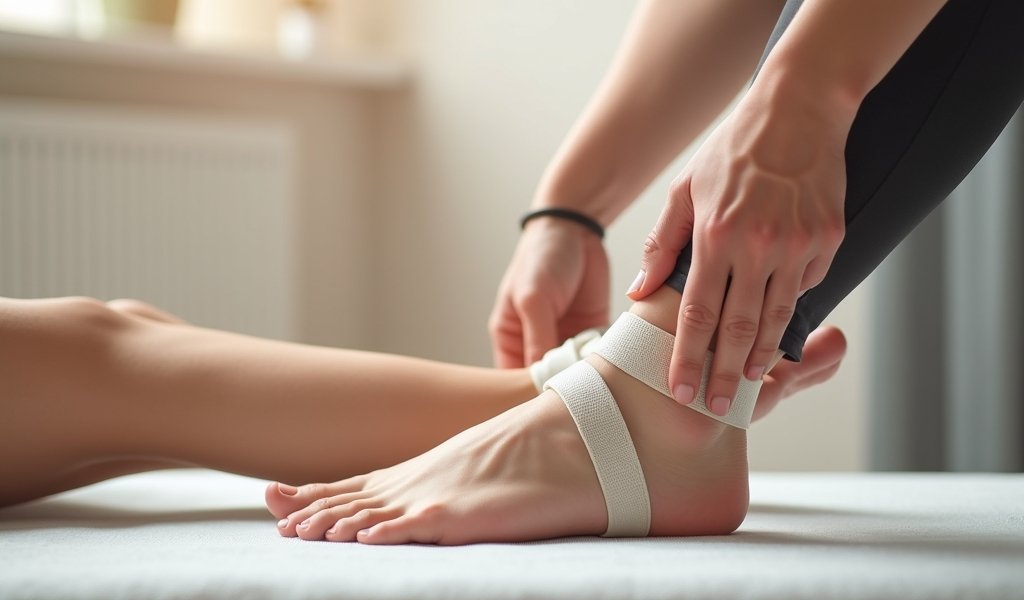
Compression using an elastic bandage or ankle brace provides additional support and helps minimize swelling. Ensure it’s firm but not tight enough to impair circulation.
Elevation and Pain Management
Keep your foot elevated above heart level when sitting or lying down to reduce swelling. For pain management, over-the-counter medications like ibuprofen or naproxen can help manage both pain and inflammation, but always consult your healthcare provider before starting any medication regimen.
For severe tears, your doctor might recommend prescription pain medication for short-term use during the acute phase. However, most patients find that non-pharmaceutical approaches combined with over-the-counter options provide sufficient relief.
Step 2: Professional Diagnosis and Treatment
While self-care is crucial in the initial stage, proper diagnosis is essential for effective recovery. Don’t make the common mistake of assuming you’re dealing with a simple ankle sprain—peroneus longus tendon tears require specific treatment approaches.
Diagnostic Process
A healthcare professional will typically perform:
- Physical examination testing strength and stability
- Palpation to identify tender areas along the tendon
- Special tests like the peroneal tendon stability test
- Imaging studies including ultrasound, MRI, or X-rays
MRI remains the gold standard for diagnosing peroneus longus tendon tears, with a diagnostic accuracy exceeding 90% according to the American Journal of Roentgenology. This imaging can precisely determine tear location, extent, and whether surgery might be necessary.
Non-Surgical Treatment Options
For most Grade 1 and many Grade 2 tears, conservative treatment proves effective. Your treatment plan may include:
- Immobilization using a walking boot or brace (typically 2-6 weeks)
- Physical therapy focusing on progressive strengthening
- Custom orthotics to correct foot mechanics and reduce tendon stress
- Anti-inflammatory medications or injections for persistent pain
Surgical Interventions
Surgery becomes necessary for complete tears, cases where conservative treatment fails after 3-6 months, or when the tendon has displaced significantly. Surgical procedures might involve direct repair, tendon grafting, or groove deepening to prevent future displacement.
Recovery from surgery typically requires 6-12 weeks of restricted weight-bearing followed by extensive rehabilitation. While this represents a longer initial recovery period, outcomes for severe tears are generally better with surgical intervention than with conservative management alone.
Step 3: Rehabilitation Exercises
Rehabilitation exercises form the cornerstone of successful recovery from a peroneus longus tendon tear. The right progressive program not only heals the injured tendon but builds resilience against future injuries.
Early Phase Exercises (Weeks 1-3)
During the initial healing phase, gentle exercises maintain range of motion without stressing the healing tendon. Always perform these with your doctor’s or physical therapist’s approval:
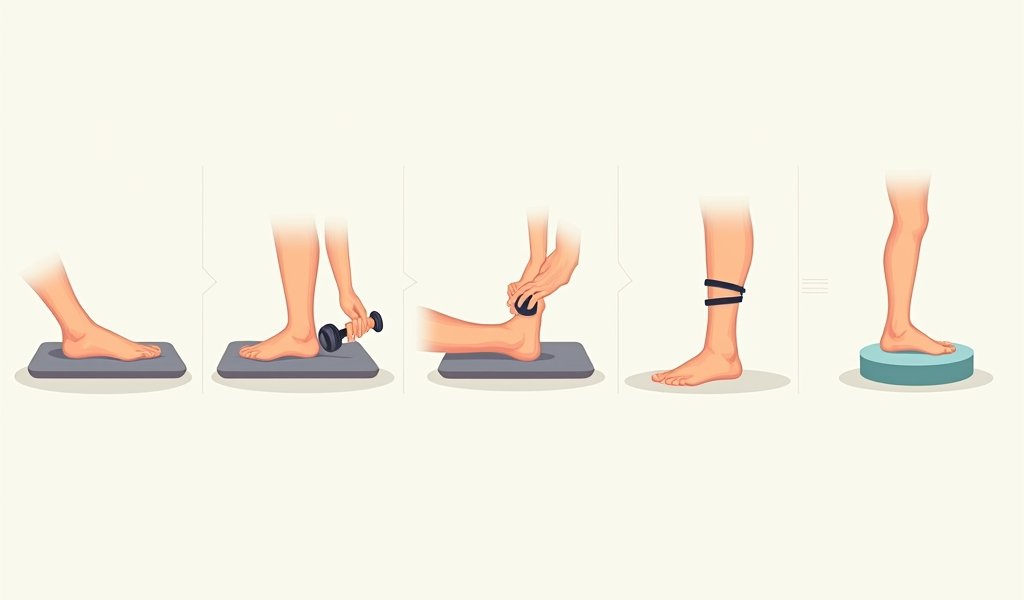
- Ankle alphabet: Trace the letters of the alphabet with your toes
- Gentle ankle circles: Rotate your foot clockwise and counterclockwise
- Towel scrunches: Gather a towel with your toes while seated
- Ankle pumps: Point toes up and down in a controlled manner
Start with 2 sets of 10 repetitions and gradually increase as comfort allows. The key is performing these exercises pain-free—discomfort is normal, but sharp pain indicates you’re pushing too hard.
Middle Phase Exercises (Weeks 4-8)
As pain and swelling subside, you’ll progress to strengthening exercises:
- Resistance band eversion: With a band around your forefoot, turn your foot outward against resistance
- Single-leg balance: Stand on the affected foot, progressing from 10 to 60 seconds
- Heel raises: Start with both feet, progressing to the affected side only
- Proprioceptive training using wobble boards or balance pads
A systematic review in the British Journal of Sports Medicine found that tendon-specific progressive loading programs resulted in superior outcomes compared to general exercise in treating tendinopathies. This highlights the importance of following a structured, specialized program.
Advanced Phase Exercises (Weeks 8+)
In later stages of rehabilitation, functional exercises prepare you for return to normal activities:
- Lateral band walks to strengthen hip abductors and improve ankle stability
- Plyometric exercises like hop drills (starting with double-leg and progressing to single-leg)
- Multi-directional agility drills simulating movement patterns of your regular activities
- Sport or activity-specific drills at increasing intensity
Research indicates that eccentric strengthening (focusing on the lengthening phase of muscle contraction) is particularly beneficial for tendon injuries. Include exercises like slow, controlled heel lowering from a raised position, emphasizing the descent rather than the rise.
Step 4: Gradual Return to Activities
Returning to your normal activities too quickly is one of the most common reasons for reinjury and prolonged recovery from peroneus longus tendon tears. A methodical, progressive approach ensures sustainable healing and reduces setback risks.
Setting Realistic Timelines
Recovery timelines vary based on tear severity, individual healing rates, and activity demands. As a general guideline:
- Grade 1 (mild) tears: 4-6 weeks before return to most normal activities
- Grade 2 (moderate) tears: 6-12 weeks with proper rehabilitation
- Grade 3 (severe) tears or surgical cases: 4-6 months for complete return
These timelines assume diligent adherence to your rehabilitation program. Remember that healing at the tissue level continues well beyond the point when pain subsides, so patience is essential even when you’re feeling better.
The 10% Rule
When returning to activities like walking, running, or sports, follow the 10% rule: increase duration, distance, or intensity by no more than 10% per week. This gradual progression allows tissues to adapt to increasing demands without becoming overwhelmed.
For example, if you comfortably walk 1 mile, next week aim for 1.1 miles. This methodical approach might seem slow, but it dramatically reduces reinjury risk. A study in the International Journal of Sports Physical Therapy found that athletes who followed graduated return protocols had 30% fewer reinjuries than those who accelerated their comeback.
Monitoring Symptoms
As you increase activity, pay careful attention to how your ankle and foot respond. Normal responses include:
- Mild fatigue or muscle soreness that resolves within 24 hours
- Slight discomfort that doesn’t worsen during activity
- No increase in swelling after activity
Warning signs indicating you need to scale back include:
- Pain that increases during activity or persists afterward
- Renewed swelling or instability
- Pain that disturbs sleep or normal activities
- Any return of original injury symptoms
Step 5: Prevention Strategies
After recovering from a peroneus longus tendon tear, implementing strategies to prevent recurrence becomes essential. The tendon may be more vulnerable after injury, but with proper preventative measures, you can reduce your risk significantly.
Maintain Strength and Flexibility
Continue with maintenance exercises 2-3 times weekly, focusing on:
- Ankle eversion strength (specifically targeting the peroneus muscles)
- Calf and Achilles flexibility through regular stretching
- Hip and core strength which contribute to lower extremity alignment
- Balance and proprioception exercises
Research shows that maintaining these exercise routines reduces reinjury risk by up to 70% for tendon injuries. Just 10-15 minutes of targeted exercise several times weekly can make a significant difference.
Proper Footwear and Support
Investing in appropriate footwear is crucial for preventing recurrent injuries:
- Choose shoes with adequate lateral support for your specific activities
- Replace athletic shoes every 300-500 miles or when cushioning deteriorates
- Consider custom or semi-custom orthotics if you have foot mechanics that place additional stress on the peroneal tendons
- Use ankle braces or supportive taping for high-risk activities, especially in early return phases
Training Modifications
Smart training habits significantly reduce injury risk:
- Incorporate proper warm-ups focusing on ankle mobility before activity
- Avoid sudden increases in training volume or intensity
- Train on varied surfaces rather than consistently using sloped or uneven terrain
- Include cross-training to reduce repetitive stress on the same structures
- Listen to your body and incorporate adequate rest periods
A review in Physical Therapy in Sport found that periodized training programs with built-in recovery periods resulted in fewer tendon injuries compared to continuous high-volume training.
Conclusion
Recovering from a peroneus longus tendon tear requires patience, consistency, and a strategic approach. By following these five essential steps—immediate care, professional diagnosis, rehabilitation exercises, gradual return to activities, and prevention strategies—you’re setting yourself up for the best possible outcome.
Remember that healing is rarely linear. You’ll likely experience good days and challenging ones throughout your recovery journey. The key is persistence with your rehabilitation program even when progress seems slow.
Most importantly, view this recovery process as an opportunity to build greater body awareness, strength, and resilience. Many of my patients ultimately return to their activities with better mechanics and stability than they had before their injury.
With the right approach and proper guidance from healthcare professionals, you can overcome this setback and return to your active lifestyle with confidence. The human body has remarkable healing capabilities—your job is simply to create the optimal conditions for that healing to occur.
Frequently Asked Questions
How long does it take to recover from a peroneus longus tendon tear?
Recovery typically takes 6-12 weeks for moderate tears with conservative treatment. Complete tears or those requiring surgery may take 4-6 months for full recovery.
Can I walk with a peroneus longus tear?
Minor tears may allow limited walking with some discomfort, while severe tears often require temporary walking restrictions. Always follow medical advice regarding weight-bearing limitations during early recovery phases.
Will I need surgery for my peroneus longus tendon tear?
Most grade 1 and 2 tears heal well with conservative treatment. Surgery is typically reserved for complete tears, cases that don’t respond to 3-6 months of conservative care, or when the tendon has significantly displaced.
Can I prevent peroneus longus tendon tears?
Prevention strategies include regular ankle strengthening exercises, proper footwear with lateral support, and gradual training progression. Addressing any biomechanical issues with appropriate orthotics can also reduce risk.
How do I know if my peroneus longus tear is healing properly?
Signs of proper healing include gradually decreasing pain, improved range of motion, and increasing strength without pain. Your ability to perform functional movements without symptoms will progressively improve over the recovery timeline.