

Overview
Who knew those tiny peroneal tendons on the outside of your ankle could cause such massive problems when torn? This article outlines eight effective rehabilitation exercises for peroneal tendon tears—including ankle alphabet, resistance band work, and balance training—while providing a recovery timeline and guidance on when to seek medical help during the healing journey that typically spans 3-6 months.
Table of Contents
- Understanding Peroneal Tendon Tears
- Before Beginning Rehabilitation
- Eight Effective Recovery Exercises
- 1. Ankle Alphabet
- 2. Gentle Ankle Eversion
- 3. Calf and Achilles Stretching
- 4. Balance Training
- 5. Foot Intrinsic Strengthening
- 6. Resistance Band Rotations
- 7. Eccentric Heel Drops
- 8. Functional Movement Progression
- Recovery Timeline
- Supporting Your Recovery
- When to Seek Medical Help
- Conclusion
- Frequently Asked Questions
Understanding Peroneal Tendon Tears
If you’ve experienced a peroneal tendon tear, you know the frustration of a seemingly minor body part causing major disruption to your daily life. The peroneal tendons run along the outside of your ankle, stabilizing your foot and preventing excessive inward rolling. When injured, even simple activities like walking can become painful challenges.
Peroneal tendon tears typically occur during ankle sprains, repetitive activities, or due to anatomical factors like high arches. Athletes who participate in sports requiring quick directional changes are particularly vulnerable, but anyone can experience these injuries after an awkward step or fall.
Common symptoms include:
- Pain along the outside of the ankle
- Swelling and tenderness behind the ankle bone
- Weakness when turning the foot outward
- Instability when walking, especially on uneven surfaces
- A popping or snapping sensation during the injury
According to research published in the Journal of Orthopaedic & Sports Physical Therapy, proper rehabilitation isn’t just helpful—it’s essential for regaining full function and preventing re-injury. The right exercises can transform your recovery from a painful ordeal to a progressive journey back to normal activities.
Before Beginning Rehabilitation
Before diving into any exercise program, consult with a healthcare provider who specializes in foot and ankle injuries. A proper diagnosis is crucial, as peroneal tendon tears can sometimes be mistaken for simple sprains. Your doctor may recommend imaging tests like MRIs to determine the extent of the damage.
Healing typically follows three phases:
- Acute phase (0-2 weeks): Rest, ice, compression, and elevation (RICE) to manage inflammation
- Sub-acute phase (2-6 weeks): Gentle movement and initial strengthening as pain subsides
- Remodeling phase (6+ weeks): Progressive strengthening and return to normal activities
You’re ready to begin rehabilitation exercises when pain has significantly decreased, swelling has subsided, and your healthcare provider has given you clearance. Remember that tendons heal slowly due to their limited blood supply—patience is not just a virtue, it’s a medical necessity.
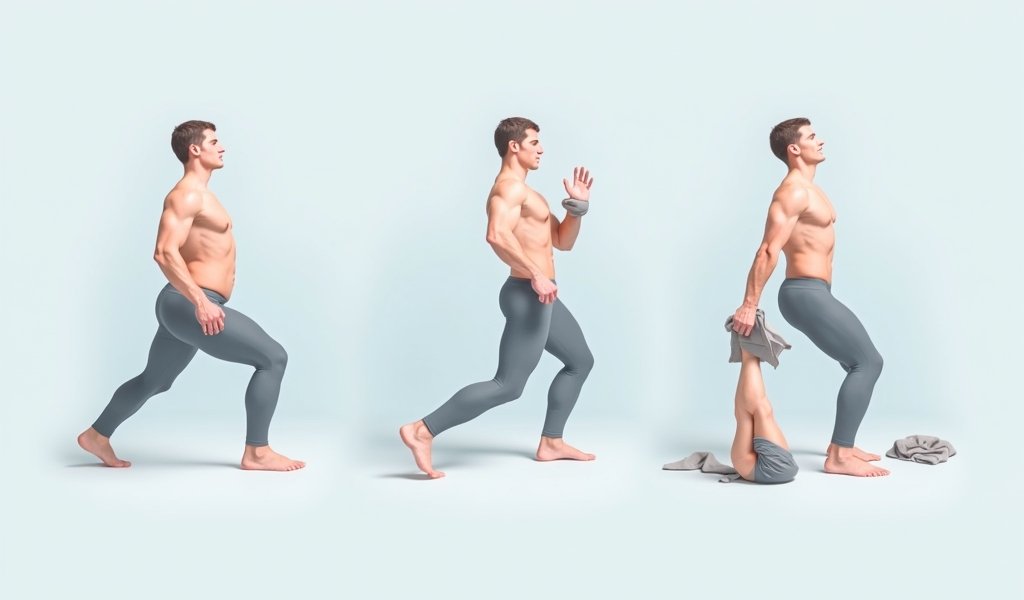
Eight Effective Recovery Exercises
The following exercises create a comprehensive rehabilitation program that targets strength, flexibility, proprioception, and functional movement. Each exercise builds upon the last, gradually preparing your peroneal tendons to resume their normal duties.
Start with the early-phase exercises and progress as your comfort and healing allow. Remember that mild discomfort during exercise is normal, but sharp pain is your body’s way of saying “too much, too soon.”
1. Ankle Alphabet
This gentle mobility exercise helps maintain range of motion without placing stress on the healing peroneal tendons. It’s perfect for the early rehabilitation phase when the focus is on maintaining mobility without overloading the injured tissues.
How to perform:
- Sit with your injured foot elevated
- Use your foot and ankle to “draw” each letter of the alphabet in the air
- Move slowly and deliberately, staying within pain-free ranges
- Complete 1-2 full alphabets daily
This exercise serves as an excellent warm-up before more targeted strengthening work and helps prevent the stiffness that often accompanies recovery.
2. Gentle Ankle Eversion
Since peroneal tendons are primarily responsible for everting your foot (turning it outward), this exercise directly addresses their function. Start with minimal resistance and gradually progress as healing allows.
How to perform:
- Sit with your legs extended
- Secure a light resistance band around the ball of your injured foot, with the other end anchored to something stable on the outside of your foot
- Slowly turn your foot outward against the resistance
- Control the return to the starting position
- Begin with 2 sets of 10 repetitions using minimal resistance
As studies have shown, gradually increasing load on healing tendons stimulates proper tissue regeneration. Think of this as teaching your tendons to handle progressively greater challenges.
3. Calf and Achilles Stretching
Tight calves and Achilles tendons create abnormal forces throughout the foot and ankle, potentially increasing stress on the peroneal tendons. Regular stretching helps restore proper biomechanics to your entire lower leg.
For an effective calf stretch:
- Stand facing a wall with your hands at eye level
- Place the injured foot behind you, keeping the heel firmly on the ground
- Lean forward until you feel a stretch in your calf
- Hold for 30 seconds and repeat 3 times
For the Achilles stretch, perform the same movement but with a slightly bent knee. This targets different portions of the calf complex, ensuring comprehensive flexibility.
4. Balance Training
Balance exercises improve proprioception—your body’s awareness of position in space—which is often compromised after ankle injuries. Enhanced proprioception helps your ankles respond more effectively to uneven surfaces, reducing re-injury risk.
Start with basic balance exercises:
- Single-leg stance for 30 seconds
- Progress to single-leg stance with eyes closed
- Advance to standing on a foam pad or pillow
- Eventually incorporate a wobble board or BOSU ball
- Add arm movements or light weights for additional challenge
Dr. Jay Hertel, a leading researcher in ankle rehabilitation, notes that proprioceptive training significantly reduces recurrent ankle injury risk. Consider balance training as teaching your ankle to anticipate and react to potential dangers before they cause problems.
5. Foot Intrinsic Strengthening
The small muscles within your foot provide stability and support for the entire foot-ankle complex. Strengthening these intrinsic muscles creates a stable platform for the peroneal tendons to work from.
Try these two exercises:
Toe Curls: Place a small towel flat on the floor and use your toes to scrunch it toward you. Aim for 3 sets of 10 curls.
Foot Doming: Sit with your foot flat on the floor. Without curling your toes, try to shorten your foot by drawing the ball of your foot toward your heel. Hold each contraction for 5 seconds, completing 10 repetitions.
These subtle exercises build the foundation that supports your peroneal tendons during more dynamic activities.
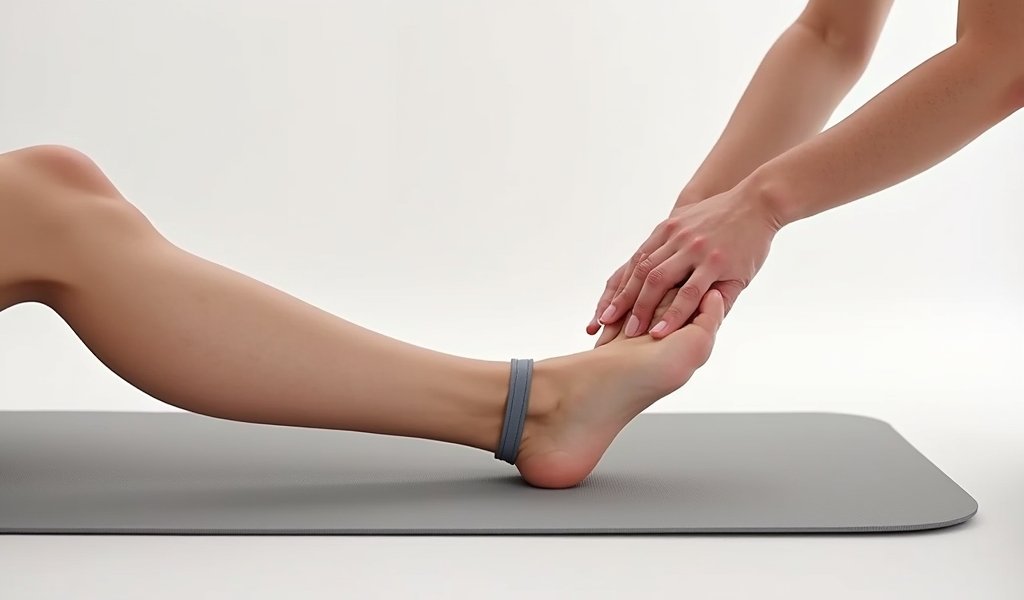
6. Resistance Band Rotations
While the peroneal tendons primarily handle eversion, they don’t work in isolation. Strengthening the entire ankle complex creates a more balanced environment for healing and helps prevent future compensatory issues.
Using a resistance band:
- Perform internal rotation (turning foot inward)
- Perform external rotation (turning foot outward)
- Begin seated, then progress to standing as strength improves
- Aim for 3 sets of 15 repetitions in each direction
- Focus on controlled movements rather than speed
This comprehensive approach ensures that all the supporting muscles are ready when your peroneal tendons return to full function.
7. Eccentric Heel Drops
Eccentric exercises—where a muscle lengthens while contracting—are particularly effective for tendon rehabilitation. For the peroneal tendons, modified heel drops can be tremendously beneficial once you’ve progressed to mid-stage rehabilitation.
How to perform:
- Stand at the edge of a step with the ball of your injured foot on the step and heel hanging off
- Slowly lower your heel below the level of the step
- Focus on controlling the descent with your peroneal muscles
- Use support as needed for balance
- Begin with 2 sets of 10 repetitions, gradually increasing to 3 sets of 15
The effectiveness of eccentric training for tendon rehabilitation is well-documented in scientific literature. Think of this exercise as teaching your tendons to be better shock absorbers, preparing them for the impacts of daily life.
8. Functional Movement Progression
The final stage in rehabilitation bridges the gap between isolated exercises and real-world movements. This typically begins 8-12 weeks after injury, once basic strength and mobility have returned.
Start with controlled lateral movements:
- Side-stepping with a light resistance band around your ankles
- Lateral shuffles, gradually increasing speed
- Figure-eight walking patterns
Progress to more dynamic activities:
- Lateral hops (small at first, gradually increasing in distance)
- Quick direction changes on stable surfaces
- Sport-specific movements at reduced intensity
This functional progression is crucial for preparing your ankle to handle the demands of daily life and athletic activities. It’s like a dress rehearsal before returning to full performance.
Recovery Timeline
Recovery from peroneal tendon tears follows a predictable but highly individual timeline. While healing benchmarks exist, your personal journey may vary based on injury severity, overall health, age, and adherence to your rehabilitation program.
General expectations include:
- 2-4 weeks: Relative rest and protection, focused on controlling inflammation
- 4-8 weeks: Progressive strengthening as pain allows
- 8-12 weeks: Return to most normal daily activities
- 3-6 months: Return to high-level sports or activities requiring quick directional changes
Progress often follows a “two steps forward, one step back” pattern. Some days will show noticeable improvement, while others might feel disappointing. This natural fluctuation shouldn’t discourage you—focus on the overall trajectory rather than daily variations.
Supporting Your Recovery
Exercise alone isn’t enough for optimal healing. Consider these complementary strategies to enhance your recovery:
Proper footwear makes a tremendous difference. Shoes with good lateral support protect the peroneal tendons from excessive stress. Some people benefit from temporary orthotics that correct biomechanical issues contributing to the injury.
Nutrition provides the building blocks for tendon repair:
- Protein supports tissue regeneration
- Vitamin C is essential for collagen synthesis
- Zinc and copper facilitate enzymatic healing processes
- Adequate hydration optimizes tissue health
Sleep quality directly impacts healing. During deep sleep, your body releases growth hormone and conducts most of its repair work. Aim for 7-9 hours of quality sleep to maximize recovery.
Stress management contributes to healing as well. Chronic stress increases inflammation and can delay tissue repair. Finding effective ways to manage stress—whether through meditation, gentle yoga, or other relaxation techniques—creates an internal environment conducive to healing.
When to Seek Medical Help
While some discomfort during rehabilitation is normal, certain red flags warrant immediate medical attention:
- Sharp, severe pain during or after exercises
- Increasing rather than decreasing swelling
- New clicking or popping sensations
- Instability or giving way of the ankle
- Pain that disrupts sleep or doesn’t improve with rest
These symptoms may indicate complications or that your current rehabilitation approach needs adjustment. Don’t hesitate to contact your healthcare provider if you experience any of these warning signs.
Conclusion
Recovering from a peroneal tendon tear requires patience, consistency, and a systematic approach. The eight exercises outlined here create a comprehensive rehabilitation program that addresses all aspects of healing—from maintaining mobility and rebuilding strength to restoring proprioception and functional movement.
Remember that healing is rarely linear. Some days will show dramatic improvement, while others might feel like setbacks. Trust the process and continue with your exercises as prescribed by your healthcare provider.
By following this evidence-based approach to rehabilitation, you’re not just healing an injury—you’re building a stronger foundation to prevent future problems. Your peroneal tendons may be small players in human anatomy, but their proper function is crucial for pain-free mobility and active living.
Frequently Asked Questions
How long does it take to recover from a peroneal tendon tear?
Most people return to normal daily activities within 8-12 weeks. Complete recovery, especially for high-level sports, typically takes 3-6 months.
Can I walk with a peroneal tendon tear?
Limited walking is usually possible, but may be painful. Your doctor may recommend a walking boot or brace initially to protect the healing tendon.
Do peroneal tendon tears require surgery?
Most partial tears respond well to conservative treatment. Complete tears or those that don’t improve with rehabilitation may require surgical intervention.
How can I tell if my peroneal tendon is torn?
Common symptoms include pain along the outside of the ankle, swelling, weakness when turning the foot outward, and instability when walking. A proper diagnosis requires medical evaluation.
Can peroneal tendon tears heal on their own?
Minor tears may heal with rest and protection. However, proper rehabilitation is essential for complete recovery and prevention of chronic instability.