

Overview
Pasta can be a nutritious part of a balanced diet, offering benefits for weight management, energy, heart health, blood sugar control, and gut health when consumed in appropriate portions and paired wisely. Contrary to popular belief, pasta provides valuable nutrients, performs better glycemically than many carbohydrates when cooked al dente, and serves as a versatile foundation for incorporating vegetables, lean proteins, and healthy fats into meals.
Table of Contents
- Introduction: The Truth About Pasta
- Secret #1: Pasta Can Support Weight Management
- Secret #2: Excellent Energy Source for Athletes
- Secret #3: Heart Health Benefits
- Secret #4: Pasta’s Role in Blood Sugar Management
- Secret #5: Valuable Nutrient Content
- Secret #6: Gut Health and Digestive Benefits
- Secret #7: Versatility for Balanced Nutrition
- Conclusion
- Frequently Asked Questions
Introduction: The Truth About Pasta
Isn’t it time we unraveled the truth about pasta nutrition facts? This beloved staple has been unfairly demonized in nutrition circles for far too long. Like a misunderstood character in a culinary drama, pasta has been cast as the villain in countless diet stories.
But here’s the reality: pasta can be a nutritious component of a balanced diet when prepared thoughtfully. As a registered dietitian who’s spent years studying carbohydrate metabolism, I’ve seen firsthand how pasta can fit beautifully into healthy eating patterns – including those designed for weight management.
The Mediterranean diet, widely recognized as one of the healthiest eating patterns globally, features pasta as a cornerstone ingredient. People following Mediterranean-style eating plans have lower rates of chronic disease and often maintain healthier weights than those following typical Western diets.
In this evidence-based exploration, we’ll examine seven science-backed secrets about pasta nutrition facts that might just transform your perspective. Whether you’re an athlete seeking optimal performance fuel or simply trying to eat well, understanding pasta’s true nutritional profile could be the ingredient you’ve been missing.
Secret #1: Pasta Can Support Weight Management
Contrary to popular belief, pasta doesn’t automatically expand your waistline. Research consistently shows that when consumed in appropriate portions and within a balanced diet, pasta can actually support healthy weight maintenance.
A systematic review published in BMJ analyzed 32 studies and found that pasta consumption within the context of a low-glycemic index dietary pattern was associated with modest weight loss. The key? Portion control and mindful pairings.
Traditional Italian pasta servings are significantly smaller than what we’re accustomed to in Western restaurants – typically about 1 cup cooked (or 2 ounces dry) per person. At this serving size, pasta provides approximately 200 calories – a reasonable amount for a meal component.
Whole grain varieties offer additional weight management benefits through:
- Higher fiber content that increases satiety
- Slower digestion, providing longer-lasting energy
- Better blood sugar regulation, reducing hunger spikes
When incorporated into Mediterranean-style eating patterns, pasta becomes part of a sustainable approach to nutrition rather than a food to avoid. Remember: it’s the overall dietary pattern that matters most for weight management, not individual foods.
Secret #2: Excellent Energy Source for Athletes
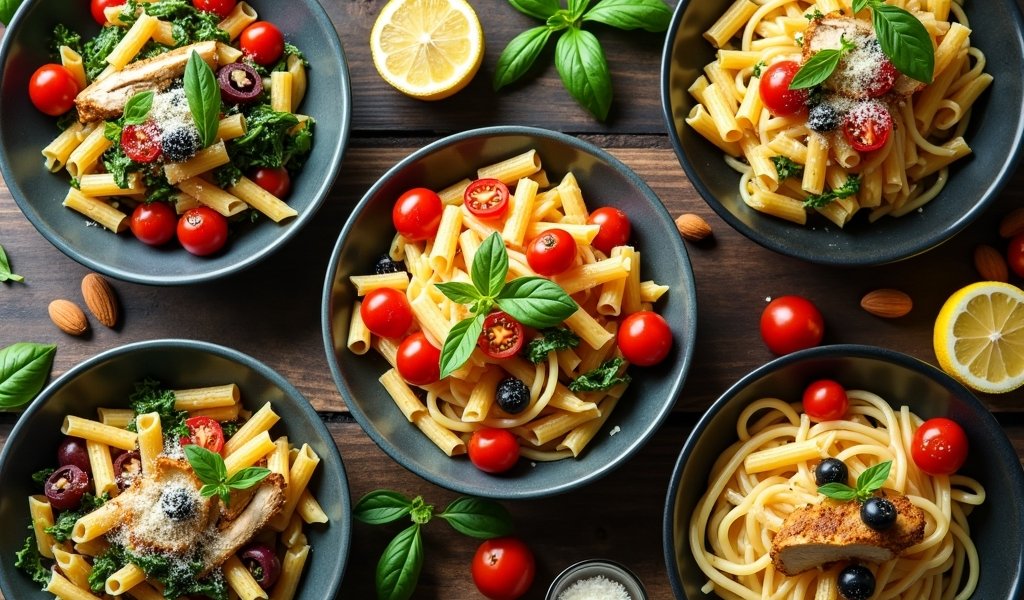
For active individuals, pasta isn’t just acceptable – it’s optimal. As a complex carbohydrate, pasta provides the glycogen that muscles desperately need for sustained performance. Think of pasta as premium fuel for your body’s engine.
The International Olympic Committee’s position on nutrition for athletes specifically recommends carbohydrates like pasta for enhancing training adaptation and performance. Elite endurance athletes typically consume 5-12g of carbohydrates per kilogram of body weight daily – with pasta often serving as a primary source.
What makes pasta particularly effective for athletes?
- Slow-releasing energy that prevents premature fatigue
- Easily digestible carbohydrates that minimize gastrointestinal distress
- Versatility to pair with performance-enhancing proteins and vegetables
Timing matters tremendously. Consuming pasta 3-4 hours before intense activity allows for optimal digestion and glycogen storage. Post-workout, a pasta dish with lean protein creates the perfect recovery meal by replenishing depleted stores while supporting muscle repair.
Even recreational athletes benefit from strategic pasta consumption. A weekend warrior heading out for a long bike ride or run will find that a moderate pasta meal the evening before provides sustained energy throughout their activity – without the crash that comes from simpler carbohydrates.
Secret #3: Heart Health Benefits
Your cardiovascular system might actually thank you for that pasta dinner. Traditional pasta contains minimal sodium and zero cholesterol – two factors that support heart health when part of a balanced eating pattern.
Whole grain pasta varieties take these benefits further. A large meta-analysis published in The American Journal of Clinical Nutrition found that people consuming the highest amounts of whole grains had a 21% lower risk of cardiovascular events compared to those consuming the least.
The cardiovascular advantages of pasta include:
- Soluble fiber that helps lower LDL cholesterol
- Low saturated fat content, especially compared to many animal proteins
- Magnesium and potassium that support healthy blood pressure
Even enriched regular pasta provides benefits through B-vitamins like folate, which helps lower homocysteine – an amino acid linked to increased heart disease risk when elevated. When pasta serves as the foundation for heart-healthy toppings like olive oil, tomatoes, and seafood, it becomes part of a cardioprotective eating pattern.
The real magic happens when pasta displaces less heart-healthy options like fatty meats or fried foods in your diet. By making pasta a regular component of balanced meals, you’re creating a dietary pattern that naturally supports cardiovascular wellness.
Secret #4: Pasta’s Role in Blood Sugar Management
Surprised that pasta can be compatible with balanced blood sugar? It’s all about the structural differences between pasta and other starchy foods. Traditional pasta, especially when cooked al dente (slightly firm), has a lower glycemic index than many carbohydrate-rich alternatives.
This slower digestion and absorption is attributed to pasta’s unique physical properties. The dense extrusion process used to create pasta results in a compact starch structure that resists immediate breakdown by digestive enzymes – creating a more gradual glucose release.
Clinical research from the University of Toronto has demonstrated that pasta has a significantly lower glycemic impact than white bread, despite containing similar carbohydrate amounts. This difference becomes even more pronounced when pasta is:
- Cooked properly (al dente maintains the resistant structure)
- Cooled after cooking, which increases resistant starch content
- Paired with protein, fat, and fiber, which further slow digestion
For those monitoring blood glucose, pasta portion size remains crucial. A reasonable serving (approximately 1 cup cooked) within a balanced meal won’t typically cause problematic blood sugar spikes when prepared thoughtfully. Adding vegetables, lean protein, and healthy fats creates a complete meal with a moderate glycemic load.
Interestingly, reheated pasta has an even lower glycemic impact than freshly cooked pasta – making your leftover pasta lunch potentially better for blood sugar management than the dinner you originally prepared.
Secret #5: Valuable Nutrient Content
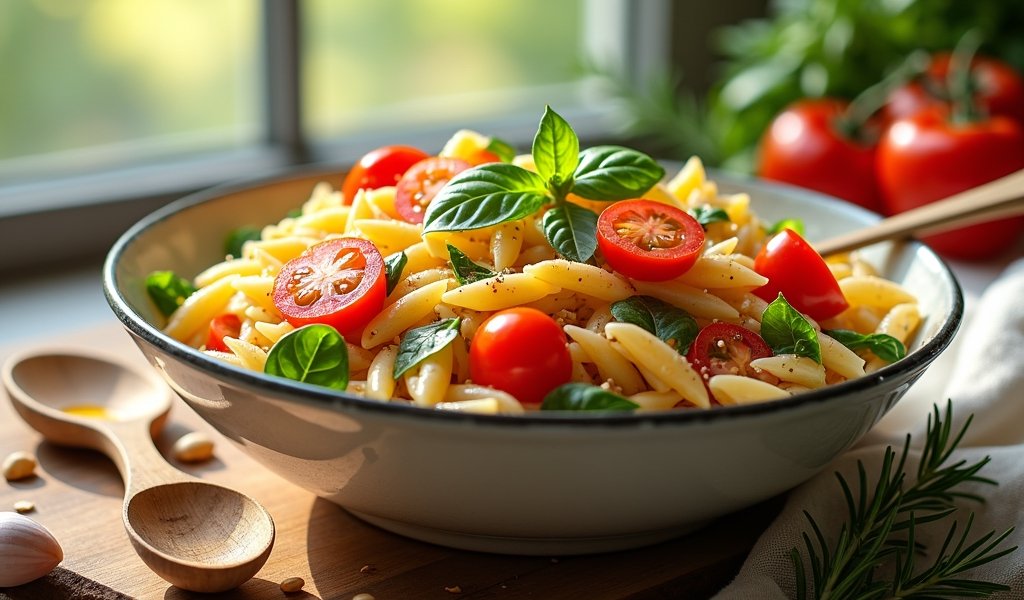
Pasta delivers more nutritional value than many realize. While it’s easy to dismiss it as “just carbs,” pasta provides several essential nutrients that support overall health and wellbeing.
Most commercial pasta in the United States is enriched with important B vitamins and iron. A standard 2-ounce serving (about 1 cup cooked) typically contains:
- 25% of daily thiamin needs (supports energy metabolism)
- 20% of daily folate requirements (crucial for cell division)
- 10% of daily iron needs (essential for oxygen transport)
- 8 grams of protein (contributes to your daily protein intake)
Whole grain pasta offers additional nutritional benefits, including:
- 6+ grams of fiber per serving (supporting digestive health)
- Higher levels of magnesium and selenium (important minerals)
- Naturally occurring antioxidants and phytochemicals
The protein content of pasta surprises many people. While not a complete protein source alone, pasta’s protein combines well with other ingredients to create complete protein profiles. For example, pasta with beans or cheese provides all essential amino acids.
The alternative pasta market has expanded dramatically, offering options with unique nutritional profiles:
- Legume-based pastas provide 2-3 times more protein and fiber
- Quinoa pasta offers complete protein with all essential amino acids
- Fortified varieties may contain added omega-3s, protein, or extra fiber
These nutrient contributions become even more significant when you consider pasta’s role in delivering other healthy foods. As the foundation for nutrient-dense sauces and toppings, pasta helps increase overall vegetable and lean protein consumption.
Secret #6: Gut Health and Digestive Benefits
The relationship between pasta and digestive health is fascinating and multifaceted. Contrary to the notion that all carbohydrates are problematic for gut health, pasta – especially whole grain varieties – can actively support your digestive system.
The fiber content in whole grain pasta feeds beneficial gut bacteria, promoting microbial diversity that’s increasingly linked to improved health outcomes. These bacteria produce short-chain fatty acids that nourish colon cells and reduce inflammation.
Research from The Journal of Nutritional Biochemistry shows that whole grains increase beneficial bacteria like Bifidobacterium and Lactobacillus while decreasing potentially harmful species – creating a healthier gut environment.
Additionally, pasta’s unique properties create specific digestive advantages:
- Resistant starch formation (especially when cooled) acts as a prebiotic
- Al dente pasta requires more thorough chewing, improving digestion
- The compact structure prevents rapid breakdown, reducing bloating
For maximum gut health benefits, consider these strategies:
- Choose whole grain pasta with visible bran content
- Pair with probiotic-rich foods like yogurt-based sauces
- Add prebiotic vegetables like garlic, onions, and artichokes
- Allow pasta to cool and reheat to increase resistant starch
Even refined pasta, while lower in fiber, can support digestive health when it serves as a vehicle for gut-friendly ingredients like olive oil, vegetables, and anti-inflammatory herbs and spices like basil, oregano, and turmeric.
Secret #7: Versatility for Balanced Nutrition
Perhaps pasta’s greatest nutritional advantage is its remarkable adaptability. Like a blank canvas awaiting an artist’s touch, pasta transforms based on what you pair it with. This versatility makes it an ideal foundation for balanced, nutrient-dense meals.
Pasta effortlessly incorporates diverse food groups into a cohesive, satisfying dish. Consider how easily it delivers:
- Vegetables (tomatoes, spinach, bell peppers, zucchini, broccoli)
- Lean proteins (seafood, chicken, legumes, tofu)
- Healthy fats (olive oil, nuts, avocado)
- Herbs and spices (providing antioxidants and anti-inflammatory compounds)
This adaptability means pasta can fit virtually any dietary pattern or nutritional goal. Need more protein? Try a lentil-based pasta with grilled chicken. Focusing on plant-based eating? Whole wheat pasta with roasted vegetables and chickpeas creates a complete protein source.
The expanding alternative pasta market further enhances this versatility. Today’s options include:
- Legume-based pastas (chickpea, red lentil, black bean)
- Ancient grain varieties (quinoa, kamut, einkorn)
- Vegetable-infused options with reduced carbohydrate content
- High-protein formulations with added pea or wheat protein
This versatility extends to fitness-focused nutrition plans, where pasta can be precisely tailored to macronutrient goals. Athletes requiring higher carbohydrate intake can choose traditional pasta, while those prioritizing protein might select bean-based alternatives.
Beyond nutritional flexibility, pasta’s culinary versatility means it never becomes monotonous. From cold pasta salads to warm, comforting baked dishes, the preparation options are virtually limitless – making sustainable, healthy eating more enjoyable and therefore more sustainable.
Conclusion
The pasta nutrition facts we’ve explored reveal a food that’s been unfairly maligned in many nutrition circles. When prepared thoughtfully and consumed in appropriate portions, pasta offers numerous health and fitness benefits that extend far beyond simple carbohydrate content.
From supporting weight management and athletic performance to promoting heart and gut health, pasta deserves reconsideration as a valuable component of balanced nutrition. Its versatility makes it an ideal vehicle for incorporating diverse, nutrient-dense ingredients into enjoyable, satisfying meals.
The key takeaways for making pasta work for your health:
- Practice mindful portion control (approximately 1 cup cooked per serving)
- Choose whole grain varieties when possible for additional fiber and nutrients
- Cook pasta al dente to maintain its lower glycemic impact
- Use pasta as the foundation for vegetables, lean proteins, and healthy fats
- Consider the growing variety of alternative pastas to match specific nutritional needs
Rather than viewing pasta as “forbidden” or “unhealthy,” consider it a flexible tool in your nutritional toolkit – one that can be adapted to support various health and fitness goals while providing enjoyment and satisfaction. After all, sustainable nutrition is about finding balance, not restriction.
In embracing pasta’s nutritional potential, we return to the wisdom of traditional Mediterranean eating patterns that have sustained health and wellbeing for generations. Perhaps it’s time we all made peace with pasta – and enjoyed every mindful, delicious bite.
Frequently Asked Questions
Is pasta fattening?
Pasta isn’t inherently fattening when consumed in appropriate portions (about 1 cup cooked). Weight gain is determined by overall calorie balance, not any single food.
How much protein is in pasta?
Traditional wheat pasta contains approximately 7-8 grams of protein per cup cooked. Protein-enriched or legume-based varieties can provide 2-3 times that amount.
Is whole wheat pasta much healthier than regular pasta?
Whole wheat pasta offers more fiber, vitamins, minerals, and antioxidants than refined pasta. However, even enriched regular pasta provides significant B-vitamins and iron.
Can people with diabetes eat pasta?
Yes, people with diabetes can include moderate portions of pasta, especially when cooked al dente and paired with protein and fiber. Blood glucose monitoring helps determine individual tolerance.
What’s the healthiest pasta to eat?
The “healthiest” pasta depends on individual nutritional needs. Whole grain varieties offer more nutrients for most people, while legume-based options provide more protein and fiber.