
Overview
Who knew your body was running its own secret security team? This article explores the differences between active immunity (your body’s DIY defense system that offers long-lasting protection through infection or vaccination) and passive immunity (borrowed antibodies that provide immediate but temporary protection), while covering how these systems develop throughout life and the factors that influence immune strength.
Table of Contents
- Understanding Immunity: The Body’s Defense System
- Active Immunity: Your Body’s Self-Defense Training
- Passive Immunity: Borrowed Protection
- Key Differences Between Active and Passive Immunity
- Real-World Examples of Both Immunity Types
- The Role of Vaccines in Building Immunity
- How Immunity Develops Throughout Life
- Factors Affecting Immunity Strength
- When Immunity Goes Wrong: Common Disorders
- The Future of Immunity Research
- Wrapping Up: Making Sense of Immunity
- Frequently Asked Questions
Understanding Immunity: The Body’s Defense System
Your immune system is truly a marvel of biological engineering. When I first began studying passive vs active immunity in medical school, I was amazed at how our bodies have evolved multiple sophisticated layers of protection. Think of your immune system as your personal security team, working 24/7 to keep harmful invaders at bay.
At its core, immunity refers to the body’s ability to resist infection and disease. This protection system distinguishes between what belongs in your body and what doesn’t, targeting foreign substances like bacteria, viruses, fungi, and parasites for destruction. It’s an incredibly complex network of cells, tissues, and organs working in harmony.
There are two main types of immunity: innate (the protection you’re born with) and adaptive (the protection you develop throughout life). Within adaptive immunity, we further categorize protection as either active or passive immunity – the focus of our discussion today.
The distinction between passive and active immunity is crucial for understanding how we develop protection against diseases, how vaccines work, and why some immunities last a lifetime while others fade quickly. This knowledge isn’t just academic – it has practical implications for your health decisions.
Active Immunity: Your Body’s Self-Defense Training
Active immunity is like learning to fight your own battles. Your body encounters a pathogen (either naturally or through vaccination), recognizes it as foreign, and develops specific weapons called antibodies to combat it. The beauty of this process lies in its memory – once your immune system learns to fight a specific invader, it remembers how to do so for years, sometimes even for life.
There are two ways to develop active immunity:
- Natural active immunity: This occurs when you’re exposed to a disease-causing organism in your daily life. Your body fights the infection, and afterward, your immune system remembers how to protect you from that pathogen in the future. This is why you typically don’t get chickenpox twice.
- Artificial active immunity: This happens through vaccination, where you receive a dead or weakened form of a pathogen (or parts of it) that stimulates your immune system without causing the actual disease.
I still vividly recall treating a patient who had contracted measles despite the widespread availability of vaccines. Her recovery was long and difficult, with complications that could have been prevented. This experience reinforced for me how crucial active immunity through vaccination is for both individual and community health.
Active immunity takes time to develop – usually days or weeks – but the protection is typically robust and long-lasting. Your body creates memory B and T cells that stand ready to mount a swift, effective response should you encounter that same threat again.
Passive Immunity: Borrowed Protection
Unlike active immunity, passive immunity is like having a security guard temporarily assigned to you. Instead of your body producing antibodies, you receive antibodies that someone else (or something else) has already produced. While this provides immediate protection, it doesn’t last nearly as long as active immunity because your immune system hasn’t learned to make these protective antibodies itself.
Passive immunity comes in two forms:
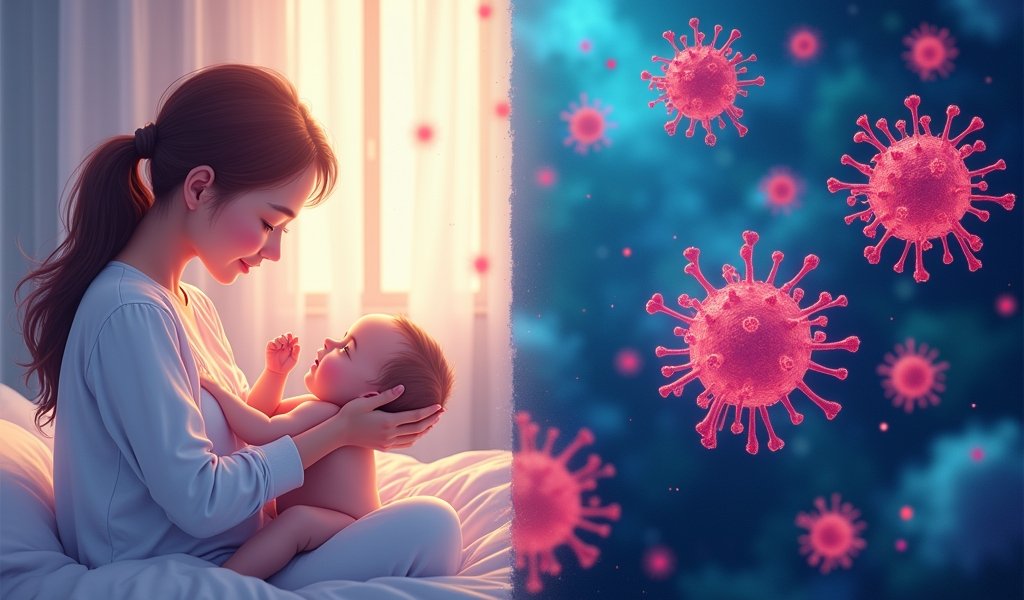
- Natural passive immunity: This primarily occurs when antibodies pass from mother to baby through the placenta during pregnancy or through breast milk after birth. These maternal antibodies protect newborns during their first months of life while their own immune systems are still developing.
- Artificial passive immunity: This involves receiving antibodies through medical treatments like immune globulin therapy. This approach is often used for people who have been exposed to certain diseases and need immediate protection.
The key benefit of passive immunity is its immediacy – protection begins right away, unlike active immunity which takes time to develop. However, this borrowed protection typically lasts only a few weeks to months before the antibodies naturally degrade.
During my residency, I worked with immunocompromised patients who relied on regular infusions of antibodies to help protect them from infections. These immunoglobulin treatments provided a crucial safety net while their own immune systems couldn’t function properly. Seeing how these “borrowed antibodies” gave them a chance at a more normal life was truly remarkable.
Key Differences Between Active and Passive Immunity
Understanding the distinctions between these immunity types helps clarify how our bodies defend against disease. Here are the essential differences:
- Source of antibodies: In active immunity, your own body produces antibodies; in passive immunity, you receive pre-formed antibodies from an external source.
- Development time: Active immunity takes days or weeks to develop, while passive immunity provides immediate protection.
- Duration: Active immunity often lasts for years or even a lifetime; passive immunity typically lasts only weeks to months.
- Memory cells: Active immunity generates memory cells that remember how to fight specific pathogens; passive immunity doesn’t create immunological memory.
- Booster effect: Subsequent exposures to the same pathogen strengthen active immunity (booster effect), while passive immunity doesn’t become stronger with repeated exposure.
These differences explain why vaccines (which create active immunity) are a cornerstone of preventive medicine, while antibody therapies (providing passive immunity) are generally reserved for immediate treatment or prevention in high-risk situations.
A 2016 study in Frontiers in Immunology highlighted how these different immunity mechanisms complement each other in our overall defense strategy. The researchers noted that understanding these differences has led to remarkable advances in how we approach disease prevention and treatment.
Real-World Examples of Both Immunity Types
Let’s explore some common real-world scenarios where both passive and active immunity play crucial roles:
Active Immunity Examples:
- Recovering from COVID-19 infection, after which your body retains memory cells that recognize the virus if exposed again
- Receiving the MMR vaccine, which triggers your immune system to develop protection against measles, mumps, and rubella
- Contracting chickenpox as a child, which typically results in lifelong immunity
- Getting a tetanus shot, which prompts your body to create antibodies against tetanus bacteria
Passive Immunity Examples:
- A newborn receiving antibodies through breast milk
- Someone exposed to hepatitis A receiving immune globulin
- A snake bite victim receiving antivenom (which contains antibodies against snake venom)
- A rabies exposure patient receiving rabies immune globulin
I’ll never forget the case of a young woman who traveled to a region with a hepatitis A outbreak. She hadn’t been vaccinated but received immune globulin (passive immunity) immediately upon returning when we learned of her exposure. This quick intervention likely prevented her from developing the disease while her body began developing its own active immunity through the vaccine we administered simultaneously.
This dual approach – providing immediate protection through passive immunity while initiating the longer-lasting active immunity – showcases how medical professionals can strategically combine these mechanisms for optimal patient outcomes.
The Role of Vaccines in Building Immunity
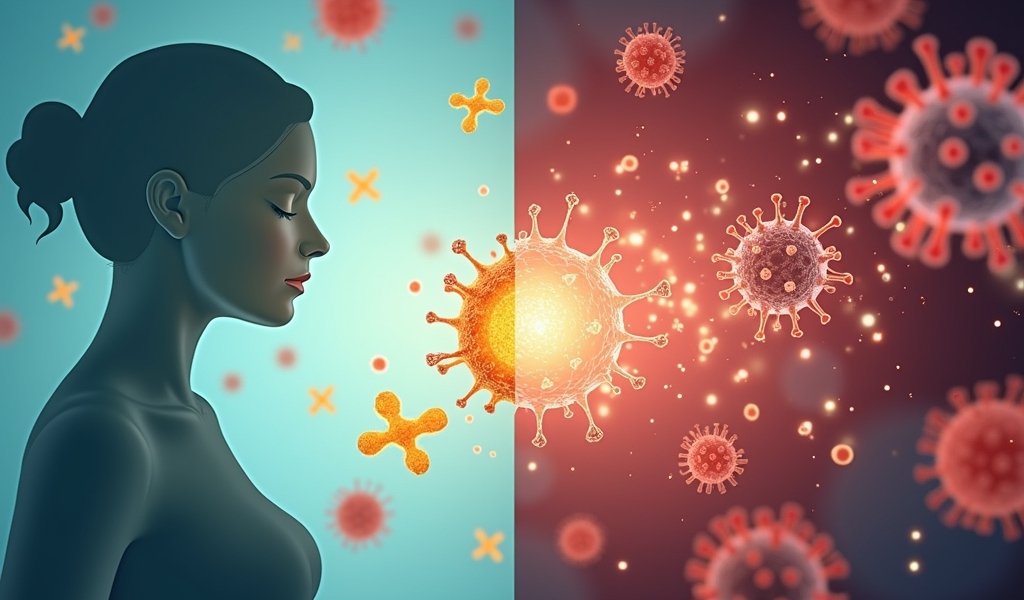
Vaccines represent one of medicine’s greatest achievements, having saved countless lives through their ability to stimulate active immunity without causing disease. They work by introducing your body to a harmless version of a pathogen – either weakened, killed, or parts of the organism – triggering an immune response without causing illness.
The genius of vaccination lies in how it mimics natural infection to create immunity. Your immune system can’t tell the difference between the real disease and the vaccine version, so it develops protective antibodies either way. However, with vaccines, you get the immunity without suffering the potentially dangerous symptoms and complications of the actual disease.
Modern vaccine technology continues to evolve. Traditional vaccines using weakened or inactivated pathogens now share the stage with newer approaches:
- Subunit vaccines that use only specific pieces of the pathogen
- mRNA vaccines that teach cells to make a protein that triggers an immune response
- Viral vector vaccines that use a modified version of a different virus as a vector to deliver protection
The World Health Organization estimates that vaccines prevent 2-3 million deaths annually worldwide. This staggering figure underscores just how powerful active immunity can be when deliberately stimulated through vaccination.
How Immunity Develops Throughout Life
Your immune system’s journey begins before birth and continues evolving throughout your entire life. This development follows a fascinating trajectory:
Prenatal and Newborn Period:
During pregnancy, IgG antibodies cross the placenta from mother to baby, providing passive immunity that helps protect newborns during their first months. After birth, breast milk delivers additional antibodies, particularly secretory IgA, which helps protect the baby’s digestive tract from pathogens.
Infancy and Early Childhood:
As maternal antibodies wane (typically within 6-12 months), babies become more susceptible to infections. This vulnerability coincides with their immune systems actively learning to recognize and respond to the world around them. This is why childhood vaccination schedules are designed to protect children during this critical period.
Adolescence to Adulthood:
By adolescence, most people have encountered numerous pathogens and developed a robust repertoire of immunological memories. The immune system continues to adapt and respond to new challenges throughout adulthood, though its efficiency in generating new responses may gradually decline with age.
Older Adulthood:
Immunosenescence – the gradual deterioration of the immune system with age – begins to impact immunity in older adults. This explains why older individuals often have less robust responses to vaccines and increased susceptibility to infections.
Research from the National Institutes of Health has shown that this lifelong development process reflects both genetic factors and environmental exposures. Understanding these changes helps medical professionals tailor preventive strategies to different life stages.
Factors Affecting Immunity Strength
The strength of your immune response, whether active or passive, isn’t fixed. Multiple factors influence how effectively your body can defend itself:
- Nutrition: Deficiencies in protein, vitamins (particularly A, C, D, E), and minerals (zinc, selenium) can compromise immune function. A balanced diet rich in fruits, vegetables, lean proteins, and whole grains supports optimal immunity.
- Sleep: Quality sleep is essential for immune function. During sleep, your body produces and releases cytokines – proteins that target infection and inflammation.
- Stress: Chronic stress elevates cortisol levels, which can suppress immune function over time. Stress management techniques can help mitigate these effects.
- Exercise: Moderate, regular physical activity enhances immune surveillance and reduces inflammation. However, extremely intense exercise without adequate recovery may temporarily suppress immunity.
- Age: Both the very young (with developing immune systems) and the elderly (experiencing immunosenescence) typically have less robust immune responses.
- Genetics: Inherited factors influence how your immune system develops and responds to challenges.
- Previous exposures: Your history of infections and vaccinations shapes your immune memory and future response capabilities.
I’ve seen these factors play out countless times in clinical practice. One memorable patient had recurrent infections despite being young and otherwise healthy. When we explored potential causes, we discovered severe vitamin D deficiency along with chronic sleep deprivation from his high-stress job. Addressing these factors – through supplementation and lifestyle changes – significantly improved his immune function and reduced infection frequency.
When Immunity Goes Wrong: Common Disorders
While we typically focus on how immunity protects us, immune system dysfunction can cause significant health problems:
Immunodeficiency Disorders:
These occur when parts of the immune system are missing or dysfunctional, resulting in increased susceptibility to infections. They can be primary (present from birth, usually genetic) or secondary (acquired through infection, malnutrition, or medication).
Autoimmune Disorders:
In these conditions, the immune system mistakenly attacks the body’s own tissues. Examples include rheumatoid arthritis, type 1 diabetes, multiple sclerosis, and lupus. These disorders often involve a complex interplay of genetic predisposition and environmental triggers.
Allergies:
Allergies represent an overreaction of the immune system to substances (allergens) that are typically harmless. The immune system produces IgE antibodies that trigger inflammation and characteristic allergy symptoms.
Cytokine Storms:
Sometimes, the immune system overreacts to infection or other triggers, releasing excessive inflammatory molecules (cytokines) that cause widespread inflammation and organ damage. This phenomenon gained attention during severe COVID-19 cases.
A fascinating 2020 review in Nature Immunology explored how understanding these dysfunctions provides valuable insights into normal immune function. Each disorder reveals something about how the delicate balance of immunity is maintained when things go right.
The Future of Immunity Research
The field of immunology continues to evolve rapidly, with exciting developments that promise to transform how we understand and harness immunity:
- Personalized Immunotherapy: Researchers are developing approaches to customize immune treatments based on individual genetic profiles and specific disease characteristics.
- Microbiome Manipulation: Growing evidence suggests that gut bacteria play a crucial role in immune development and function. Future treatments may involve precisely modifying the microbiome to enhance immunity.
- Advanced Vaccines: Next-generation vaccine technologies aim to provide broader protection, longer-lasting immunity, and more targeted responses to specific pathogens.
- Artificial Immunity: Scientists are exploring synthetic antibodies and engineered immune cells that could provide protection beyond what natural immunity offers.
The recent advances in immunology, particularly those accelerated by COVID-19 research, suggest we’re entering a new era in our ability to modulate immune responses for better health outcomes.
Wrapping Up: Making Sense of Immunity
The dance between passive and active immunity represents one of nature’s most elegant solutions to protecting living organisms. Active immunity, with its slower development but long-lasting protection, works alongside passive immunity’s immediate but temporary defense to create a comprehensive protection system.
Understanding these mechanisms helps us make informed healthcare decisions – from vaccination schedules to immunity-boosting lifestyle choices. It also illuminates why certain medical interventions are recommended in specific situations.
As we continue to face new infectious challenges globally, this knowledge becomes increasingly valuable. The COVID-19 pandemic highlighted both the importance of immunity and the devastating consequences when populations lack it.
I hope this exploration of passive vs active immunity has provided you with insights that extend beyond academic understanding to practical application in your health decisions. The more we understand our immune systems, the better equipped we are to support and protect them.
Have you considered how your lifestyle choices might be affecting your immune function? Perhaps it’s worth reflecting on whether there are simple changes you could make today to better support your body’s remarkable defense system.
Frequently Asked Questions
What’s the quickest way to develop immunity against a disease?
Passive immunity provides the fastest protection as it delivers ready-made antibodies. It works immediately but typically lasts only weeks to months.
Can you have both active and passive immunity simultaneously?
Yes, you can have both types at once, such as when receiving antibody therapy (passive) while also recovering from an infection (developing active). This dual approach is sometimes used in post-exposure prophylaxis.
Do vaccines provide active or passive immunity?
Traditional vaccines provide active immunity by stimulating your immune system to produce its own antibodies. Your body does the work, resulting in longer-lasting protection.
Why do babies need vaccinations if they have passive immunity from their mothers?
Maternal passive immunity is temporary, typically lasting only 3-6 months after birth. Vaccinations help babies develop their own active immunity as this protection fades.
Can immunity be transferred from person to person?
Natural passive immunity can transfer from mother to child during pregnancy and breastfeeding. Otherwise, artificial passive immunity requires medical intervention like immunoglobulin therapy.