

Overview
This seven-step approach to managing pancreatitis through diet explains how to reduce pancreatic inflammation by implementing a low-fat diet (30-50g daily), eating smaller frequent meals, staying hydrated, avoiding alcohol, identifying trigger foods, and ensuring proper nutrition despite restrictions. The article emphasizes that dietary management is the foundation for reducing pain and improving quality of life for pancreatitis patients, with most seeing noticeable symptom improvement within days of making these strategic nutritional changes.
Table of Contents
- Understanding Pancreatitis: What You Need to Know
- The Pancreas-Diet Connection: Why Food Matters
- Step 1: The Initial Healing Phase – Giving Your Pancreas a Break
- Step 2: Reintroducing Foods Strategically
- Step 3: Embracing the Low-Fat Lifestyle
- Step 4: Portion Control and Meal Timing
- Step 5: Hydration and Alcohol Avoidance
- Step 6: Identifying and Managing Trigger Foods
- Step 7: Long-term Nutritional Balance and Monitoring
- Conclusion: Your Path Forward with Pancreatitis
- Frequently Asked Questions
Understanding Pancreatitis: What You Need to Know
Living with pancreatitis can transform something as simple as eating into a complex daily challenge. As a gastroenterologist who’s guided hundreds of patients through this journey, I’ve seen firsthand how the right pancreatitis diet can dramatically reduce pain and improve quality of life. Pancreatitis—inflammation of the pancreas—demands careful nutritional choices that many patients find overwhelming at first.
Pancreatitis occurs in two main forms: acute (sudden, severe attacks) and chronic (ongoing inflammation). Both require dietary modifications, though the specifics may vary depending on your condition’s severity. The pancreas produces digestive enzymes and insulin, making it essential for processing the foods we eat. When inflamed, these normal functions become disrupted, often creating a painful cycle that proper nutrition can help break.
Your pancreas responds directly to what you eat. High-fat meals, alcohol, and certain proteins trigger enzyme production that can exacerbate inflammation in an already sensitive organ. The good news? The seven-step approach I’m about to share has helped countless patients find relief through strategic eating. This isn’t just about elimination—it’s about creating a sustainable way of eating that supports healing while still enjoying meals.
The Pancreas-Diet Connection: Why Food Matters
The relationship between your diet and pancreatic health is remarkably direct. When you consume food—particularly fats—your pancreas releases digestive enzymes to break down these nutrients. In a healthy person, this process runs smoothly. But with pancreatitis, these enzymes can actually begin digesting the pancreas itself, causing inflammation and intense pain.
Research consistently shows that dietary modifications represent one of the most effective first-line treatments for managing pancreatitis. According to a comprehensive clinical review published in the World Journal of Gastroenterology, proper nutritional therapy can significantly reduce pain episodes and hospitalization rates in chronic pancreatitis patients.
The foods you choose matter tremendously. High-fat foods require your pancreas to work harder, potentially triggering painful flares. Simple sugars can spike blood glucose levels, adding stress to an organ that helps regulate insulin. Meanwhile, nutrient-dense, low-fat options provide necessary nourishment without overwhelming your digestive system.
Perhaps most encouraging is that most patients see noticeable improvement within days of implementing proper dietary changes. While medication and sometimes surgery play important roles in treatment, nutrition remains the foundation of daily management that puts you in control of your symptoms.
Step 1: The Initial Healing Phase – Giving Your Pancreas a Break
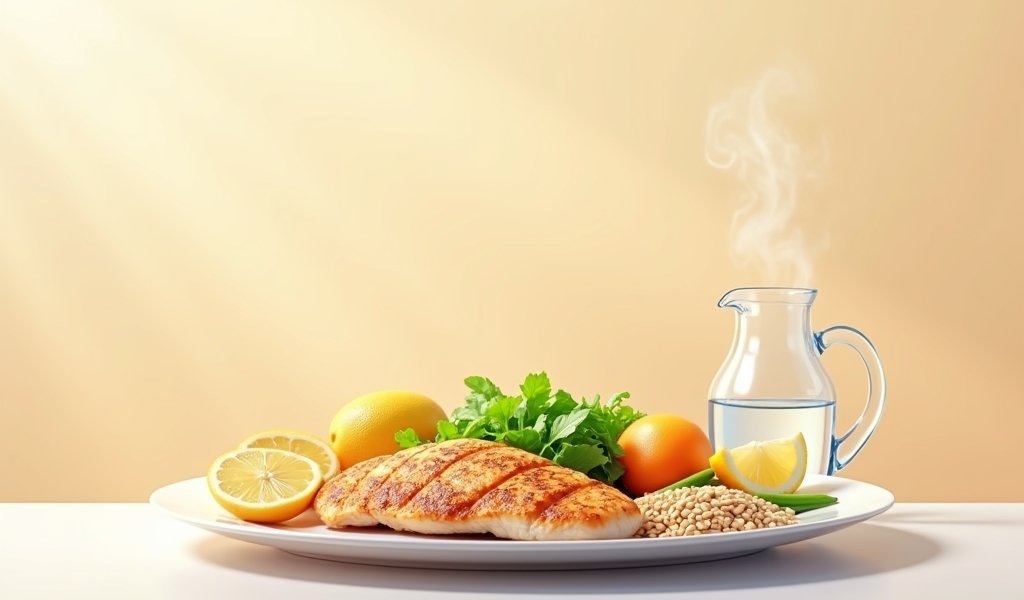
During an acute pancreatitis flare or following diagnosis, your pancreas needs rest above all else. This initial healing phase often involves temporarily limiting oral intake to reduce pancreatic stimulation. Many physicians recommend a clear liquid diet for 24-48 hours during acute episodes.
What does this look like in practice? Think broth (not cream-based soups), apple juice, clear gelatin, and water. These provide minimal digestive demands while preventing dehydration. Some patients may need hospitalization with IV fluids during severe attacks, while others can manage at home with medical guidance.
As symptoms improve, you’ll gradually transition to a full liquid diet that includes options like strained cream of wheat, protein shakes (specifically formulated for pancreatitis patients), and pulp-free fruit juices. This phase typically lasts only a few days but plays a crucial role in breaking the inflammatory cycle.
Many patients express concern about hunger during this phase. Remember—this is temporary and essential for healing. Small, frequent sips throughout the day help manage hunger while keeping your pancreas calm. Your healthcare provider can help determine exactly how long this phase should last based on your specific situation.
Step 2: Reintroducing Foods Strategically
Once the acute inflammation subsides, thoughtfully reintroducing solid foods becomes the next critical step. This isn’t about rushing back to normal eating—it’s about systematically testing what your pancreas can handle while providing much-needed nutrition. Think of it as rebuilding your diet from the ground up.
Start with naturally low-fat, easily digestible foods. Plain toast, boiled white rice, baked chicken breast (skinless), and steamed vegetables like carrots create an excellent foundation. The bland diet approach works well during this transition, avoiding spices and complex flavors that might stimulate digestive secretions.
Introduce one new food every 1-2 days, starting with small portions. This methodical approach allows you to identify any items that trigger discomfort. Keep a food journal noting what you ate, when, and any symptoms that followed. These observations provide invaluable data for you and your healthcare team.
Your reintroduction timeline will vary based on your specific condition and recovery pace. Most patients complete this phase within 1-2 weeks, gradually building toward the long-term low-fat diet that becomes your maintenance approach. Remember that setbacks sometimes happen—if a food causes pain, simply remove it and try something else.
Step 3: Embracing the Low-Fat Lifestyle
The cornerstone of any effective pancreatitis diet is limiting fat intake. Research from the National Institute of Diabetes and Digestive and Kidney Diseases suggests keeping fat intake between 30-50 grams daily for most pancreatitis patients. This represents a significant shift for many people used to the average American diet containing 70-100 grams daily.
Rather than focusing on what you can’t have, consider the abundance of foods that support pancreatic health. Fresh fruits, vegetables, whole grains like quinoa and brown rice, and lean proteins such as egg whites, skinless chicken, and many fish varieties can form delicious, satisfying meals. Plant-based proteins like lentils and beans often provide excellent nutrition with naturally lower fat content.
Learning to read nutrition labels becomes an essential skill. Look beyond just the total fat—pay attention to saturated fat content, which tends to be particularly problematic. A good rule of thumb: aim for items with less than 3 grams of fat per serving. Cooking methods matter tremendously too. Replace frying with baking, broiling, steaming, or air-frying using minimal oil.
Many patients find that Mediterranean-style eating patterns align well with pancreatitis management. This approach emphasizes olive oil (in modest amounts) over butter, fish over red meat, and abundant plant foods—all choices that support a healthier pancreas while still providing enjoyable meals.
Step 4: Portion Control and Meal Timing
How you eat can be just as important as what you eat when managing pancreatitis. Large meals demand significant digestive enzyme production, placing stress on an already compromised pancreas. Instead, aim for 4-6 smaller meals spaced evenly throughout the day. This approach provides steady nutrition without overwhelming your digestive system.
Portion awareness becomes crucial. A typical meal might include:
- A palm-sized serving of lean protein (about 3-4 ounces)
- ½ to 1 cup of complex carbohydrates like rice or sweet potato
- 1-2 cups of non-starchy vegetables
- A small serving of fruit
Consistent meal timing helps regulate digestive processes and prevents the pancreas from being surprised by irregular eating patterns. Try to eat at approximately the same times each day, with your final meal completing at least 3 hours before bedtime. This supports better digestion and reduces the likelihood of nighttime discomfort.
Another helpful strategy is mindful eating—slowing down, chewing thoroughly, and paying attention to hunger and fullness cues. This practice supports better digestion and helps prevent overeating, which many patients report can trigger symptoms even with otherwise “safe” foods.
Step 5: Hydration and Alcohol Avoidance
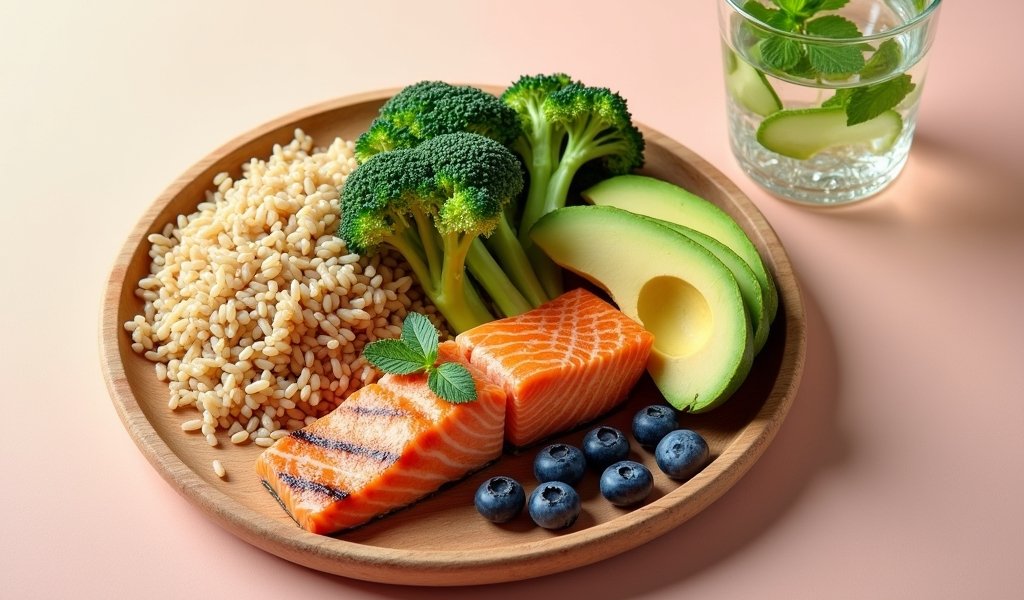
Proper hydration plays a vital but often overlooked role in pancreatitis management. Water supports digestive function, helps prevent constipation (which can increase abdominal pressure), and assists in flushing toxins from the body. Most pancreatitis patients should aim for at least 64 ounces (about 2 liters) of fluid daily, primarily from water.
What you drink matters as much as what you eat. Alcohol must be completely eliminated, as it’s one of the most potent pancreatic irritants. Even small amounts can trigger painful flares and contribute to long-term damage. This isn’t just about hard liquor—beer, wine, and mixed drinks all present equal risk to your pancreas.
Caffeine represents a gray area that varies by individual. Many patients tolerate moderate amounts (1-2 cups daily) without issue, while others find it triggers symptoms. If you include caffeine, monitor your response carefully and consider low-acid options like cold brew coffee, which some find gentler on the digestive system.
When it comes to other beverages, choose wisely. Sugar-sweetened drinks can spike blood sugar and potentially stress the pancreas. Herbal teas, diluted fruit juices (limit to 4-6 ounces daily), and electrolyte-enhanced waters provide flavorful alternatives that support hydration without compromising pancreatic health.
Step 6: Identifying and Managing Trigger Foods
Beyond universal recommendations, pancreatitis dietary management requires personalization. Each person’s digestive system responds differently, and identifying your specific trigger foods is an essential step toward lasting relief. This process requires patience, careful observation, and sometimes a bit of detective work.
Common trigger foods beyond high-fat items include:
- Processed meats (bacon, sausage, hot dogs)
- Fried foods of any kind
- Full-fat dairy products
- Pastries and desserts high in fat and sugar
- Spicy foods (particularly those with capsaicin)
- Carbonated beverages
Developing a systematic approach to identifying triggers works best. After establishing your baseline low-fat diet, introduce potentially problematic foods one at a time, in small amounts. Wait 48-72 hours before trying another potential trigger, giving your body time to react if that food doesn’t agree with you.
Document everything in your food journal, noting not just obvious symptoms like pain, but also subtler reactions like bloating, changes in bowel movements, or fatigue. Over time, patterns emerge that help you create your personal “avoid” list. Remember that triggers can change over time—foods that cause problems during an acute phase might be tolerated later, or vice versa.
Step 7: Long-term Nutritional Balance and Monitoring
As you establish your maintenance diet, ensuring complete nutrition becomes crucial. The restrictions necessary for pancreatic health can sometimes lead to deficiencies if not carefully planned. Working with a registered dietitian specializing in digestive disorders provides invaluable guidance for creating balanced meal plans that protect your pancreas while nourishing your body.
Pay particular attention to fat-soluble vitamins (A, D, E, and K), which may be inadequately absorbed due to pancreatic enzyme insufficiency. Many patients benefit from supplementation, especially vitamin D, which studies have linked to reduced inflammation. Your healthcare provider can recommend appropriate testing to identify and address specific deficiencies.
Regular monitoring through blood work helps track your nutritional status and assess how well your pancreatitis is being controlled. Parameters like lipase levels, blood glucose, and nutritional markers provide objective measures of your management success. Adjustments to your dietary approach can then be made based on these results rather than guesswork.
Finally, remember that pancreatitis management requires flexibility. Your dietary needs may evolve with changing health status, medication adjustments, or natural aging. The willingness to adapt your approach—adding new foods when possible, limiting others when necessary—creates a sustainable lifestyle rather than a rigid, temporary “diet.”
Conclusion: Your Path Forward with Pancreatitis
Managing pancreatitis through diet represents one of the most powerful tools you have for reclaiming comfort and quality of life. The seven steps we’ve explored provide a comprehensive framework that has helped countless patients transition from the fear and pain of uncontrolled symptoms to confident, effective self-management.
Remember that this journey isn’t linear. You’ll likely experience setbacks along the way—a flare after trying a new food, unexpected reactions to previously “safe” items, or the occasional strong craving for foods now off-limits. These challenges are normal parts of the process, not failures.
The most successful patients approach their pancreatitis diet with patience and self-compassion. Each meal choice represents an opportunity to support your pancreas, not a test to pass or fail. Over time, these choices become habits, and the diet feels less like a restriction and more like your normal way of eating.
While diet forms the foundation of pancreatitis management, remember it works best as part of a comprehensive approach including medication adherence, stress management, regular exercise as tolerated, and ongoing medical care. Your healthcare team remains your most valuable resource as you navigate this condition.
With consistent application of these dietary principles, most pancreatitis patients experience significant symptom improvement, reduced flare frequency, and a welcome return to enjoying meals without fear. Your pancreas can heal—and with the right nutritional support, you’re giving it the best possible chance to do so.
Frequently Asked Questions
Can I ever eat high-fat foods again with pancreatitis?
Most patients with well-controlled pancreatitis can occasionally tolerate small amounts of higher-fat foods during stable periods. Always reintroduce such foods gradually and in limited portions, monitoring your body’s response carefully.
How quickly will dietary changes improve my pancreatitis symptoms?
Many patients notice improvement within 3-5 days of implementing dietary changes, though complete stabilization may take several weeks. Consistency is key to seeing lasting results from your nutritional approach.
Should I take pancreatic enzyme supplements with my meals?
Pancreatic enzyme replacement therapy (PERT) benefits many patients with pancreatitis, particularly those with enzyme insufficiency. Your doctor can determine if you need these supplements based on your symptoms and digestive function tests.
Can I follow a vegetarian or vegan diet with pancreatitis?
Plant-based diets can work well for pancreatitis management when properly planned to limit fat while ensuring adequate protein. Focus on legumes, tofu, tempeh, and seitan as protein sources while monitoring nuts and seeds, which are higher in fat.
Is it safe to use artificial sweeteners with pancreatitis?
Most patients tolerate moderate use of artificial sweeteners without issues. Some studies suggest stevia may have anti-inflammatory properties, potentially making it a preferable choice for pancreatitis patients.