

Overview
When the roof of your mouth decides to throw a painful party that nobody RSVP’d for, you’ve got options beyond just crying into your now-impossible-to-enjoy pizza. This guide offers seven effective remedies for palate pain (including cold treatments, saltwater rinses, and natural applications), explains when to seek medical attention, and provides prevention strategies to keep your mouth’s ceiling happy and pain-free in the future.
Table of Contents
- Understanding Pain in the Roof of Your Mouth
- Common Causes of Roof of Mouth Pain
- 7 Proven Home Remedies for Fast Pain Relief
- Cold Treatments to Reduce Inflammation
- Saltwater Rinses for Natural Relief
- Over-the-Counter Solutions
- Proper Hydration for Oral Health
- When to See a Doctor
- Prevention Tips for Future Comfort
- Conclusion
- Frequently Asked Questions
Understanding Pain in the Roof of Your Mouth
Experiencing pain in the roof of your mouth can disrupt your entire day, making simple actions like eating, drinking, or even talking uncomfortable. This sensitive area, known as the palate, consists of two parts: the hard palate at the front and the soft palate toward the back of your mouth. When pain strikes this region, finding quick relief becomes a priority for restoring comfort and normal function.
As a healthcare professional who has helped numerous patients with oral discomfort, I understand how distressing this pain can be. The good news is that most causes of palate pain are treatable, and many respond well to simple home remedies. In this comprehensive guide, I’ll walk you through effective strategies to identify what’s causing your discomfort and provide proven methods to relieve pain in roof of mouth quickly and safely.
Before diving into solutions, it’s important to understand that roof of mouth pain varies in intensity and character depending on its cause. Some experience a burning sensation, while others might feel sharp pain, soreness, or general discomfort. By recognizing these nuances, you’ll be better equipped to address your specific situation and find appropriate health solutions.
Common Causes of Roof of Mouth Pain
Understanding what’s triggering pain in roof of mouth is the first step toward effective treatment. Several conditions commonly cause this discomfort:
- Burns from hot foods or beverages (pizza burn)
- Canker sores or mouth ulcers
- Oral infections, including bacterial, viral, or fungal
- Allergic reactions to foods or dental products
- Irritation from spicy or acidic foods
- Dental issues like infections or impacted teeth
- Dry mouth (xerostomia)
- Sinusitis affecting the palate
Each cause requires a slightly different approach, though many respond to similar soothing techniques. For example, a pizza burn needs immediate cooling, while a canker sore might benefit more from protective measures. According to the American Academy of Oral Medicine, identifying the specific type of oral pain you’re experiencing can significantly improve treatment outcomes.
It’s worth noting that some underlying health conditions, such as autoimmune disorders or vitamin deficiencies, can also manifest as palate pain. If you’re experiencing persistent or recurrent pain, a comprehensive wellness exam might be necessary to identify any underlying conditions.
7 Proven Home Remedies for Fast Pain Relief
When pain strikes the roof of your mouth, you want relief—and fast. The following remedies have demonstrated effectiveness for many of my patients and are supported by clinical experience. Best of all, most can be implemented using items you likely already have at home.
1. Ice Chips or Cold Beverages
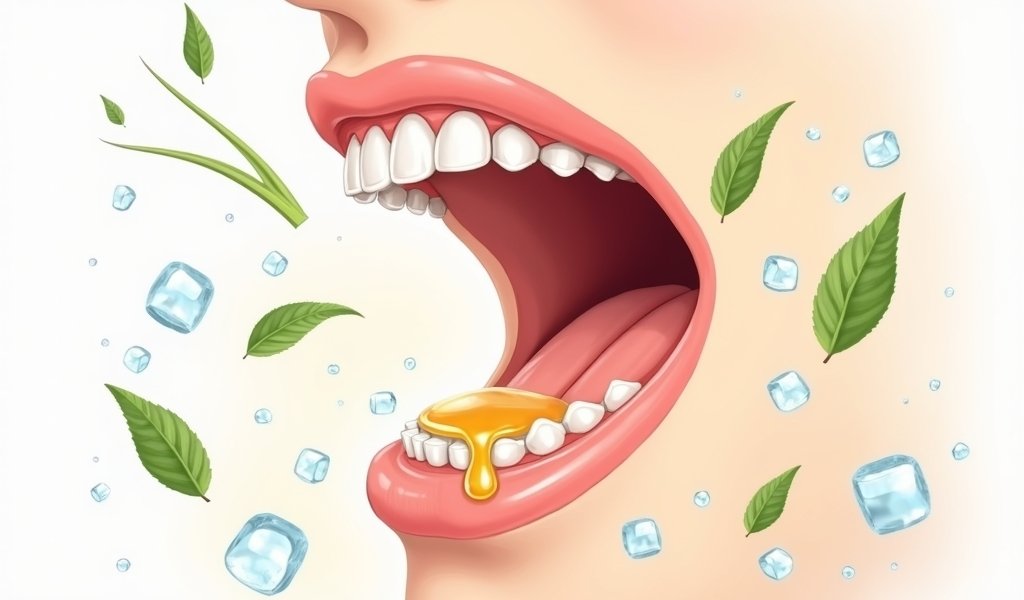
For immediate relief, especially from burns or inflammation, cold therapy works wonders. Slowly suck on ice chips or sip cold water to numb the area and reduce swelling. The cold constricts blood vessels, which helps minimize pain signals. Avoid using ice directly against the palate for more than a few seconds at a time to prevent tissue damage.
2. Saltwater Gargle
A simple yet powerful remedy, saltwater rinses can reduce inflammation and fight infection. Mix ½ teaspoon of salt in 8 ounces of warm (not hot) water and gently swish for 30 seconds before spitting. Research published in the Journal of the American Dental Association confirms that saltwater rinses promote healing by creating an environment inhospitable to harmful bacteria.
3. Honey Application
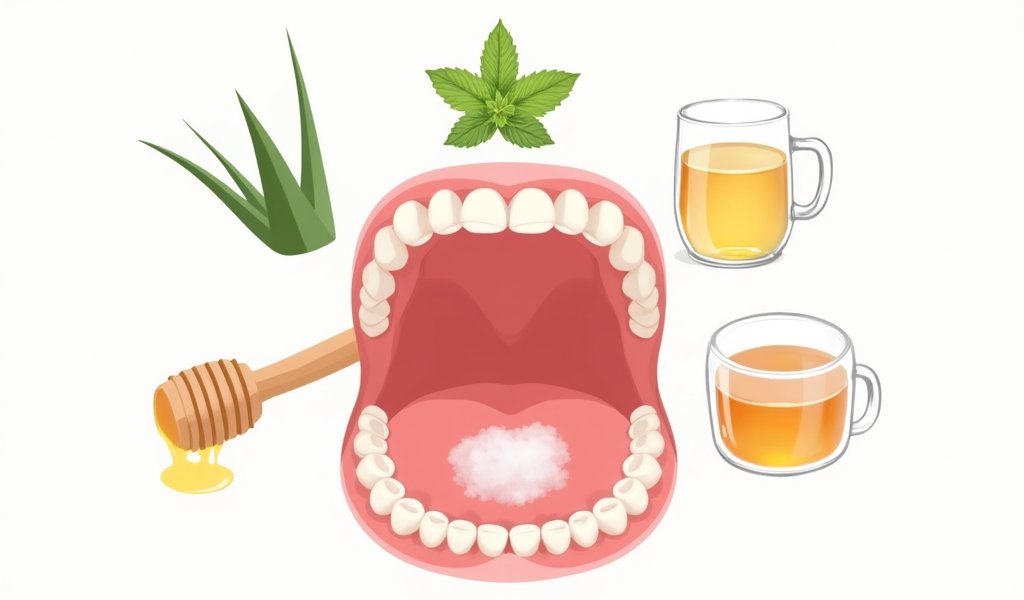
Raw honey contains natural antibacterial and anti-inflammatory properties that can soothe palate pain. Apply a small amount of high-quality, raw honey directly to the painful area using a clean finger or cotton swab. This remedy is particularly effective for canker sores and minor abrasions but should be used sparingly if you have diabetes due to its sugar content.
4. Clove Oil
Clove oil contains eugenol, a natural anesthetic and antimicrobial agent. Dilute a drop of clove oil with a teaspoon of olive or coconut oil, then apply to the painful area using a cotton swab. Use with caution—pure clove oil is potent and can cause irritation if used undiluted.
5. Baking Soda Paste
For canker sores or acidic irritation, create a neutralizing paste with baking soda and water. Mix just enough water with a teaspoon of baking soda to form a thick paste, then apply directly to the affected area. The alkaline nature of baking soda helps neutralize acids and provides relief from burning sensations.
6. Aloe Vera Gel
Pure aloe vera gel offers cooling relief and promotes healing. Extract gel directly from an aloe plant leaf or use a high-quality, preservative-free commercial product. Apply a small amount to the painful area several times daily. Studies in the Journal of Oral Pathology & Medicine have documented aloe vera’s effectiveness in treating oral inflammatory conditions.
7. Chamomile Tea Compress
Brew a strong cup of chamomile tea, allow it to cool, then use it as a mouth rinse or apply with a cotton ball. Chamomile contains compounds that reduce inflammation and promote tissue healing. It’s particularly soothing for widespread irritation of the palate.
These remedies offer a holistic approach to wellness and pain management that addresses both symptoms and underlying causes. For optimal results, use these treatments consistently several times a day until pain subsides.
Cold Treatments to Reduce Inflammation
Cold therapy deserves special attention when dealing with pain in roof of mouth, as it’s often the quickest route to relief. When tissue is inflamed or burned, cold applications reduce blood flow to the area, numbing nerve endings and decreasing swelling.
For palate burns from hot foods (commonly called “pizza palate”), immediate cold application is crucial. Take a sip of cold water and hold it against the roof of your mouth for 30-60 seconds. Repeat as needed until the initial burning sensation subsides. This immediate action can prevent the burn from worsening and significantly reduce recovery time.
Cold popsicles or frozen yogurt can also provide extended relief while being pleasant to consume. The coldness numbs the area, while the smooth texture won’t further irritate sensitive tissues. For children experiencing palate pain, this option is particularly appealing and effective.
Another technique I recommend to patients is using a clean cloth wrapped around an ice cube. Gently press this against the roof of your mouth for short intervals of 15-30 seconds. This targeted approach allows you to address specific painful spots without overwhelming sensitivity.
Remember that excessive cold can potentially damage tissues, so limit direct ice application to short intervals with breaks in between. The goal is to numb and reduce inflammation, not to freeze the tissue.
Saltwater Rinses for Natural Relief
Saltwater rinses stand as one of the most effective, accessible, and scientifically supported remedies for oral pain. This simple solution works through multiple mechanisms to provide relief and promote healing of pain in roof of mouth.
The osmotic effect of salt draws out fluids from inflamed tissues, reducing swelling and pressure that contribute to pain. Additionally, the slightly alkaline nature of saltwater helps neutralize acids that may be irritating the palate. Perhaps most importantly, salt creates an environment that inhibits bacterial growth, potentially preventing secondary infections in damaged tissues.
For maximum effectiveness, follow this precise method:
- Dissolve ½ teaspoon of non-iodized salt (sea salt or kosher salt works well) in 8 ounces of warm water
- Ensure the water is warm enough to dissolve the salt but not hot enough to cause discomfort
- Take a mouthful and gently tilt your head back so the solution reaches the roof of your mouth
- Hold for 30 seconds, ensuring the solution bathes the painful area
- Spit out the solution (do not swallow)
- Repeat 3-4 times daily, especially after meals and before bed
Clinical studies have consistently shown that hypertonic saline solutions (saltwater) promote wound healing in oral tissues. A review published in the Journal of Dentistry confirmed the efficacy of saltwater rinses in reducing oral inflammation and promoting healing.
For enhanced benefits, some dental professionals recommend adding a quarter teaspoon of baking soda to your saltwater solution. This further neutralizes acids and creates an even more alkaline environment that speeds healing for certain types of palate injuries.
Over-the-Counter Solutions
When home remedies aren’t providing sufficient relief for pain in roof of mouth, over-the-counter medications and products can offer the next level of intervention. These solutions are readily available and can be highly effective when used correctly.
Topical oral anesthetics containing benzocaine or lidocaine can provide immediate, if temporary, numbing relief. Products like Orajel or Anbesol applied directly to the painful area create a barrier between exposed nerve endings and irritants. For maximum effectiveness, dry the area gently with a clean tissue before application, and avoid eating or drinking for 30 minutes afterward to allow the medication to work.
Non-steroidal anti-inflammatory drugs (NSAIDs) such as ibuprofen work systemically to reduce inflammation and pain. These medications are particularly helpful when the pain is accompanied by significant swelling or is caused by conditions like sinusitis that affect the palate. Always follow package directions for proper dosing and avoid using these medications for extended periods without medical supervision.
Specialized mouth rinses containing ingredients like chlorhexidine can reduce bacteria and promote healing. These are particularly useful when the pain stems from infection or after dental procedures. Some formulations designed specifically for mouth sores contain soothing ingredients like aloe vera or chamomile alongside antimicrobial components.
Protective pastes or gels create a temporary coating over sensitive areas of the palate. Products like Orabase contain ingredients that adhere to moist tissues and create a protective barrier. This is especially helpful for canker sores or areas where friction (from dentures or orthodontic appliances) is contributing to palate pain.
When selecting over-the-counter products, consult with a pharmacist if you have underlying health conditions or are taking other medications to ensure there are no potential interactions or contraindications.
Proper Hydration for Oral Health
Staying well-hydrated plays a crucial but often overlooked role in managing and preventing pain in roof of mouth. Adequate hydration supports overall oral health and can directly impact palate comfort in several ways.
First and foremost, proper hydration ensures sufficient saliva production. Saliva is your mouth’s natural defense system, containing enzymes that fight bacteria, neutralize acids, and promote tissue healing. When you’re dehydrated, saliva production decreases, leaving your palate more vulnerable to irritation and slower to heal from existing damage.
Dry mouth (xerostomia) is a common condition that can directly cause or worsen palate discomfort. Beyond just feeling unpleasant, a dry palate is more susceptible to friction injuries and infections. Regular water consumption throughout the day helps maintain the moisture balance in your mouth’s mucous membranes, including the sensitive palate tissues.
For optimal oral hydration:
- Aim for at least 8-10 glasses of water daily
- Sip water frequently rather than consuming large amounts infrequently
- Consider using a humidifier in dry environments, especially while sleeping
- Limit consumption of dehydrating beverages like alcohol and caffeine
- Try alcohol-free mouthwashes that are specifically formulated for dry mouth
If medications are causing your dry mouth, discuss alternatives or management strategies with your healthcare provider. Some prescription medications can significantly reduce saliva flow as a side effect, potentially contributing to palate discomfort.
Certain hydration approaches can provide direct relief for palate pain. Sucking on ice chips not only provides the cooling relief mentioned earlier but also gradually releases moisture. Similarly, frozen fruit slices (like cucumber or watermelon) can hydrate while providing a soothing effect to irritated tissues.
When to See a Doctor
While many instances of pain in roof of mouth can be effectively managed at home, certain situations warrant professional medical attention. As a healthcare provider, I strongly advise seeking professional evaluation if you experience any of the following:
- Severe pain that doesn’t respond to home remedies within 48 hours
- Palate pain accompanied by high fever (over 101°F or 38.3°C)
- Visible white or red patches on the roof of your mouth that persist
- Difficulty swallowing or breathing associated with palate pain
- Pain that radiates to your ears, jaw, or neck
- Unusual lumps, growths, or persistent sores in the mouth
- Recurring episodes of palate pain without clear cause
- Signs of infection such as pus, severe swelling, or spreading redness
These symptoms may indicate more serious conditions requiring targeted medical intervention. Certain oral infections can spread rapidly if left untreated, potentially leading to systemic complications. Similarly, persistent sores or unusual changes in the mouth tissues should be evaluated to rule out precancerous or cancerous conditions.
Your doctor may refer you to a dental professional or oral specialist depending on the suspected cause. Specialists like oral pathologists, periodontists, or ear-nose-throat (ENT) doctors have specialized training and equipment to diagnose and treat complex oral conditions.
During your appointment, be prepared to discuss:
- When the pain began and any triggering events
- The exact location and nature of the pain (burning, sharp, dull, etc.)
- Any home remedies you’ve tried and their effects
- Recent dietary changes, dental procedures, or new oral products
- Any other symptoms you’re experiencing, even if they seem unrelated
This information helps your healthcare provider determine the appropriate diagnostic approach and treatment plan. Remember that early intervention often leads to faster resolution with less extensive treatment.
Prevention Tips for Future Comfort
While knowing how to treat pain in roof of mouth is essential, preventing such discomfort in the first place is even better. Implementing these preventative strategies can significantly reduce your risk of experiencing palate pain in the future:
- Allow hot foods and beverages to cool slightly before consumption
- Maintain excellent oral hygiene with regular brushing, flossing, and dental check-ups
- Use a soft-bristled toothbrush and non-abrasive toothpaste
- If you wear dentures or oral appliances, ensure they fit properly
- Stay well-hydrated throughout the day
- Limit consumption of highly acidic, spicy, or rough-textured foods
- Manage stress, which can contribute to canker sores and teeth grinding
- Consider using a mouth guard if you grind your teeth at night
- Address allergies promptly with appropriate medications or avoidance strategies
- Quit smoking and limit alcohol consumption
Dietary adjustments can play a significant role in prevention. A balanced diet rich in vitamins and minerals supports overall oral health. In particular, ensure adequate intake of B vitamins (especially B12), iron, and zinc, as deficiencies in these nutrients have been linked to various forms of oral pain and inflammation.
Regular dental check-ups are crucial for catching potential problems before they become painful. Your dentist can identify early signs of issues like infections, misaligned teeth, or problematic dental work that might eventually cause palate discomfort.
If you’ve experienced recurrent palate pain, keeping a symptom diary can help identify patterns and triggers. Note when the pain occurs, what you were eating or doing beforehand, and any other relevant factors. This information can be invaluable in preventing future episodes by highlighting specific triggers to avoid.
Conclusion
Dealing with pain in roof of mouth doesn’t have to derail your day or leave you suffering unnecessarily. As we’ve explored throughout this guide, a combination of prompt home remedies, proper hydration, and preventative measures can effectively address most cases of palate discomfort.
Remember that the roof of your mouth is a sensitive area that plays a crucial role in everyday activities like eating, drinking, and speaking. When pain strikes this region, responding quickly with appropriate treatments not only provides relief but can prevent the condition from worsening or becoming chronic.
The seven proven relief methods we’ve discussed—from cold treatments and saltwater rinses to over-the-counter medications and natural remedies like honey and aloe vera—offer a comprehensive approach to managing different types of palate pain. By matching the remedy to the specific cause of your discomfort, you’ll experience faster and more complete relief.
While self-care is appropriate for many instances of palate pain, I’ve also emphasized the importance of recognizing when professional medical attention is necessary. Persistent, severe, or unusual pain deserves proper evaluation to rule out serious conditions and ensure you receive the most effective treatment.
As with many health concerns, prevention remains the most effective strategy. By implementing the preventative measures outlined in this guide and maintaining good oral hygiene practices, you can significantly reduce your risk of experiencing palate pain in the future.
Remember that your overall wellness and oral health are interconnected. Taking care of your mouth is an essential component of your comprehensive health management. By staying attentive to changes in your oral cavity and addressing discomfort promptly, you’re taking an important step toward maintaining your quality of life and overall wellbeing.
Frequently Asked Questions
Why is the roof of my mouth suddenly hurting?
Sudden pain in the roof of your mouth is commonly caused by burns from hot foods, canker sores, or minor injuries. It could also result from allergic reactions or the early stages of an infection.
How long does roof of mouth pain typically last?
Most minor causes of palate pain resolve within 3-7 days with appropriate home care. Burns and minor injuries typically heal within 3-5 days, while canker sores may take 7-10 days to fully resolve.
Can stress cause pain in the roof of my mouth?
Yes, stress can trigger canker sores and increase teeth grinding (bruxism), both of which can cause palate pain. Stress may also reduce immune function, making oral tissues more vulnerable to irritation and infection.
Could my palate pain be related to my sinuses?
Absolutely. Sinus infections or inflammation can create pressure and pain in the roof of your mouth due to the proximity of the sinus cavities. This is especially common with maxillary sinusitis, which affects the sinuses above your mouth.
Are there any foods I should avoid when experiencing palate pain?
Avoid spicy, acidic, rough-textured, and extremely hot foods when dealing with palate pain. Stick to cool, soft, bland foods like yogurt, smoothies, and room-temperature soups until healing occurs.