
Overview
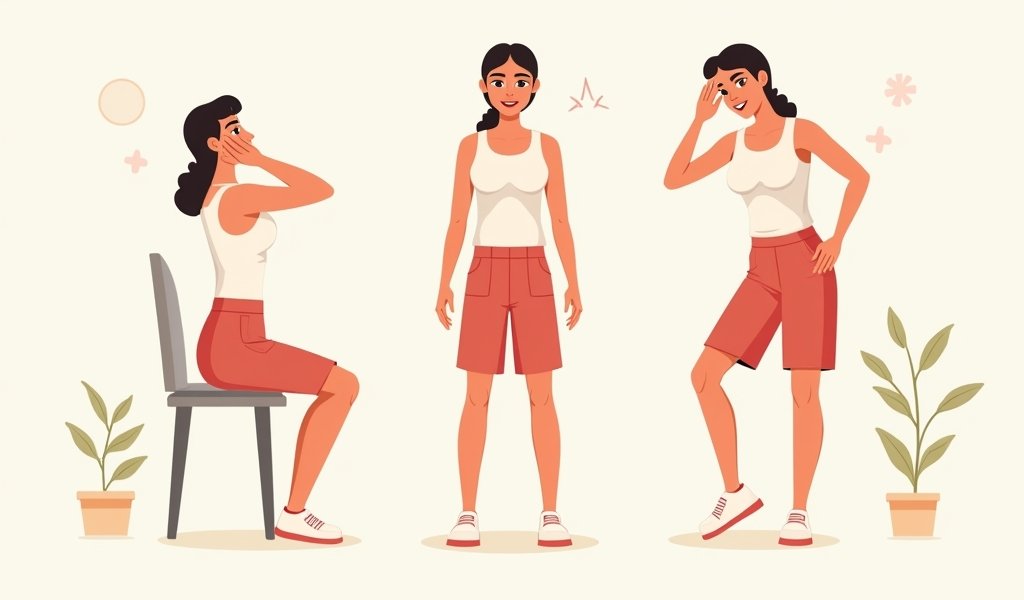
The article outlines five evidence-based remedies for the unholy trinity of migraine, jaw, and neck pain that loves to party together in your nervous system like uninvited guests who raid your fridge and rearrange your furniture. It provides detailed guidance on using strategic heat/cold therapy, targeted stretching, pressure point techniques, posture correction, and anti-inflammatory diet choices while emphasizing the neurological connections between these conditions and the importance of addressing them as an interconnected system rather than isolated symptoms.
Table of Contents
- Understanding the Connection Between Migraines, Jaw Pain, and Neck Pain
- Remedy #1: Strategic Heat and Cold Therapy
- Remedy #2: Targeted Stretching and Exercises
- Remedy #3: Pressure Point Therapy
- Remedy #4: Posture Correction Techniques
- Remedy #5: Anti-Inflammatory Diet and Hydration
- When to Seek Professional Help
- Prevention Strategies for Long-Term Relief
- Conclusion
- Frequently Asked Questions
Living with the trifecta of migraine jaw pain neck pain can be debilitating. These three conditions often intertwine, creating a complex web of discomfort that affects millions worldwide. As a healthcare professional who has worked with countless patients experiencing these interconnected pain patterns, I’ve seen firsthand how the right remedies can make a significant difference in quality of life.
The good news? Relief is possible. Research shows that targeted approaches addressing all three components simultaneously often yield better results than treating each symptom in isolation. Let’s explore five evidence-based remedies that can help alleviate this challenging combination of symptoms.
Understanding the Connection Between Migraines, Jaw Pain, and Neck Pain
Before diving into solutions, it’s essential to understand why these three pain patterns so often occur together. The trigeminal nerve—the largest cranial nerve—innervates both the jaw and plays a crucial role in migraine pathophysiology. Meanwhile, the cervical nerves from your neck converge with the trigeminal system at the trigeminocervical complex in your brainstem.
This neurological intersection explains why tension in one area frequently triggers pain in the others. For instance, temporomandibular joint (TMJ) dysfunction can cause both jaw pain and trigger migraines. Similarly, cervical spine issues can refer pain to the head and jaw.
Studies from the American Headache Society suggest that up to 70% of migraine sufferers experience neck pain, while approximately 30% report jaw discomfort. This isn’t coincidental—it’s physiological.
When addressing migraine jaw pain neck pain, this integrated understanding becomes critical. Rather than chasing symptoms individually, the most effective approaches target the underlying connections between these three conditions.
Remedy #1: Strategic Heat and Cold Therapy
Temperature therapy remains one of the most accessible and effective approaches for managing migraine jaw pain neck pain. The key lies in applying the right temperature to the right area at the right time.
For neck pain, especially when it feels tight or stiff, moist heat often works wonders. A warm shower directed at the neck, a heated neck wrap, or a moist heating pad can help relax tense muscles and improve blood flow. Apply for 15-20 minutes at a time, several times daily.
For migraines and acute jaw pain, cold therapy often proves more beneficial. Cold constricts blood vessels and reduces inflammation. A cold pack wrapped in a thin towel and applied to the temples, forehead, or jaw for 10-15 minutes can significantly reduce pain intensity.
For optimal results, try this contrast therapy approach:
- Begin with 5 minutes of heat on the back of the neck
- Follow with 5 minutes of cold on the temples or jaw
- Repeat the cycle 2-3 times
- End with cold if inflammation seems prominent, or heat if tension is the primary issue
This strategic temperature alternation helps break the pain cycle by addressing both muscular tension and inflammatory processes that contribute to your migraine jaw pain neck pain complex. As part of a holistic approach to wellness, temperature therapy can be particularly effective when combined with other remedies.

Remedy #2: Targeted Stretching and Exercises
Strategic movement can be transformative for those suffering from migraine jaw pain neck pain. The right stretches and exercises help release tension, improve circulation, and strengthen supporting muscles that may be contributing to your discomfort.
For neck relief, try these gentle stretches:
- Chin tucks: Gently draw your chin back, creating a “double chin.” Hold for 5 seconds, repeat 10 times.
- Side-to-side tilts: Slowly tilt your ear toward your shoulder until you feel a gentle stretch. Hold 15-30 seconds on each side.
- Shoulder rolls: Roll your shoulders forward 10 times, then backward 10 times.
For jaw tension, these exercises can help:
- Relaxed jaw position: Rest your tongue gently on the roof of your mouth behind your front teeth, allowing your teeth to part slightly.
- Gentle jaw stretches: Place your thumb under your chin and create gentle resistance as you slowly open your mouth.
- TMJ massage: Using your fingertips, apply gentle circular pressure to the joint just in front of your ears.
Research from the Journal of Orthopedic & Sports Physical Therapy indicates that regular neck exercises can reduce both the frequency and intensity of cervicogenic headaches and related jaw pain. The key is consistency—performing these exercises daily rather than only when pain strikes.
Remember to move slowly and never force a stretch to the point of pain. The goal is to release tension, not create more. As part of your physical wellness routine, these exercises can prevent the recurrence of migraine jaw pain neck pain episodes when practiced regularly.
Remedy #3: Pressure Point Therapy
Acupressure has been used for centuries to relieve various types of pain, and it’s particularly effective for migraine jaw pain neck pain. By stimulating specific points on the body, you can trigger your natural pain-relieving mechanisms and promote relaxation in tense areas.
Key pressure points to target include:
- Gates of Consciousness (GB20): Located at the base of your skull, in the hollow between the two large neck muscles. Apply firm pressure with your thumbs for 1-2 minutes while breathing deeply.
- Third Eye (GV24.5): Found between your eyebrows. Gentle pressure here can help relieve frontal headache pain.
- Jaw Chariot (ST7): Located in the depression in front of your ear where your jaw meets your skull. Gentle circular massage here can ease TMJ tension.
- Wind Pool (GB20): In the hollows at the base of your skull, between the two vertical neck muscles. Especially helpful for neck-related headaches.
For enhanced results, try incorporating essential oils into your pressure point therapy. Peppermint and lavender oils, when diluted properly with a carrier oil, can provide additional relief. A study published in the European Neurology journal found that peppermint oil applied to the temples was effective in reducing migraine intensity.
The beauty of pressure point therapy is its accessibility—it can be performed almost anywhere, making it an ideal intervention during the early stages of migraine jaw pain neck pain. Many patients report that regular pressure point therapy helps reduce both the frequency and intensity of their pain episodes.
Remedy #4: Posture Correction Techniques
Poor posture is often a hidden culprit behind chronic migraine jaw pain neck pain. The forward head posture so common in our device-focused world places tremendous strain on the cervical spine, leading to tension that can trigger this trifecta of pain.
Here’s how to address posture issues effectively:
- Workstation ergonomics: Position your computer monitor at eye level, use a chair with proper lumbar support, and keep your feet flat on the floor.
- Phone habits: Hold your phone at eye level rather than looking down, and use speaker or headphones for long calls instead of cradling the phone between your ear and shoulder.
- The wall test: Stand with your back against a wall, with heels, buttocks, shoulders, and head touching the wall. Notice how this proper alignment feels and try to maintain it throughout your day.
- Postural reminders: Set hourly reminders to check and correct your posture during extended sitting periods.
For many patients, incorporating specific strengthening exercises for postural muscles makes maintaining proper alignment easier over time. Focus on strengthening your deep neck flexors, lower trapezius, and core muscles.
Research from the International Journal of Sports Physical Therapy demonstrates that improved posture can significantly reduce the frequency and intensity of cervicogenic headaches and associated jaw tension. Even small adjustments to how you hold your body throughout the day can yield substantial improvements in your migraine jaw pain neck pain symptoms.

Remedy #5: Anti-Inflammatory Diet and Hydration
What you consume plays a crucial role in managing migraine jaw pain neck pain. Inflammation often underlies these conditions, and your dietary choices can either fuel that inflammation or help reduce it.
Consider incorporating these anti-inflammatory foods:
- Omega-3 rich foods: Fatty fish like salmon, flaxseeds, and walnuts help combat inflammation.
- Colorful fruits and vegetables: Berries, leafy greens, and orange produce contain antioxidants that fight inflammation.
- Turmeric and ginger: These spices have potent anti-inflammatory properties that can be incorporated into cooking or tea.
- Magnesium-rich foods: Spinach, avocados, and dark chocolate may help prevent migraines and muscle tension.
Equally important is identifying and eliminating potential trigger foods. Common culprits include:
- Processed foods high in preservatives
- Aged cheeses and fermented foods
- Foods containing MSG or artificial sweeteners
- Alcohol, especially red wine and beer
- Caffeine (both excessive consumption and withdrawal)
Hydration deserves special attention as well. Dehydration is a well-documented trigger for migraines and can increase muscle tension in the neck and jaw. Aim for at least 8-10 cups of water daily, more if you’re physically active or in hot weather.
Many patients find benefit in keeping a food and symptom journal to identify personal triggers. This individualized approach to health and wellness can be more effective than generalized dietary recommendations, as trigger patterns vary significantly between individuals.
When to Seek Professional Help
While these five remedies can provide significant relief for many people experiencing migraine jaw pain neck pain, there are times when professional intervention becomes necessary. Consider consulting a healthcare provider if:
- Your pain is severe or worsening despite home remedies
- You experience new or different headache patterns
- Pain awakens you from sleep
- You have accompanying symptoms like fever, vision changes, or neurological symptoms
- Your jaw clicks, locks, or severely limits eating
- Your pain follows a head or neck injury
Depending on your specific symptoms, various specialists might be helpful. A neurologist can address migraine components, a dentist specializing in TMJ disorders can evaluate jaw issues, and a physical therapist can work with neck pain and posture concerns.
Many patients benefit from a multidisciplinary approach. For instance, combining prescription medications for migraines with physical therapy for neck tension and a dental splint for TMJ issues often provides more comprehensive relief than any single intervention.
Remember that chronic pain conditions like migraine jaw pain neck pain often require ongoing management rather than a one-time fix. Working with healthcare providers to develop a personalized treatment plan that addresses your specific needs is often the most effective approach.
Prevention Strategies for Long-Term Relief
While the remedies discussed provide relief during active episodes, prevention remains the gold standard for managing migraine jaw pain neck pain. Incorporating these preventive strategies into your daily routine can significantly reduce both the frequency and severity of pain episodes.
Stress management deserves particular attention, as stress is a common trigger for all three components of this pain triad. Regular mindfulness practice, deep breathing exercises, or gentle yoga can help manage stress levels before they trigger pain.
Sleep hygiene also plays a crucial role in prevention. Both insufficient sleep and oversleeping can trigger migraines and increase muscle tension. Aim for 7-8 hours of quality sleep, maintain a consistent sleep schedule, and create a relaxing bedtime routine.
Regular exercise, when approached appropriately, can be preventive rather than triggering. Start with low-impact activities like walking, swimming, or cycling, gradually increasing intensity as your body adapts. The endorphins released during exercise act as natural pain relievers.
Consider keeping a comprehensive trigger journal that tracks not just food but also sleep patterns, stress levels, weather changes, hormonal fluctuations, and physical activities. This detailed approach often reveals patterns that might otherwise go unnoticed.
Conclusion
Managing migraine jaw pain neck pain effectively requires a multifaceted approach that addresses the interconnected nature of these conditions. The five remedies outlined—strategic temperature therapy, targeted exercises, pressure point techniques, posture correction, and anti-inflammatory nutrition—provide a comprehensive framework for relief.
Remember that individual responses vary, and what works brilliantly for one person may be less effective for another. Don’t be discouraged if your first attempts bring only partial relief; finding your optimal combination often requires some experimentation.
By understanding the neurological connections between these three pain patterns and addressing them as an integrated system rather than isolated symptoms, you’re positioning yourself for more effective relief. Consistency with these remedies and preventive measures is key to long-term management.
While living with migraine jaw pain neck pain presents significant challenges, the right approaches can substantially improve your quality of life. With patience and persistence, most people can find a management strategy that allows them to reduce both the frequency and intensity of their pain episodes.
Frequently Asked Questions
Can jaw pain actually cause migraines?
Yes, jaw pain from TMJ disorders can trigger migraines in susceptible individuals. The trigeminal nerve connects both systems, allowing pain signals to transfer between them.
How can I tell if my neck pain is related to my migraines?
If neck pain consistently precedes or accompanies your migraines, they’re likely related. Many patients report neck stiffness or pain beginning hours or even days before migraine onset.
Will fixing my posture really help with all three pain types?
Improved posture can significantly reduce neck strain, which often triggers both jaw tension and migraines. Many patients report substantial improvement in all three areas after consistent posture correction.
Can stress really cause physical jaw and neck pain?
Absolutely—stress often leads to muscle tension, particularly in the jaw (clenching/grinding) and neck/shoulders. This physical tension can trigger or worsen existing pain patterns.
How long should I try these remedies before seeking medical help?
Give consistent self-care approaches about 2-3 weeks to show improvement. If pain is severe, worsening, or accompanied by concerning symptoms like fever or neurological changes, seek medical attention immediately.
HTML