

Overview
Who knew your feet had such expensive taste? This article examines seven essential men’s footwear categories—athletic sneakers, walking shoes, minimalist shoes, cross-trainers, slip-on casuals, dress sneakers, and recovery slides—highlighting how each type supports different aspects of an active lifestyle while providing specific health benefits through proper support, cushioning, and biomechanical design.
Table of Contents
- Introduction to Men’s Lifestyle Shoes
- Athletic Sneakers: Versatility Meets Performance
- Walking Shoes: Your Daily Companions
- Minimalist Shoes: Reconnecting with Natural Movement
- Cross-Training Shoes: The All-Purpose Athletes
- Slip-On Casuals: Comfort Without Compromise
- Dress Sneakers: Where Style Meets Comfort
- Recovery Slides: Post-Workout Essential
- How to Choose the Right Lifestyle Shoes
- Conclusion
- Frequently Asked Questions
Introduction to Men’s Lifestyle Shoes
The foundation of a healthy, active lifestyle often begins quite literally from the ground up. Men’s lifestyle shoes represent far more than mere fashion statements—they’re essential tools that support physical wellbeing, mobility, and comfort throughout diverse daily activities. As a health professional working with clients across various fitness levels, I’ve witnessed firsthand how appropriate footwear can make the difference between injury and progress, between discomfort and enjoyment of physical activity.
Today’s men’s lifestyle shoes blend cutting-edge biomechanical research with innovative materials to deliver options that serve multiple purposes. Whether you’re commuting to work, hitting the gym, enjoying casual weekends, or transitioning between formal and informal settings, your footwear choices directly impact your posture, gait mechanics, and overall physical comfort.
The right pair of shoes provides more than just a barrier between feet and ground—they offer proper arch support, shock absorption, and alignment correction that can prevent a cascade of musculoskeletal issues. According to research published in the Journal of Orthopaedic & Sports Physical Therapy, inappropriate footwear contributes significantly to foot pain, plantar fasciitis, and even knee and back problems.
This comprehensive guide explores seven essential categories of men’s lifestyle shoes that balance comfort with performance, offering insights into how each type supports different aspects of an active, healthy lifestyle. Let’s step into a world where form and function converge to keep you moving confidently and comfortably.
Athletic Sneakers: Versatility Meets Performance
The cornerstone of any men’s lifestyle shoe collection, athletic sneakers have evolved dramatically from their simple rubber-soled predecessors. Today’s versions incorporate sophisticated cushioning systems, breathable materials, and biomechanically-sound designs that support natural movement patterns while protecting joints from impact forces.
Modern athletic sneakers feature responsive midsole foams that provide energy return with each step, effectively reducing fatigue during extended periods of activity. Brands like Nike with their React and ZoomX foams or Adidas with Boost technology have revolutionized how these everyday essentials perform, creating options that transition seamlessly from morning workouts to all-day wear.
What makes athletic sneakers particularly valuable from a health perspective is their versatility. They provide adequate support for multiple movement patterns—walking, light jogging, and general fitness activities—while maintaining comfort during extended wear. This adaptability makes them ideal for men who maintain active lifestyles without specializing in any particular sport.
When selecting athletic sneakers, prioritize models with:
- Breathable upper materials to regulate temperature and reduce moisture
- Cushioning that balances shock absorption with stability
- A heel-to-toe drop (typically 8-12mm) that supports natural gait
- Flexible forefoot design allowing natural toe splay and push-off
Dr. Kevin Kirby, a renowned podiatrist and biomechanics expert, notes that “properly fitted athletic shoes with appropriate cushioning and support can significantly reduce the incidence of overuse injuries in physically active individuals,” according to his research published in Foot and Ankle Clinics.
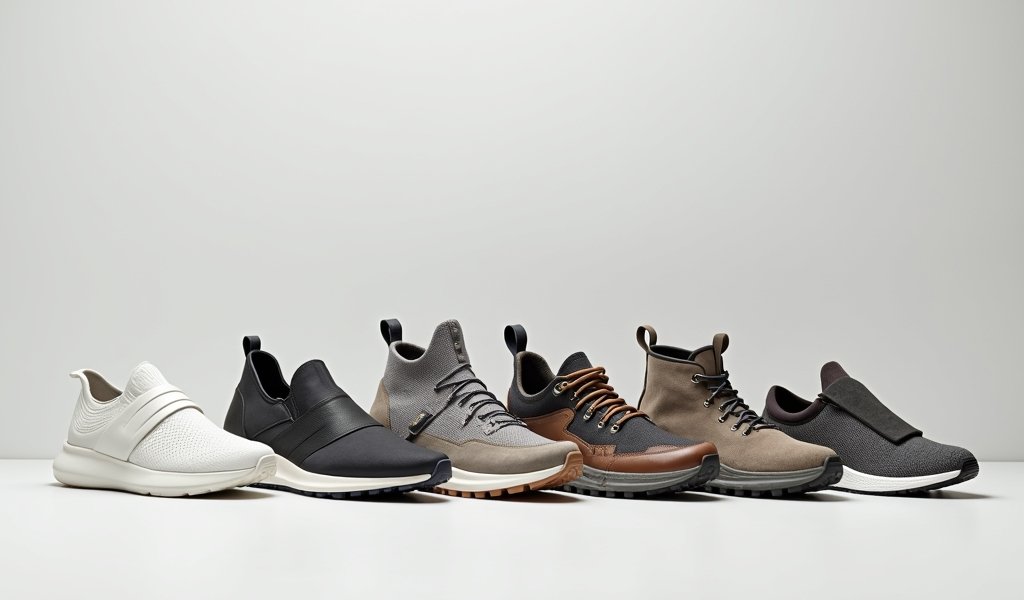
Walking Shoes: Your Daily Companions
While often overlooked in favor of running or training shoes, dedicated walking shoes represent one of the most biomechanically appropriate choices for daily wear. Walking involves heel-to-toe transitions with periods of dual foot contact, creating different forces and movement patterns than running—and walking-specific shoes are designed with these mechanics in mind.
Quality walking shoes feature slightly firmer midsoles than running shoes, providing stability during the longer ground-contact time of walking gait. They typically incorporate a rocker sole design that facilitates smooth heel-to-toe transitions, reducing stress on the plantar fascia and Achilles tendon during extended walking sessions.
From a health perspective, proper walking shoes offer preventative benefits that extend beyond foot comfort. Research conducted at the Harvard Medical School found that appropriate walking footwear can reduce load on knee joints by up to 15%, potentially preventing osteoarthritis progression in active individuals.
Key features to look for in walking shoes include:
- Rounded or beveled heels that mimic natural heel strike
- Supportive midfoot that prevents overpronation during stance phase
- Deep toe boxes allowing natural toe splay for balance and comfort
- Moisture-wicking liners that reduce blister formation during extended wear
For those who track their daily steps or incorporate walking as primary exercise, investing in dedicated walking shoes rather than general athletic sneakers can provide long-term benefits to joint health and walking efficiency. According to American College of Sports Medicine recommendations, adults should aim for 7,000-10,000 steps daily—making walking shoes perhaps the most important footwear investment for many men.
Minimalist Shoes: Reconnecting with Natural Movement
The minimalist footwear movement represents a paradigm shift in how we think about foot health and function. These shoes feature ultra-thin, flexible soles, zero heel-to-toe drop, and wide toe boxes that allow feet to function much as they would barefoot while still providing protection from environmental hazards.
The science behind minimalist shoes is compelling. Research published in the Journal of Foot and Ankle Research indicates that transitioning to minimalist footwear can strengthen intrinsic foot muscles, improve proprioception (spatial awareness), and potentially reduce certain overuse injuries by encouraging natural movement patterns rather than artificially supporting the foot.
For men seeking to incorporate these benefits into daily life, brands like Vivobarefoot, Xero Shoes, and Altra offer minimalist lifestyle options that maintain a professional appearance while allowing natural foot function. These shoes are particularly beneficial for those recovering from certain foot conditions or looking to strengthen foot musculature that may have atrophied from years in conventional, restrictive footwear.
Important considerations with minimalist shoes include:
- A gradual transition period to allow foot muscles to adapt and strengthen
- Sufficient width in the toe box to allow toes to splay naturally
- Zero or minimal heel elevation to maintain natural posture
- Appropriate thickness to provide protection while maintaining ground feel
Dr. Irene Davis, founding director of the Spaulding National Running Center at Harvard Medical School, advocates that “minimalist footwear allows the foot to function more naturally, potentially reducing abnormal loading patterns that contribute to common injuries.” This philosophy has applications beyond just running, extending to how we move throughout daily activities.
Cross-Training Shoes: The All-Purpose Athletes
For men who participate in varied fitness activities, cross-training shoes offer a versatile solution that adapts to multiple movement patterns. Unlike running shoes (designed primarily for forward motion) or sport-specific footwear, cross-trainers provide balanced performance across strength training, agility work, and moderate cardio activities.
The distinguishing features of quality cross-trainers include a more stable midsole than running shoes, providing the lateral support necessary during side-to-side movements. They typically offer a lower profile (4-8mm heel-to-toe drop) that creates a stable platform for weight training while still facilitating natural movement during other activities.
From a biomechanical perspective, cross-trainers represent an excellent middle ground for men who engage in fitness classes, circuit training, or varied workout routines. The moderate cushioning protects joints during impact activities while the wider base and supportive upper prevent excessive foot movement during multidirectional exercises.
When selecting cross-training shoes, look for:
- Stable, flatter midsoles that provide a solid foundation for lifting
- Reinforced mesh or synthetic uppers that offer lateral support
- Strategic rubber placement for traction during varied movements
- Moderate cushioning that balances comfort with stability
Research from the Sports Medicine Research Laboratory demonstrates that appropriate cross-training footwear can reduce injury risk during mixed-modality workouts by up to 28% compared to using specialized shoes outside their intended purpose (e.g., running shoes for weightlifting).
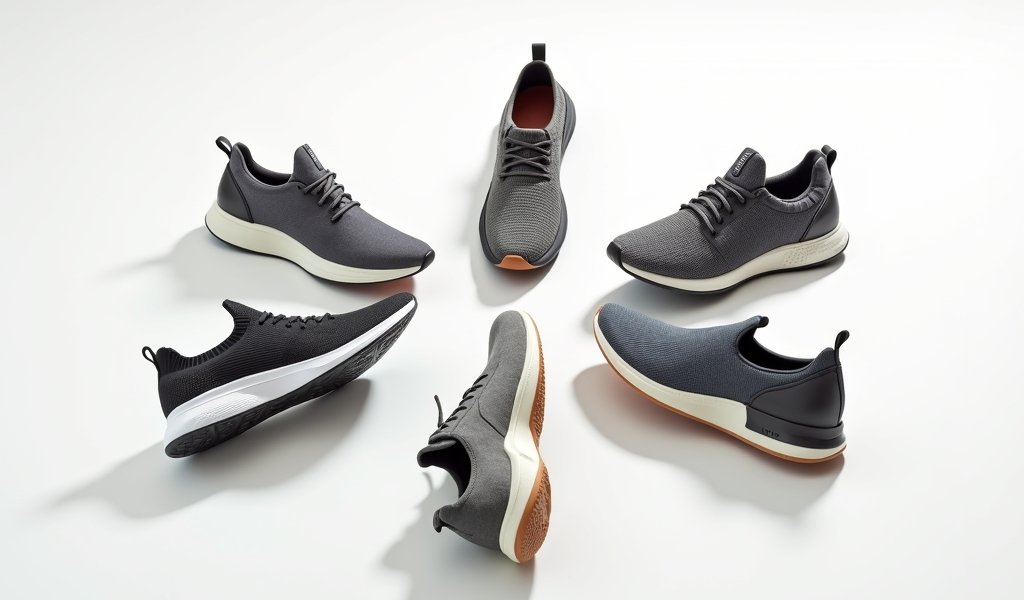
Slip-On Casuals: Comfort Without Compromise
Modern slip-on casual shoes have transcended their simple origins to become legitimate contenders in the health-conscious footwear market. Today’s premium slip-ons incorporate many of the same ergonomic features found in performance footwear while maintaining the convenience and aesthetic appeal that make them wardrobe staples.
From a physiological standpoint, well-designed slip-on shoes offer several advantages. Their laceless design eliminates pressure points across the dorsal (top) surface of the foot, which can be particularly beneficial for men with high insteps or sensitivity in this region. Additionally, quality slip-ons now feature contoured footbeds that provide arch support comparable to traditional laced shoes.
Brands like Allbirds, Vans UltraRange, and even Cole Haan have revolutionized this category by integrating performance materials like responsive foams, breathable knit uppers, and supportive heel counters into slip-on designs. These advancements make modern slip-ons suitable for extended wear without the postural compromises often associated with traditional casual footwear.
For optimal foot health, select slip-on casuals with:
- Anatomically contoured footbeds that support your arch type
- Sufficient toe box width to prevent compression
- Heel collars that prevent excessive movement without causing irritation
- Lightweight, flexible materials that don’t restrict natural foot motion
According to American Podiatric Medical Association guidelines, even casual footwear should provide adequate support and proper fit to prevent long-term foot problems—a standard that today’s premium slip-ons increasingly meet.
Dress Sneakers: Where Style Meets Comfort
The dress sneaker category represents one of the most significant footwear innovations for men’s health in recent years. These hybrid designs combine the refined aesthetics of formal footwear with the biomechanical advantages of athletic shoes, creating options appropriate for professional settings without sacrificing comfort or postural support.
From a physiological perspective, traditional dress shoes often force compromises: rigid soles limit natural foot flexion, elevated heels alter postural alignment, and narrow toe boxes compress foot structures. Modern dress sneakers address these issues by incorporating flexible outsoles, moderate cushioning, and more anatomical lasts while maintaining a professional appearance.
Brands like Wolf & Shepherd, Cole Haan with their ZeroGrand technology, and Johnston & Murphy have pioneered this category, creating footwear that transitions seamlessly between boardrooms and commutes. These shoes typically weigh 30-40% less than traditional dress shoes while providing significantly better shock absorption during walking.
Key features to look for in dress sneakers include:
- Lightweight cushioning systems that don’t compromise stability
- Natural toe box shapes that accommodate proper toe splay
- Flexible forefoot zones that allow natural foot movement
- Premium insoles with appropriate arch support
Dr. James Christina, Executive Director of the American Podiatric Medical Association, notes that “the trend toward dress sneakers represents a positive development for foot health, allowing men to maintain professional appearances without the postural compromises traditional dress shoes often require.”
Recovery Slides: Post-Workout Essential
Recovery footwear has emerged as a critical category in men’s lifestyle shoes, designed specifically to facilitate physiological recovery following intense physical activity. These specialized slides and sandals feature maximalist cushioning, anatomical footbeds, and designs that reduce muscular exertion during the critical post-exercise recovery period.
The science behind recovery footwear is increasingly robust. Research published in the Medicine & Science in Sports & Exercise journal indicates that appropriate post-exercise footwear can accelerate perceived recovery and reduce muscle soreness by providing optimal support and cushioning when foot structures are most vulnerable.
Premium recovery slides from brands like HOKA, OOFOS, and Kane incorporate oversized midsoles with exceptional energy absorption properties. These designs typically feature a pronounced rocker shape that reduces achilles tendon strain and decreases demand on calf musculature during the recovery phase.
For optimal recovery benefits, look for slides with:
- Ultra-cushioned midsoles that absorb impact forces
- Anatomical arch support that maintains foot structure
- Rocker sole geometry that reduces lower leg muscle activation
- Textured footbeds that provide gentle massage effects
The therapeutic benefits extend beyond just athletes. Physical therapist Dr. Emily Splichal recommends recovery footwear for anyone experiencing foot fatigue from extended standing or walking, noting that “these specialized designs can help mitigate the cumulative stress that daily activities place on foot structures.”
How to Choose the Right Lifestyle Shoes
Selecting appropriate men’s lifestyle shoes requires a thoughtful assessment of your specific needs, activities, and foot characteristics. Rather than following trends or marketing claims, a health-focused approach considers biomechanical factors and wear patterns to determine the most suitable options.
Begin by understanding your foot type—whether you have high arches, neutral arches, or flat feet—as this fundamentally influences the support requirements of optimal footwear. Specialty running stores often provide gait analysis services that can provide this information, even for non-runners.
Next, consider your primary activities and environments. Different movement patterns create distinct forces and stress patterns on foot structures. Someone who stands all day needs different support characteristics than someone who alternates between sitting and walking or engages in frequent directional changes.
When evaluating specific shoes, consider these critical factors:
- Toe box width: Sufficient space prevents compression and allows natural toe splay
- Arch support: Should complement your natural arch height without creating pressure points
- Heel-to-toe drop: Lower drops (0-4mm) promote midfoot striking, while higher drops (8-12mm) facilitate heel striking
- Weight: Lighter shoes generally reduce energy expenditure during extended wear
- Flexibility: Should match your foot’s natural bend points without excessive rigidity
According to podiatric research from the Gait & Posture journal, proper footwear selection can reduce injury risk by up to 39% in physically active individuals. This significant benefit underscores the importance of approaching shoe selection as a health decision rather than merely a fashion choice.
Conclusion
The landscape of men’s lifestyle shoes has evolved dramatically, moving beyond the false dichotomy of comfort versus style to create options that support physiological health while meeting diverse aesthetic needs. Each of the seven categories we’ve explored offers unique benefits that can enhance mobility, reduce injury risk, and promote optimal foot function across different activities and settings.
Perhaps most importantly, modern footwear technology allows for greater personalization than ever before. The breadth of options means that men with specific foot characteristics or health concerns no longer need to compromise between addressing those needs and finding shoes appropriate for their lifestyle and preferences.
As you evaluate your own footwear collection, consider it through the lens of health optimization rather than mere utility or fashion. The right shoes serve as tools that enhance your body’s natural capabilities, supporting movement patterns while preventing the compensations that often lead to discomfort or injury over time.
With thoughtful selection across these essential categories, your footwear can become an active contributor to overall wellbeing—protecting joints, enhancing performance, and supporting the activities that constitute a vibrant, active lifestyle. After all, the foundation of movement begins with what’s on your feet.
Frequently Asked Questions
How often should I replace my lifestyle shoes?
Most lifestyle shoes should be replaced after 300-500 miles of walking or 12-18 months of regular wear, whichever comes first. Look for visible midsole compression, outsole wear patterns, or decreased cushioning as signs it’s time for replacement.
Are expensive shoes always better for foot health?
Not necessarily—price doesn’t always correlate with biomechanical suitability. Focus on proper fit, appropriate support for your foot type, and features that match your activity patterns rather than price point alone.
Can wearing the wrong shoes cause back pain?
Yes, inappropriate footwear can alter your gait and posture, potentially causing a chain reaction of misalignments that lead to back pain. Shoes with proper support and cushioning help maintain natural alignment from feet to spine.
Should men’s lifestyle shoes feel comfortable immediately?
Most quality lifestyle shoes should feel comfortable immediately, with minimal break-in required. The exception is minimalist shoes, which may require a gradual transition period as foot muscles adapt to less support.
Is it better to have different shoes for different activities?
Yes, activity-specific shoes are designed for the unique biomechanical demands of different movements. Using specialized footwear for various activities reduces injury risk and enhances performance compared to using all-purpose shoes.