

Overview
This article presents seven Mediterranean diet snacks that promote wellness through whole foods, healthy fats, and balanced nutrition, including Greek yogurt with honey and nuts, hummus with vegetables, olive tapenade, stuffed dates, Caprese skewers, mixed nut trail mix, and fresh fruit with cheese. The featured snacks not only satisfy immediate hunger but contribute to long-term health benefits associated with the Mediterranean eating pattern, which research links to reduced risk of cardiovascular disease and other health conditions.
Table of Contents
- The Mediterranean Diet: A Lifestyle of Wellness
- 1. Greek Yogurt with Honey and Nuts
- 2. Hummus with Fresh Vegetables
- 3. Olive Tapenade on Whole Grain Crackers
- 4. Stuffed Dates with Nuts and Cheese
- 5. Mini Caprese Skewers
- 6. Mixed Nuts and Seeds Trail Mix
- 7. Fresh Fruit with Cheese
- Tips for Incorporating Mediterranean Diet Snacks
- Conclusion
- Frequently Asked Questions
The Mediterranean Diet: A Lifestyle of Wellness
The Mediterranean diet isn’t just a passing trend; it’s a lifestyle that has stood the test of time. As a nutritionist who’s spent years studying dietary patterns, I’ve consistently found that Mediterranean diet snacks provide one of the most balanced approaches to healthy eating. This eating pattern, inspired by the traditional foods of countries bordering the Mediterranean Sea, focuses on whole foods, lean proteins, and heart-healthy fats.
During my sabbatical in Greece last summer, I witnessed firsthand how integral these simple yet nourishing foods are to daily life. I’ll never forget sitting at a small taverna in Santorini, watching an elderly gentleman—well into his nineties—effortlessly climb the steep village steps. When I commented on his vitality, he patted his small bag of nuts and dried fruits that he snacked on throughout the day. “Simple food, long life,” he told me with a smile.
Research supports this anecdotal evidence. According to a study published in the New England Journal of Medicine, the Mediterranean diet is associated with a reduced risk of cardiovascular events. The diet emphasizes olive oil, nuts, fresh fruits and vegetables, whole grains, and moderate consumption of fish, dairy, and wine.
But perhaps you’re wondering: how can I incorporate this beneficial eating pattern into my busy life? The answer lies in strategic snacking. Mediterranean diet snacks are not only nutritious but also delicious and satisfying. Let’s explore seven proven options that can seamlessly fit into your daily routine.
1. Greek Yogurt with Honey and Nuts
Greek yogurt stands as a cornerstone of Mediterranean diet snacks, offering a protein-rich foundation that keeps hunger at bay between meals. Unlike regular yogurt, Greek yogurt undergoes a straining process that removes excess whey, resulting in a creamier texture and higher protein content.
For an authentic Mediterranean snack, start with plain, unsweetened Greek yogurt—about half a cup provides approximately 12 grams of protein. Drizzle a teaspoon of raw honey for natural sweetness and top with a tablespoon of chopped almonds, walnuts, or pistachios for heart-healthy fats and a satisfying crunch.
The beauty of this snack lies in its versatility. During warmer months, try chilling your yogurt and adding seasonal berries for antioxidants. In winter, warm spices like cinnamon or nutmeg can transform this simple dish into a comforting treat.
Nutritionally, this combination delivers a powerful trio of protein, healthy fats, and minimal natural sugars. The protein in Greek yogurt helps maintain muscle mass, while nuts provide omega-3 fatty acids that support brain and heart health. Meanwhile, honey offers antibacterial properties and natural energy without causing the sharp blood sugar spikes associated with refined sugars.
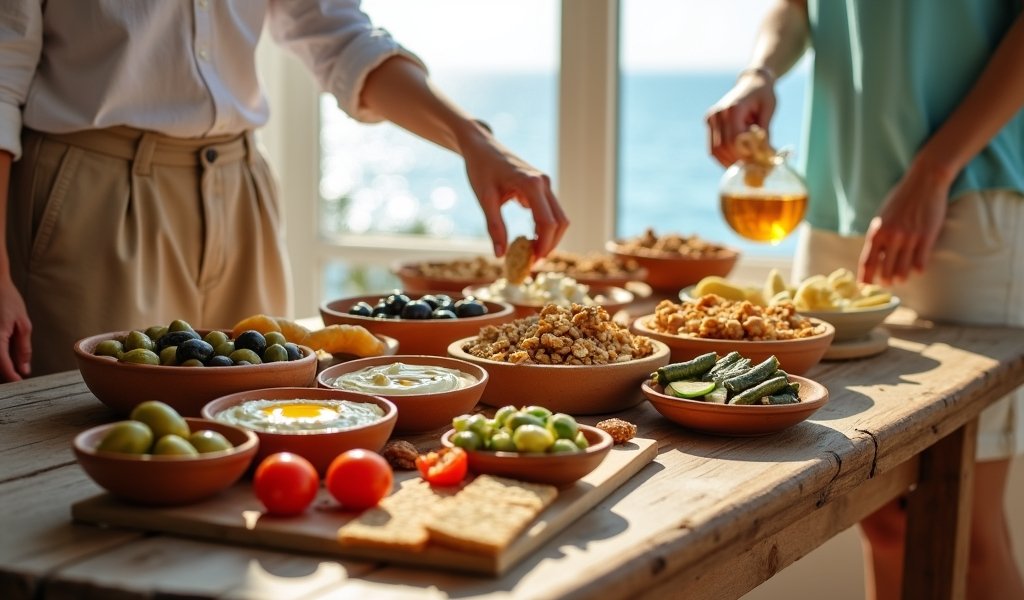
2. Hummus with Fresh Vegetables
Hummus, a creamy blend of chickpeas, tahini, olive oil, and lemon juice, has rightfully earned its place as a Mediterranean diet staple. This nutrient-dense dip pairs perfectly with fresh vegetables to create a satisfying snack that balances protein, fiber, and essential vitamins.
Nutritionally, hummus offers impressive benefits. The chickpea base provides plant-based protein and soluble fiber, which helps regulate blood sugar and promotes gut health. Tahini (sesame seed paste) contributes calcium and iron, while olive oil delivers monounsaturated fats that support heart health. The lemon juice adds a dose of vitamin C and brightens the flavor profile.
For an ideal Mediterranean diet snack, prepare about 3-4 tablespoons of hummus alongside a colorful array of vegetables. Bell peppers, cucumber slices, cherry tomatoes, and carrot sticks offer complementary textures and nutritional profiles. The water content of these vegetables, combined with the protein and fiber in hummus, creates a snack that keeps you satisfied much longer than processed alternatives.
If you’re feeling adventurous, try variations like roasted red pepper hummus or beet hummus for additional nutrients and vibrant colors. You can also serve hummus with whole grain fitness bread for a more substantial option when hunger strikes more intensely.
3. Olive Tapenade on Whole Grain Crackers
Olive tapenade represents the heart of Mediterranean flavors, combining briny olives, capers, olive oil, and herbs into a savory spread that perfectly complements whole grain crackers. This snack exemplifies how Mediterranean diet snacks can be both sophisticated and nourishing.
The star ingredient—olives—delivers polyphenols and monounsaturated fats that contribute to the diet’s cardioprotective effects. According to research published in the International Journal of Molecular Sciences, olive phenolic compounds possess antioxidant, anti-inflammatory, and antimicrobial properties that support overall health.
To prepare this snack, spread a tablespoon of tapenade over 2-3 whole grain crackers. The fiber in the whole grains slows digestion, preventing the blood sugar spikes that can lead to energy crashes. Meanwhile, the healthy fats in the olives and olive oil promote satiety, making this a surprisingly filling option despite its modest size.
For a quick homemade version, pulse 1 cup pitted Kalamata olives with 1 tablespoon capers, 1 clove garlic, 2 tablespoons olive oil, and fresh herbs like thyme or oregano in a food processor. This makes several servings that can be stored in the refrigerator for up to a week, making it an excellent make-ahead Mediterranean diet snack option.
4. Stuffed Dates with Nuts and Cheese
Medjool dates stuffed with nuts and a touch of cheese create a Mediterranean-inspired treat that balances natural sweetness with savory notes. This snack showcases how Mediterranean diet snacks can satisfy sweet cravings without processed sugars while still delivering substantial nutrition.
Dates serve as nature’s candy but come packaged with fiber, potassium, magnesium, and various antioxidants. The fiber helps moderate the natural sugar content, preventing rapid blood sugar fluctuations. When paired with protein-rich nuts and cheese, the resulting snack provides a balanced energy release that sustains you between meals.
To prepare this elegant snack, slice open 2-3 Medjool dates lengthwise and remove the pits. Fill each date with half a teaspoon of soft goat cheese or a small slice of feta. Top with an almond, walnut half, or pistachio before gently pressing the date closed. The combination creates a perfect bite that hits all flavor profiles—sweet, salty, creamy, and crunchy.
For variation, try a small dollop of labneh (strained yogurt cheese) instead of goat cheese, or add a light drizzle of honey for special occasions. While dates are naturally high in sugar, their nutrient density makes them an appropriate treat when consumed in moderation as part of a balanced Mediterranean eating pattern.

5. Mini Caprese Skewers
Mini Caprese skewers bring together the vibrant flavors of Italy with a simple combination of cherry tomatoes, fresh mozzarella, and basil leaves. This Mediterranean diet snack offers a perfect balance of fresh produce and dairy in a convenient, portable format.
Tomatoes, a foundation of Mediterranean cuisine, contain lycopene—a powerful antioxidant linked to reduced risk of heart disease and certain cancers. Fresh mozzarella provides calcium and protein without the high sodium content of many processed cheeses, while basil adds aromatic compounds with anti-inflammatory properties.
Creating these skewers couldn’t be simpler. Thread cherry tomatoes, small mozzarella balls (bocconcini), and fresh basil leaves onto toothpicks, alternating the ingredients for visual appeal. Finish with a light drizzle of extra virgin olive oil and a sprinkle of freshly ground black pepper. For the most authentic flavor, serve at room temperature rather than cold from the refrigerator.
This Mediterranean diet snack works beautifully for gatherings but can also be prepared in smaller quantities for individual enjoyment. Four to five mini skewers provide approximately 150 calories with a favorable balance of protein, fat, and carbohydrates—making them substantial enough to keep hunger at bay without weighing you down.
6. Mixed Nuts and Seeds Trail Mix
A custom blend of nuts and seeds creates a convenient, shelf-stable Mediterranean diet snack that delivers exceptional nutritional value. This portable option embodies the diet’s emphasis on nutrient-dense foods that support long-term health and sustained energy.
The Mediterranean approach to nuts and seeds involves enjoying a variety rather than focusing on a single type. This diversity ensures a broader spectrum of nutrients, as each nut and seed offers a unique nutritional profile. Almonds provide vitamin E and calcium, walnuts deliver omega-3 fatty acids, pistachios offer lutein for eye health, and pumpkin seeds supply magnesium and zinc.
To create a balanced mix, combine equal parts almonds, walnuts, and pistachios with pumpkin seeds and sunflower seeds. A single serving—about 1/4 cup or a small handful—provides healthy fats, plant protein, and fiber that regulate appetite and support metabolic health. For Mediterranean flair, add a sprinkle of dried oregano, rosemary, or a light dusting of sea salt.
While nuts and seeds are calorie-dense, research consistently shows that regular consumers tend to maintain healthier weights, likely due to the satiety these foods provide. A study published in BMJ Nutrition, Prevention & Health found that higher nut consumption was associated with less weight gain and lower risk of obesity.
7. Fresh Fruit with Cheese
The pairing of fresh seasonal fruit with cheese represents one of the simplest yet most satisfying Mediterranean diet snacks. This classic combination illustrates the Mediterranean principle of enhancing natural flavors through thoughtful pairing rather than processing or heavy seasoning.
In Mediterranean coastal regions, meals often conclude with fresh fruit and a small portion of cheese rather than sugary desserts. This tradition has merit from both culinary and nutritional perspectives. The sweetness of ripe fruit complements the savory notes of cheese, while the protein and fat in the cheese help moderate the fruit’s impact on blood sugar.
Ideal Mediterranean-inspired pairings include fresh figs with soft goat cheese, sliced pears with Pecorino or Manchego, or apple wedges with a small piece of aged cheddar. About one ounce of cheese with a medium piece of fruit creates a balanced snack that provides calcium, protein, fiber, and a range of vitamins and phytonutrients.
The beauty of this snack lies in its adaptability to seasonal availability. As summer brings berries and stone fruits, autumn offers apples and pears, and winter presents citrus options—the cheese pairing can remain consistent while the fruit component evolves with the calendar, ensuring peak flavor and nutrient density year-round.
Tips for Incorporating Mediterranean Diet Snacks
Successfully integrating Mediterranean diet snacks into your routine requires more than just knowing what to eat—it involves understanding how and when to enjoy these foods for maximum benefit. Here are practical strategies for making these nourishing options part of your daily life:
- Practice portion awareness. Even healthy foods should be consumed in appropriate amounts. Use small plates or containers to help manage portions without measuring.
- Prepare ingredients in advance. Wash and chop vegetables, portion nuts, or make dips like hummus during weekend prep sessions to make weekday snacking effortless.
- Honor hunger signals. The Mediterranean approach emphasizes eating when moderately hungry rather than waiting until ravenous, which can lead to less mindful choices.
- Embrace the social aspect. When possible, share snacks with family or colleagues—communal eating is a cornerstone of Mediterranean culture that enhances satisfaction.
- Stay hydrated. Often what feels like hunger is actually thirst. Keep water infused with citrus or herbs nearby to complement your Mediterranean snacks.
Remember that consistency matters more than perfection. If processed snacks have been your norm, start by replacing one daily item with a Mediterranean alternative. Gradual changes tend to create sustainable habits that support long-term health goals.
Conclusion
Mediterranean diet snacks represent far more than a collection of recipes—they embody a philosophy of eating that prioritizes whole foods, balanced nutrition, and mindful enjoyment. The seven options we’ve explored—from protein-rich Greek yogurt with honey and nuts to the simple elegance of fresh fruit with cheese—offer versatile ways to nourish your body between meals.
What makes these snacks particularly valuable is their dual benefit: they satisfy immediate hunger while contributing to long-term health. The Mediterranean diet’s association with reduced risk of heart disease, diabetes, certain cancers, and cognitive decline speaks to its power as a lifetime eating pattern rather than a temporary plan.
As you incorporate these Mediterranean diet snacks into your routine, remember that authentic Mediterranean eating is characterized by flexibility and pleasure, not rigid rules. Listen to your body’s needs, adapt these suggestions to your preferences, and focus on progress rather than perfection.
The elderly gentleman I met in Santorini had it right—”simple food, long life.” By embracing the Mediterranean approach to snacking, you’re not just making a dietary choice; you’re participating in a centuries-old tradition of nourishing both body and soul through thoughtful, delicious eating.
Frequently Asked Questions
What makes a snack part of the Mediterranean diet?
Mediterranean diet snacks typically include whole foods like fruits, vegetables, nuts, seeds, whole grains, and lean proteins. They emphasize healthy fats (especially olive oil) and minimal processing while limiting added sugars and refined ingredients.
How many snacks should I eat on the Mediterranean diet?
Most nutritionists recommend 1-2 snacks daily on the Mediterranean diet, depending on your activity level and meal spacing. Listen to your hunger cues rather than eating by the clock.
Are dried fruits considered Mediterranean diet snacks?
Dried fruits can be part of Mediterranean diet snacks when consumed in moderation and preferably paired with protein or healthy fat. Choose unsweetened varieties and limit portions to about 1-2 tablespoons when adding to nuts or yogurt.
Can I include cheese in Mediterranean diet snacks daily?
Cheese can be enjoyed several times weekly in the Mediterranean diet, but portions should be modest (about 1-2 ounces per serving). Opt for traditional varieties like feta, goat cheese, or fresh mozzarella rather than highly processed options.
How can I make Mediterranean diet snacks more convenient for work?
Prepare portable options like trail mix, whole fruits, or hummus with pre-cut vegetables in advance. Small containers of Greek yogurt or cheese portions with fruit can also work well when refrigeration is available.