

Overview
The Mediterranean diet supports weight loss while still allowing for satisfying desserts made with whole food ingredients like fruits, yogurt, nuts, and small amounts of natural sweeteners. The article presents seven dessert options—including Greek yogurt with honey, baked fruit, and olive oil cake—that align with Mediterranean principles while offering guidance on mindful consumption to maintain health goals.
The Mediterranean diet continues to rank as one of the healthiest eating patterns in the world. Its focus on whole foods, healthy fats, and plant-based ingredients makes it ideal for those looking to lose weight while still enjoying delicious meals. Contrary to popular belief, following the Mediterranean diet doesn’t mean giving up desserts. In fact, Mediterranean diet desserts can be both satisfying and supportive of your fat loss goals when prepared mindfully.
Table of Contents
- Understanding the Mediterranean Diet and Weight Loss
- Key Principles for Mediterranean Diet Desserts
- 1. Greek Yogurt with Honey and Walnuts
- 2. Baked Fruit with Cinnamon
- 3. Ricotta with Fresh Berries
- 4. Orange Slices with Cinnamon and Dark Chocolate
- 5. Date and Nut Bites
- 6. Olive Oil Cake
- 7. Homemade Fruit Sorbet
- Incorporating Desserts into Your Mediterranean Diet Plan
- Conclusion
- Frequently Asked Questions
Understanding the Mediterranean Diet and Weight Loss
The Mediterranean diet isn’t just another weight loss trend – it’s a sustainable lifestyle rooted in the traditional eating habits of countries bordering the Mediterranean Sea. This approach to eating emphasizes fruits, vegetables, whole grains, legumes, and healthy fats like olive oil, with moderate consumption of fish, poultry, and dairy.
What makes the Mediterranean diet so effective for weight management is its focus on nutrient-dense, satisfying foods rather than calorie counting. According to a study published in the New England Journal of Medicine, participants following a Mediterranean diet not only lost weight but maintained that loss better than those on low-fat diets.
The beauty of this eating pattern is that it doesn’t eliminate entire food groups or force you to give up the joy of dessert. Instead, it encourages mindful indulgence in sweets that incorporate whole food ingredients and natural sweeteners. Many Mediterranean recipes showcase how simple ingredients can create extraordinary flavors without compromising health goals.
Key Principles for Mediterranean Diet Desserts
When crafting desserts that align with Mediterranean diet principles while supporting fat loss, keep these guidelines in mind:
- Use natural sweeteners like honey or pure maple syrup in moderation
- Incorporate fresh, seasonal fruits as the base for sweetness
- Include nuts and seeds for healthy fats, protein, and texture
- Choose high-quality dairy like Greek yogurt or ricotta cheese
- Utilize olive oil instead of butter when baking
- Add flavor with spices like cinnamon, nutmeg, and cardamom
- Keep portions mindful and reasonable
These principles ensure your desserts provide nutrition alongside satisfaction. The focus on whole food ingredients means you’ll get fiber, protein, and healthy fats that help regulate blood sugar and keep you feeling full longer – crucial factors for sustainable fat loss.
Now, let’s explore seven Mediterranean-inspired desserts that can support your weight management goals while delighting your taste buds.
1. Greek Yogurt with Honey and Walnuts
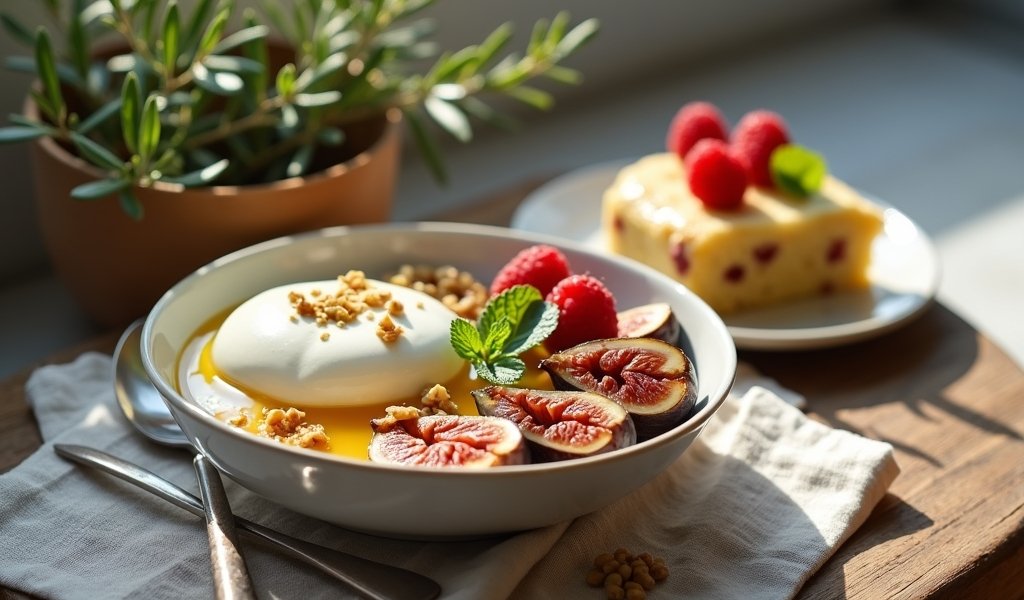
This classic Mediterranean dessert combines protein-rich Greek yogurt with a drizzle of honey and crunchy walnuts for a simple yet satisfying treat. Greek yogurt contains nearly twice the protein of regular yogurt, making it exceptionally satiating and helpful for managing hunger.
To prepare this dessert, choose plain, full-fat Greek yogurt – the fat helps your body absorb fat-soluble vitamins and keeps you satisfied longer. Top with a modest teaspoon of raw honey and a tablespoon of chopped walnuts, which provide omega-3 fatty acids and additional protein.
For extra flavor and nutritional benefits, consider adding:
- A sprinkle of cinnamon to help regulate blood sugar
- Fresh berries for antioxidants and additional fiber
- A few drops of vanilla extract for depth of flavor without added sugar
This dessert delivers around 15 grams of protein per serving while keeping added sugars minimal – a perfect combination for supporting fat loss goals.
2. Baked Fruit with Cinnamon
Baking fruit intensifies its natural sweetness, creating a dessert that feels indulgent without requiring added sugars. Apples, pears, peaches, and plums are excellent choices that hold up well to baking and are staples in Mediterranean cuisine.
Simply core or halve your chosen fruit, sprinkle with cinnamon, and bake at 350°F (175°C) until tender – typically 20-30 minutes depending on the fruit. The heat caramelizes the fruit’s natural sugars, creating a rich, sweet flavor that needs little enhancement.
For a complete dessert experience, serve with:
- A dollop of Greek yogurt for creaminess and protein
- A light drizzle of honey if additional sweetness is desired
- A small handful of chopped almonds or pistachios for texture
Research from the American Journal of Clinical Nutrition suggests that regularly consuming whole fruits is associated with lower body weight and a reduced risk of obesity-related diseases, making this dessert both delicious and supportive of your health objectives.
3. Ricotta with Fresh Berries
Ricotta cheese, a staple in Italian Mediterranean cuisine, offers a creamy base for a protein-rich dessert that feels luxurious. With its mild flavor and smooth texture, ricotta pairs beautifully with fresh berries to create a dessert that’s both elegant and nourishing.
For this simple dessert, whip 1/2 cup of ricotta cheese with a teaspoon of honey and a few drops of vanilla extract until fluffy. Top with a generous handful of mixed berries – strawberries, blueberries, raspberries, or blackberries all work wonderfully. The berries not only add natural sweetness but also provide fiber and antioxidants.
What makes this dessert especially beneficial for fat loss is its macronutrient balance. The ricotta provides protein and calcium, while berries add fiber that slows digestion and helps prevent blood sugar spikes. Together, these nutrients create a dessert that satisfies your sweet tooth while supporting metabolic health.
For special occasions, you can transform this into a more traditional dessert by layering the ingredients in a glass and adding a light sprinkle of dark chocolate shavings or a few crushed pistachios on top.
4. Orange Slices with Cinnamon and Dark Chocolate
This elegant dessert showcases how simple ingredients can create extraordinary flavor combinations. In Mediterranean regions, especially Spain and Morocco, citrus fruits are often enjoyed as dessert with warming spices that enhance their natural sweetness.
To prepare this dessert, slice 1-2 fresh oranges horizontally to create beautiful round slices. Arrange them on a plate and sprinkle lightly with ground cinnamon. For a touch of indulgence, grate a small amount of high-quality dark chocolate (70% cacao or higher) over the top.
The magic of this dessert lies in the interplay between the bright, juicy orange, the warming cinnamon, and the intense dark chocolate. The combination creates a sophisticated flavor profile that feels much more decadent than its calorie count suggests.
Oranges provide vitamin C and flavonoids that support immune function, while dark chocolate contains compounds that may support heart health when consumed in moderation, according to research published by the American Heart Association. This combination makes for a dessert that’s as beneficial as it is delicious.
5. Date and Nut Bites
Dates have been a cherished dessert ingredient in Mediterranean countries for thousands of years, and for good reason. These naturally sweet fruits offer fiber, potassium, and magnesium while providing a caramel-like flavor that satisfies sweet cravings.
To make these simple no-bake treats, process 1 cup of pitted Medjool dates with 1/2 cup of walnuts or almonds, a teaspoon of cinnamon, and a splash of vanilla extract in a food processor until the mixture sticks together. Roll into small balls and, if desired, coat with unsweetened coconut flakes or a light dusting of cacao powder.
What makes these bites particularly supportive for fat loss is their fiber content and natural sweetness. The fiber in dates helps slow digestion, preventing the blood sugar spikes and subsequent crashes that can trigger cravings. Meanwhile, the nuts provide healthy fats and protein that contribute to satiety.
Store these bites in the refrigerator and enjoy one as a perfectly portioned dessert or energy boost. They’re ideal for satisfying sweet cravings while providing nutrients that support your metabolism and overall health.
6. Olive Oil Cake
Olive oil cake represents the perfect marriage between Mediterranean ingredients and traditional baking. Unlike conventional cakes that rely on butter, this lighter alternative uses heart-healthy olive oil as its primary fat source while typically requiring less sugar than standard recipes.
A basic olive oil cake combines 1 1/2 cups of whole wheat pastry flour, 3/4 cup of sugar (less than most cakes), 3 eggs, 3/4 cup of high-quality extra virgin olive oil, the zest and juice of one lemon, and a teaspoon of baking powder. The result is a moist, tender cake with complex flavor notes from the olive oil.
For a more authentic Mediterranean approach, consider these variations:
- Add orange zest and a splash of orange blossom water
- Incorporate chopped fresh rosemary for an herbal note
- Top with fresh seasonal fruit like figs or peaches
- Reduce the sugar further and serve with a dollop of Greek yogurt
Studies have shown that replacing saturated fats (like butter) with monounsaturated fats (like olive oil) may support heart health and weight management. According to research published in Endocrine, Metabolic & Immune Disorders – Drug Targets, the polyphenols in olive oil may even help prevent metabolic syndrome, which is often associated with excess weight.
While this option is more indulgent than other desserts on this list, a small slice of olive oil cake can fit beautifully into a Mediterranean diet approach to weight management when enjoyed mindfully.
7. Homemade Fruit Sorbet
Cool, refreshing, and made from whole fruits, homemade sorbet offers a lighter alternative to ice cream that aligns perfectly with Mediterranean diet principles. In Mediterranean countries, fruit ices and sorbets are popular ways to cool down during hot summer months while enjoying seasonal produce.
Making sorbet at home allows you to control the sweetness and avoid the additives found in commercial versions. The simplest approach is to freeze ripe, peeled fruits like peaches, strawberries, or watermelon in chunks, then blend them with a small amount of honey or maple syrup and a squeeze of lemon juice until smooth.
For the best texture, consider these tips:
- Add a tablespoon of vodka to prevent the sorbet from freezing too hard (the alcohol won’t be noticeable in the final product)
- Incorporate a small amount of Greek yogurt for a creamier consistency
- Process the mixture in an ice cream maker if available
- If you don’t have an ice cream maker, freeze the blended mixture, then re-blend after 2 hours and freeze again
What makes this dessert particularly supportive for fat loss is that it provides the experience of a frozen treat with significantly fewer calories than ice cream or other commercial desserts. The fiber in the whole fruit helps slow digestion and increase satisfaction.
For a truly Mediterranean twist, try a sorbet made from blood oranges, a favorite in Sicily, or figs with a hint of honey, reminiscent of Greek desserts.
Incorporating Desserts into Your Mediterranean Diet Plan
Successfully including desserts in your Mediterranean diet requires a thoughtful approach that honors both enjoyment and health goals. As we focus on Mediterranean diet breakfast and other meals, it’s equally important to consider how desserts fit into the overall pattern.
Here are strategies for incorporating these treats while supporting fat loss:
- Practice mindful portions – a small amount of a quality dessert is more satisfying than a large amount of a less satisfying alternative
- Consider timing – enjoying dessert after lunch rather than late at night may be better for metabolism
- Balance your day – if you know you’ll be enjoying dessert, focus on vegetables, lean proteins, and whole grains at your meals
- Savor each bite – eating slowly and with full attention enhances satisfaction and helps you recognize when you’ve had enough
- Think of dessert as an occasional pleasure rather than a daily requirement
The Mediterranean approach to eating is fundamentally about balance and enjoyment, not restriction. By choosing desserts that incorporate whole foods and authentic Mediterranean ingredients, you can satisfy your sweet tooth while continuing to support your health and weight management goals.
Conclusion
The Mediterranean diet offers a refreshing perspective on health-conscious eating – one where desserts aren’t forbidden but rather transformed into nourishing expressions of culinary tradition. These seven dessert options demonstrate how simple, high-quality ingredients can create treats that delight the senses while supporting fat loss and overall wellness.
By focusing on fresh fruits, nuts, yogurt, ricotta, and small amounts of natural sweeteners, you can enjoy the pleasure of dessert without derailing your health goals. The key is mindfulness – both in preparation and consumption.
Remember that the Mediterranean approach isn’t just about food choices but also about lifestyle. Take time to enjoy your dessert, preferably in good company, appreciating both the flavors and the moment. This holistic perspective on eating is perhaps the most valuable lesson we can learn from Mediterranean cultures.
As you incorporate these desserts into your routine, you’ll likely discover that satisfaction comes not from endless quantities of hyper-processed sweets, but from modest portions of real food desserts that honor both tradition and your body’s needs.
Frequently Asked Questions
Can I lose weight while eating Mediterranean desserts?
Yes, you can lose weight while enjoying Mediterranean desserts, especially when they focus on whole food ingredients like fruits, nuts, and yogurt. The key is mindful portions and balancing your overall diet.
How often can I eat dessert on the Mediterranean diet?
Traditional Mediterranean eating patterns typically include sweets a few times per week rather than daily. Consider enjoying these healthier dessert options 2-3 times weekly for best results.
Are dried fruits like dates good for weight loss?
Dried fruits can support weight loss when consumed in moderation as they provide fiber and nutrients. Limit portions to about 2-3 dates or similar amounts of other dried fruits to manage calorie intake.
Can I use alternative sweeteners in Mediterranean desserts?
While traditional Mediterranean desserts typically use honey or small amounts of sugar, natural alternatives like monk fruit or stevia can be substituted. Avoid artificial sweeteners as they don’t align with the whole-food philosophy.
What’s the best time of day to enjoy dessert for weight loss?
Research suggests consuming dessert earlier in the day, such as after lunch, may be better for metabolism than late evening. This timing allows your body more time to process the sugars before bedtime.