
Overview
When your spine stages a rebellion every time you bend over to tie your shoes, it’s not just being dramatic—it’s sending an SOS! This guide offers seven practical strategies to eliminate lower back pain when bending, including proper hip-hinge technique, core strengthening, improved flexibility, strategic use of supportive devices, maintaining good posture, incorporating pain relief methods, and knowing when to seek professional help.
Table of Contents
- Understanding Lower Back Pain When Bending Over
- Tip #1: Master Proper Bending Technique
- Tip #2: Strengthen Your Core Muscles
- Tip #3: Improve Your Flexibility
- Tip #4: Use Supportive Devices Strategically
- Tip #5: Maintain Proper Posture Throughout the Day
- Tip #6: Incorporate Effective Pain-Relief Strategies
- Tip #7: Know When to Seek Professional Help
- Conclusion: Your Path to Pain-Free Movement
- Frequently Asked Questions
Understanding Lower Back Pain When Bending Over
That familiar stabbing sensation when you reach down to tie your shoes isn’t just annoying—it’s a warning sign from your body. Lower back pain when bending over affects millions worldwide, turning simple daily activities into painful challenges that can seriously impact quality of life.
As a spine specialist with over 15 years of clinical experience, I’ve seen firsthand how this specific type of pain can make people feel decades older than they actually are. The good news? Most cases of lower back pain when bending over are preventable and treatable without surgery or expensive interventions.
Lower back pain typically occurs during forward bending because this movement places significant stress on the lumbar spine, especially when performed incorrectly. According to research published in the Journal of Physical Therapy Science, improper bending mechanics account for approximately 60% of acute lower back injuries.
At the core of physical wellness, proper movement patterns prevent unnecessary wear and tear on your spine. The following seven evidence-based strategies can help you bend comfortably again—without wincing, grabbing your back, or avoiding activities you love.
Tip #1: Master Proper Bending Technique
The foundation of back-friendly movement begins with mastering what physical therapists call the “hip hinge”—a technique that could revolutionize your relationship with bending. This approach distributes stress properly throughout your body rather than concentrating it in your vulnerable lower back.
Instead of rounding your spine when reaching down (which puts tremendous pressure on your intervertebral discs), pivot from your hips while maintaining your spine’s natural curves. Think of your hips as door hinges, allowing your torso to tilt forward while keeping your back stable and protected.
Common bending mistakes that trigger pain include:
- Rounding your upper and lower back
- Bending primarily from your waist instead of your hips
- Keeping your legs completely straight
- Twisting while bending (particularly dangerous)
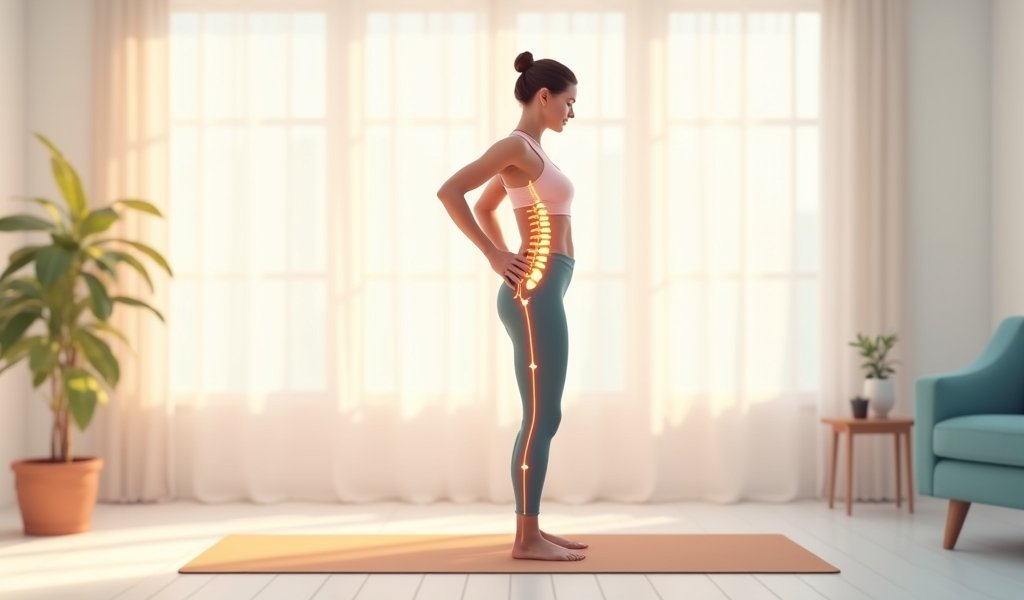
Practice this simple hip-hinge exercise daily: Stand with feet shoulder-width apart, place hands on your hips, and push your buttocks backward as if trying to touch a wall behind you. Keep your chest up and back flat throughout the movement. Master this pattern and your spine will thank you with years of pain-free bending.
Tip #2: Strengthen Your Core Muscles
Your core muscles function as nature’s back brace—providing stability, support, and protection for your spine during bending movements. When these muscles are weak, your lower back becomes vulnerable to strain and injury.
The core isn’t just your abdominals—it’s a complex network including your transverse abdominis (deep abdominal muscle), multifidus (deep back muscle), diaphragm, and pelvic floor. Clinical studies show that targeted core strengthening can reduce lower back pain intensity by up to 39% within 6 weeks.
Focus on these evidence-based core exercises:
- Plank variations (start with 15-second holds, progressing gradually)
- Bird-dog (alternating opposite arm/leg extensions on hands and knees)
- Dead bugs (lying on back, extending opposite arm/leg while maintaining core engagement)
- Glute bridges (strengthening the posterior chain that supports proper bending)
For optimal results, perform these exercises 3-4 times weekly with proper form rather than daily with poor technique. Quality trumps quantity when building the supportive core strength that makes bending pain-free.
Tip #3: Improve Your Flexibility
Tight muscles force your spine into compromised positions during bending. When muscles like your hamstrings, hip flexors, and lower back lack flexibility, they restrict proper movement patterns and create excessive strain on your vertebral structures.
The connection between hamstring tightness and lower back pain is particularly significant. Research in the Journal of Orthopedic and Sports Physical Therapy demonstrates that individuals with tight hamstrings experience greater lumbar spine flexion (rounding) when bending—exactly what causes pain.
Focus daily attention on these key stretches:
- Hamstring stretches (seated or standing versions, holding 30 seconds each side)
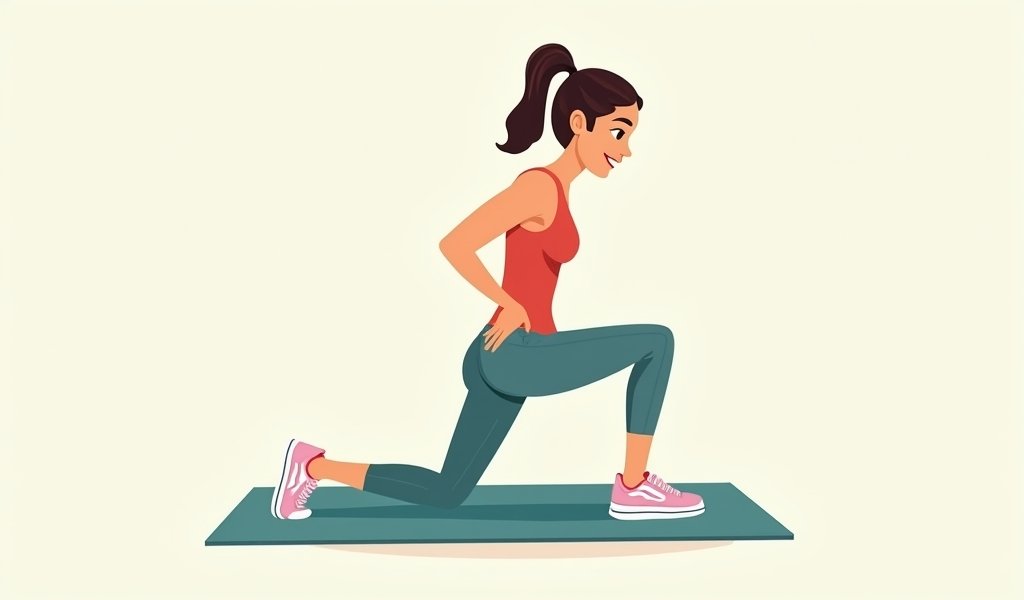
- Hip flexor lunges (particularly important for desk workers)
- Gentle spinal rotations (to improve mobility and relieve tension)
- Child’s pose (a restorative yoga position that gently decompresses the spine)
For maximum benefit, perform stretching when your muscles are warm—after a short walk or warm shower. Just 5-10 minutes of targeted stretching daily creates cumulative flexibility improvements that make bending more comfortable and significantly less painful.
Tip #4: Use Supportive Devices Strategically
While building strength and proper movement patterns, supportive devices can provide valuable assistance during the healing process. Think of these tools as training wheels—helpful temporarily while developing better movement habits.
A quality lumbar support brace can:
- Provide tactile feedback to maintain proper positioning
- Offer additional stability during challenging activities
- Reduce muscle fatigue during prolonged standing or bending tasks
Beyond braces, consider ergonomic tools that minimize excessive bending:
- Extendable reachers for retrieving items from the floor
- Gardening tools with extended handles
- Adjustable work surfaces that promote proper bending angles
The key is using these devices strategically rather than becoming dependent on them. According to spine care experts, back braces should typically be used for specific activities or limited periods rather than continuous all-day wear, which can lead to muscle weakness.
As your core strength, flexibility, and movement patterns improve through the other strategies in this article, gradually reduce reliance on supportive devices to allow your body’s natural support systems to take over.

Tip #5: Maintain Proper Posture Throughout the Day
Your posture during non-bending activities directly affects how your back feels when you do bend over. Poor positioning throughout the day creates cumulative stress that makes your spine more vulnerable during forward bending movements.
The modern lifestyle—with its excessive sitting, device usage, and forward-leaning activities—promotes exactly the posture patterns that contribute to back pain. Addressing these habits is essential for comprehensive pain relief.
Incorporate these posture checks throughout your day:
- When sitting: Feet flat on floor, back supported, shoulders relaxed
- When standing: Weight evenly distributed, knees slightly soft, chin parallel to floor
- When using devices: Bring screens to eye level rather than dropping your head
A simple but effective posture reset exercise is the “wall check”: Stand with your back against a wall, with heels, buttocks, shoulder blades, and head lightly touching. Maintain the natural curve in your lower back while breathing normally for 30 seconds. This creates a physical reference point for proper alignment that your body can remember.
In workplace environments, proper ergonomics are crucial for maintaining occupational wellness and preventing back strain. Invest in quality seating, appropriate desk height, and take movement breaks every 30-45 minutes to reset your posture and reduce cumulative strain on your spine.
Tip #6: Incorporate Effective Pain-Relief Strategies
While addressing the root causes of your pain, effective relief strategies can make the healing journey more comfortable. Think of these approaches as your back pain first-aid kit—ready when you need temporary relief while the more fundamental solutions take effect.
Heat and cold therapy remain among the most accessible and effective options:
- Heat therapy (warm shower, heating pad) relaxes tight muscles and increases healing blood flow
- Cold therapy (ice pack wrapped in thin cloth) reduces inflammation and temporarily numbs pain signals
Apply either for 15-20 minutes at a time, with at least an hour between applications. For most chronic lower back conditions, heat provides better relief, while acute injuries or inflammation often respond better to cold.
Beyond temperature therapies, consider these evidence-supported approaches:
- Turmeric supplements with black pepper (curcumin has potent anti-inflammatory properties)
- Omega-3 fatty acids (reduce inflammatory markers throughout the body)
- Topical menthol preparations (create counter-irritation that blocks pain signals)
Over-the-counter options like ibuprofen or naproxen can reduce inflammation, but use them judiciously and according to package directions. The goal is tempering pain while implementing the movement, strength, and flexibility strategies that provide long-term solutions.
Tip #7: Know When to Seek Professional Help
While many cases of lower back pain when bending respond well to self-care, knowing when to seek professional guidance is crucial. There’s no prize for suffering unnecessarily, and early intervention often leads to faster, more complete recovery.
Consider consulting a healthcare professional if:
- Pain persists for more than two weeks despite consistent self-care
- Pain radiates down your legs or is accompanied by numbness or tingling
- Pain wakes you from sleep or significantly limits daily activities
- You’ve experienced a fall or injury that preceded the pain onset
Physical therapists can provide personalized movement assessments and targeted exercise programs that address your specific movement patterns. Chiropractors may offer adjustments that restore proper spinal alignment. Your primary physician can evaluate for underlying conditions and coordinate specialized care when needed.
Warning signs requiring immediate medical attention include:
- Loss of bowel or bladder control
- Progressive weakness in the legs
- Severe pain following trauma
- Pain accompanied by fever or unexplained weight loss
These symptoms could indicate serious conditions requiring urgent evaluation. Don’t hesitate to seek emergency care if these warning signs appear—your health and wellness may depend on prompt attention.
Conclusion: Your Path to Pain-Free Movement
Lower back pain when bending over doesn’t have to limit your life or define your future. By implementing these seven evidence-based strategies consistently, you can retrain your body, build resilience, and return to comfortable, confident movement.
Remember that healing isn’t always linear—progress may come in waves with occasional setbacks. The key is persistence and patience with your body’s healing process. Small improvements compound over time, creating significant positive change in your pain levels and functional abilities.
Start with mastering proper bending technique (the hip hinge), then gradually build the supporting elements of core strength and flexibility. Address your daily posture habits, use supportive devices temporarily when needed, and incorporate pain-relief strategies as you heal. Don’t hesitate to seek professional guidance when self-care isn’t enough.
Your back has supported you through countless moments—now it’s time to return the favor by giving it the care and attention it deserves. The freedom to bend comfortably—to garden, play with children or grandchildren, or simply tie your shoes without pain—is absolutely within your reach.
Frequently Asked Questions
Why does my lower back hurt specifically when bending over?
Bending forward places significant stress on the lumbar spine and supporting structures, especially when done incorrectly. Common causes include weak core muscles, poor flexibility, improper bending technique, and existing disc or joint issues.
How long should it take for lower back pain to improve?
Most uncomplicated lower back pain shows significant improvement within 2-6 weeks with appropriate self-care measures. If pain persists beyond two weeks without improvement despite consistent effort, professional evaluation is recommended.
Can I still exercise with lower back pain when bending?
Gentle, appropriate exercise often helps rather than harms recovery from back pain. Focus on low-impact activities like walking, swimming, or specific therapeutic exercises recommended by healthcare providers, while avoiding movements that significantly increase pain.
Is it better to use heat or ice for lower back pain?
For most chronic back pain conditions, heat therapy provides better relief by relaxing tight muscles and increasing blood flow. Ice typically works better for acute injuries (less than 48 hours old) or when inflammation is the primary issue.
Can emotional stress cause or worsen lower back pain when bending?
Yes, psychological stress can significantly impact physical pain through increased muscle tension and altered pain perception. Stress management techniques like deep breathing, meditation, and adequate sleep can be valuable components of comprehensive back pain management.