
Overview
This article serves up a salt-cutting guide for heart health, featuring seven flavor-packed recipes, practical pantry essentials, and dining-out strategies—all while proving that “low sodium” doesn’t mean “low flavor.” Who knew that ditching the salt shaker could be so delicious? Turns out your taste buds just need a three-week breakup with sodium before they start flirting with herbs and spices instead!
Table of Contents
- What is a Low Sodium Diet?
- Benefits of Following a Low Sodium Diet
- 7 Heart-Healthy Low Sodium Meals
- Essential Ingredients for Your Low Sodium Pantry
- Tips for Reducing Sodium in Your Diet
- Sample 7-Day Low Sodium Meal Plan
- How to Dine Out While on a Low Sodium Diet
- Conclusion
- Frequently Asked Questions
What is a Low Sodium Diet?
A low sodium diet menu is a carefully planned eating approach that limits salt and sodium-rich foods to promote heart health and manage certain medical conditions. As a nutritionist who’s worked with hundreds of patients on heart-healthy eating plans, I can tell you that most Americans consume far more sodium than their bodies need—often more than 3,400mg daily, while the American Heart Association recommends no more than 2,300mg, with an ideal limit of 1,500mg for most adults.
Sodium is an essential mineral that helps maintain proper fluid balance and supports nerve and muscle function. However, excess sodium consumption can lead to high blood pressure, increasing the risk of heart disease and stroke. That’s where a thoughtfully crafted low sodium diet menu comes into play.
The beauty of a low sodium diet is that it doesn’t mean bland, tasteless food. With the right ingredients and cooking techniques, you can create delicious, satisfying meals that support your heart health without sacrificing flavor. Fresh herbs, citrus, spices, and other natural flavor enhancers can transform simple ingredients into mouthwatering dishes that you’ll actually look forward to eating.
Benefits of Following a Low Sodium Diet
Adopting a low sodium diet menu brings numerous health benefits beyond simply checking a box on your doctor’s recommendations. Let’s explore how reducing sodium intake can positively impact your overall wellbeing.
First and foremost, a low sodium diet helps lower blood pressure, which is crucial for heart health. Research from the American Heart Association shows that even modest reductions in sodium intake can lead to significant improvements in blood pressure levels. For many of my patients, this benefit alone has been life-changing, reducing their dependence on medication.
Beyond blood pressure management, limiting sodium helps reduce strain on your kidneys. Your kidneys work hard to filter excess sodium, and consistently high sodium levels force them to work overtime. By following a low-sodium approach that avoids high blood pressure triggers, you’re giving these vital organs a well-deserved break.
You might be surprised to learn that reducing sodium often leads to less bloating and water retention. Many patients report feeling lighter and more comfortable within just days of starting a low sodium diet menu. This happens because excess sodium causes your body to hold onto water, creating that uncomfortable puffy feeling.
Another significant benefit is decreased risk of heart disease, stroke, and other cardiovascular problems. By maintaining healthy blood pressure through sodium reduction, you’re addressing one of the major risk factors for these serious conditions.
Lastly, many people discover that a low sodium diet enhances their taste buds’ sensitivity. As you reduce your sodium intake, you’ll gradually appreciate the natural flavors of foods that were previously masked by salt. This renewed appreciation for subtle tastes makes healthy eating more enjoyable in the long run.
7 Heart-Healthy Low Sodium Meals
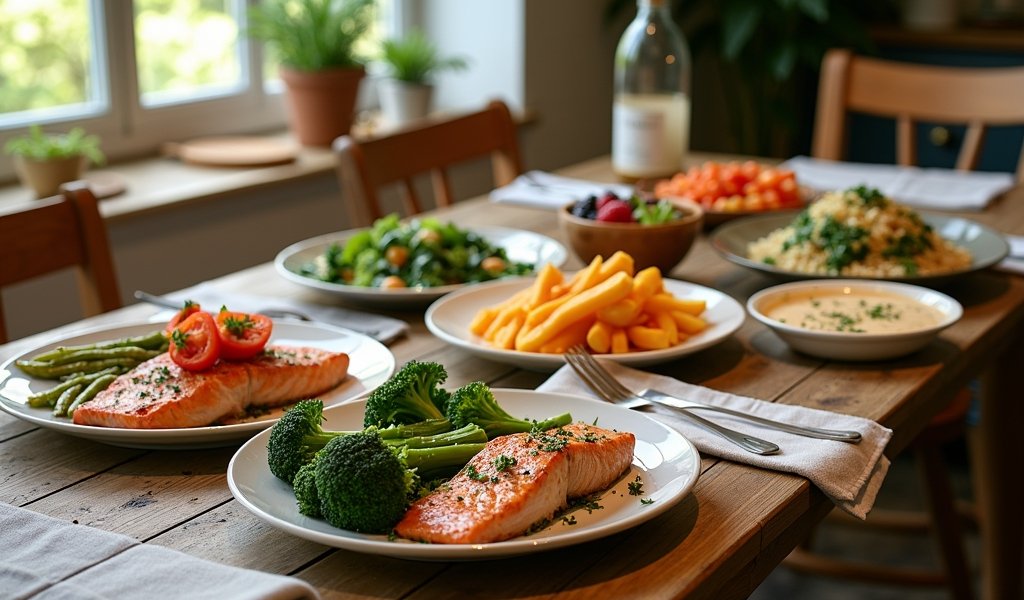
1. Mediterranean Herb-Roasted Salmon
This delicious dish features heart-healthy omega-3 fatty acids paired with a sodium-free herb blend. Simply brush a salmon fillet with olive oil, sprinkle with fresh rosemary, thyme, lemon zest, and black pepper, then roast at 375°F for 12-15 minutes. Serve alongside roasted asparagus and a small portion of quinoa cooked in low-sodium vegetable broth for a complete meal containing less than 250mg of sodium.
The Mediterranean approach to eating has been linked to improved heart health outcomes in numerous studies, making this meal particularly beneficial for those monitoring their blood pressure.
2. Garlic and Herb Roasted Chicken
This family-friendly dinner option proves that low sodium doesn’t mean low flavor. Rub a whole chicken with a mixture of minced garlic, fresh herbs (rosemary, thyme, and parsley), olive oil, and black pepper. Roast with lemon halves in the cavity until the internal temperature reaches 165°F. Serve with steamed green beans and roasted sweet potatoes seasoned with cinnamon and a touch of maple syrup. The entire meal contains approximately 200mg of sodium per serving.
By avoiding pre-packaged seasoning mixes (which often contain significant sodium) and using fresh herbs instead, you create a flavorful centerpiece dish that satisfies without the salt.
3. Hearty Vegetable and Bean Soup
Soups are typically sodium bombs, but not this homemade version. Start with a base of sodium-free vegetable broth (homemade is best, but low-sodium store options work too), then add diced onions, carrots, celery, garlic, zucchini, no-salt-added diced tomatoes, and rinsed canned beans. Season with bay leaves, thyme, black pepper, and a splash of balsamic vinegar for depth. This comforting soup provides approximately 150mg of sodium per serving while delivering ample fiber and plant-based protein.
Make a large batch to enjoy throughout the week as part of your heart-healthy meal plan. The flavors actually improve after a day in the refrigerator!
4. Stuffed Bell Peppers with Quinoa and Black Beans
This colorful, plant-based meal delivers protein, fiber, and flavor without excess sodium. Halve bell peppers and remove seeds, then roast for 10 minutes. Meanwhile, mix cooked quinoa with rinsed black beans, corn kernels, diced tomatoes (no salt added), chopped cilantro, cumin, chili powder, and lime juice. Fill the pepper halves with this mixture, top with a small amount of reduced-fat cheese, and bake until peppers are tender and cheese is melted. Each serving contains approximately 180mg of sodium.
The combination of whole grains and legumes provides a complete protein source, making this an excellent option for those following a plant-forward eating pattern.
5. Asian-Inspired Stir-Fry with Brown Rice
Traditional stir-fries often contain high-sodium sauces, but this version keeps things heart-healthy. Prepare brown rice according to package directions (without salt). For the sauce, mix 2 tablespoons rice vinegar, 1 tablespoon low-sodium soy sauce, 1 teaspoon honey, 1 teaspoon sesame oil, and 1 teaspoon fresh grated ginger. Stir-fry your choice of vegetables (bell peppers, snow peas, carrots, broccoli) with minced garlic, then add cubed tofu or chicken breast. Finish with the sauce and top with sliced green onions and a sprinkle of sesame seeds. This balanced meal contains approximately 280mg of sodium per serving.
The vibrant vegetables provide antioxidants that support overall cardiovascular health, complementing the sodium-reduction benefits.
6. Zucchini Noodles with Fresh Tomato Sauce
This light yet satisfying meal offers Italian flavor without the sodium typically found in jarred pasta sauces. Create zucchini noodles using a spiralizer or vegetable peeler. For the sauce, sauté minced garlic and diced onion in olive oil until translucent, then add diced fresh tomatoes, basil, oregano, and black pepper. Cook until tomatoes break down into a sauce, about 10-15 minutes. Toss with the zucchini noodles and top with a small amount of freshly grated Parmesan. The entire dish contains approximately 120mg of sodium per serving.
This meal is particularly suited for summer months when fresh tomatoes and zucchini are at their peak flavor, requiring minimal seasoning.
7. Spiced Lentil and Sweet Potato Bowl
This hearty bowl combines complex carbohydrates with plant protein for a satisfying meal that supports heart health. Cook lentils in water (no salt added) with a bay leaf until tender. Roast diced sweet potatoes with olive oil, cumin, coriander, and black pepper. Prepare a quick sauce by mixing plain yogurt with lemon juice, minced garlic, and chopped cucumber. Assemble bowls with lentils, sweet potatoes, fresh spinach, and a dollop of the yogurt sauce. This nutrient-dense meal contains approximately 160mg of sodium per serving.
The combination of fiber from the lentils and sweet potatoes helps maintain healthy cholesterol levels, working alongside sodium reduction for comprehensive heart health support.
Essential Ingredients for Your Low Sodium Pantry
Creating delicious low sodium meals becomes significantly easier when your kitchen is stocked with the right ingredients. Here’s what I recommend to my patients when they’re setting up a heart-healthy pantry:
- Fresh and dried herbs: Basil, oregano, thyme, rosemary, cilantro, parsley, and dill add tremendous flavor without sodium
- Spices and spice blends (without added salt): Cumin, paprika, turmeric, cinnamon, curry powder, Italian seasoning
- Acid ingredients: Lemon juice, lime juice, various vinegars (balsamic, red wine, apple cider)
- Aromatics: Garlic, onions, shallots, ginger
- No-salt-added canned goods: Diced tomatoes, tomato paste, beans (drain and rinse for even less sodium)
- Whole grains: Brown rice, quinoa, farro, barley (unseasoned)
- Nuts and seeds: Unsalted varieties provide healthy fats and protein
- Cooking oils: Extra virgin olive oil, avocado oil
- Low-sodium broths or homemade stock (freeze in portions)
I also recommend keeping a whole food meal plan on your refrigerator as a reminder of the nutritious options available to you. The key to success is planning ahead and keeping these staples on hand so you’re not tempted to reach for convenience foods, which are typically loaded with sodium.
One pantry tip I give all my patients: read every label carefully. Sodium hides in unexpected places, from breakfast cereals to salad dressings. Choose products labeled “low sodium” or “no salt added” whenever possible, and always compare sodium content between brands—the differences can be significant!
Tips for Reducing Sodium in Your Diet
Transitioning to a low sodium diet menu doesn’t have to be overwhelming. I’ve guided hundreds of patients through this process, and these practical tips have proven most helpful:
- Cook from scratch whenever possible. This gives you complete control over sodium content.
- Gradually reduce salt in recipes to allow your taste buds to adjust over time.
- Rinse canned beans, vegetables, and tuna to remove up to 40% of the sodium.
- Use a salt-free seasoning blend like herbs, citrus zest, and spices to add flavor without sodium.
- Replace salt with acid—vinegar or citrus juice can brighten flavors similarly to salt.
- Choose fresh or frozen vegetables over canned varieties (unless labeled “no salt added”).
- Make your own salad dressings, marinades, and sauces instead of using store-bought versions.
- Read nutrition labels carefully—sodium hides in unexpected places like bread and breakfast cereal.
One particularly effective strategy is to boost umami flavors, which can satisfy the palate in ways similar to salt. Ingredients like mushrooms, tomatoes, nutritional yeast, and small amounts of Parmesan cheese add depth to dishes without excessive sodium.
Remember that your taste preferences are malleable. Research shows that after about 3-4 weeks of reduced sodium intake, most people actually prefer less salty foods. Be patient with yourself during this adjustment period—your taste buds will thank you!
Sample 7-Day Low Sodium Meal Plan
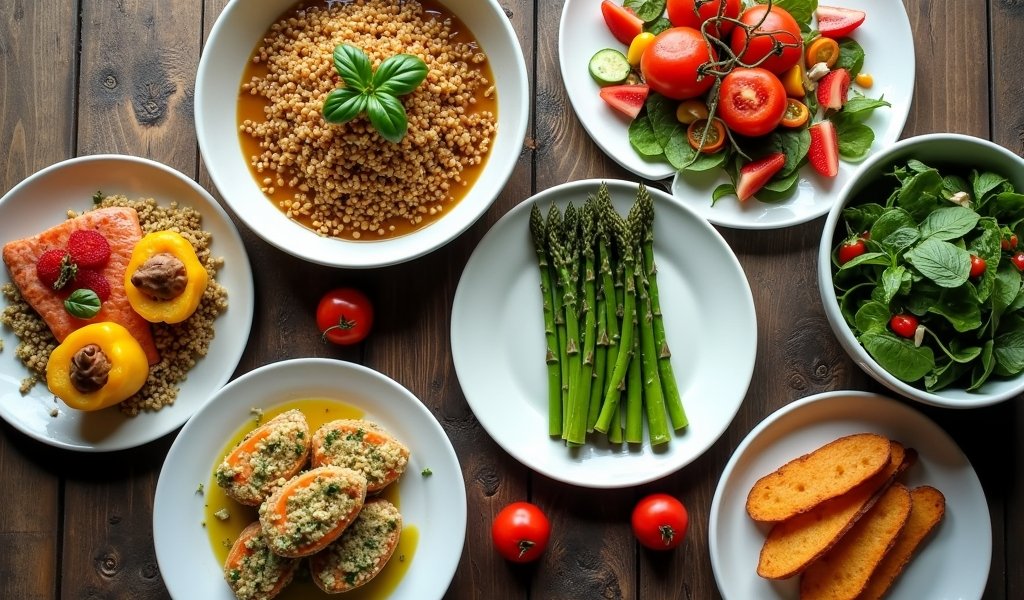
To help you get started on your low sodium journey, I’ve created a practical 7-day meal plan that incorporates the heart-healthy recipes mentioned earlier while maintaining variety and flavor. Each day provides approximately 1,500-2,000mg of sodium, well below the average American intake.
Monday
Breakfast: Overnight oats made with unsweetened almond milk, cinnamon, and fresh berries
Lunch: Hearty Vegetable and Bean Soup with a side of fresh fruit
Dinner: Mediterranean Herb-Roasted Salmon with roasted asparagus and quinoa
Snack: Unsalted mixed nuts and an apple
Tuesday
Breakfast: Vegetable omelet made with egg whites, spinach, mushrooms, and a small amount of feta cheese
Lunch: Stuffed Bell Peppers with Quinoa and Black Beans
Dinner: Baked chicken breast seasoned with herbs, served with roasted Brussels sprouts and sweet potato
Snack: Greek yogurt with honey and sliced peaches
Wednesday
Breakfast: Smoothie with spinach, banana, unsweetened yogurt, and ground flaxseed
Lunch: Leftover baked chicken in a whole grain wrap with lettuce, tomato, and avocado
Dinner: Asian-Inspired Stir-Fry with Brown Rice
Snack: Carrot and cucumber sticks with homemade hummus (no added salt)
Thursday
Breakfast: Whole grain toast with mashed avocado, sliced tomato, and black pepper
Lunch: Large salad with mixed greens, cherry tomatoes, cucumbers, chickpeas, and olive oil/lemon dressing
Dinner: Garlic and Herb Roasted Chicken with steamed green beans and roasted sweet potatoes
Snack: Fresh fruit salad with a small handful of unsalted almonds
Friday
Breakfast: Steel-cut oatmeal topped with sliced banana, cinnamon, and a drizzle of maple syrup
Lunch: Leftover Garlic and Herb Roasted Chicken with a side salad
Dinner: Zucchini Noodles with Fresh Tomato Sauce and a side of whole grain garlic bread (homemade without salt)
Snack: Unsalted air-popped popcorn seasoned with nutritional yeast
Saturday
Breakfast: Whole grain pancakes topped with fresh berries and a small amount of pure maple syrup
Lunch: Tuna salad made with olive oil instead of mayonnaise, served over mixed greens
Dinner: Spiced Lentil and Sweet Potato Bowl
Snack: Baked apple with cinnamon and a small dollop of unsweetened yogurt
Sunday
Breakfast: Veggie frittata with sweet potatoes, bell peppers, and fresh herbs
Lunch: Mediterranean platter with homemade hummus, fresh vegetables, olives, and whole grain pita
Dinner: Grilled fish with a lemon-herb marinade, roasted fingerling potatoes, and steamed broccoli
Snack: Homemade smoothie with berries, banana, and unsweetened almond milk
This meal plan incorporates leftovers strategically to minimize cooking time while providing a varied and flavorful low sodium diet menu. Feel free to adjust portions based on your individual calorie needs and activity level.
How to Dine Out While on a Low Sodium Diet
Maintaining your low sodium diet menu doesn’t mean you can never enjoy a restaurant meal again. With some strategic planning and smart ordering, you can dine out while keeping your sodium intake in check. Here’s how:
- Research restaurant menus online beforehand to identify potential low-sodium options
- Don’t hesitate to ask about preparation methods and request modifications
- Choose restaurants that prepare food to order rather than fast food establishments
- Request no added salt during cooking
- Ask for dressings and sauces on the side so you can control the amount
- Select grilled, baked, or steamed items instead of fried foods
- Avoid obviously salty items like pickles, olives, cured meats, and cheese sauces
- Consider vegetable-forward dishes, which tend to be lower in sodium
When dining out, I often recommend that my patients eat a small low-sodium snack before leaving home. This prevents arriving at the restaurant overly hungry, which can lead to impulsive high-sodium choices. A small apple with unsalted almond butter or a handful of raw vegetables can take the edge off your appetite.
Remember that most restaurant meals contain significantly more sodium than home-cooked equivalents, even when you make the healthiest choices possible. For this reason, it’s wise to balance restaurant dining with plenty of low-sodium meals prepared at home. Think of dining out as an occasional treat rather than a regular habit if you’re serious about maintaining a heart-healthy low sodium diet menu.
Conclusion
Embracing a low sodium diet menu is one of the most powerful steps you can take toward better heart health and overall wellbeing. The seven heart-healthy meals we’ve explored demonstrate that reducing sodium doesn’t mean sacrificing flavor or satisfaction—in fact, many of my patients discover new favorite foods and flavors once they move beyond their dependence on salt.
Remember that transitioning to a low sodium lifestyle is a journey, not an overnight transformation. Be patient with yourself as your taste buds adjust, and celebrate small victories along the way. Whether you’re following a low sodium diet due to a health condition or as a preventive measure, your heart will thank you for every mindful food choice you make.
With a well-stocked pantry of fresh herbs, spices, and whole foods, you have everything you need to create delicious, heart-supporting meals. The sample meal plan provided offers a practical starting point, but don’t be afraid to experiment and develop your own favorite low sodium recipes.
Your health is worth the effort of reading labels, preparing more meals at home, and being mindful when dining out. By incorporating these strategies into your daily routine, you’re not just following a diet—you’re embracing a sustainable, heart-healthy lifestyle that can add both years to your life and life to your years.
Frequently Asked Questions
How much sodium should I consume daily on a low sodium diet?
Most health organizations recommend limiting sodium to 2,300mg per day, with an ideal target of 1,500mg for those with high blood pressure or heart concerns. Your doctor may provide personalized guidance based on your specific health conditions.
Will food taste bland on a low sodium diet?
Initially, food may taste different as your palate adjusts, but not necessarily bland. Using herbs, spices, citrus, vinegar, and other flavor enhancers can create delicious meals without excess sodium.
How quickly will I notice health benefits from reducing sodium?
Some people notice reduced bloating and improved energy within days. Blood pressure improvements may be measurable within 2-4 weeks for many individuals.
Are all packaged foods high in sodium?
Not all, but many packaged foods contain significant sodium. Always read nutrition labels and look for products labeled “low sodium” or “no salt added.”
Can I ever have salt again once I start a low sodium diet?
A low sodium diet isn’t about eliminating salt completely but rather reducing overall intake. Small amounts of salt used strategically in home cooking can fit within your daily sodium budget.