
Overview
This article provides five essential tips for following a low-residue diet before a colonoscopy: knowing which high-fiber foods to avoid, focusing on permitted foods like white bread and lean proteins, planning meals strategically with a three-day meal plan, staying properly hydrated with clear fluids, and coordinating the diet with bowel preparation medication. The guidance aims to make colonoscopy preparation more comfortable and effective while ensuring optimal visualization during this potentially life-saving screening procedure.
Table of Contents
- Introduction
- Understanding the Low Residue Diet for Colonoscopy Prep
- Tip 1: Know What Foods to Avoid
- Tip 2: Focus on Permitted Foods
- Tip 3: Plan Your Meals Strategically
- Tip 4: Stay Properly Hydrated
- Tip 5: Coordinate Diet with Bowel Preparation Medication
- Conclusion
- Frequently Asked Questions
Introduction
Preparing for a colonoscopy might not top your list of favorite activities, but with the right approach, it doesn’t have to be the ordeal many people dread. As a gastroenterologist who’s guided thousands of patients through this process, I can assure you that proper preparation makes all the difference.
Colonoscopies are crucial screening tools that help detect and prevent colorectal cancer—the third most common cancer in the United States. While most people worry about the procedure itself, it’s actually the preparation that causes the most anxiety.
At the heart of effective colonoscopy prep is the low residue diet. Think of this diet as setting the stage for a successful procedure by reducing undigested material in your colon. This approach creates fewer and smaller bowel movements, ultimately allowing for clearer visualization during your colonoscopy.
“A thorough bowel preparation is essential for an effective colonoscopy,” says Dr. Douglas Rex, Distinguished Professor of Medicine at Indiana University School of Medicine and former president of the American Society for Gastrointestinal Endoscopy. “Following a low residue diet before the procedure significantly improves our ability to detect polyps and other abnormalities.”
Understanding the Low Residue Diet for Colonoscopy Prep
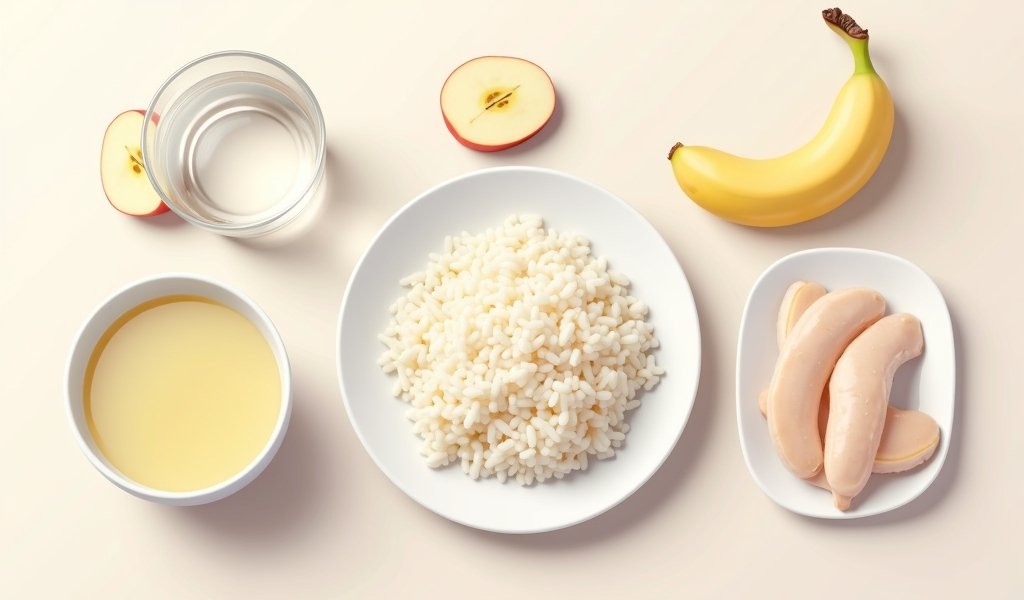
A low residue diet minimizes foods that increase bowel activity—particularly those high in fiber. Unlike a clear liquid diet which restricts you to transparent fluids only, the low residue approach allows certain solid foods with minimal fiber content, making your prep days more bearable while still achieving excellent results.
The goal is simple: reduce the amount of undigested material in your digestive tract. This makes the bowel-cleansing process more effective and often more comfortable.
Most gastroenterologists recommend starting this diet 3-4 days before your procedure. However, your doctor might suggest a different timeline based on your specific health needs, medication regimen, or the timing of your colonoscopy.
Dr. Lisa Ganjhu, gastroenterologist and clinical associate professor at NYU Langone Health, explains: “I typically recommend patients begin a low residue diet 3 days before their procedure. This gradual approach makes the cleansing process more thorough while being less aggressive on the digestive system.”
The beauty of a low residue diet is that it eases you into the preparation process. Rather than jumping straight into the clear liquid phase, you’ll have a transitional period that’s more satisfying and sustainable.
Tip 1: Know What Foods to Avoid
The foundation of a successful low residue diet is knowing which foods to eliminate from your menu. These are primarily high-fiber foods that leave undigested residue in your colon—precisely what we’re trying to minimize.
Here’s a comprehensive list of foods to avoid:
- Whole grains (brown rice, whole wheat bread, oatmeal, high-fiber cereals)
- Raw vegetables and those with peels, seeds, or stems
- All legumes (beans, lentils, chickpeas, peas)
- Fruits with skins, seeds, or membranes (berries, oranges, apples with skin)
- All nuts and seeds (including those hidden in breads and cereals)
- Dried fruits and coconut
- Popcorn and corn in any form
- Tough, fibrous meats with gristle
Seeds deserve special attention as they can interfere with colonoscopy visualization. This includes not just obvious sources like sunflower or pumpkin seeds but also those found in tomatoes, cucumbers, zucchini, and strawberries.
Be vigilant about hidden fiber sources in processed foods. Check labels for ingredients like inulin, chicory root, psyllium, and bran—all fiber additives that could compromise your preparation efforts.
Spicy foods and alcohol should also be avoided during this time. While not high in residue, they can stimulate bowel activity and potentially cause irritation, which isn’t ideal during prep.
Research has shown that proper dietary restriction before colonoscopy significantly improves bowel preparation quality, leading to more effective procedures with higher detection rates.
Tip 2: Focus on Permitted Foods
Now for the good news—there’s still plenty you can eat! The low residue diet permits many satisfying foods that won’t interfere with your colonoscopy preparation.
Enjoy these low-fiber carbohydrates:
- White bread, plain crackers, and white pasta
- White rice and potatoes without skin
- Refined cereals like Rice Krispies, Cornflakes, or Cream of Wheat
- Plain pancakes or waffles made with white flour
Protein sources are generally well-tolerated:
- Eggs prepared any way you like
- Tender, well-cooked meats (chicken, turkey, fish, ground beef)
- Smooth nut butters (limit to 2 tablespoons daily)
- Tofu (plain varieties without added fiber)
Most dairy products are permitted, with some considerations:
- Milk, plain yogurt (without seeds, nuts, or fruit pieces)
- Cheese (especially mild varieties like cheddar, mozzarella, or cream cheese)
- Ice cream without nuts, seeds, or fruit chunks
- Butter and cream
If you’re craving vegetables and fruits, these options are safest:
- Well-cooked, peeled, and seedless vegetables (carrots, green beans, spinach)
- Canned fruits in light syrup (peaches, pears, apricots)
- Ripe bananas
- Fruit and vegetable juices without pulp
Dr. Christina Ha, gastroenterologist at Cedars-Sinai Medical Center, advises: “I remind my patients that this diet is temporary. Focus on what you can have rather than what you can’t. Smooth textures and lighter colors are generally good indicators of low-residue foods.”
Remember, this is a short-term eating plan. The goal isn’t nutrition optimization—it’s effective colonoscopy preparation. You’ll return to your regular, fiber-rich diet after your procedure.
Tip 3: Plan Your Meals Strategically
Success with your colonoscopy prep begins with thoughtful meal planning. Having a clear strategy helps you navigate the days leading up to your procedure without hunger-driven decisions that might compromise your preparation.
Here’s a practical three-day meal plan to guide you:
3 Days Before Procedure:
- Breakfast: Scrambled eggs, white toast with butter, and apple juice
- Lunch: Tuna sandwich on white bread with mayonnaise and a cup of chicken broth
- Dinner: Baked chicken breast, white rice, and well-cooked carrots
- Snacks: Vanilla pudding, saltine crackers, or gelatin (not red or purple)
2 Days Before Procedure:
- Breakfast: White toast with smooth peanut butter and a glass of milk
- Lunch: Plain pasta with butter and parmesan cheese with apple juice
- Dinner: Baked fish, mashed potatoes (no skin), and well-cooked green beans
- Snacks: Yogurt (plain, without fruit), pretzels, or Italian ice (not red or purple)
1 Day Before Procedure:
- Breakfast: Cream of rice cereal with milk and white toast
- Lunch: Chicken noodle soup (strained, no vegetables) with crackers
- Dinner: Follow your doctor’s instructions (typically clear liquids only)
- Snacks: Clear broth, popsicles, or gelatin (not red or purple)
Consider these practical strategies for meal planning success:
Prep meals in advance so you’re not making hunger-based decisions. Having compliant meals ready to go removes temptation and reduces stress.
Opt for smaller, more frequent meals rather than three large ones. This approach helps maintain energy levels and prevents excessive hunger.
Remember that timing matters. Most physicians recommend transitioning to clear liquids only for at least 24 hours before your procedure. Mark this transition point clearly on your calendar.
“Patients who take time to plan their meals during prep tend to have much better experiences,” notes Dr. Carol Burke, gastroenterologist at Cleveland Clinic. “It’s all about making this temporary dietary change as manageable as possible.”
Tip 4: Stay Properly Hydrated
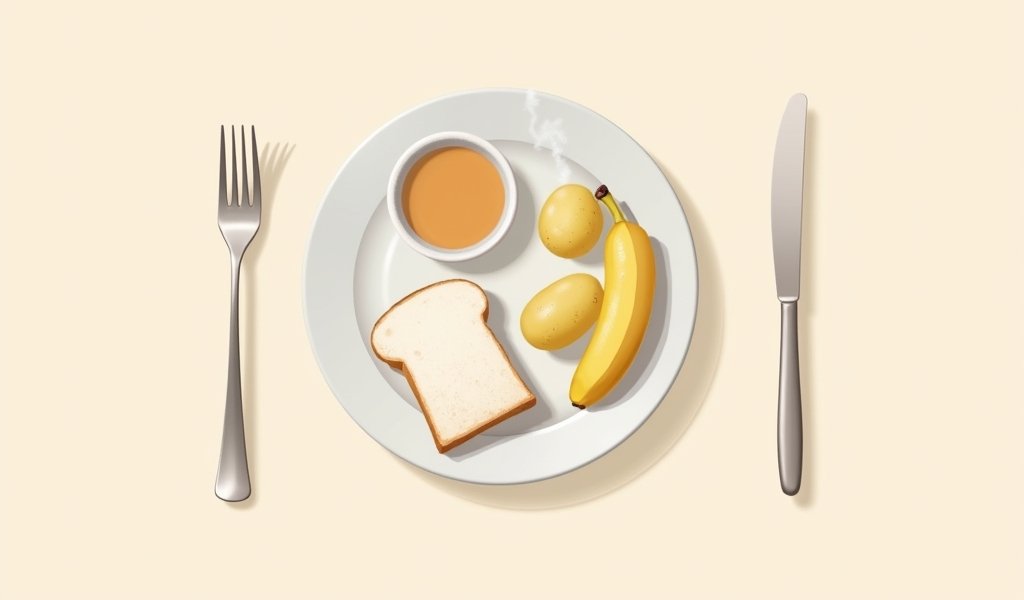
Hydration is perhaps the most underappreciated aspect of colonoscopy preparation. Proper fluid intake not only supports the cleansing process but also minimizes common side effects like headaches, dizziness, and nausea during preparation.
Aim to drink at least 8-10 cups of clear, approved fluids daily throughout your preparation period. This becomes especially important once you begin taking bowel preparation medications, which can cause significant fluid loss.
These fluids are your best options:
- Water (plain, flavored, or sparkling without red/purple dyes)
- Clear broths or bouillon
- Coffee or tea without milk (sugar is acceptable)
- Clear fruit juices without pulp (apple, white grape, white cranberry)
- Sports drinks like Gatorade or Powerade (avoid red, purple, or blue)
- Clear sodas (ginger ale, sprite, etc.)
Create a hydration schedule that works for you. Some patients find success with drinking a full glass of water at the top of every hour or carrying a marked water bottle showing how much they should drink by certain times of day.
Pay attention to the color of your urine—pale yellow indicates good hydration, while darker yellow suggests you need to increase fluid intake.
Dr. Darrell Gray, gastroenterologist and medical director of healthy communities at the OSUCCC – James Cancer Hospital, emphasizes: “Dehydration is one of the most common complications during colonoscopy preparation. Staying well-hydrated makes the entire process more comfortable and the prep solution more effective.”
Remember that warm clear liquids like broth can be particularly comforting during the clear liquid phase of your preparation. They provide a sense of satiety that cold drinks might not.
Clinical studies confirm that adequate hydration significantly improves both the quality of bowel preparation and patient comfort during the process.
Tip 5: Coordinate Diet with Bowel Preparation Medication
The final piece of the preparation puzzle involves coordinating your low residue diet with your prescribed bowel preparation medication. When these two elements work together, you’ll experience a more effective and comfortable cleansing process.
Most gastroenterologists prescribe either a polyethylene glycol-based solution (like GoLYTELY, MoviPrep, or SUPREP) or a non-PEG preparation. Both work best when your digestive tract is already relatively clear from following the low residue diet.
Timing is crucial. Generally, you’ll begin taking your bowel preparation medication after transitioning to clear liquids. Follow your doctor’s specific schedule, which might involve:
- A single large dose the evening before your procedure
- A split-dose regimen with half taken the evening before and half taken early on the procedure day
- Multiple smaller doses spread over several hours
“The split-dose preparation has shown superior cleansing results in numerous studies,” explains Dr. David Johnson, Professor of Medicine and Chief of Gastroenterology at Eastern Virginia Medical School. “This approach enhances polyp detection rates while making the preparation process more tolerable for patients.”
To make the experience more comfortable:
- Chill your preparation solution before drinking (if permitted)
- Use a straw placed at the back of your mouth to bypass most taste buds
- Have approved clear beverages ready to use as “chasers”
- Apply petroleum jelly around your anal area before beginning the prep to prevent irritation
- Stay near a bathroom once you begin taking the preparation solution
Remember that the goal is complete emptying of your colon. Your stool should eventually become clear, yellow liquid with no solid material. If this doesn’t occur after completing your preparation, contact your doctor for guidance.
Some medications need to be adjusted or temporarily discontinued during colonoscopy preparation. These commonly include blood thinners, diabetes medications, and certain supplements. Always discuss your complete medication list with your doctor well before your procedure date.
Conclusion
A successful colonoscopy begins long before you arrive at the medical facility—it starts with proper preparation through a well-executed low residue diet. By following the five tips outlined in this guide, you’re setting yourself up for a smooth experience and, more importantly, an effective screening procedure.
Remember that colonoscopies save lives by detecting colorectal cancer at its earliest, most treatable stages. When caught early, the five-year survival rate exceeds 90%. Your temporary dietary adjustments directly contribute to this potentially life-saving screening.
The low residue diet might seem restrictive, but view it as a short-term investment in your long-term health. Focus on what you can eat rather than what’s temporarily off-limits, stay well-hydrated, and follow your doctor’s specific instructions for the best results.
As with any medical procedure, don’t hesitate to ask questions if something isn’t clear. Your healthcare team wants your colonoscopy to be successful and is there to support you through the preparation process.
With proper preparation, you’re not just ready for a colonoscopy—you’re taking a proactive step toward maintaining your digestive health and overall well-being for years to come.
Frequently Asked Questions
How many days before colonoscopy should I start a low residue diet?
Most gastroenterologists recommend starting a low residue diet 3-4 days before your colonoscopy. Always follow your doctor’s specific instructions as they may customize the timeline based on your individual health needs.
Can I drink coffee during the low residue diet phase?
Yes, you can drink coffee during the low residue diet phase, but without milk or cream. Black coffee is perfectly acceptable and won’t interfere with your preparation.
Is yogurt allowed on a low residue diet?
Plain yogurt without seeds, nuts, or fruit pieces is permitted on a low residue diet. Avoid yogurts with added fiber, granola, or fruit chunks that could leave residue in your colon.
What happens if I accidentally eat high-fiber food during prep?
If you accidentally consume high-fiber food during prep, don’t panic but inform your doctor. They may recommend additional preparation measures or, in some cases, rescheduling the procedure if the mistake was significant.
How do I know if my bowel prep was successful?
Your bowel prep is successful when your stool becomes a clear, yellowish liquid with no solid material. By the end of your preparation, the liquid you pass should resemble the clear liquids you’ve been drinking.