
Overview
This article provides a step-by-step guide for managing diverticulitis through dietary adjustments, starting with clear liquids and gradually progressing to regular foods while explaining the science behind giving the colon time to heal. It emphasizes the importance of proper hydration, nutritional considerations during restricted eating phases, and long-term dietary management strategies to prevent future flare-ups.
Table of Contents
- Understanding Diverticulitis: Why Your Gut Throws Tantrums
- Why a Liquid Diet? The Science Behind Giving Your Colon a Vacation
- Step 1: Starting with Clear Liquids – The Reset Button for Your Angry Colon
- Step 2: Progressing to Full Liquids – Getting Fancy with Your Fluids
- Step 3: Introducing Low-Fiber Options – Baby Steps Back to Solid Food
- Step 4: Gradual Transition to Regular Diet – The Homecoming Party for Food
- Step 5: Long-term Dietary Management – Keeping Your Colon Happy Ever After
- Hydration Tips During Your Liquid Diet Journey
- Nutritional Considerations: Not Just Surviving, But Thriving
- Conclusion: Your Gut Will Thank You Later
- Frequently Asked Questions
Understanding Diverticulitis: Why Your Gut Throws Tantrums
Let’s talk about diverticulitis – that pesky condition where your intestines basically throw a full-blown temper tantrum. If you’re reading this, you’re probably all too familiar with those tiny pouches (diverticula) that form in your digestive tract, particularly in the colon. When these pouches get inflamed or infected, boom! You’ve got diverticulitis.
Here’s the deal. Your colon isn’t always the most reasonable organ. Sometimes it decides that forming little pouches and then getting them infected is a brilliant idea. Spoiler alert: it’s not. The result? Pain. Lots of pain. Usually in the lower left abdomen, along with fever, nausea, and changes in bowel habits that would make even a gastroenterologist blush.
During a flare-up, your digestive system needs a time-out. It’s like a toddler who’s had too much sugar – it needs to calm down before it can behave properly again. This is where a liquid diet for diverticulitis comes into play. Think of it as sending your colon to the corner to think about what it’s done.
According to recent research, about 5% of people over 40 have diverticulitis, jumping to 65% by age 85. That’s a lot of angry colons! And while medications often help, what you put (or don’t put) into your body makes a massive difference in recovery.
Why a Liquid Diet? The Science Behind Giving Your Colon a Vacation
A liquid diet for diverticulitis isn’t just something doctors recommend to torture you (though it might feel that way). There’s actual science behind it! When your intestinal pouches are inflamed, the last thing they need is solid food scraping against them. That’s like rubbing sandpaper on a sunburn. Ouch.
Liquids are gentle. They require minimal digestive effort. Your angry colon doesn’t have to work overtime processing complex foods, which gives those inflamed areas a chance to heal. It’s like putting your digestive system on vacation mode – essential functions only, please!
The beauty of a liquid diet is that it reduces mechanical stress on the GI tract while still providing necessary hydration and some nutrients. It’s kind of like when you’re sick and your mom would give you chicken soup – except this time, it’s actually medically sound advice!
Research from the Mayo Clinic supports using liquid diets during acute diverticulitis flares. It’s not just old wives’ tales; it’s evidence-based medicine. Who knew?
Step 1: Starting with Clear Liquids – The Reset Button for Your Angry Colon
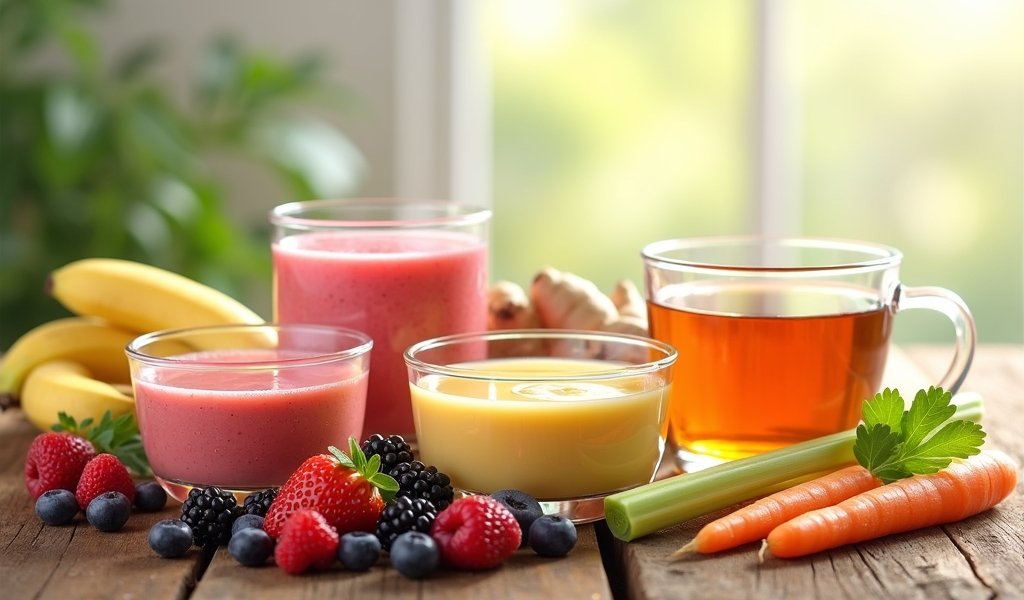
When diverticulitis strikes, it’s time to hit the reset button with clear liquids. This is the digestive equivalent of turning your computer off and back on again. Sometimes the simplest solutions work best!
Clear liquids are exactly what they sound like – fluids you can see through. Your colon, currently throwing its tantrum, will appreciate the break. Think of this as the ultimate minimalist diet.
What’s on the menu? Glad you asked:
- Water (shocking, I know)
- Broth that’s been strained within an inch of its life
- Clear fruit juices without pulp (apple and white grape are your new best friends)
- Plain gelatin that jiggles with delight
- Clear sports drinks to pretend you’re an athlete while lying on the couch
- Tea without milk (sorry, British friends)
- Clear sodas that have gone flat (finally, a use for that open can you forgot about)
What’s not invited to this party? Anything with pulp, bits, chunks, or colors that would stain a white shirt. Your poor colon is sensitive right now, like a movie critic at a bad film festival.
Typically, you’ll need to stick with these clear liquid diet foods for 2-3 days. It feels like forever when you’re hungry, but it’s a blink in the grand scheme of things. Your inflamed diverticula will thank you for this brief period of rest.
The goal here isn’t gourmet satisfaction. It’s giving your digestive system the equivalent of a spa day. Sometimes being boring is exactly what the doctor ordered.
Step 2: Progressing to Full Liquids – Getting Fancy with Your Fluids
Congratulations! If you’ve made it to this step, your colon has stopped its dramatic performance and is ready for something with a bit more substance. Welcome to the exciting world of full liquids. And yes, “exciting” is relative when we’re talking about digestive healing.
Full liquids are the halfway house between clear liquids and actual food. Think of them as clear liquids that hit the gym. They’re thicker, contain more nutrients, and actually might satisfy your hunger for more than 15 minutes.
Your expanded menu now includes:
- Milk – cow’s milk, plant-based milks, whatever floats your boat
- Smooth yogurt without fruit chunks (sorry, berry lovers)
- Strained cream soups that have been blended to submission
- Vegetable juices (V8 just became a gourmet treat)
- Milkshakes and smoothies (without seeds or nuts, obviously)
- Ice cream and frozen yogurt (yes, there are medical reasons to eat ice cream!)
- Nutritional supplement drinks that taste vaguely like melted ice cream
The key here is “smooth operator” – nothing that requires chewing or contains bits that could irritate your healing diverticula. If it would clog a straw, it’s not ready for your sensitive system yet.
This phase typically lasts 2-3 days. Your body is slowly remembering what real nutrition feels like. Your taste buds might be doing a happy dance at the expanded options, even if they’re still dreaming of solid food.
During this phase, you’ll likely notice improved energy levels as you’re getting more calories and nutrients. See? Your liquid diet for diverticulitis isn’t just about deprivation—it’s strategic healing!
Step 3: Introducing Low-Fiber Options – Baby Steps Back to Solid Food
You’ve made it to solids! Well, sort of. Think “solid-adjacent.” This is the phase where you start eating things that require teeth again, but nothing too ambitious. Your colon is like a toddler learning to walk – it needs to start with easy steps.
Low-fiber foods are your bridge back to normalcy. They’re gentle enough not to irritate your healing diverticula but substantial enough to remind you what chewing feels like. It’s been a while, hasn’t it?
Your expanded culinary playground now includes:
- White bread (finally, carbs with substance!)
- White rice (the blandest comfort food ever)
- Well-cooked, peeled vegetables (goodbye nutrients, hello digestibility)
- Canned fruits without skins or seeds (nature, but make it processed)
- Eggs prepared any way that doesn’t require industrial strength to digest
- Tender, well-cooked meats without gristle (chicken and fish, not jerky)
- Pasta that’s been cooked until it’s practically surrendered
- Low-fat cheese that doesn’t fight back
Notice what’s missing? Fiber. Seeds. Nuts. Tough meats. Anything that could get caught in those healing pouches and start the whole inflammatory party all over again.
This phase typically lasts about a week. Your doctor might have specific recommendations based on your situation. Listen to them, not your suddenly ravenous appetite that’s eyeing that bag of popcorn.
Pay attention to how your body responds. Discomfort, pain, or changes in bowel habits are your body’s way of saying “Slow down, speed racer!” Recovery isn’t a race – it’s a carefully choreographed dance with your digestive system.
Step 4: Gradual Transition to Regular Diet – The Homecoming Party for Food
Welcome to the phase where food diversity makes its triumphant return! It’s like reuniting with old friends – cautiously at first, then with increasing enthusiasm. Your colon has been through rehab, and now it’s time for gradual reintegration into society.
This transition should happen over several weeks. I know, weeks sounds like forever when you’re craving your favorite foods. But rushing this process is like sprinting on ice – spectacular in theory, disastrous in practice.
Begin by introducing small amounts of fiber back into your diet:
- Whole grain foods (start with one slice of whole grain bread, not an entire loaf)
- Fresh fruits with skins (apple skin isn’t the enemy anymore)
- Raw vegetables (yes, salads can return to your life!)
- Legumes and beans (the musical fruits can make a comeback)
- Seeds and nuts in moderate amounts (emphasis on moderate)
The key word is “gradual.” Add one new food every 2-3 days. This methodical approach lets you identify any troublemakers that might trigger symptoms. It’s like being a detective, but for your intestines.
Stay hydrated during this process! Water is still your colon’s best friend. Aim for at least 8 cups daily, more if you’re increasing fiber. Fiber without water is like trying to run a car without oil – technically possible but terribly unpleasant.
Listen to your body’s feedback. Bloating, gas, discomfort? That’s your digestive system sending smoke signals. Slow down, back up, try again more slowly. Every gut is unique, and yours has just been through a significant event.
Step 5: Long-term Dietary Management – Keeping Your Colon Happy Ever After
You’ve graduated from the liquid diet for diverticulitis and survived the reintroduction phase. Congratulations! Now it’s time for the real challenge: preventing this whole unpleasant experience from happening again.
Long-term dietary management for diverticulitis is less about restriction and more about making smart choices. Think of it as an ongoing negotiation with your colon. You both want to be happy, so let’s find that middle ground.
The foundation of your prevention plan should include:
- High-fiber foods (aim for 25-35 grams daily)
- Adequate hydration (water, not just coffee and wine)
- Regular meals (your digestive system appreciates consistency)
- Limited processed foods (they’re not doing your colon any favors)
- Moderate alcohol consumption (your liver will thank you too)
The old advice about avoiding nuts, seeds, and popcorn? That’s actually outdated! Recent research from The New England Journal of Medicine found no association between these foods and diverticulitis flares. Your mileage may vary, of course – if certain foods consistently cause you problems, listen to your body.
Regular exercise is also crucial for digestive health. It helps maintain normal bowel function and reduces constipation, which is a risk factor for diverticulitis. Even a 20-minute walk after meals can make a difference. Your colon appreciates the movement!
Think of this as a lifestyle adjustment rather than a diet. It’s about creating sustainable habits that keep your digestive system functioning optimally. Your future self (and colon) will thank you for the effort you put in now.
Hydration Tips During Your Liquid Diet Journey
Let’s talk about water – the unsung hero of your liquid diet for diverticulitis. While you’re focusing on what liquids you can consume, don’t forget about pure, simple H2O. It’s not just about surviving; it’s about thriving through this challenging time.
Staying hydrated is crucial. When you’re on a liquid diet, you might think you’re getting enough fluids, but many clear liquids (looking at you, coffee and tea) can actually have a diuretic effect. Not cool when you’re trying to heal!
Here are some hydration hacks to keep things interesting:
- Infuse water with cucumber, lemon, or mint (strained, of course)
- Try warm water with a splash of honey during the full liquid phase
- Set hourly reminders to sip – consistency is key
- Use a marked water bottle to track your intake
- Include electrolyte drinks if you’re feeling particularly drained
Aim for at least 8-10 cups of fluid daily. More if you have fever or it’s hot outside. Your urine should be light yellow – the infamous “lemonade color” that doctors love to mention at awkward moments.
Remember that hydration isn’t just about water. During the full liquid phase, broths and soups provide both fluids and valuable electrolytes. It’s multitasking for your recovery!
Proper hydration helps prevent constipation – a definite no-no when you’re recovering from diverticulitis. It also supports overall healing and helps flush toxins from your system. Water: it’s practically magic!
Nutritional Considerations: Not Just Surviving, But Thriving
Let’s face it: a liquid diet for diverticulitis isn’t exactly nutritional nirvana. You’re probably not getting all the vitamins, minerals, and nutrients your body needs. It’s like trying to fuel a car with just enough gas to keep it from stalling – functional, but not optimal.
During the clear liquid phase especially, your caloric intake might be lower than a reality show contestant’s chance of finding true love. This isn’t sustainable long-term, which is why this phase is brief.
Here’s how to maximize nutrition during your liquid diet:
- Choose nutrient-dense liquids when possible (broth over water, fruit juice over clear soda)
- During full liquid phase, incorporate protein-rich options like smoothies with protein powder
- Consider liquid multivitamins (discuss with your doctor first)
- Bone broth can provide valuable minerals and collagen
- Commercial nutritional supplements like Ensure or Boost can help bridge gaps
If your liquid diet extends beyond a few days, consult with a registered dietitian. They’re like nutritional wizards who can help you maximize your limited options. Your doctor might also recommend specific supplements to prevent deficiencies.
Remember that fatigue, weakness, or dizziness during a liquid diet could signal insufficient calories or nutrients. These aren’t badges of honor – they’re signs you need to reassess your approach or possibly transition to the next phase.
The goal isn’t just to survive your liquid diet for diverticulitis; it’s to provide your body with what it needs to heal effectively. Nutrition is your foundation for recovery!
Conclusion: Your Gut Will Thank You Later
Navigating a liquid diet for diverticulitis isn’t exactly a culinary adventure you’d sign up for willingly. It’s more like a necessary detour on your digestive journey. But here’s the thing – this temporary inconvenience serves a much greater purpose: healing your angry, inflamed colon.
We’ve covered the five critical steps: starting with clear liquids, progressing to full liquids, introducing low-fiber foods, transitioning back to your regular diet, and implementing long-term management strategies. Each phase plays a vital role in your recovery and future gut health.
Remember that this process isn’t a race. Your body sets the pace, not your cravings or social calendar. Healing happens on its own timeline. Push too fast, and you might find yourself back at square one – sipping broth and wondering where it all went wrong.
The liquid diet for diverticulitis might test your patience, but it won’t last forever. Think of it as an investment in your future digestive peace. A few weeks of mindful eating can prevent months of discomfort.
Listen to your body, stay in communication with your healthcare provider, and be kind to yourself throughout this process. Your colon has been through enough drama – no need to add more with unrealistic expectations or frustration.
Here’s to healing, one sip at a time. Your future self – with a calm, happy colon – will look back on this challenging time and know it was worth it. Now go enjoy that broth like it’s a five-star meal. Mindset is everything!
Frequently Asked Questions
How long should I follow a liquid diet for diverticulitis?
Most doctors recommend 2-3 days of clear liquids followed by 2-3 days of full liquids during an acute flare-up. Always follow your healthcare provider’s specific recommendations as your situation may require adjustments.
Can I drink coffee during a clear liquid diet phase?
Clear coffee without cream or milk is technically allowed, but it may irritate your digestive system. If you must have coffee, limit it to small amounts and see how your body responds.
Will I lose weight on a liquid diet for diverticulitis?
Some weight loss is common due to the calorie restriction, but this isn’t the goal of the diet. The primary purpose is to rest your digestive system, not to reduce weight.
Can I take my regular medications while on a liquid diet?
Check with your doctor about your medications during this time. Some may need to be temporarily suspended while others are crucial to continue.
How do I know when I’m ready to progress to the next phase of the diet?
Decreased pain, normal temperature, and improved overall symptoms are good indicators you’re ready to advance. Always consult your healthcare provider before progressing, especially after the acute phase.