
Overview
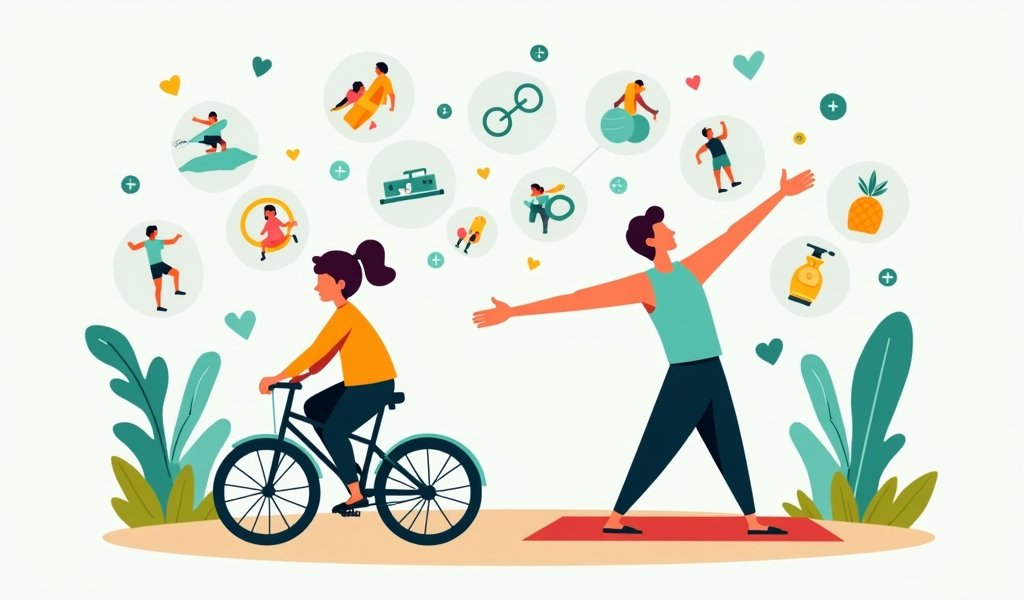
Move over boring treadmills, lifestyle sports are here to rescue your fitness routine without making you feel like a hamster on a wheel! The article explores seven sustainable physical activities—cycling, swimming, hiking, tennis, yoga, rock climbing, and golf—that seamlessly integrate into daily life, providing physical and mental benefits while making exercise feel like play rather than work.
Table of Contents
- Introduction to Lifestyle Sports
- Cycling: Low-Impact Cardiovascular Excellence
- Swimming: The Full-Body Workout
- Hiking: Nature’s Gym for Mind and Body
- Tennis: Agility, Strategy, and Social Connection
- Yoga: Ancient Practice for Modern Wellness
- Rock Climbing: Build Strength and Mental Resilience
- Golf: Combining Leisure with Lasting Health Benefits
- Getting Started with Lifestyle Sports
- Conclusion
- Frequently Asked Questions
Introduction to Lifestyle Sports
In today’s fast-paced world, finding sustainable ways to maintain health and fitness has become increasingly important. Lifestyle sports offer a refreshing alternative to traditional gym routines, blending physical activity with enjoyment and long-term sustainability. Unlike conventional workout regimens that often feel like obligations, these activities seamlessly integrate into your lifestyle, becoming part of who you are rather than just something you do.
As a health professional, I’ve witnessed countless patients transform their physical and mental wellbeing through lifestyle sports. These activities don’t just build muscle or burn calories—they create lasting habits that enhance quality of life. The beauty of lifestyle sports lies in their ability to disguise exercise as recreation, making fitness feel less like work and more like play.
Recent research published in the Journal of Physical Activity and Health confirms that people who engage in enjoyable physical activities are more likely to maintain them long-term, experiencing better health outcomes than those who exercise purely for health reasons. Let’s explore seven proven lifestyle sports that can revolutionize your approach to fitness and transform your overall health.
Cycling: Low-Impact Cardiovascular Excellence
Cycling stands out as one of the most accessible and effective lifestyle sports for people of all ages. Whether you’re pedaling through city streets during your morning commute or exploring scenic trails on weekends, this low-impact activity delivers impressive cardiovascular benefits without stressing your joints.
Regular cycling strengthens your heart, increases lung capacity, and builds endurance. Studies show just 30 minutes of moderate cycling daily can reduce your risk of cardiovascular disease by up to 50%. Beyond the physical benefits, cycling offers practical advantages as well—it’s an eco-friendly transportation option that saves money and reduces your carbon footprint.
What makes cycling truly special is its scalability. Beginners can start with gentle rides around the neighborhood, while those seeking greater challenges can tackle steep hills or join cycling clubs for long-distance adventures. Many cycling enthusiasts find that combining different sports like baseball with cycling creates a well-rounded fitness program that works multiple muscle groups.
To incorporate cycling into your routine:
- Start with comfortable distances and gradually increase your range
- Invest in proper bike fitting to prevent injury and maximize efficiency
- Consider commuting by bike several days per week
- Join local cycling groups for motivation and social connection
According to Harvard Medical School, cycling improves balance, coordination, and posture while providing an excellent workout for your major muscle groups. It’s also highly customizable—you can adjust intensity based on your fitness level, making it appropriate for rehabilitation and high-performance training alike.

Swimming: The Full-Body Workout
Swimming deserves its reputation as one of the most complete lifestyle sports available. This zero-impact activity engages virtually every muscle group while providing cardiovascular benefits comparable to running—without the joint stress. The water’s natural resistance creates a challenging environment that builds strength and endurance simultaneously.
What truly sets swimming apart is its therapeutic potential. The buoyancy of water reduces body weight by approximately 90%, making swimming ideal for those with arthritis, back pain, or recovery from injuries. Additionally, the rhythmic breathing patterns required in swimming have been shown to reduce stress and anxiety, creating a meditative experience.
Swimming offers remarkable versatility. Different strokes target various muscle groups—freestyle strengthens shoulders and core, backstroke improves posture, breaststroke works the chest and thighs, and butterfly develops explosive power. This variety prevents the plateau effect common in other forms of exercise, ensuring continued progress and engagement.
For optimal benefits, consider these swimming strategies:
- Begin with 20-30 minute sessions 2-3 times weekly
- Learn proper stroke technique to maximize efficiency and prevent injury
- Alternate between different strokes to work various muscle groups
- Use interval training (alternating between high and low intensity) for greater cardiovascular benefits
Research from the Centers for Disease Control indicates regular swimmers have about half the mortality risk compared to inactive people. Swimming also improves sleep quality and can help manage chronic conditions like diabetes and hypertension.
Hiking: Nature’s Gym for Mind and Body
Hiking transcends mere exercise to become a holistic wellness practice. This accessible lifestyle sport combines physical exertion with nature immersion, delivering a powerful combination of benefits that address both physical and mental health. The varied terrain of hiking trails naturally creates an interval-style workout, with inclines raising your heart rate and flat sections allowing recovery.
The physical benefits of hiking are substantial. Regular hiking strengthens your core, improves balance, and builds lower body strength. The natural variations in terrain engage stabilizing muscles often neglected in gym workouts. Walking on uneven surfaces increases proprioception—your body’s spatial awareness—which becomes increasingly important as we age to prevent falls.
What truly distinguishes hiking from other forms of exercise is its psychological impact. Studies show that spending time in natural environments reduces cortisol (the stress hormone), lowers blood pressure, and improves mood. The Japanese practice of “forest bathing” (shinrin-yoku) has documented these effects extensively, demonstrating how nature exposure positively affects our neurochemistry.
To make hiking a regular part of your lifestyle:
- Start with shorter, less challenging trails and gradually increase difficulty
- Invest in quality footwear to prevent injuries and improve comfort
- Use hiking apps to discover trails in your area
- Consider family hiking outings to combine fitness with quality time
- Pack healthy snacks and plenty of water for sustained energy
Research published in the International Journal of Environmental Research confirms that hiking in natural environments produces greater psychological benefits than equivalent exercise in urban settings. These mental health improvements, combined with physical benefits, make hiking an exceptional lifestyle sport for holistic wellbeing.
Tennis: Agility, Strategy, and Social Connection
Tennis stands out among lifestyle sports for its unique combination of physical intensity, strategic thinking, and social engagement. This dynamic activity delivers a high-energy workout while developing coordination, agility, and reaction time. The sport’s stop-and-start nature creates a natural interval training effect, alternating between intense bursts and brief recovery periods.
From a physiological perspective, tennis offers remarkable benefits. A typical match burns between 400-600 calories per hour while building strength in your legs, core, and upper body. The constant movement improves cardiovascular fitness, with heart rates typically ranging between 70-90% of your maximum during play. The lateral movements and quick directional changes enhance balance and proprioception.
Beyond physical benefits, tennis develops cognitive functions through strategic decision-making and problem-solving. Players must constantly analyze opponents’ patterns, adjust tactics, and make split-second decisions. This mental engagement creates a flow state that psychologists describe as deeply satisfying—you’re fully absorbed in the activity, experiencing what athletes call “being in the zone.”
The social dimension of tennis adds another layer of health benefits. Whether playing doubles with friends or joining a local league, tennis creates community and accountability. These social connections have been linked to increased longevity and improved mental health, particularly as we age.
To incorporate tennis into your lifestyle:
- Take beginner lessons to learn proper technique and prevent injury
- Find a regular partner with similar skill level for consistent play
- Join a community tennis club for social opportunities and structured play
- Consider cardio tennis classes for a higher-intensity workout option
According to the British Journal of Sports Medicine, racquet sports like tennis are associated with the lowest risk of all-cause mortality compared with other sports and activities, reducing death risk by 47%. This makes tennis not just enjoyable but potentially life-extending.

Yoga: Ancient Practice for Modern Wellness
Yoga represents one of the most adaptable and comprehensive lifestyle sports available today. This ancient practice combines physical postures, breathwork, and mindfulness to create a holistic approach to wellness. Unlike activities focused solely on external metrics like speed or strength, yoga emphasizes the mind-body connection, making it uniquely beneficial for overall health.
The physical benefits of regular yoga practice are well-documented. Improved flexibility, enhanced muscle tone, better posture, and increased strength develop gradually through consistent practice. Yoga’s focus on controlled movement and holding poses engages smaller stabilizing muscles often neglected in conventional workouts. Many practitioners find that yoga complements more intense activities by improving recovery and preventing injuries.
What truly distinguishes yoga from other lifestyle sports is its stress-reduction capacity. The deliberate breathing techniques (pranayama) activate the parasympathetic nervous system—your body’s “rest and digest” mode—countering the chronic stress many experience daily. This physiological shift reduces cortisol levels and has been linked to improvements in sleep quality, digestion, and immune function.
For those interested in bodybuilding or strength training, yoga offers complementary benefits through improved mobility and mind-muscle connection. The body awareness developed through yoga practice enhances performance in virtually all other physical activities.
To incorporate yoga into your lifestyle:
- Start with beginner-friendly classes to learn proper alignment
- Practice consistently (even short sessions) rather than sporadically
- Explore different yoga styles to find what resonates with you
- Consider combining yoga with more intense lifestyle sports for balance
- Use online resources for home practice when attending classes isn’t feasible
Research published in the International Journal of Yoga demonstrates yoga’s effectiveness in reducing anxiety, depression, and chronic pain while improving cardiovascular health. These wide-ranging benefits make yoga an exceptional addition to any health-focused lifestyle.
Rock Climbing: Build Strength and Mental Resilience
Rock climbing has evolved from an adventurer’s pursuit to an accessible lifestyle sport with profound health benefits. Whether at indoor climbing gyms or natural rock formations, this activity delivers a unique combination of physical conditioning and mental challenge. Unlike repetitive exercises, climbing engages your body in problem-solving through movement, creating an immersive experience that builds both strength and cognitive skills.
From a physical standpoint, climbing offers remarkable benefits. The activity engages virtually every major muscle group, with particular emphasis on the core, back, arms, and legs. Climbers develop exceptional grip strength, which research links to overall health indicators and longevity. The varied movements in climbing improve flexibility, balance, and coordination while building functional strength applicable to daily activities.
The mental aspects of climbing are equally impressive. Each route presents a puzzle requiring strategy, focus, and perseverance. This problem-solving under physical stress builds mental resilience that transfers to other life challenges. Many climbers report improved concentration, reduced anxiety, and enhanced confidence through regular practice. The sport naturally teaches risk assessment and decision-making skills in consequential environments.
To make climbing part of your lifestyle:
- Begin at indoor climbing gyms with proper instruction
- Focus on technique rather than strength when starting
- Find a climbing partner or group for safety and motivation
- Progress gradually to more challenging routes
- Consider supplementary training for climbing-specific strength
One of climbing’s greatest advantages is its scalability—routes are graded by difficulty, allowing participants to find appropriate challenges regardless of fitness level. This built-in progression system keeps the sport engaging for years, preventing the boredom that often leads to exercise abandonment.
Golf: Combining Leisure with Lasting Health Benefits
Golf often gets overlooked as a serious lifestyle sport, but this centuries-old activity offers substantial health benefits while remaining accessible throughout life. Walking an 18-hole course typically covers 4-6 miles, accumulating 10,000+ steps—meeting daily physical activity recommendations in a single session. This moderate-intensity exercise improves cardiovascular health while being gentle enough for most age groups and fitness levels.
The physical benefits of regular golf extend beyond walking. The golf swing engages core muscles, improves rotational flexibility, and develops coordination between upper and lower body. Carrying clubs (rather than using a cart) adds resistance training elements to the experience. Many older golfers maintain bone density and muscle mass well beyond their non-golfing peers, contributing to independence and quality of life in later years.
Golf’s psychological benefits deserve special attention. The sport requires presence and concentration, creating a mental break from daily stressors. The outdoor setting provides exposure to nature, which research consistently links to reduced anxiety and improved mood. Golf’s social dimension—playing with friends or meeting new partners—builds community and combats isolation, particularly important for older adults.
To maximize golf’s health benefits:
- Walk the course rather than using a cart whenever possible
- Carry your clubs or use a push cart to increase calorie expenditure
- Practice proper swing mechanics to prevent injury
- Use golf as an opportunity to enjoy nature and social connection
- Complement golf with strength training for improved performance and injury prevention
A study in the British Journal of Sports Medicine found that golfers have a 40% lower death rate compared to non-golfers of the same age, sex, and socioeconomic status. This remarkable statistic highlights golf’s potential as a lifelong activity that promotes longevity and healthspan.
Getting Started with Lifestyle Sports
Beginning a new lifestyle sport requires thoughtful preparation to ensure both enjoyment and sustainability. The first step is choosing activities aligned with your interests, physical capabilities, and lifestyle realities. Consider your personality—do you prefer social or solitary activities? Competitive or cooperative environments? High-intensity or meditative experiences? Selecting sports that match your preferences increases the likelihood of long-term adherence.
Start gradually with any new activity. The enthusiasm that comes with beginning something new can lead to overexertion and potential injury. Instead, follow the 10% rule—increase duration, intensity, or frequency by no more than 10% per week. This measured approach allows your body to adapt appropriately while building confidence through incremental successes.
Proper equipment and instruction significantly impact your experience. While it’s unnecessary to invest heavily before determining your commitment level, basic appropriate gear ensures safety and comfort. Many facilities offer equipment rental, allowing exploration before purchase. Similarly, initial instruction—whether through classes, coaching, or qualified friends—establishes fundamental techniques that prevent injury and accelerate progress.
Consider these practical steps for integrating lifestyle sports:
- Schedule activities during your highest-energy parts of the day
- Find accountability partners or groups for consistent participation
- Track your progress to maintain motivation
- Set specific, achievable goals that focus on the process rather than just outcomes
- Be patient with your learning curve—competence develops over time
Remember that lifestyle sports should enhance your life, not dominate it. The goal is sustainable integration rather than temporary obsession. Listen to your body, adjust as needed, and focus on the enjoyment these activities bring. With time, they’ll become less something you do and more a part of who you are.
Conclusion
Lifestyle sports offer a refreshing alternative to traditional exercise approaches, transforming physical activity from an obligation into an enjoyable part of daily life. The seven activities we’ve explored—cycling, swimming, hiking, tennis, yoga, rock climbing, and golf—each provide unique combinations of physical, mental, and social benefits that contribute to overall wellbeing. Their diversity ensures that everyone can find activities that resonate with their preferences and circumstances.
The most powerful aspect of lifestyle sports is their sustainability. When physical activity becomes something we genuinely enjoy, adherence becomes natural rather than forced. These activities create positive feedback loops where the intrinsic rewards—whether the runner’s high, the satisfaction of reaching a summit, or the joy of mastering a new skill—motivate continued participation.
As you consider incorporating lifestyle sports into your routine, remember that consistency trumps intensity. Regular, moderate activity delivers greater long-term health benefits than sporadic intense efforts. Start where you are, progress gradually, and focus on building lasting habits rather than achieving short-term results.
The journey toward better health through lifestyle sports is highly personal. Some may find their passion in a single activity, while others might enjoy a seasonal rotation of different sports. Whichever path you choose, these activities offer more than just physical fitness—they provide avenues for personal growth, community connection, and enhanced quality of life for years to come.
Frequently Asked Questions
What makes an activity a “lifestyle sport”?
A lifestyle sport is an enjoyable physical activity that can be sustainably integrated into your routine for years or decades. It typically combines exercise benefits with elements of recreation, skill development, and often social connection.
How often should I practice a lifestyle sport to see health benefits?
Most research suggests significant benefits begin with 150 minutes of moderate activity weekly, typically spread across 3-5 sessions. Consistency matters more than duration or intensity, especially when starting.
Can lifestyle sports help with weight management?
Yes, regular participation in lifestyle sports burns calories, builds muscle, and often reduces stress-related eating. The sustainability of these activities makes them particularly effective for long-term weight management.
Are lifestyle sports suitable for older adults?
Absolutely—many lifestyle sports like swimming, golf, hiking, and yoga are excellent for older adults. They offer adaptable intensity levels and low-impact options that accommodate changing physical capabilities while maintaining social engagement.
How do I balance multiple lifestyle sports in my routine?
Consider creating a weekly schedule that alternates different activities to work various muscle groups and prevent overuse injuries. Some people prefer seasonal rotation, focusing on weather-appropriate sports throughout the year.