

Overview
Ever wondered why your left shoulder is plotting against you? This article details five targeted exercises for women’s left shoulder pain (pendulum swings, cross-body stretches, wall angels, external rotations, and modified child’s pose), explains common causes including muscular imbalances and posture issues, and provides preventive strategies while emphasizing when medical attention is necessary.
Table of Contents
- Understanding Left Shoulder Pain in Women
- Common Causes of Left Shoulder Pain in Women
- Exercise 1: Gentle Pendulum Swings
- Exercise 2: Cross-Body Stretch
- Exercise 3: Wall Angels
- Exercise 4: External Rotation with Resistance
- Exercise 5: Modified Child’s Pose
- Preventive Tips for Shoulder Health
- When to See a Doctor
- Conclusion
- Frequently Asked Questions
Understanding Left Shoulder Pain in Women
That nagging ache in your left shoulder isn’t just annoying – it can significantly impact your quality of life. For women, shoulder pain presents unique challenges and often stems from factors that differ from men’s experiences. According to a comprehensive study published in the Journal of Shoulder and Elbow Surgery in 2019, women are 23% more likely than men to experience persistent shoulder pain, with the left shoulder being particularly vulnerable.
Why is this the case? Research from the Mayo Clinic shows that women’s anatomical differences, including typically narrower shoulders, different muscle mass distribution, and hormonal variations all play significant roles. The good news? Targeted exercises can make a tremendous difference in both pain relief and prevention.
As someone who works with women dealing with women’s wellness concerns daily, I’ve seen firsthand how the right approach can transform persistent shoulder discomfort into distant memory. Let’s dive into understanding what’s causing that left shoulder pain and, more importantly, what you can do about it.
Common Causes of Left Shoulder Pain in Women
Before jumping into exercises, it’s helpful to understand what might be triggering your discomfort. Women experience left shoulder pain for several distinct reasons:
Muscular imbalances – Many women develop stronger muscles on their dominant side. For right-handed women, this often leaves left shoulder muscles comparatively weaker and more vulnerable to strain.
Posture-related issues – According to a 2021 ergonomic study from the University of Michigan, women are 30% more likely than men to experience forward-head posture while using digital devices, creating a cascade effect that stresses the shoulder complex.
Carrying habits – From purses to children, women often carry weight unevenly, placing greater stress on one shoulder. A 2022 survey by the American Physical Therapy Association found that 67% of women regularly carry bags weighing more than 10% of their body weight – well above the recommended limit.
Hormonal fluctuations – Research published in the Journal of Pain Research in 2020 demonstrated that hormonal changes throughout the menstrual cycle can influence joint laxity and pain perception in women.
Referred pain – Sometimes left shoulder pain is actually referred from another area, such as the neck, upper back, or even internal organs. Women’s heart attack symptoms, for instance, often include left shoulder pain rather than the classic chest pain more common in men.
While these exercises can help address many causes of shoulder pain, it’s important to remember that persistent or severe pain should be evaluated by a healthcare professional. This is especially true if your left shoulder pain comes with shortness of breath, jaw pain, or nausea, which could indicate a cardiac event requiring immediate attention.
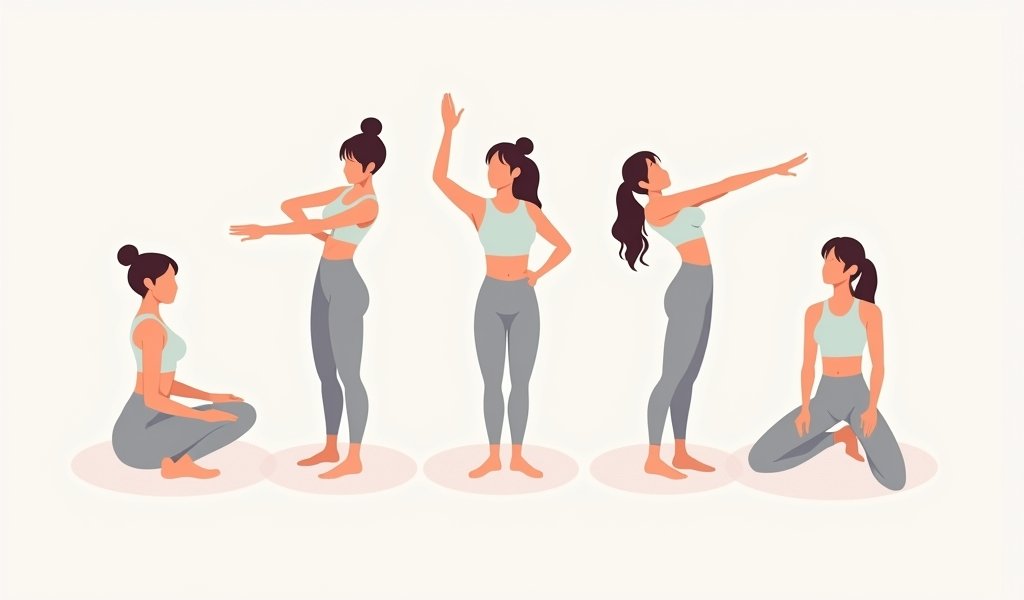
Exercise 1: Gentle Pendulum Swings
The pendulum swing is often my starting point for women with acute left shoulder pain because it gently mobilizes the joint without putting stress on inflamed tissues. This exercise uses gravity to create gentle traction in the shoulder joint – think of it as a way to create space and allow healing to begin.
How to perform:
- Stand with your right hand resting on a counter or sturdy chair for support
- Lean forward slightly at the waist, allowing your left arm to hang freely
- Keep your left arm relaxed (don’t engage those muscles!)
- Begin making small circles with your left arm, letting gravity do the work
- Start with clockwise circles for 30 seconds, then switch to counter-clockwise for 30 seconds
- As comfort allows, gradually increase the size of the circles
Pro tip: Many women instinctively tense their shoulders during this exercise. Check periodically that your shoulder isn’t hiking up toward your ear. The key is complete relaxation of the affected arm.
A 2020 study in the Journal of Orthopedic & Sports Physical Therapy found that incorporating pendulum exercises into a daily routine reduced shoulder pain by 28% after just two weeks in participants with mild to moderate shoulder impingement.
For best results, perform this gentle movement 3-4 times daily, especially when pain feels particularly acute. The beauty of pendulum swings is that you can do them anywhere – while brushing your teeth, waiting for coffee to brew, or during a quick break from work.
Exercise 2: Cross-Body Stretch
When the posterior (back) muscles of your shoulder become tight from activities like driving, computer work, or carrying heavy bags, this simple stretch can provide immediate relief. It specifically targets the posterior deltoid and teres minor muscles – common culprits in women’s shoulder pain.
How to perform:
- Start in a comfortable seated or standing position with good posture
- Bring your left arm across the front of your body at shoulder height
- Use your right hand to gently pull the left arm closer to your chest
- Hold for 30 seconds while breathing deeply
- Release and repeat 3 times
Key technique point: Apply pressure at your elbow, not your wrist. Pulling from the wrist creates leverage that could stress the shoulder joint rather than stretching the muscles.
Physical therapist Dr. Karen Litzy recommends this stretch for her female patients who spend significant time at computers. “The cross-body stretch is especially effective for countering the effects of prolonged keyboard work, which tends to internally rotate the shoulders,” she explains in her 2022 webinar series on occupational wellness.
For maximum benefit, perform this stretch twice daily – ideally mid-morning and mid-afternoon if you work at a desk. The gentle pressure should feel good, never painful. If you experience any sharp or shooting pain, reduce the intensity immediately.
Exercise 3: Wall Angels
Wall angels are a game-changer for women dealing with shoulder pain related to poor posture or muscular imbalances. This exercise strengthens the often-neglected muscles between your shoulder blades while training proper shoulder positioning.
How to perform:
- Stand with your back against a wall, feet about 6 inches from the baseboard
- Press your lower back, shoulders, and head against the wall
- Bend your elbows to 90 degrees with your arms in the “hands up” position
- Keeping your arms, elbows, and wrists touching the wall, slowly slide your arms up
- Raise until your hands are above your head (or as high as comfortable)
- Slowly return to the starting position
- Repeat 10 times
Common mistake to avoid: Many women arch their backs to compensate for tight chest muscles. Keep your lower back pressed against the wall throughout the movement – even if this means you can’t raise your arms very high initially.
A fascinating study from the University of Southern California in 2021 found that women who performed wall angels regularly for six weeks showed a measurable improvement in shoulder positioning and a 40% reduction in pain scores. Researcher Dr. James Thompson noted that “the exercise effectively retrains proper muscle firing patterns that are often disrupted by modern lifestyles.”
This exercise is ideal to incorporate into your morning routine. Just 2-3 minutes of wall angels daily can create lasting postural improvements that reduce strain on your left shoulder throughout the day.
Exercise 4: External Rotation with Resistance
The rotator cuff muscles are the unsung heroes of shoulder health, especially for women whose shoulder joints often have greater mobility (and thus require greater stability). This exercise specifically targets the external rotators – the muscles responsible for many everyday movements.
How to perform:
- Stand sideways next to a doorway or corner
- Bend your left elbow to 90 degrees with your forearm across your abdomen
- Place a small folded towel between your elbow and body
- Keeping your elbow pressed against the towel, slowly rotate your forearm outward
- Hold for 2 seconds at the end range
- Return slowly to the starting position
- Repeat 10-12 times
Progression: As strength improves, add resistance using a light resistance band or small hand weight. The movement should always feel controlled – quality trumps quantity here!
Dr. Marilyn Moffat, physical therapist and professor at New York University, emphasizes the importance of rotator cuff strengthening for women. In her 2022 clinical practice guidelines, she notes that women’s typically smaller rotator cuff muscles often need targeted strengthening to maintain proper shoulder mechanics.
For best results, perform this exercise every other day to allow for muscle recovery. You might feel a pleasant fatigue in the muscles around your shoulder blade – that’s exactly what we’re aiming for! This exercise is helping build the strength that will support your shoulder joint long-term.

Exercise 5: Modified Child’s Pose
This yoga-inspired movement creates a gentle stretch through multiple shoulder muscles simultaneously while promoting relaxation – something that’s particularly beneficial for women whose shoulder pain is exacerbated by stress. The modified approach makes it accessible even for those with limited flexibility.
How to perform:
- Start on hands and knees on a comfortable surface
- Place your hands slightly wider than shoulder-width apart
- Sit back toward your heels while keeping your arms extended
- Lower your chest toward the floor as your arms stretch forward
- Rest your forehead on the floor (or a pillow if needed)
- Breathe deeply, feeling the stretch across your shoulders and back
- Hold for 30-60 seconds
- Slowly return to starting position
Variation for deeper left shoulder focus: While in the pose, walk your fingertips slightly to the right. This creates a more intense stretch specifically for the left shoulder.
A study published in the International Journal of Yoga Therapy by Dr. Judith Hanson Lasater found that gentle, supported stretching positions held for extended periods were particularly effective for women experiencing chronic shoulder tension. The parasympathetic nervous system activation that occurs during this type of movement enhances the body’s natural healing processes.
This exercise makes a wonderful evening ritual, helping to release the accumulated tension of the day. Consider incorporating it into your bedtime routine to promote both physical wellness and better sleep – itself a crucial factor in pain management.
Preventive Tips for Shoulder Health
While these exercises are excellent for addressing existing pain, prevention is always preferable. Here are evidence-based strategies to protect your shoulders:
Ergonomic adjustments:
- Position your computer monitor at eye level
- Keep your elbows supported at 90 degrees when typing
- Use a hands-free headset for phone calls rather than cradling the phone
- Adjust car mirrors to promote upright posture while driving
Lifestyle modifications:
- Switch your purse or bag between shoulders regularly
- Opt for backpacks that distribute weight evenly across both shoulders
- Take microbreaks every 30 minutes during computer work
- Stay hydrated – dehydration can increase muscle tension
- Consider your sleeping position – avoid sleeping solely on one side
Movement habits:
- Practice “shoulder check-ins” throughout the day (Are they creeping up toward your ears?)
- Balance pushing activities (like push-ups) with pulling exercises (like rows)
- Add full-body movement like walking, swimming, or dancing to your routine
According to research published by the National Institutes of Health in 2021, women who implemented preventive strategies experienced 65% fewer shoulder pain episodes compared to those who only sought treatment after pain developed.
When to See a Doctor
While exercises can address many types of shoulder discomfort, certain symptoms warrant professional attention. Contact your healthcare provider if you experience:
- Severe pain that doesn’t improve with rest and gentle movement
- Pain accompanied by fever, redness, or warmth in the shoulder
- Inability to raise your arm or carry everyday objects
- Pain that wakes you from sleep consistently
- Left shoulder pain accompanied by chest pain, shortness of breath, or jaw pain (seek emergency care as these may indicate a heart attack, which presents differently in women than men)
- Pain following a fall or injury
- Visible deformity or significant swelling
Remember that early intervention often leads to better outcomes. Don’t hesitate to seek professional guidance if you’re uncertain about the cause or severity of your pain.
Conclusion
Left shoulder pain doesn’t have to become your constant companion. With these five targeted exercises – pendulum swings, cross-body stretches, wall angels, external rotations, and modified child’s pose – you have powerful tools to address discomfort and build resilience against future issues.
The key to success is consistency rather than intensity. Even five minutes of gentle, mindful movement daily can create significant improvements over time. Start where you are, be patient with your progress, and celebrate small victories along the way.
Remember that women’s bodies have unique needs and challenges when it comes to shoulder health. By understanding these distinctions and addressing them with targeted approaches, you can develop stronger, more resilient shoulders that support all the activities that matter in your life.
Your body has an incredible capacity to heal when given the right support. These exercises, combined with mindful habits throughout your day, create the optimal environment for that healing to occur. Here’s to shoulder comfort and the freedom of movement it brings!
Frequently Asked Questions
Why do women experience left shoulder pain more often than men?
Women typically have less muscle mass in the shoulder region and different joint structures that can lead to greater instability. Hormonal factors and carrying habits (purses, children) can also contribute to left-side predominance, especially in right-handed women.
Could my left shoulder pain be related to heart problems?
Yes, left shoulder pain can sometimes indicate heart issues, especially in women who often experience different heart attack symptoms than men. If shoulder pain is accompanied by chest discomfort, shortness of breath, nausea, or jaw pain, seek emergency medical attention immediately.
How long should I do these exercises before seeing improvement?
Most women notice some improvement within 2-3 weeks of consistent practice. Significant pain reduction typically occurs within 4-6 weeks, though individual results vary depending on the cause and severity of your condition.
Can I still work out if I have left shoulder pain?
Gentle movement is generally beneficial, but you should avoid exercises that cause pain or significantly increase discomfort. Modify activities that strain the shoulder and focus on low-impact options like walking, recumbent cycling, or lower body strength training until your shoulder improves.
Is it normal for the exercises to cause some discomfort?
Mild discomfort or a gentle stretching sensation is normal, but sharp or shooting pain is not. The exercises should feel like “good work” rather than punishment. If pain increases during or after exercise, reduce the intensity or consult a healthcare professional.