

Overview
Whoever said “beauty is pain” clearly got tattooed on their ribcage instead of their cushy buttocks! This article identifies the seven least painful body locations for tattoos—outer thigh, forearm, upper back, shoulder, calf, buttocks, and upper arm—while providing detailed preparation advice, aftercare instructions, and explaining how factors like skin thickness, fat padding, and nerve concentration influence tattoo pain levels.
Table of Contents
- Understanding Tattoo Pain: What To Expect
- Factors That Influence Tattoo Pain Levels
- 1. The Outer Thigh: Comfort Meets Canvas
- 2. The Forearm: Accessibility with Minimal Discomfort
- 3. The Upper Back: Spacious and Relatively Comfortable
- 4. The Shoulder: Popular for Good Reason
- 5. The Calf: Balance of Pain and Visibility
- 6. The Buttocks: Cushioned Canvas
- 7. The Upper Outer Arm: The Classic Tattoo Spot
- How to Prepare for Your Tattoo Experience
- Essential Aftercare for New Tattoos
- Conclusion: Finding Your Perfect Tattoo Placement
- Frequently Asked Questions
Understanding Tattoo Pain: What To Expect
When considering the least painful places to get a tattoo, it’s important to understand that tattoo pain is a highly individualized experience. As a health professional who has worked with numerous tattooed patients, I’ve observed firsthand how pain perception varies dramatically from person to person. What feels like a mild discomfort to one individual might be quite intense for another.
Tattoo pain occurs because the process involves a needle puncturing your skin repeatedly—typically between 50 to 3,000 times per minute. This needle deposits ink into the dermis, the second layer of your skin, which contains nerve endings that send pain signals to your brain. The sensation is often described as a combination of burning, scratching, and vibrating—somewhat akin to a cat scratch sunburn with added vibration.
Many first-time tattoo recipients are surprised to discover that the experience isn’t as painful as they anticipated. The body’s natural response to tattoo pain often includes releasing endorphins—your body’s natural pain relievers—which can create a mild euphoria that helps manage discomfort during longer sessions. This natural response is one reason why physical wellness practitioners often note that maintaining good overall health can improve your tattoo experience.
Factors That Influence Tattoo Pain Levels
Before we explore the least painful locations, let’s examine what makes some areas more sensitive than others. The primary factors influencing tattoo pain include:
- Skin thickness and fat padding – Areas with more subcutaneous fat and thicker skin typically hurt less
- Proximity to bones – Tattoos directly over bones usually cause more discomfort
- Nerve concentration – Regions with more nerve endings (like hands, feet, and face) are generally more painful
- Muscle density – Well-muscled areas often provide better padding and less pain
- Personal pain tolerance – Varies significantly between individuals
Your overall physical condition plays a crucial role too. Research has shown that stress, fatigue, hunger, and illness can lower your pain threshold. Even hormonal fluctuations can impact pain sensitivity—many tattoo artists report that women sometimes experience heightened sensitivity during menstruation.
The tattoo itself matters as well. Larger pieces require more time under the needle, while detailed work with shading and color typically causes more discomfort than simple line work. Your artist’s technique and equipment quality can also significantly affect your comfort level during the process.
1. The Outer Thigh: Comfort Meets Canvas
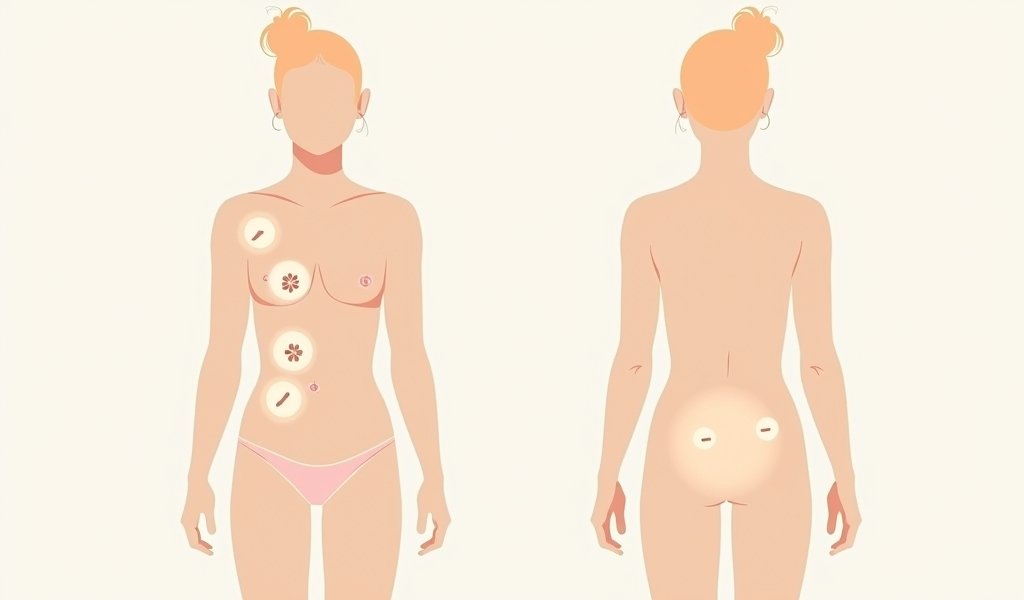
The outer thigh stands as perhaps the champion of comfortable tattoo locations. This area typically has substantial fat padding and muscle, creating excellent cushioning between the needle and any bones. The relatively thick skin and moderate nerve density result in minimal pain for most recipients.
From a clinical perspective, the outer thigh provides several advantages beyond comfort. The generous surface area allows for larger designs without crossing into more sensitive regions. The skin here also tends to maintain its elasticity well over time, which means your tattoo is likely to age gracefully with proper care and skin wellness practices.
Many of my patients report that tattoos in this location feel like a constant mild pressure or slight scratching sensation rather than acute pain. The outer thigh also heals relatively quickly compared to other body parts, with minimal interference in daily activities. Unlike tattoos on feet or hands, thigh pieces don’t require significant lifestyle adjustments during the healing process.
If you’re considering an outer thigh tattoo, be aware that the front of the thigh tends to be more sensitive than the outer area, so communicate clearly with your artist about placement. Most recipients rate outer thigh tattoo pain as 3-4 on a 10-point scale, making it an excellent choice for first-time tattoo experiences.
2. The Forearm: Accessibility with Minimal Discomfort
The forearm presents another excellent option for those concerned about pain. The inner forearm has moderate fat and muscle coverage, while the outer forearm provides even more padding. Neither area sits directly on bone, and the nerve concentration is relatively moderate compared to hands or wrists.
From my observations in clinical practice, forearm tattoos typically cause only mild to moderate discomfort. Most recipients describe the sensation as annoying rather than painful—similar to a cat scratch or sunburn. The outer forearm generally proves even less sensitive than the inner forearm, though both are considered low on the pain scale.
Beyond pain considerations, forearm tattoos offer practical advantages. The flat, accessible surface makes tattoo sessions more comfortable for both you and the artist. Visibility allows for easy aftercare monitoring, and healing tends to progress smoothly since the area isn’t subject to constant friction or movement like joints.
Many healthcare providers who have tattoos choose forearm placements because the area balances visibility with pain tolerance. According to sports medicine research, the forearm’s consistent muscle and fat distribution also helps maintain tattoo integrity during body composition changes, making it a wise choice for those who experience fluctuations in their physical condition.
3. The Upper Back: Spacious and Relatively Comfortable
The upper back offers a vast canvas with generally moderate pain levels. While certain spots near the spine or shoulder blades can prove more intense, most of the upper back area features good muscle coverage that buffers the sensation. This region’s relatively thick skin with fewer nerve endings contributes to a more tolerable experience.
In my professional experience counseling patients on body modification, I’ve noted that upper back tattoos typically rate around 4-5 on the pain scale—moderate but manageable for most people. The farther from the spine, the more comfortable the process tends to be. Areas directly over the shoulder blades or spine can spike in sensitivity, so discuss placement carefully with your artist.
The upper back presents unique advantages for larger, more elaborate designs. Its natural contours can enhance certain artistic styles, particularly those that complement the body’s natural movement. The skin here also tends to show less aging over time compared to areas frequently exposed to the sun, helping preserve your tattoo’s appearance with proper care.
One consideration with upper back tattoos is the aftercare challenge, as you’ll likely need assistance applying ointment and monitoring healing. However, this location benefits from minimal friction with clothing and isn’t exposed to constant movement, creating favorable healing conditions. Many recipients find that health and wellness routines that include good posture and back stretches can help minimize discomfort during the healing phase.
4. The Shoulder: Popular for Good Reason
The shoulder region earns its popularity as a tattoo location for sound anatomical reasons. With substantial muscle padding and relatively thick skin, the shoulder provides an excellent barrier between the needle and underlying bones. Most recipients report moderate discomfort that remains quite manageable throughout the session.
From a physiological perspective, the shoulder cap (deltoid muscle) offers particularly good cushioning. The sensation here is typically described as pressure or vibration rather than sharp pain. However, extending toward the collar bone or armpit increases sensitivity considerably. The sweet spot remains centered on the rounded muscle cap of the shoulder.
Beyond pain considerations, shoulders present several practical advantages. The curved surface creates a natural flow for designs, particularly tribal patterns or motifs that benefit from the shoulder’s contours. This location also allows for easy concealment when necessary while remaining visible when desired—a balance many professionals appreciate.
According to dermatological research, shoulder tattoos also tend to maintain their appearance well over time. The area experiences minimal stretching with weight fluctuations and has relatively low exposure to sun damage when compared to forearms or lower legs. Many healthcare professionals with tattoos choose shoulder placements specifically for this combination of moderate pain and excellent long-term results.
5. The Calf: Balance of Pain and Visibility
The calf muscle provides another excellent location for those seeking minimal tattoo pain. With substantial muscle mass and relatively fewer nerve endings than many other body parts, the calf offers a comfortable tattooing experience for most recipients. The thick skin and distance from bones further reduce discomfort during the process.
In my clinical observations, patients typically rate calf tattoos around 3-4 on the 10-point pain scale. The sensation is usually described as pressure with occasional sharp moments rather than consistent pain. The inner calf tends to be slightly more sensitive than the outer portion, though both sides remain among the more comfortable tattooing locations.
The cylindrical shape of the calf presents unique advantages for certain designs, particularly those that benefit from wrapping around the leg. The consistent muscle tone helps maintain tattoo appearance even with moderate weight fluctuations. However, those who regularly engage in high-impact activities should consider healing time, as excessive movement can prolong recovery.
From a practical standpoint, calf tattoos offer excellent visibility for the wearer while remaining easily concealable when necessary. The healing process generally proceeds smoothly, though elevation may be recommended to reduce swelling during the initial days. According to fitness medicine specialists, athletes with calf tattoos should plan their ink sessions during off-seasons to allow complete healing before returning to intensive training.
6. The Buttocks: Cushioned Canvas
The buttocks region stands out as perhaps the most naturally padded area for tattooing. With substantial fat deposits and large muscle mass creating distance between needle and bone, most recipients experience surprisingly minimal discomfort here. The thick skin and relatively low nerve concentration contribute to making this an exceptionally comfortable location.
Physiologically speaking, the gluteal region’s primary function as a cushion serves the same purpose during tattooing. Most patients report sensations closer to pressure or vibration rather than sharp pain, typically rating around 2-4 on the pain scale. The upper portion near the hips can be slightly more sensitive, while the central areas offer maximum comfort.
The buttocks provide an expansive canvas for larger designs and excellent privacy for those who prefer their art to remain personal. The minimal sun exposure in this region also helps tattoos maintain their vibrancy longer than more frequently exposed areas. Additionally, the skin here typically shows less aging effects over time.
From a healthcare perspective, healing in this region progresses well due to limited movement interference and friction. However, sitting can become uncomfortable during the initial healing phase, so planning for 2-3 days of modified sitting arrangements may be prudent. Those with desk jobs might consider scheduling their session before a weekend or brief vacation to accommodate the initial healing period comfortably.
7. The Upper Outer Arm: The Classic Tattoo Spot
The upper outer arm (or bicep/tricep area) has earned its status as a classic tattoo location through a perfect balance of visibility, canvas size, and moderate pain levels. The substantial muscle tissue provides excellent padding between needle and bone, while the skin thickness is ideal for ink retention with minimal discomfort.
In my professional assessment, upper arm tattoos typically register around 3-5 on the pain scale for most recipients. The outer portion generally proves more comfortable than the inner arm, particularly the inner bicep where sensitivity increases considerably. The tricep area falls somewhere in the middle—more sensitive than the outer bicep but less so than the inner arm.
This location offers significant practical advantages beyond pain considerations. The relatively flat surface makes for easier tattooing, while the natural muscle contours can enhance certain design elements. Healing progresses smoothly in this region as it experiences minimal friction and can be easily elevated if swelling occurs.
From a lifestyle perspective, upper arm tattoos provide excellent versatility. They can be displayed or concealed as the situation requires, and they generally age well with proper skincare. The moderate size limitations compared to back or thigh pieces make them less time-consuming to complete, which means less overall time experiencing discomfort during the tattooing process.
How to Prepare for Your Tattoo Experience
Proper preparation can significantly reduce discomfort regardless of your chosen location. From my experience counseling patients on body modification, I recommend these evidence-based approaches:
- Stay well-hydrated for at least 24 hours before your appointment (dehydrated skin is more sensitive)
- Eat a substantial meal 1-2 hours before your session to maintain stable blood sugar levels
- Avoid alcohol for at least 24 hours before your appointment as it thins blood and increases sensitivity
- Get plenty of rest the night before to ensure your pain tolerance is at its natural best
- Consider non-medicated numbing creams (discuss with your artist first as some may affect ink adhesion)
Arriving in comfortable, appropriate clothing makes a substantial difference. For leg tattoos, shorts or loose pants that can be easily rolled up prove ideal. Arm tattoos benefit from tank tops or short sleeves. Always plan your outfit based on accessibility to the tattoo location while maintaining modesty and comfort.
Mental preparation matters just as much as physical readiness. Many clients find that visualization techniques and controlled breathing exercises help manage discomfort during sessions. Bringing a distraction like music with headphones or an engaging conversation partner can significantly improve your experience. Remember that anxiety amplifies pain perception, so relaxation strategies pay dividends in comfort.
Importantly, communicate openly with your artist about your concerns. Experienced tattooers have numerous techniques to minimize discomfort, including adjusting needle depth and taking strategic breaks. According to pain management research, feeling in control of your experience significantly reduces perceived pain intensity.
Essential Aftercare for New Tattoos
Proper aftercare proves crucial regardless of tattoo placement. As a health professional, I emphasize that healing occurs from the inside out, and your body’s natural processes do most of the work. Your role involves creating optimal conditions for that healing while preventing complications.
During the first 24-48 hours, your tattoo requires careful attention:
- Keep the bandage applied by your artist in place for the recommended time (typically 2-24 hours)
- Wash gently with fragrance-free antimicrobial soap and lukewarm water
- Pat dry with clean paper towels (never rub or use cloth towels)
- Apply a thin layer of recommended ointment or specialized tattoo aftercare product
- Avoid tight clothing, excessive movement, and pressure on the area
For the subsequent 2-3 weeks, maintain consistent care. Wash the area 2-3 times daily with gentle soap and apply appropriate moisturizer. Avoid submerging in water (including pools, hot tubs, and natural bodies of water) until fully healed. Protect from direct sun exposure, which can fade your tattoo and irritate healing skin.
Watch for signs of infection or allergic reactions, including excessive redness, warmth, swelling, pus, or unusual pain. While some redness and swelling are normal initially, these symptoms should gradually improve rather than worsen. Contact your healthcare provider if you notice concerning symptoms or have questions about the healing process.
Patience proves essential during healing. Your tattoo will go through several stages, including possible itching, flaking, and scabbing—all normal parts of the process. Resist the urge to pick, scratch, or peel any scabs or flaking skin, as this can remove ink and potentially cause scarring. Complete healing typically takes 4-6 weeks, though deeper layers continue to settle for several months.
Conclusion: Finding Your Perfect Tattoo Placement
Selecting the least painful places to get a tattoo ultimately requires balancing personal pain tolerance with design needs and lifestyle considerations. The seven locations we’ve explored—outer thigh, forearm, upper back, shoulder, calf, buttocks, and upper arm—all offer relatively comfortable experiences compared to more sensitive areas like ribs, hands, or feet.
Remember that your individual anatomy and pain perception will influence your experience regardless of general guidelines. What proves mildly uncomfortable for one person might be quite painful for another. Open communication with your tattoo artist about concerns and expectations helps ensure the best possible experience.
Consider starting with smaller pieces in less sensitive areas if you’re new to tattoos. This approach allows you to gauge your personal pain tolerance while gaining confidence in the process. Many enthusiasts find that subsequent tattoos feel less painful as they become accustomed to the sensation.
Ultimately, a successful tattoo experience extends beyond pain management to include finding the right artist, design, and placement that resonates with your personal meaning and aesthetic preferences. The temporary discomfort of tattooing gives way to permanent art that can bring joy and self-expression for decades to come—making thoughtful planning well worth the effort.
Frequently Asked Questions
Do numbing creams actually work for tattoos?
Yes, topical numbing creams can reduce initial pain, though their effectiveness varies by person and typically diminishes after 1-2 hours. Always discuss using these products with your artist beforehand as some may affect ink adhesion.
Which hurts more—line work or shading?
Most recipients find line work sharper and more intense, while shading feels more like a burning or scratching sensation. Line work typically creates a more pronounced but briefer pain, whereas shading causes a more diffuse discomfort over longer periods.
Does tattoo size affect pain level?
Larger tattoos don’t necessarily hurt more per square inch, but they require longer sessions which can test your endurance. Many artists recommend breaking larger pieces into multiple sessions of 3-4 hours maximum to prevent pain tolerance from diminishing significantly.
Do men or women generally handle tattoo pain better?
Research shows no consistent difference in pain tolerance between genders during tattooing. Individual factors like sleep quality, stress levels, and previous pain experiences play much more significant roles than gender in determining pain tolerance.
Is there any way to build tattoo pain tolerance?
While you can’t directly “train” for tattoo pain, maintaining good physical health improves overall pain resilience. Regular exercise, proper hydration, adequate sleep, and stress management techniques can all contribute to better pain tolerance during your session.