

Overview
Looking to get inked without crying like a baby who dropped their protein shake? This article guides fitness enthusiasts through the least painful tattoo locations (outer arm, thigh, calf, upper back, forearm), proper timing around workouts, specialized aftercare, and popular fitness-themed designs, all while providing practical advice for maintaining your training schedule during the healing process.
Table of Contents
- Understanding Tattoo Pain: What Makes It Hurt?
- Least Painful Places to Get a Tattoo in 2024
- Fitness Considerations When Getting Tattooed
- Pain Management Techniques for Tattoo Sessions
- Tattoo Aftercare for Fitness Enthusiasts
- Popular Fitness-Themed Tattoo Designs for 2024
- Conclusion
- Frequently Asked Questions
Understanding Tattoo Pain: What Makes It Hurt?
For fitness enthusiasts considering their first tattoo, pain is often the primary concern. The relationship between fitness and body art has grown increasingly intertwined, with many gym-goers proudly displaying ink that represents their journey or motivations. Understanding what makes tattoos painful is the first step toward choosing a location that won’t disrupt your training schedule.
When a tattoo needle penetrates your skin, it creates micro-injuries that deposit ink beneath the surface. This process naturally triggers pain receptors and initiates an inflammatory response. However, not all areas of the body experience the same level of discomfort during tattooing.
Three key factors determine how painful a tattoo will be:
- Skin thickness – Areas with thicker skin generally hurt less as there’s more cushioning between the needle and nerve endings
- Nerve density – Locations with higher concentrations of nerve endings (fingers, inner wrists, feet) tend to be more sensitive
- Proximity to bone – When there’s minimal tissue between skin and bone, the vibration from the needle travels through the skeleton, creating additional discomfort
Individual pain tolerance also plays a significant role. What feels mildly uncomfortable to one person might be unbearable to another. According to a study on pain perception, factors like previous experiences, anxiety levels, and even gender can influence how we process pain.
For those committed to maintaining their physical wellness routine, strategic tattoo placement can mean the difference between a brief pause in training and a prolonged recovery period that derails progress.
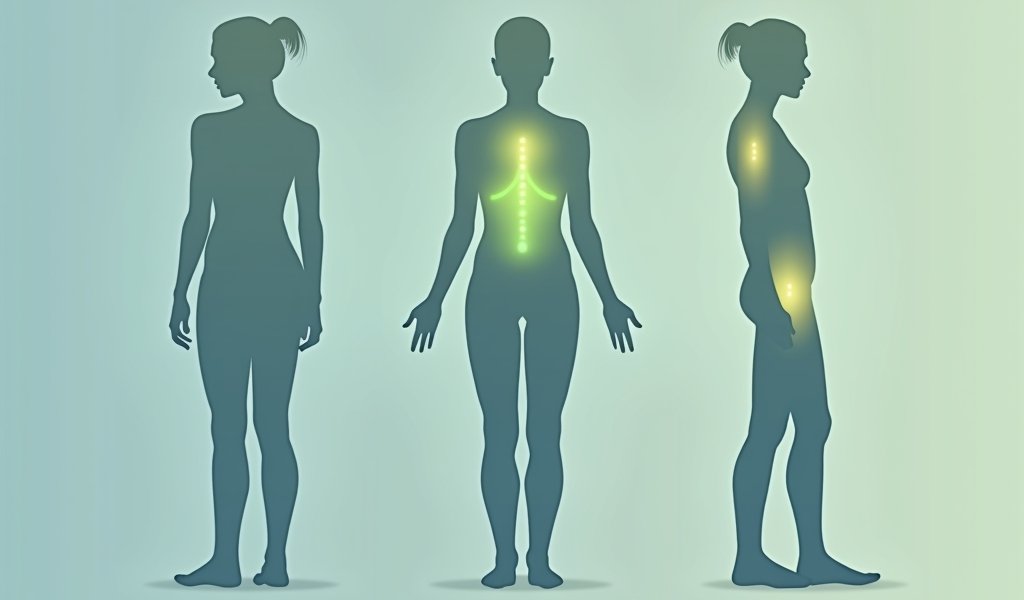
Least Painful Places to Get a Tattoo in 2024
If you’re looking to minimize discomfort while still showcasing meaningful body art, these locations offer the path of least resistance:
Outer Upper Arm/Shoulder
The outer bicep and deltoid region ranks among the least painful tattoo spots. With substantial muscle padding and relatively few nerve endings, this area provides an excellent introduction to tattoos. Most fitness enthusiasts can resume upper body training within 5-7 days, provided they avoid direct pressure on the tattoo.
This location also offers excellent visibility during tank top workouts, making it popular for motivational designs or fitness-related symbolism.
Outer Thigh
Those leg days have provided more than just strength and definition—they’ve created prime tattoo real estate. The outer thigh features thick skin with fewer nerve endings and plenty of muscle cushioning. The relatively flat surface also means less trauma during the tattooing process.
For athletes who regularly perform squats, lunges, or running, consider scheduling your thigh tattoo during a planned deload week to allow initial healing without disrupting training.
Calf Area
The gastrocnemius muscle provides excellent padding for tattoo work, resulting in moderate pain levels. Since calves aren’t typically involved in heavy stretching movements (compared to hamstrings or quadriceps), the healing process tends to be more comfortable.
Runners should plan calf tattoos during off-season periods, as the repetitive impact of running can slow healing and potentially affect ink settling.
Upper and Lower Back
The fleshy areas of the upper and lower back—away from the spine and shoulder blades—offer substantial space for larger designs with minimal discomfort. The thick skin and muscle in these regions provide natural cushioning against needle vibration.
Back tattoos are ideal for fitness enthusiasts who want significant artwork without daily visual exposure in professional settings. However, sleeping position adjustments may be necessary during initial healing phases.
Outer Forearm
While slightly more sensitive than the upper arm, the outer forearm still ranks among lower-pain locations. This area has become increasingly popular due to its visibility and moderate discomfort level. The forearm’s relatively flat surface means less trauma during application.
Weightlifters should be mindful that gripping movements can stretch the skin during healing, potentially extending recovery time. Wrist wraps or sleeves might be necessary to protect fresh ink during workouts.
Fitness Considerations When Getting Tattooed
Active individuals face unique challenges when getting tattooed. Your dedication to fitness requires additional planning to ensure both your tattoo and training schedule remain intact.
Timing Around Training
Strategic scheduling can minimize disruption to your regimen. Consider these guidelines:
- Schedule tattoos during planned recovery weeks or lighter training phases
- For competition athletes, the off-season provides ideal tattoo opportunities
- Allow 48-72 hours before resuming light activity that doesn’t directly impact the tattooed area
- Wait 7-10 days before returning to intense training involving the tattooed region
A tattoo creates an open wound that your body needs to heal. Excessive movement, stretching, or sweating can delay healing and potentially damage the artwork.
Movement Considerations
Different body parts experience varying degrees of movement during exercise:
- Joints and flexion points (inner elbow, behind knees) undergo constant stretching during workouts
- Areas with high friction from clothing or equipment (waistband region, upper back with backpacks) face additional irritation
- Regions with frequent contact against equipment (upper back for bench press, outer thighs for certain machines) require extra protection
Dr. James Miller, a sports medicine physician specializing in skin wellness for athletes, advises: “Consider how your preferred exercises might affect the healing tattoo. The less movement and friction the area experiences during your typical workout, the faster and more completely it will heal.”
Hygiene Factors
Fitness environments present unique challenges for fresh tattoos:
- Gym equipment harbors bacteria that could potentially cause infection
- Increased sweating can wash away healing ointments and irritate the tattoo
- Shared facilities like saunas, steam rooms, and pools should be avoided until fully healed (2-3 weeks minimum)
Taking extra precautions with tattoo hygiene is essential for active individuals who can’t completely avoid exercise environments during healing.
Pain Management Techniques for Tattoo Sessions
Even when choosing less painful locations, some discomfort is inevitable. These techniques can help manage pain during your tattoo session:
Pre-Tattoo Preparation
- Hydrate thoroughly in the 24 hours before your appointment
- Consume a balanced meal 1-2 hours prior (low blood sugar increases pain sensitivity)
- Avoid alcohol for 24-48 hours beforehand (it thins blood and increases sensitivity)
- Get adequate sleep the night before (fatigue amplifies pain perception)
- Consider natural anti-inflammatory foods like turmeric, ginger, or tart cherry in the days before
During Your Session
The mental strategies that help you push through challenging workouts can also help during tattooing:
- Practice controlled breathing similar to what you might use during intense exercise
- Employ distraction techniques through conversation or music
- Request breaks when needed—most artists understand the need for occasional pauses
- Stay hydrated throughout longer sessions
Numbing creams containing lidocaine are available, though opinions on their use vary among tattoo artists. Some believe they can affect how the skin takes ink, while others consider them helpful for particularly sensitive areas. Always consult with your artist before applying any numbing product.
Fitness enthusiasts may find their pain tolerance already elevated from regular training. The endorphin response triggered by exercise shares similarities with the body’s natural reaction to tattoo pain, potentially providing a slight advantage.

Tattoo Aftercare for Fitness Enthusiasts
Active individuals need specialized aftercare strategies to balance healing with their training needs:
Modified Workout Timeline
Follow this general timeline for returning to activity:
- 0-48 hours: Complete rest from exercise (focus on initial healing)
- 3-5 days: Light cardio avoiding excessive sweating near the tattoo
- 5-7 days: Moderate training avoiding direct impact to the tattooed area
- 10-14 days: Gradual return to normal training with protection
- 3-4 weeks: Resume swimming, hot tubs, or activities with full submersion
Listen to your body and observe the tattoo’s healing progress. If you notice increased redness, swelling, or oozing after workouts, scale back your training intensity.
Protection During Workouts
When returning to training with a healing tattoo:
- Apply a thin layer of approved healing ointment before exercise
- Cover with a breathable, non-adhesive bandage during workouts
- Wear loose-fitting, moisture-wicking clothing over the area
- Place clean towels between the tattoo and shared equipment
- Shower immediately after exercise to cleanse the area
- Reapply appropriate aftercare products following cleansing
According to tattoo aftercare specialist Sarah Chen, “Athletes should be particularly vigilant about keeping tattoos clean during the healing phase. The combination of sweat, friction, and exposure to gym environments creates additional infection risks that can be mitigated with proper protection and hygiene.”
Nutrition for Optimal Healing
Support your body’s healing process through nutrition:
- Increase protein intake slightly to support skin repair
- Consume vitamin C-rich foods to promote collagen production
- Stay well-hydrated to support skin elasticity and healing
- Consider zinc-rich foods which play a role in wound healing
These nutritional strategies align perfectly with a holistic guide to wellness approach that supports both your fitness goals and tattoo healing simultaneously.
Popular Fitness-Themed Tattoo Designs for 2024
This year’s trends merge aesthetics with meaningful symbolism that resonates with the fitness community:
Minimalist Designs
Clean, simple designs continue to dominate the fitness tattoo landscape:
- Single-line illustrations of dumbbells, barbells, or kettlebells
- Heartbeat patterns incorporating mountains or weights
- Simple geometric animal representations symbolizing strength (wolf, lion, bear)
- Minimalist compass or arrow designs representing direction and purpose
Motivational Elements
Words and phrases that drive performance remain popular:
- Single words like “Persevere,” “Endure,” or “Discipline” in elegant scripts
- Roman numerals representing significant dates (first competition, personal milestones)
- Short mantras like “Pain is temporary” or “Strength through struggle”
- Coordinates of meaningful locations (first marathon, favorite hiking trail)
Achievement Commemorations
Celebrating milestones through permanent art continues to grow:
- Topographic outlines of significant race courses
- Personal records presented in artistic formats
- Chemical structures of endorphins, dopamine, or adrenaline
- Stylized representations of mountains climbed or distances conquered
According to research on athletic identity, tattoos often serve as physical manifestations of the commitment athletes feel toward their discipline, creating permanent reminders of the values that drive their training.
Conclusion
Choosing the least painful place to get a tattoo involves balancing aesthetic preferences with practical considerations about your fitness routine. The outer upper arm, thigh, calf, upper back, and outer forearm offer excellent canvas options with minimal discomfort for most individuals.
Remember that your experience as a fitness enthusiast brings unique considerations to tattoo planning. Proper timing around training cycles, appropriate protection during workouts, and diligent aftercare can ensure your new ink heals beautifully without derailing your fitness progress.
The intersection of fitness and body art continues to grow as more athletes choose to commemorate their journeys, motivations, and achievements through meaningful designs. By selecting lower-pain locations and following specialized aftercare for active individuals, you can enjoy the best of both worlds—maintaining your training schedule while adding meaningful artwork to your physique.
After all, both fitness and tattoos represent commitment to personal expression and growth. With thoughtful planning and proper care, your new tattoo can become not just decoration, but motivation for the next phase of your fitness journey.
Frequently Asked Questions
What is absolutely the least painful place to get a tattoo?
The outer upper arm/shoulder area is typically considered the least painful tattoo location. It combines thick skin, muscle padding, and fewer nerve endings for a more comfortable experience.
How long should I wait to exercise after getting a tattoo?
Wait at least 48-72 hours before resuming light exercise that doesn’t affect the tattooed area. For workouts directly involving the tattooed region, wait 7-10 days for initial healing.
Can I use numbing cream before getting a tattoo?
Numbing creams can help reduce tattoo pain, but always consult your artist first. Some artists believe numbing products can affect how the skin takes ink, particularly for detailed work.
Are ankle tattoos painful despite being small?
Despite their small size, ankle tattoos can be quite painful due to thin skin and proximity to bone. The lack of muscle padding in this area means you’ll feel more vibration from the needle.
Which tattoo locations heal fastest for active people?
Areas with stable skin that don’t stretch much during exercise typically heal fastest, such as outer upper arms and outer thighs. These locations experience less friction from movement and clothing during workouts.