

## Overview
Ever wondered if there’s a way to ditch your razor without embracing your inner Sasquatch? This article offers a dermatologist’s perspective on laser pubic hair removal, covering everything from how the technology works and what to expect during treatment to potential side effects, costs, and candidate suitability, ultimately positioning laser treatment as a safe, effective long-term solution for those tired of constant maintenance and irritation from traditional hair removal methods.
The Ultimate Guide to Laser Treatment for Pubic Hair Removal: Safe, Effective, and Long-lasting
Considering a more permanent solution for pubic hair removal? Laser treatment offers a long-term alternative to the endless cycle of shaving, waxing, and plucking. As a dermatologist who’s performed thousands of these procedures, I’ve seen firsthand how laser treatments can transform both skin health and personal confidence. This comprehensive guide covers everything you need to know about laser pubic hair removal—from how it works to what results you can realistically expect.
Table of Contents
- Understanding Laser Hair Removal for the Pubic Area
- How Laser Pubic Hair Removal Works
- Benefits and Advantages of Laser Treatment
- Preparing for Your Laser Treatment
- What to Expect During and After Treatment
- Potential Side Effects and How to Minimize Them
- Who is an Ideal Candidate?
- Cost Considerations and Treatment Plans
- Choosing the Right Provider
- At-Home Alternatives: Do They Work?
- Conclusion: Is Laser Pubic Hair Removal Right for You?
- Frequently Asked Questions
Understanding Laser Hair Removal for the Pubic Area
Laser hair removal for the pubic area has become increasingly popular as more people seek long-lasting solutions to unwanted hair. Unlike temporary methods such as shaving or waxing, laser treatment targets the hair follicles directly, offering a semi-permanent to permanent reduction in hair growth.
The pubic region presents unique challenges compared to other body areas. The hair is typically coarser, denser, and the skin more sensitive. Additionally, this area has more hormone-responsive hair follicles, which can affect treatment outcomes. Understanding these distinctions is crucial for setting realistic expectations.
When performed by qualified professionals at a reputable skin wellness center, laser pubic hair removal is both safe and effective. Modern technologies have made treatments more comfortable and suitable for a wider range of skin tones than ever before.
How Laser Pubic Hair Removal Works
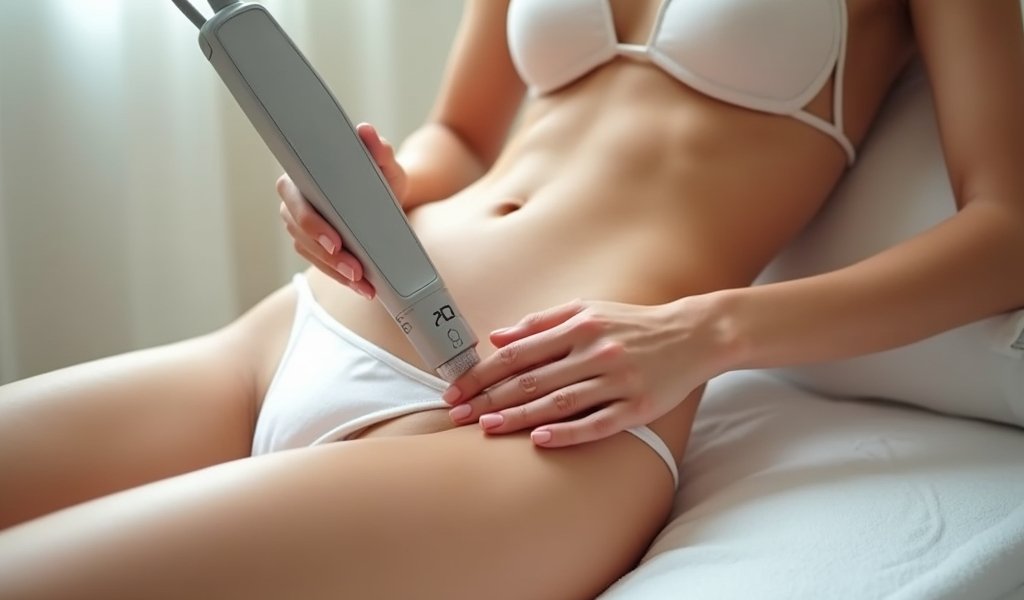
Laser hair removal works on a simple yet sophisticated principle: selective photothermolysis. This scientific term describes how the laser targets specific structures (in this case, hair follicles) while leaving surrounding tissue unharmed.
During treatment, the laser emits a concentrated beam of light that’s absorbed by the melanin (pigment) in the hair follicles. This light energy converts to heat, effectively damaging the follicle and inhibiting future hair growth. The process is precise—targeting only the actively growing hair follicles while leaving the skin intact.
Different laser types are available for pubic hair removal, each with specific benefits:
- Alexandrite lasers: Effective for light to olive skin tones
- Nd:YAG lasers: Safer for darker skin tones
- Diode lasers: Versatile across many skin types
- IPL (technically not a laser, but a related technology): Works best on high-contrast situations (dark hair, light skin)
Research has demonstrated that these technologies can reduce hair by 70-90% after a complete treatment series, though results vary based on individual factors like hormone levels and hair characteristics.
Benefits and Advantages of Laser Treatment
Laser treatment for pubic hair removal offers numerous advantages over traditional methods, making it a worthwhile investment for many people. Let’s explore the key benefits that make this option increasingly popular:
Long-lasting Results
Perhaps the most compelling reason to choose laser treatment is the longevity of results. While not absolutely permanent, most patients experience significant reduction lasting years, with only occasional touch-up treatments needed. Compare this to shaving (daily), waxing (every 4-6 weeks), or depilatory creams (weekly), and the time-saving benefit becomes clear.
Reduced Ingrown Hairs
The pubic region is particularly prone to painful, sometimes infection-prone ingrown hairs. Laser treatment dramatically reduces or eliminates this common problem by preventing hair regrowth altogether. For those who’ve struggled with recurrent folliculitis or “razor bumps,” this benefit alone can be life-changing.
Precision and Customization
Modern laser treatments offer unprecedented precision. Whether you’re looking for complete removal or just thinning and shaping of the pubic area, a skilled practitioner at a wellness clinic near me can customize the treatment to achieve your specific goals.
Improved Skin Texture
Many patients notice improved skin texture and tone after completing laser treatments. Without constant irritation from shaving or waxing, the sensitive pubic skin often becomes smoother and less prone to discoloration.
According to the American Academy of Dermatology, laser hair removal is one of the most commonly performed cosmetic procedures in the United States, with high satisfaction rates among patients who complete the recommended course of treatment.
Preparing for Your Laser Treatment
Proper preparation maximizes results and minimizes discomfort during laser pubic hair removal. Follow these guidelines before your appointment:
6 Weeks Before Treatment
- Avoid sun exposure to the treatment area
- Discontinue any tanning products
- Consult with your provider about any medications you’re taking (particularly photosensitizing drugs)
Sun exposure can increase the risk of complications, so diligent sun protection is essential. Wearing loose-fitting underwear and clothing helps prevent further irritation to the area.
2 Weeks Before Treatment
- Stop using retinoids and other aggressive skincare products in the area
- Avoid chemical peels or other treatments that might sensitize the skin
24-48 Hours Before Treatment
- Shave the treatment area (but don’t wax, pluck, or use depilatory creams)
- Cleanse the area thoroughly
- Avoid applying lotions, perfumes, or deodorants to the area
Shaving is important because the laser targets hair in the follicle, not above the skin. Having surface hair can cause superficial burns and reduce the effectiveness of the treatment.
Your provider may prescribe a numbing cream to apply before your appointment, especially for the first session when sensitivity may be higher. Always follow their specific instructions carefully.
What to Expect During and After Treatment
Knowing what happens during and after laser treatment helps reduce anxiety and ensures you’re properly prepared for the experience. Let’s walk through the typical process:
During the Treatment
Upon arrival at the clinic, you’ll change into appropriate garments and be provided with protective eyewear. The practitioner will apply a cooling gel to the treatment area, which helps protect the skin and improves laser transmission.
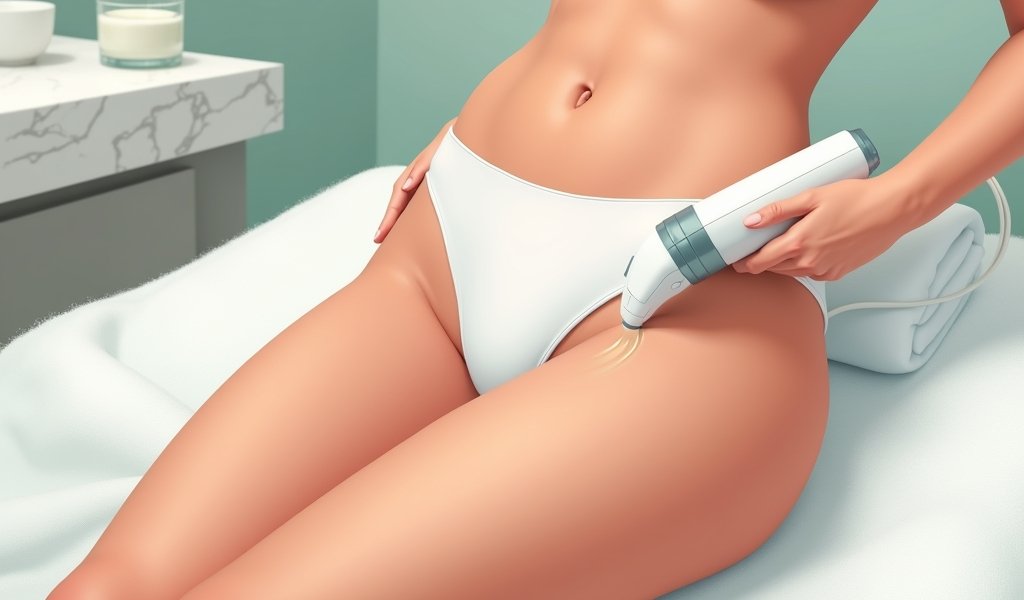
During the actual laser application, you’ll feel a sensation often described as a “snapping rubber band” against your skin. Each pulse of the laser treats a small area, and the technician will work methodically across the entire treatment zone. Modern devices include cooling mechanisms that minimize discomfort.
A full pubic area treatment typically takes between 15-30 minutes, though this varies based on the extent of the area being treated. Brazilian-style treatments (which include the labia and perianal regions) may take longer than a simple bikini line treatment.
Immediately After Treatment
Post-treatment, your skin may appear red and feel warm, similar to a mild sunburn. Your provider will likely apply a soothing gel or lotion to calm the skin. This redness typically subsides within a few hours to a day.
You might notice what appears to be continued hair growth after treatment. Don’t worry—this is actually the treated hair being shed from the follicles, which can take 1-3 weeks to complete.
The Days Following
For the first 48 hours after treatment, you should:
- Avoid hot showers, baths, saunas, or hot tubs
- Skip intense workouts that cause excessive sweating
- Wear loose-fitting clothing to prevent friction
- Apply recommended soothing products
- Use broad-spectrum sunscreen if the area might be exposed to sunlight
Some patients experience what looks like “stubble” as the dead hair shafts push out of the follicles. Gentle exfoliation after the initial 48-hour recovery period can help this process along.
Potential Side Effects and How to Minimize Them
While laser pubic hair removal is generally safe, being informed about possible side effects allows you to recognize normal reactions versus complications requiring medical attention.
Common and Temporary Side Effects
- Redness and swelling: Usually subsides within 24 hours
- Mild discomfort: Similar to a sunburn sensation
- Temporary hyperpigmentation: Darkening of treated skin that fades over time
- Skin dryness or flaking: Usually responds well to gentle moisturization
Less Common Side Effects
- Blistering: More likely with darker skin tones if improper laser settings are used
- Hypopigmentation: Lightening of the skin that may be temporary or permanent
- Paradoxical hypertrichosis: Rare condition where laser stimulates more hair growth
- Scarring: Very uncommon with proper technique and aftercare
Minimizing Risks
To reduce your risk of complications:
- Choose a qualified, experienced provider
- Be completely honest about your medical history
- Follow all pre and post-treatment instructions precisely
- Report any unusual reactions promptly
- Complete a patch test before full treatment if you have concerns
The FDA provides guidance on selecting safe devices and providers for laser hair removal, emphasizing the importance of working with qualified professionals.
Who is an Ideal Candidate?
While laser technology has advanced considerably, certain factors still influence treatment success. Understanding whether you’re an ideal candidate can help set realistic expectations.
Favorable Factors
Traditionally, the best candidates have:
- High contrast between hair and skin color (dark hair on lighter skin)
- Coarse, thick hair (responds better to laser energy)
- Good overall health without photosensitizing conditions
- No recent tanning or sun exposure
- Stable hormonal status (not pregnant or undergoing significant hormonal changes)
However, technological advances have made treatment more accessible to a wider range of people.
Challenging Factors
Some situations may reduce effectiveness or require specialized approaches:
- Very light, gray, red, or blonde hair (lacks sufficient melanin to attract laser energy)
- Very dark skin (requires specific lasers like Nd:YAG to avoid complications)
- Hormonal conditions like PCOS (may require ongoing maintenance)
- Certain skin conditions in the treatment area
- History of keloid scarring
Even with challenging factors, partial results may be achievable. A consultation with a specialist who offers spa and wellness gift card options can help determine your specific situation.
Recent research continues to improve options for patients with blonde or red hair through combined approaches or newer technology.
Cost Considerations and Treatment Plans
Laser pubic hair removal represents an investment in long-term convenience and comfort. Understanding the costs involved helps you plan appropriately.
Average Pricing
Costs vary significantly based on:
- Geographic location (metropolitan areas typically charge more)
- Provider expertise and credentials
- Facility type (medical spas vs. dermatologist offices)
- Technology used (newer machines often command premium prices)
- Treatment area size (bikini line vs. full Brazilian)
Generally, expect to pay between $200-$500 per session for pubic area treatments. Most patients require 6-8 sessions for optimal results, bringing the total investment to approximately $1,200-$4,000.
Package Deals and Financing
Many providers offer package discounts when you purchase multiple sessions upfront, typically saving 15-30% compared to per-session pricing. Some facilities also provide financing options or membership programs that make treatments more affordable.
While the initial investment may seem substantial, consider the lifetime costs of alternative hair removal methods. Between razors, waxing appointments, and products, traditional methods can easily exceed the cost of laser treatment over 5-10 years.
Insurance Considerations
Most insurance plans consider laser hair removal cosmetic and don’t provide coverage. However, in certain cases where excessive hair growth is caused by medical conditions like PCOS or other endocrine disorders, partial coverage may be possible with proper documentation from your physician.
Choosing the Right Provider
The success and safety of your laser pubic hair removal depends significantly on who performs it. Here’s how to select a qualified provider:
Credentials to Look For
- Board-certified dermatologists or plastic surgeons
- Registered nurses with specialized laser training
- Licensed medical aestheticians (working under physician supervision)
- Certification from recognized laser organizations
Be wary of facilities that allow untrained staff to operate laser devices. In the sensitive pubic area, expertise is particularly important.
Questions to Ask Potential Providers
- What type of laser do you use, and why is it appropriate for my skin and hair type?
- How many pubic area treatments have you personally performed?
- Can I see before and after photos of your patients?
- What’s your protocol for addressing complications?
- Do you perform a patch test before proceeding with full treatment?
A reputable provider will welcome these questions and provide thorough, transparent answers. They should also conduct a detailed medical history before proceeding with treatment.
Red Flags to Watch For
Be cautious if you encounter:
- Unusually low prices (significantly below market average)
- Providers who promise complete, permanent hair removal after just 1-2 sessions
- Facilities that don’t ask about your medical history or medications
- Staff who can’t clearly explain the technology being used
- High-pressure sales tactics for packages or additional services
At-Home Alternatives: Do They Work?
The market for at-home laser and IPL hair removal devices has expanded rapidly, promising professional-like results at a fraction of the cost. But how do they compare for pubic hair removal?
Limitations of At-Home Devices
At-home devices differ from professional equipment in several key ways:
- Lower power output (for safety reasons)
- Limited technology options (usually only IPL)
- Fewer built-in safety features
- No professional oversight during use
These limitations are particularly significant for pubic hair removal, where skin is sensitive and proper technique is crucial.
Safety Concerns
Using at-home devices on the pubic area carries specific risks:
- Increased potential for burns due to the skin’s sensitivity
- Difficulty reaching all areas safely and effectively
- Greater risk of complications in this delicate region
- Most manufacturers specifically warn against using their devices on genital areas
Effectiveness Comparison
When used strictly for the bikini line (not inner labia or perianal areas), some at-home devices may provide modest results after consistent use. However, expectations should be tempered:
- Hair reduction rather than removal is the more likely outcome
- More sessions are typically required compared to professional treatments
- Results are generally less comprehensive and shorter-lasting
- Not all hair and skin types respond well to at-home technology
Studies comparing professional and at-home devices consistently show superior results with professional treatments, particularly for coarse hair in sensitive areas.
Conclusion: Is Laser Pubic Hair Removal Right for You?
Laser treatment for pubic hair removal offers a compelling solution for those tired of the constant maintenance, irritation, and limitations of traditional hair removal methods. With its long-lasting results, reduction in ingrown hairs, and the convenience of smooth skin without daily effort, it’s no wonder this treatment continues to grow in popularity.
The decision to pursue laser pubic hair removal should be based on several personal factors: your hair and skin characteristics, budget considerations, comfort with the procedure, and realistic expectations about results. For most people with dark hair, even those with deeper skin tones (using appropriate technology), significant and lasting hair reduction is achievable.
Remember that success depends on choosing a qualified provider, following pre and post-treatment guidelines precisely, and committing to the recommended number of sessions. While the investment of time and money is front-loaded, many patients find the years of freedom from razor burn, waxing pain, and daily maintenance well worth it.
If you’re considering this treatment, start with a consultation at a reputable facility. Bring your questions, discuss your goals openly, and make an informed decision based on professional advice tailored to your specific situation.
Frequently Asked Questions
How many laser treatments will I need for the pubic area?
Most people require 6-8 treatments spaced 4-6 weeks apart for optimal results. Hormonal areas like the pubic region may require occasional maintenance sessions annually.
Is laser hair removal painful in the pubic area?
Most patients describe the sensation as moderate discomfort similar to a rubber band snap. Numbing creams can be applied before treatment to minimize discomfort.
Can I get laser treatment during my period?
It’s possible but not ideal, as the area may be more sensitive. Many providers prefer to reschedule if you’re experiencing heightened sensitivity due to menstruation.
Is laser hair removal safe for intimate areas?
Yes, when performed by qualified professionals using appropriate equipment. The technology has been safely used for decades with minimal risk when proper protocols are followed.
Will all the hair be gone forever?
Laser provides permanent hair reduction rather than permanent removal. Most patients experience 70-90% reduction after a full course, with occasional maintenance needed for some.