
Overview
When your ACL decides to throw in the towel with that dreaded “pop,” finding the right knee brace becomes your new part-time job! This guide evaluates seven top ACL tear braces—from the premium DonJoy Armor to budget-friendly options like NEENCA Professional—while emphasizing the importance of matching your brace to your recovery phase, lifestyle needs, and complementing it with proper rehabilitation, nutrition, and psychological support.
Table of Contents
- Understanding ACL Injuries and Recovery
- The Importance of Proper Knee Support
- Key Features to Look for in ACL Tear Braces
- 7 Top Knee Braces for ACL Tear Recovery
- How to Choose the Right Brace for You
- Complementary Recovery Strategies
- Conclusion
- Frequently Asked Questions
Dealing with an ACL tear is like having your body’s internal support system suddenly go offline. That telltale “pop” followed by swelling and instability marks the beginning of a challenging recovery journey. The good news? With proper support, specifically the right knee support ACL tear brace, you can navigate this journey more comfortably and potentially accelerate your healing process.
As someone who’s guided countless patients through ACL rehabilitation, I’ve seen firsthand how the right brace can make all the difference between a frustrating recovery and one that progresses smoothly. Whether you’re an athlete eager to return to your sport or someone who simply wants to regain normal mobility, finding the appropriate knee support is crucial.
In this comprehensive guide, we’ll explore seven proven knee braces that provide exceptional support for ACL tears. I’ll share insights from my clinical experience and feedback from patients who’ve successfully used these products during their recovery. Let’s get you back on your feet with confidence!
Understanding ACL Injuries and Recovery
Before diving into brace options, let’s understand what we’re dealing with. The anterior cruciate ligament (ACL) is one of four major ligaments in your knee, responsible for stabilizing the joint during rotational movements. When torn, it significantly compromises knee stability.
ACL tears typically occur during sudden stops, changes in direction, or awkward landings. They’re particularly common in sports like soccer, basketball, and skiing. The rehabilitation process generally spans 6-9 months, with full recovery sometimes taking up to a year.
The recovery journey typically includes:
- Initial phase (0-2 weeks): Reducing swelling and pain
- Early rehabilitation (2-6 weeks): Regaining range of motion
- Intermediate phase (6-12 weeks): Building strength
- Advanced rehabilitation (3-6 months): Sport-specific training
- Return to activity (6+ months): Gradual reintroduction to full activity
Throughout this journey, proper knee support plays a vital role in protecting the healing ligament while allowing appropriate movement for rehabilitation. That’s where finding the right knee brace becomes essential for your physical wellness.
The Importance of Proper Knee Support
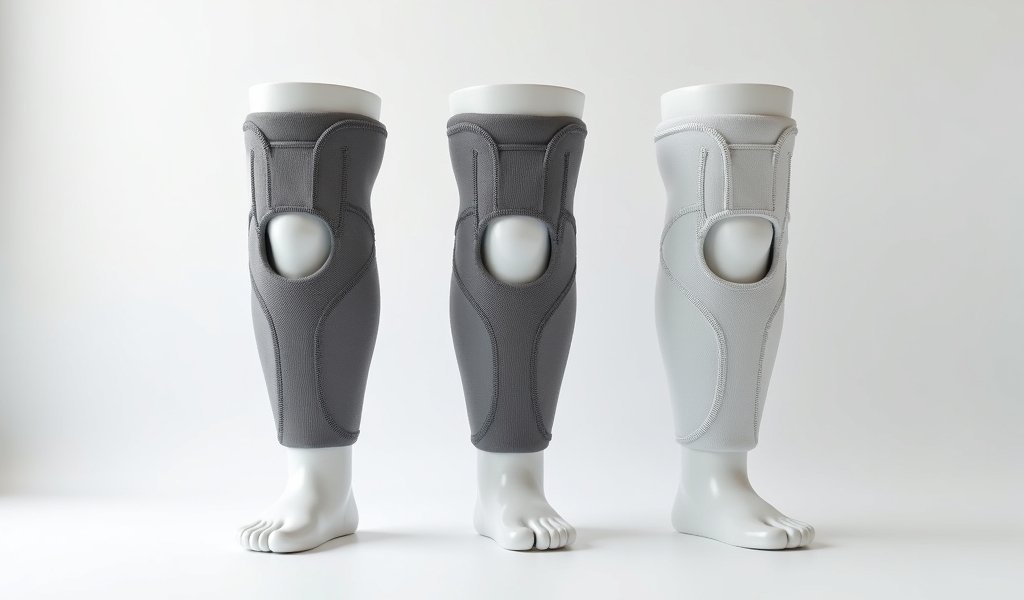
Think of an ACL brace as scaffolding for your knee during reconstruction. It provides external support while your internal structures heal and strengthen. Quality knee support after an ACL tear offers several critical benefits:
First, it limits harmful movements—particularly the pivoting and rotational motions that can re-injure a healing ACL. By constraining these movements, a good brace creates a safer environment for recovery.
Second, proper support can reduce pain and swelling by distributing forces more evenly across the knee joint. This comfort factor isn’t just about feeling better—it’s about enabling you to engage more fully in your rehabilitation exercises.
Third, and perhaps most importantly, the right brace provides psychological reassurance. The confidence to move without fear of re-injury is invaluable during recovery. Many patients report that their brace gives them the mental security to progress through rehabilitation milestones more confidently.
Finally, research shows that appropriate bracing can potentially speed recovery by allowing safe, controlled movement earlier in the rehabilitation process. This controlled mobility is crucial for preventing muscle atrophy and maintaining joint health.
Key Features to Look for in ACL Tear Braces
Not all knee braces are created equal, especially when it comes to supporting a healing ACL. Here are the essential features to consider:
Stability Mechanism
The primary function of an ACL brace is providing stability. Look for designs with hinged supports that prevent excessive rotation and anterior tibial translation (the forward movement of the shin bone that a healthy ACL would normally control).
The most effective braces use a four-point leverage system that mimics the natural restraints of your knee ligaments. This design provides resistance at strategic points around the knee to prevent harmful movements without restricting beneficial ones.
Comfort and Wearability
Even the most technically perfect brace is useless if it’s too uncomfortable to wear consistently. Quality padding, breathable materials, and anatomical design make the difference between a brace that helps and one that collects dust in your closet.
Consider how the brace feels during extended wear. Will you be able to tolerate it during your daily activities? Remember that consistency is key—a slightly less supportive brace that you’ll actually wear is better than a “perfect” one that’s too uncomfortable.
Adjustability
Your needs will change throughout recovery, so look for a brace with adjustable features. Straps that can be tightened or loosened, removable components, and adjustable hinges allow your brace to evolve with your healing process.
Activity Level Compatibility
Different braces are designed for different activity levels. Some provide maximum protection for high-impact activities, while others offer moderate support with greater flexibility for daily wear. Be honest about your activity goals when selecting your brace.
According to orthopedic specialists, matching your brace to your activity level is crucial for optimal protection and recovery.
7 Top Knee Braces for ACL Tear Recovery
Based on clinical effectiveness, patient feedback, and quality of design, these seven braces stand out as excellent options for ACL tear recovery. Each offers distinct advantages for different recovery stages and lifestyle needs.
1. DonJoy Armor Knee Brace
The DonJoy Armor is widely considered the gold standard in ACL protection, particularly for athletes returning to high-demand activities. Its aircraft-grade aluminum frame provides exceptional stability while remaining relatively lightweight.
The four-point leverage system effectively prevents the tibial translation that stresses a healing ACL. Many orthopedic surgeons specifically recommend this brace for patients returning to pivoting sports like soccer, basketball, and football.
Best for: Late-stage recovery and return to sports, especially for athletes in high-risk activities
Pros:
- Exceptional rotational stability
- Durable construction for athletic demands
- Customizable fitting options
Cons:
- Premium price point
- Bulkier than some alternatives
- May require professional fitting for optimal performance
2. Bauerfeind GenuTrain P3
The Bauerfeind GenuTrain P3 takes a different approach to knee support with its medical-grade compression knit and specialized patellar support system. This German-engineered brace excels at providing moderate stability with exceptional comfort.
Its proprietary viscoelastic pad system helps guide proper patellar tracking while providing targeted compression to reduce swelling. The breathable knit material makes it comfortable for all-day wear, even in warmer climates.
Best for: Early to mid-recovery phases, daily wear, and patients who prioritize comfort
Pros:
- Superior comfort for extended wear
- Medical-grade compression aids circulation
- Discreet profile works under most clothing
Cons:
- Less rigid support than hinged braces
- Higher price point
- Not ideal for high-impact activities
3. Breg Fusion XT
The Breg Fusion XT strikes an excellent balance between robust protection and wearability. Its low-profile frame provides significant stability without the bulk of some competitors. The moisture-wicking padding and ventilated design make it more comfortable during active use.
What sets this brace apart is its innovative hinge technology that tracks with your knee’s natural movement patterns. This design helps prevent the migration issues (brace slipping) that plague many knee supports during activity.
Best for: Mid to late recovery phases, particularly for active individuals needing all-day support
Pros:
- Excellent balance of support and comfort
- Anti-migration features keep it properly positioned
- Lower profile than many rigid braces
Cons:
- Moderate learning curve for proper adjustment
- Mid-tier price point
- Limited color options
4. McDavid 429X
The McDavid 429X makes advanced bracing technology more accessible with its innovative hinge system and reinforced ligament supports. Its polycarbonate frame provides substantial stability without the weight penalty of metal components.
This brace features a unique cross-strap design that helps prevent rotation while maintaining comfort. It’s particularly popular among weekend warriors and recreational athletes looking for reliable protection without professional-grade pricing.
Best for: Mid-recovery phases, moderate activities, and budget-conscious users seeking quality protection
Pros:
- Excellent value proposition
- Lightweight design minimizes fatigue
- User-friendly adjustment system
Cons:
- Less rigid than top-tier metal braces
- Neoprene construction may be warm in hot climates
- Moderate customization options
5. Shock Doctor Ultra Knee Support
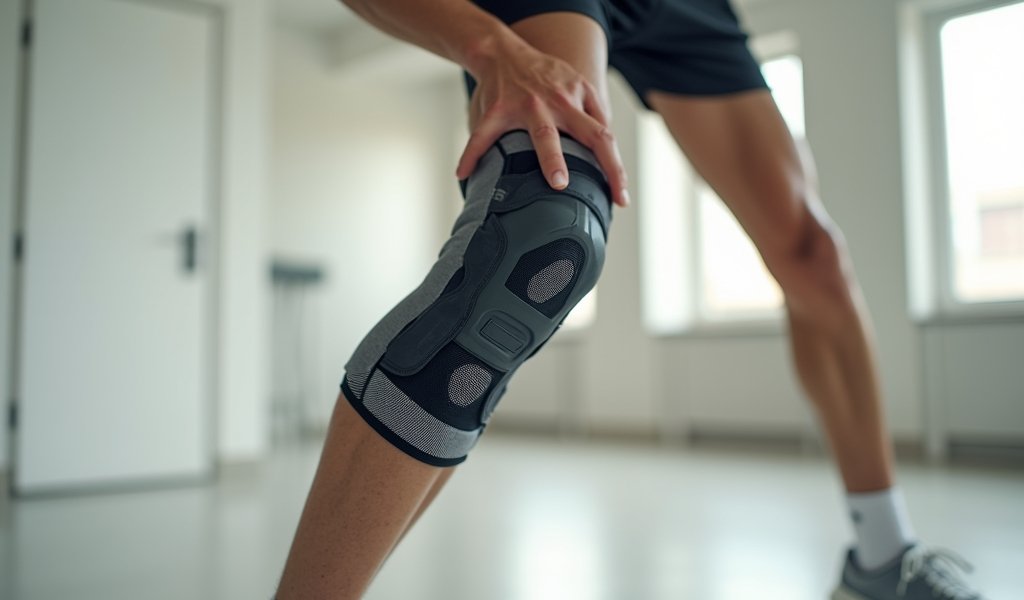
The Shock Doctor Ultra combines innovative materials science with practical design features. Its bilateral hinges provide meaningful stability while the pre-curved anatomical design enhances comfort during movement.
What makes this brace stand out is its antimicrobial treatment and moisture-wicking technology—features that significantly improve comfort during extended wear. The X-Fit strap system provides customizable compression that adapts to changing swelling throughout recovery.
Best for: Mid-recovery stages, especially for users concerned about comfort during active use
Pros:
- Excellent moisture management
- Therapeutic heat retention promotes circulation
- Stays in position during moderate activity
Cons:
- Sizing can run small
- Requires break-in period
- Moderate learning curve for proper adjustment
6. NEENCA Professional Knee Brace
The NEENCA Professional offers surprising performance at its accessible price point. It features a patella gel pad for targeted compression and side stabilizers that provide moderate lateral support without restricting forward motion.
This brace excels at everyday support, making it ideal for the early and middle stages of recovery when you’re focused on regaining basic mobility. Its simple design makes it particularly accessible for first-time brace users.
Best for: Early recovery, daily activities, and budget-conscious users
Pros:
- Excellent value
- Slim profile works well under clothing
- Machine-washable for easy maintenance
Cons:
- Limited protection for high-intensity activities
- Moderate stability compared to hinged options
- May require more frequent replacement
7. TechWare Pro Knee Brace
The TechWare Pro combines modern materials with practical design in its open-patella support. The alternating strong and flexible stabilizers provide meaningful guidance without feeling restrictive during everyday activities.
Its non-slip silicone strips prevent migration during use—a common complaint with many knee braces. The moisture-wicking fabric and ventilated design make it comfortable for extended wear, even during moderate activity.
Best for: Mid-recovery phases and users seeking a balance of support and flexibility for daily activities
Pros:
- Superior breathability
- Adjustable bidirectional straps for customized support
- Lightweight design prevents fatigue
Cons:
- Moderate stability compared to hinged braces
- May require periodic readjustment
- Limited color options
How to Choose the Right Brace for You
Selecting the optimal knee brace for your ACL recovery involves several important considerations:
Consult Your Healthcare Provider
Always start with professional advice. Your orthopedic surgeon, physical therapist, or chiropractic wellness center can provide specific recommendations based on your surgical approach, recovery progress, and long-term goals.
Different surgical techniques may benefit from specific bracing approaches, so getting personalized guidance is invaluable. Your healthcare team can also help with proper fitting and adjustment.
Match Support to Your Recovery Phase
Your bracing needs will evolve throughout recovery:
- Early phase (0-6 weeks): Maximum protection and immobilization
- Middle phase (6-12 weeks): Controlled motion with substantial support
- Later phase (3-6 months): Moderate support during increasing activity
- Return phase (6+ months): Prophylactic protection during full activity
Consider having multiple bracing options as you progress through these stages. Many patients maintain both a robust brace for higher-risk activities and a more comfortable option for everyday wear.
Consider Your Lifestyle and Activity Goals
Be realistic about how and when you’ll use your brace:
- Work requirements: Will it fit under your clothing or uniform?
- Climate considerations: Bulkier braces can be uncomfortable in hot weather
- Activity types: Different sports and activities place unique demands on knee stability
- Compliance reality: The “best” brace is one you’ll actually wear consistently
Your recovery journey is uniquely yours, and your bracing solution should reflect your specific circumstances. Taking a holistic guide to wellness approach ensures you’re addressing all aspects of recovery, not just mechanical support.
Complementary Recovery Strategies
While the right brace provides crucial support, it’s just one component of a comprehensive recovery plan. Consider these complementary strategies:
Physical Therapy
No brace can replace a quality rehabilitation program. Work with a physical therapist to develop exercises that rebuild strength, restore proprioception (your body’s sense of position), and reestablish proper movement patterns.
Research shows that structured rehabilitation significantly improves outcomes following ACL injury. Your brace works best when paired with targeted exercises designed for your specific stage of recovery.
Nutrition for Healing
Your body needs proper fuel to rebuild damaged tissue. Focus on:
- Adequate protein (1.6-2g per kilogram of body weight)
- Anti-inflammatory foods (fatty fish, berries, leafy greens)
- Collagen-supporting nutrients (vitamin C, copper, zinc)
- Proper hydration to transport nutrients to healing tissues
Sleep Optimization
Tissue repair happens predominantly during sleep. Prioritize 7-9 hours of quality rest each night. Consider elevating your leg and using pillows to find comfortable sleeping positions that don’t stress your knee.
Mental Health Support
The psychological aspects of recovery are often underestimated. Many patients experience frustration, anxiety, or even depression during the lengthy ACL rehabilitation process. Don’t hesitate to seek mental health support if needed.
According to research, psychological readiness significantly impacts successful return to activity after ACL reconstruction. The confidence provided by proper bracing can contribute positively to this mental aspect of recovery.
Conclusion
Recovering from an ACL tear is undoubtedly challenging, but the right knee support can make the journey significantly smoother. From the premium protection of the DonJoy Armor to the accessible support of the TechWare Pro, today’s bracing options offer solutions for every recovery stage and lifestyle need.
Remember that the ideal knee support ACL tear brace isn’t necessarily the most expensive or the most rigid—it’s the one that matches your specific needs and that you’ll wear consistently. Work closely with your healthcare team to select the right option for your unique circumstances.
With proper support, dedicated rehabilitation, and patience, most people recover successfully from ACL tears. The combination of the right brace and comprehensive recovery strategies can help you return to your active lifestyle with confidence and reduced risk of re-injury.
Your knee has supported you through countless steps, jumps, and pivots. Now, it’s time to return the favor with thoughtful protection during its healing journey.
Frequently Asked Questions
How long should I wear a knee brace after ACL surgery?
Most orthopedic surgeons recommend wearing a brace for 6-12 weeks post-surgery for daily activities, with continued use during high-risk activities for 6-12 months. Follow your surgeon’s specific protocol as recommendations vary based on your surgical technique and individual recovery.
Can I sleep with my ACL knee brace on?
Generally, you should remove your brace for sleeping unless specifically instructed otherwise by your surgeon. Nighttime bracing is typically only required during the first 1-2 weeks post-surgery to protect the knee while positioning is less controlled.
Will a knee brace prevent future ACL tears?
While braces can reduce risk, they cannot guarantee prevention of future ACL injuries. Studies show prophylactic braces may decrease injury rates by 20-30%, but proper movement training and strengthening are equally important protective measures.
How tight should my ACL knee brace be?
Your brace should feel secure but not constrictive—you should be able to slide two fingers under the straps. If you experience numbness, tingling, excessive swelling, or skin discoloration, your brace is too tight and needs adjustment.
Can I wear my knee brace under clothing?
Some low-profile braces like the Bauerfeind GenuTrain P3 and NEENCA Professional work well under looser clothing. Rigid, hinged braces typically require looser pants or shorts, though specialized clothing with side zippers is available for wear over bulkier braces.