

Overview
The Japanese diet promotes weight loss and longevity through seven key principles: seafood consumption, mindful portion control, fermented foods, green tea, balanced cooking methods, seasonal eating, and minimal processed food intake. This traditional approach emphasizes fresh, nutrient-dense ingredients prepared simply, creating a sustainable eating pattern that nourishes the body while encouraging a healthier relationship with food through practices like “hara hachi bu” (eating until 80% full).
Table of Contents
- Introduction to the Japanese Diet
- What Is the Japanese Diet?
- Secret #1: The Power of Seafood
- Secret #2: Portion Control and Mindful Eating
- Secret #3: Fermented Foods
- Secret #4: Green Tea Benefits
- Secret #5: Balanced Cooking Methods
- Secret #6: Seasonal, Fresh Ingredients
- Secret #7: Reduced Processed Food Intake
- 7-Day Japanese Diet Meal Plan
- Conclusion
- Frequently Asked Questions
Introduction to the Japanese Diet
Have you ever wondered why Japan boasts one of the highest life expectancies and lowest obesity rates in the world? The answer might be sitting right on their dinner plates. The Japanese diet, like a well-conducted symphony of nutrition, has captured global attention for its remarkable health benefits and weight management capabilities.
As a nutritionist who’s studied dietary patterns across cultures, I’m incredibly excited to share the secrets behind this eating style that’s as effective as it is elegant. Unlike many Western diets that come and go like seasonal fashion trends, the Japanese approach to eating has remained consistent for centuries – a testament to its sustainability and effectiveness.
The Japanese diet isn’t just about what you eat; it’s about fostering a deeply respectful relationship with food. Think of it as a mindful friendship rather than the tumultuous love-hate relationship many of us have developed with eating. In the following sections, we’ll unlock seven proven secrets that make the Japanese diet a powerhouse for weight loss and overall wellness.
What Is the Japanese Diet?
The Japanese diet is a nutritional tapestry woven from centuries of cultural wisdom and practical health knowledge. At its heart, it’s a balanced eating pattern centered around fresh, minimally processed foods that nourish the body while respecting natural flavors and seasonal availability.
Unlike fad diets that restrict entire food groups (leaving you feeling as deprived as a plant without sunlight), the Japanese approach embraces variety. It’s fundamentally built on a foundation of whole foods – think seafood, rice, vegetables, fermented foods, and fruit – that work together to create nutritional harmony.
Traditional Japanese meals follow the principle of “ichiju-sansai” (one soup, three dishes) alongside rice, creating a naturally portion-controlled eating experience. This structure ensures nutritional diversity within a single meal – something that research has confirmed promotes better health outcomes.
What truly distinguishes the Japanese diet is its philosophical underpinning. The concept of “hara hachi bu” – eating until you’re 80% full – serves as a cornerstone of their eating habits. This mindful approach prevents overeating while encouraging greater appreciation for each bite, making weight management feel less like a constant battle and more like a natural state of being.
Secret #1: The Power of Seafood
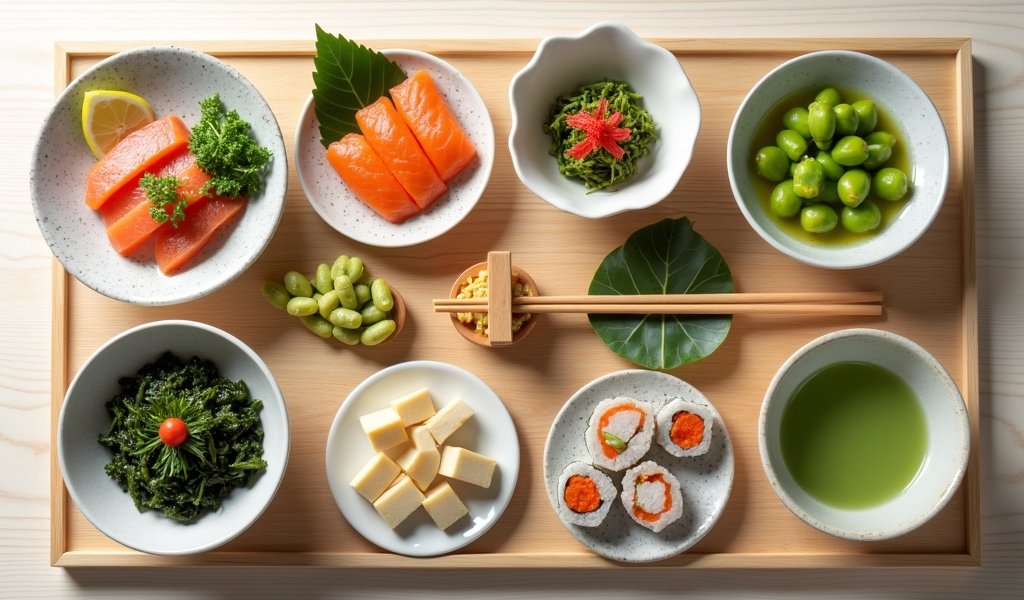
If the Japanese diet were a superhero team, seafood would undoubtedly be the captain. The average Japanese person consumes nearly 3 ounces of fish daily – that’s roughly 10 times what the average American eats! This abundant seafood consumption is like having a metabolic ace up your sleeve when it comes to weight management.
Fish, particularly fatty varieties like salmon, mackerel, and sardines, deliver a powerful punch of omega-3 fatty acids that work wonders for weight loss. These healthy fats are metabolic magicians – they reduce inflammation, regulate hunger hormones, and even help your body burn fat more efficiently. It’s as if they’re having a private conversation with your cells, encouraging them to prioritize fat burning.
Beyond omega-3s, seafood provides high-quality protein with fewer calories than most land-animal options. This protein-rich profile helps you feel satisfied longer while supporting muscle maintenance during weight loss – an essential factor that many diets tragically overlook. When you lose weight, you want to shed fat, not valuable muscle tissue that keeps your metabolism humming.
To embrace this aspect of the Japanese diet, try incorporating fish into your meals 2-3 times weekly. Start with these simple approaches:
- Replace a beef burger with a salmon patty
- Enjoy tuna or mackerel on your lunch salad instead of chicken
- Experiment with sardines on whole-grain crackers for a quick, nutritious snack
- Try a miso soup with small pieces of white fish for a warming starter
Remember, you don’t need to become a sushi master overnight. Even modest increases in seafood consumption can help tip the scales in your favor – literally!
Secret #2: Portion Control and Mindful Eating
In Japan, food presentation isn’t merely artistic – it’s a cleverly disguised portion control strategy. Traditional Japanese meals are typically served in numerous small dishes rather than one heaping plate that would make an American restaurant proud. It’s like the difference between reading a collection of beautiful short stories versus attempting to devour a massive novel in one sitting.
This approach naturally encourages mindful eating. When your meal is presented as several distinct components, you’re more likely to pause between dishes, giving your body the crucial 20 minutes it needs to register fullness. Have you ever noticed how quickly you can inhale a large plate of pasta without feeling satisfied, yet a carefully arranged bento box naturally encourages you to slow down?
The Japanese concept of “hara hachi bu” – eating until you’re 80% full – deserves special attention. Rather than pushing to the uncomfortable brink of fullness (we’ve all unbuttoned those jeans at Thanksgiving), this principle encourages a gentler approach to satiety. Think of your hunger as a fuel gauge: you don’t need to top off the tank at every meal.
To incorporate these principles into your eating habits, try these mindful strategies:
- Use smaller plates and bowls to naturally reduce portion sizes
- Serve your meal components in separate dishes, Japanese-style
- Put down your utensils between bites and chew thoroughly
- Practice leaving a small amount of food on your plate
- Wait 10 minutes before deciding on seconds – often, you’ll find you don’t need them
These subtle shifts can dramatically change your relationship with food, transforming eating from a mindless activity to a conscious, pleasurable experience that naturally supports weight management.
Secret #3: Fermented Foods
If your gut microbiome were a garden, fermented foods would be the master gardeners – and the Japanese diet is absolutely blooming with them. From the umami-rich miso to the tangy pickled vegetables (tsukemono), fermented foods are as fundamental to Japanese cuisine as pasta is to Italian cooking.
The weight loss benefits of these bacterial powerhouses are impressively backed by science. Recent research suggests that fermented foods help regulate weight by improving gut health, which in turn affects everything from hormone regulation to nutrient absorption. It’s like having millions of tiny health assistants working diligently in your digestive system.
Take natto, for instance – those gloriously sticky, fermented soybeans that divide opinions with their distinctive aroma. Beyond being a nutritional powerhouse packed with protein and vitamin K2, natto contains enzymes that may help dissolve body fat. Similarly, miso provides probiotics while adding incredible flavor with minimal calories – a weight-conscious cook’s dream ingredient!
Here’s how to gradually introduce these fermented wonders into your daily routine:
- Start your day with a small cup of miso soup – it’s surprisingly energizing
- Add a tablespoon of kimchi (Korean, but widely enjoyed in Japan) to scrambled eggs
- Use mild rice vinegar as a base for homemade salad dressings
- Try small amounts of pickled vegetables alongside heavier dishes to aid digestion
Even if the more pungent options like natto aren’t immediately appealing (an acquired taste, to put it kindly), there’s a spectrum of fermented foods to explore. Your taste buds – and waistline – will gradually adapt and even begin to crave these complex flavors.
Secret #4: Green Tea Benefits
If water is the essence of life, then green tea might just be the essence of the Japanese diet’s success. This emerald elixir flows through Japanese daily life like a gentle stream, providing more than just hydration – it delivers a metabolic boost that most beverages can only dream of offering.
Green tea, particularly the powdered matcha variety, contains catechins – powerful antioxidants that have been shown to significantly enhance fat burning. The primary catechin, EGCG, works like a gentle nudge to your metabolism, encouraging it to work more efficiently. Unlike harsh stimulants that leave you feeling wired then tired, green tea provides a sustained energy boost that supports active lifestyles.
The beauty of green tea lies in its dual action: it slightly increases metabolism while also improving your body’s ability to burn fat during exercise. It’s like having both a better engine and better fuel in your vehicle – the combination creates results greater than either component alone. Studies indicate that consistent green tea consumption may increase fat burning by up to 17%!
To embrace this aspect of the Japanese diet, consider these practical approaches:
- Replace one coffee with green tea daily, gradually increasing as desired
- Try drinking green tea 30 minutes before exercise to maximize fat-burning
- Experiment with matcha in smoothies or yogurt for concentrated benefits
- Keep a thermos of green tea handy for sipping throughout the day
Remember that consistency matters more than quantity – the modest but regular consumption typical in Japan yields better results than occasional large amounts.
Secret #5: Balanced Cooking Methods
Japanese cooking techniques are like a masterclass in extracting maximum flavor with minimum calories. Unlike the Western tendency to deep-fry everything from Oreos to ice cream (yes, that’s actually a thing), Japanese cuisine employs gentler cooking methods that preserve both nutrients and natural flavors.
Steaming, simmering, grilling, and quick-stir frying dominate Japanese kitchens. These techniques are the culinary equivalent of speaking softly but carrying a big stick – they don’t shout for attention with excessive fat or complicated preparations, yet they deliver remarkable results. A perfectly grilled piece of fish needs nothing more than a whisper of seasoning to shine.
Take the humble nimono (simmered dishes) technique: ingredients are gently cooked in a flavorful dashi broth, allowing them to exchange and enhance flavors naturally without added fats. Or consider yakimono (grilled foods), where items are cooked over direct heat, allowing fat to drip away while concentrating flavor – nature’s way of creating the perfect balance between taste and health.
To incorporate these balanced cooking methods at home, try these approaches:
- Invest in a bamboo steamer for vegetables and fish
- Try making simple dashi (Japanese stock) for poaching proteins
- Use a grill pan to prepare meats and vegetables with minimal oil
- Experiment with parchment paper cooking (similar to the Japanese papillote method)
These techniques aren’t just healthier – they’re also typically faster and create fewer dishes, making them perfect for busy weeknight cooking. When your food tastes delicious naturally, you’ll find yourself needing less salt, sugar, and fat – a win-win for your taste buds and waistline.
Secret #6: Seasonal, Fresh Ingredients
In Japan, the changing seasons aren’t just marked on calendars – they’re celebrated on dinner plates. This deep cultural connection to seasonal eating is like nature’s own weight management program, designed to provide exactly what your body needs throughout the year.
The Japanese concept of “shun” refers to eating ingredients at their peak season – when they’re not only most flavorful but also most nutritionally dense. Think of the difference between a pale, mealy winter tomato and a sun-ripened summer one bursting with lycopene and flavor. The nutritional profiles are as different as night and day.
Seasonal eating naturally increases diet diversity over the year, ensuring a wider range of nutrients than the same-foods-all-year approach common in Western diets. This variety isn’t just good for comprehensive nutrition – it’s also linked to healthier gut microbiomes, better satisfaction with meals, and reduced cravings for less healthy options.
To embrace seasonal eating in your own life, consider these practical steps:
- Visit farmers’ markets to discover what’s truly in season locally
- Learn to preserve seasonal abundance through simple pickling or freezing
- Create a seasonal food calendar for your region as a shopping guide
- Challenge yourself to try one new seasonal vegetable each week
When you eat with the seasons, you’re not just supporting weight management – you’re connecting with ancient rhythms that make eating both more joyful and more sustaining. Your body intuitively recognizes and responds to this natural approach to nourishment.
Secret #7: Reduced Processed Food Intake
The traditional Japanese diet treats processed foods the way a skilled gardener treats weeds – they’re largely unwelcome in the carefully tended nutritional garden. While modern Japan has certainly seen an influx of processed options (and corresponding increases in weight issues), the foundation of their traditional diet remains remarkably whole-food focused.
This isn’t about perfection or deprivation – it’s about proportion. The typical traditional Japanese meal contains roughly 90% whole foods and minimal ultra-processed items. Compare this to the average American diet, where nearly 60% of calories come from ultra-processed sources, and you’ll understand one of the most significant differences between these dietary patterns.
Whole foods are like puzzle pieces that fit perfectly into your body’s metabolic machinery. They come with their own built-in portion control through fiber, water content, and nutrient density. Processed foods, by contrast, are engineered to override these natural satiety signals, often leading to what nutrition scientists call “passive overconsumption” – eating more without even realizing it.
To gradually shift your diet toward more whole foods, try these Japanese-inspired strategies:
- Replace packaged snacks with fresh fruit, vegetables with miso dip, or edamame
- Learn to make simple Japanese pickles as a replacement for processed condiments
- Practice the “outer aisles” shopping method, focusing on produce, seafood, and minimal dairy
- Prepare larger batches of whole-food meals and freeze portions for convenience
Remember that even small shifts matter. Replacing just 20% of the processed foods in your diet with whole alternatives can create meaningful changes in both how you feel and how your body manages weight over time.
7-Day Japanese Diet Meal Plan
Ready to put these principles into delicious practice? Here’s a simplified 7-day meal plan inspired by the Japanese diet that makes weight management feel like a culinary adventure rather than a punishment.
Day 1
Breakfast: Miso soup with tofu, steamed rice with nori flakes, and a small orange
Lunch: Bento box with grilled salmon, steamed vegetables, small portion of rice, and pickled cucumber
Dinner: Soba noodles in dashi broth with mushrooms, green onions, and a soft-boiled egg
Day 2
Breakfast: Matcha smoothie with spinach, banana, and a tablespoon of almond butter
Lunch: Onigiri (rice balls) with salmon filling, miso soup, and steamed edamame
Dinner: Yakitori (grilled chicken skewers), quick-pickled vegetables, and a small portion of brown rice
Day 3
Breakfast: Ochazuke (green tea poured over rice) with salmon flakes and pickled plum
Lunch: Sushi hand rolls with cucumber, avocado, and crab (limit the rice), miso soup
Dinner: Nimono (simmered dish) with chicken, daikon, carrots, and tofu served with a small bowl of rice
Day 4
Breakfast: Silken tofu with grated ginger, soy sauce, and green onions; sliced apple
Lunch: Chirashi bowl (scattered sushi in a bowl) with various vegetables and fish on minimal rice
Dinner: Miso-glazed cod, steamed broccoli, and a small sweet potato
Day 5
Breakfast: Tamagoyaki (Japanese omelet) with scallions, a small portion of rice, and miso soup
Lunch: Cold soba noodle salad with cucumber, carrot, and a light soy-vinegar dressing
Dinner: Shabu shabu (thinly sliced meat and vegetables briefly cooked in hot broth at the table)
Day 6
Breakfast: Rice porridge with mushrooms and a soft-boiled egg; green tea
Lunch: Tuna sashimi with seaweed salad and cucumber sunomono (vinegared dish)
Dinner: Okonomiyaki (savory pancake) with cabbage, shrimp, and minimal batter
Day 7
Breakfast: Natto (if you’re brave!) with rice, miso soup, and sliced persimmon
Lunch: Japanese curry with plenty of vegetables, small portion of rice, and pickled ginger
Dinner: Grilled mackerel, steamed vegetables with sesame seeds, small bowl of rice
Remember to adjust portions to your personal needs, drink green tea throughout the day, and practice hara hachi bu at every meal. This plan embraces all seven Japanese diet secrets while providing delicious variety and nutritional balance.
Conclusion
The Japanese diet offers far more than just a path to weight loss – it presents a sustainable philosophy for nourishing both body and spirit. Like a carefully tended garden that produces beauty and abundance year after year, this approach to eating delivers lasting results because it’s built on principles that have stood the test of time.
What makes the Japanese diet truly remarkable is how it transforms healthy eating from a chore into a joy. The emphasis on fresh, seasonal ingredients prepared with respect creates meals that satisfy deeply without excess. The mindful approach to consumption encourages a relationship with food that’s based on appreciation rather than restriction.
As you incorporate these seven secrets into your own life, remember that perfection isn’t the goal – progress is. Perhaps you’ll begin with green tea in the mornings, then gradually introduce more seafood or experiment with fermented foods. Each small step aligns you more closely with a way of eating that has helped generations maintain healthy weights and vibrant lives.
The journey toward better health through the Japanese diet isn’t about abandoning your cultural identity – it’s about thoughtfully borrowing principles that complement and enhance your existing patterns. Like learning a few phrases in a new language, even modest adaptations can open doors to new experiences and benefits.
May your exploration of these Japanese weight-loss secrets bring you not just a healthier body, but also a more mindful, joyful relationship with the food that sustains you. After all, that might be the most valuable secret of all.
Frequently Asked Questions
What is the Japanese diet?
The Japanese diet is a traditional eating pattern centered around seafood, rice, vegetables, fermented foods, and fruit, with minimal processed foods. It emphasizes portion control, seasonal eating, and mindful consumption practices like “hara hachi bu” (eating until 80% full).
How quickly will I lose weight on the Japanese diet?
Healthy weight loss typically ranges from 1-2 pounds per week, which the Japanese diet can support when followed consistently. Individual results vary based on starting weight, activity level, and how closely you adhere to the principles.
Is the Japanese diet suitable for vegetarians?
Yes, the Japanese diet can be adapted for vegetarians by emphasizing plant proteins like tofu, edamame, and beans in place of seafood. Traditional Buddhist Japanese cuisine (shojin ryori) offers many vegetarian preparation techniques and dishes.
Do I need special ingredients to follow the Japanese diet?
While some ingredients like miso, dashi, and nori enhance authenticity, you can start with widely available items like rice, fish, vegetables, and green tea. Asian markets or online retailers offer more specialized items as you become comfortable with the basics.
Will I feel hungry on the Japanese diet?
Most people report feeling satisfied despite smaller portions due to the diet’s high protein content, fiber-rich vegetables, and mindful eating practices. The emphasis on nutrient density rather than calorie density helps maintain satiety between meals.