

Overview
Who knew that the sizzling slab of beef that’s been getting the side-eye from dieters might actually be your weight loss wingman? This article explores how steak supports weight management through five key mechanisms: preserving muscle mass with high-quality protein, increasing satiety, boosting metabolism through the thermic effect, providing essential nutrients for metabolic health, and stabilizing blood sugar to prevent cravings.
Table of Contents
- Understanding Steak’s Nutritional Profile
- Benefit #1: High-Protein Content Preserves Muscle Mass
- Benefit #2: Superior Satiety Reduces Overall Calorie Intake
- Benefit #3: The Thermic Effect Boosts Metabolism
- Benefit #4: Essential Nutrients Support Metabolic Health
- Benefit #5: Blood Sugar Regulation Prevents Cravings
- How to Include Steak in a Weight Loss Diet
- Potential Considerations When Eating Steak for Weight Loss
- Conclusion
- Frequently Asked Questions
In the world of weight loss diets, few foods have generated as much debate as steak. Long vilified for its fat content, this protein-rich food has recently experienced a reputation renaissance as nutrition science evolves. Is steak good for weight loss? The answer might surprise you.
As a nutritionist who’s guided hundreds of clients through successful weight loss journeys, I’ve observed firsthand how quality protein sources like steak can support—rather than sabotage—weight management goals. The key lies in understanding steak’s nutritional composition and how to incorporate it strategically into a balanced eating plan.
Let’s cut through the fat and examine the scientific evidence behind steak’s potential weight loss benefits. From its impressive protein profile to its surprising effects on metabolism, steak might deserve a second look from those watching their waistlines.
Understanding Steak’s Nutritional Profile
Before determining if steak deserves a place in your weight loss plan, it’s essential to understand what you’re actually consuming when you eat this popular protein.
Steak primarily consists of protein and fat, with virtually no carbohydrates. The nutritional composition varies significantly depending on the cut, cooking method, and the animal’s diet. For instance, a 3.5-ounce (100-gram) serving of lean sirloin contains approximately 29 grams of protein and 6 grams of fat, while the same amount of ribeye delivers about 25 grams of protein but 15 grams of fat.
Here’s a breakdown of popular steak cuts, arranged from leanest to fattiest:
- Eye of round: Very lean with about 5g fat per 3.5 oz serving
- Sirloin: Excellent protein-to-fat ratio for weight management
- Top round: Lean yet flavorful option
- New York strip: Moderate fat content with rich flavor
- Ribeye: Higher fat content (15g+ per 3.5 oz)
- T-bone: Contains both tenderloin and strip steak portions
Calorie-wise, leaner cuts like eye of round provide around 140 calories per 3.5 ounces, while fattier options like ribeye can reach 225 calories for the same portion. Preparation method dramatically impacts the final calorie count—grilling or broiling allows fat to drip away, while pan-frying in butter adds significant calories.
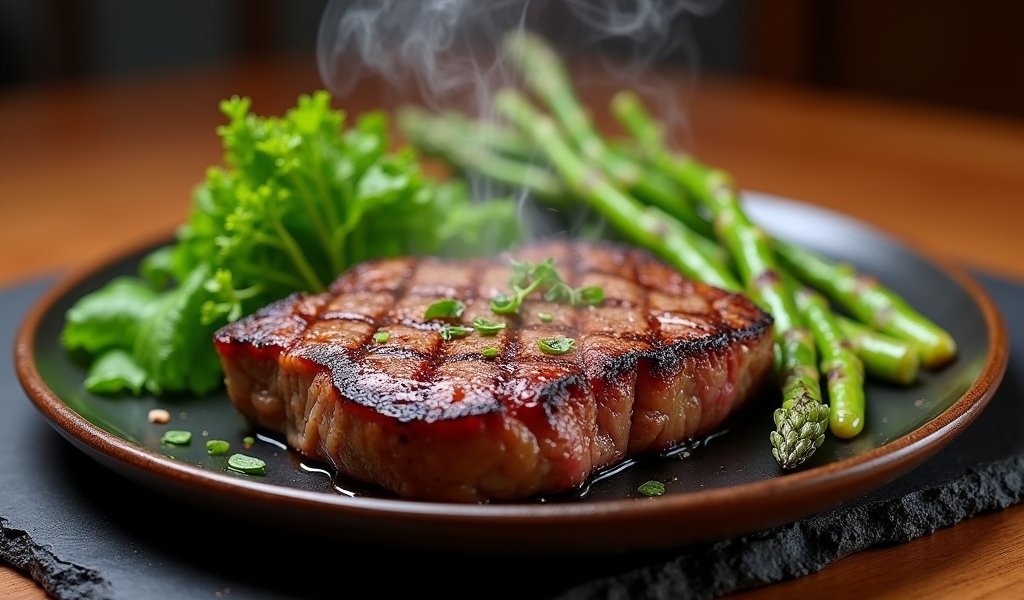
Benefit #1: High-Protein Content Preserves Muscle Mass
When losing weight, preserving muscle mass is crucial—and this is where steak truly shines. Many crash diets lead to muscle loss alongside fat reduction, which ultimately slows metabolism and makes maintaining weight loss nearly impossible.
Steak provides complete protein, containing all nine essential amino acids your body cannot produce itself. The star player among these amino acids is leucine, which acts as a metabolic trigger for muscle protein synthesis—the process of building and maintaining muscle tissue.
Research from the American Journal of Clinical Nutrition found that higher protein intakes during calorie restriction helped preserve lean body mass. Participants consuming approximately 1.6 grams of protein per kilogram of body weight retained significantly more muscle than those consuming the RDA of 0.8g/kg.
Why does this matter? Muscle tissue burns more calories at rest than fat tissue. By protecting your muscle mass during weight loss, you’re maintaining your body’s natural calorie-burning machinery. As Dr. Stuart Phillips, protein metabolism researcher at McMaster University, explains, “When losing weight, protein helps ensure that what you lose is predominantly fat, not the metabolically active tissue that helps keep weight off long-term.”
Benefit #2: Superior Satiety Reduces Overall Calorie Intake
Have you noticed how a protein-rich meal keeps you full longer than a carb-heavy one? This isn’t just your imagination—it’s biochemistry. And steak ranks particularly high on the satiety scale.
Protein-rich foods like steak help regulate ghrelin (your hunger hormone) while boosting peptide YY and GLP-1 (satiety hormones). This hormonal balancing act translates to reduced hunger and fewer calories consumed overall.
A landmark study in the Journal of the American College of Nutrition found that participants who consumed high-protein lunches ate approximately 175 fewer calories at dinner compared to those who ate high-carbohydrate lunches with the same caloric value.
Another study from the University of Washington School of Medicine discovered that subjects who increased their protein intake from 15% to 30% of total calories spontaneously consumed about 440 fewer calories daily and lost an average of 11 pounds over 12 weeks—without deliberately restricting food intake.
When compared calorie-for-calorie, steak ranks higher on the satiety index than many other protein sources. As nutrition researcher Heather Leidy, Ph.D. notes, “Protein’s satiety effect is one of the most powerful tools in weight management because it addresses the biological drive to eat, not just willpower.”
Benefit #3: The Thermic Effect Boosts Metabolism
Here’s where steak offers a metabolic advantage that many dieters overlook: the thermic effect of food (TEF). This refers to the energy your body expends digesting, absorbing, and processing nutrients—and protein has the highest thermic effect of all macronutrients.
While your body might use just 5-10% of the calories from carbohydrates and 0-3% from fats during digestion, protein requires a whopping 20-30% of its own caloric value just to process it. This means that for a 300-calorie serving of steak, your body may use up to 90 calories simply digesting it!
Research published in the American Journal of Clinical Nutrition found that a high-protein diet increased daily energy expenditure by approximately 80-100 calories compared to a moderate-protein diet. While that might seem modest, it adds up to roughly 10 pounds of weight loss potential per year without any other changes.
This metabolic boost also appears to persist longer after meals containing steak and other protein-rich foods. A study in the Journal of Nutrition demonstrated that the higher thermal effect from protein can elevate metabolism for up to 6 hours after eating.
For practical purposes, this means that including a moderate portion of steak in your meal essentially comes with a built-in calorie discount—your body burns more calories processing the protein than it would digesting carbs or fats.
Benefit #4: Essential Nutrients Support Metabolic Health
Beyond protein, steak provides several micronutrients that play crucial roles in energy production and metabolic function. These nutrients often get overlooked in the protein-versus-fat conversation, but they contribute significantly to steak’s weight management benefits.
Iron tops the list of steak’s metabolic helpers. This essential mineral enables oxygen transport throughout your body, and without adequate oxygen delivery, your cells can’t efficiently convert food into energy. Iron deficiency affects nearly 25% of the global population and can cause fatigue and reduced metabolic function.
B vitamins, abundantly present in steak, serve as essential cofactors in energy metabolism. Vitamin B12, in particular, is crucial for converting food into glucose, which powers your cells. It’s worth noting that B12 is naturally found only in animal products, making steak an excellent source for those who don’t supplement.
Zinc, another mineral abundant in steak, plays a vital role in protein synthesis, hormone production, and thyroid function—all critical components of a healthy metabolism. A 2019 study published in Nutrients found that zinc supplementation improved thyroid function in overweight women.
Selenium, phosphorus, and potassium round out steak’s impressive nutrient profile. Each contributes to various metabolic processes that support energy production and utilization. When these nutrients work in concert, they create an internal environment conducive to efficient metabolism.
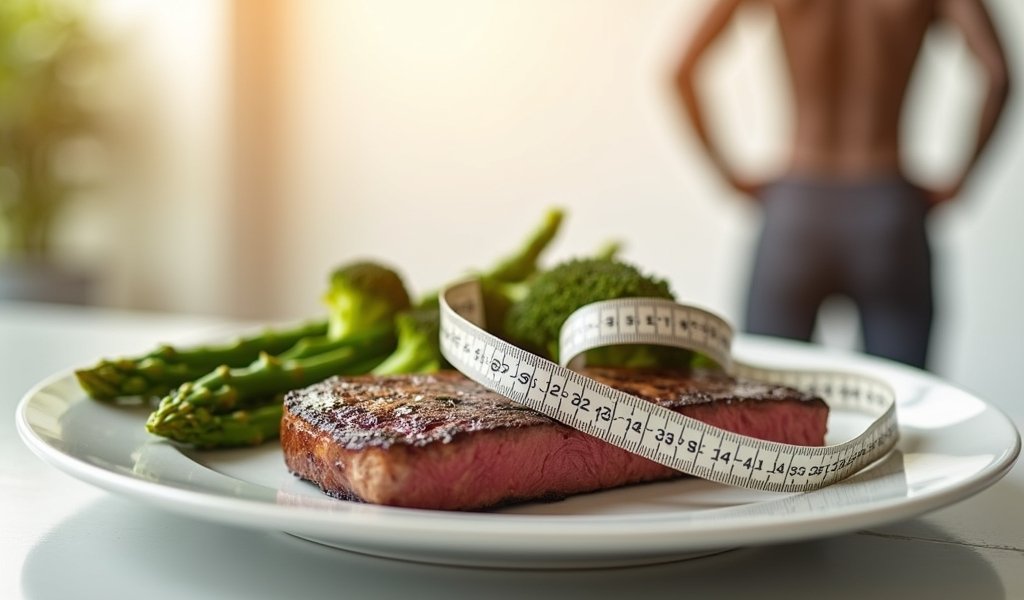
Benefit #5: Blood Sugar Regulation Prevents Cravings
The rollercoaster of blood sugar spikes and crashes can sabotage weight loss efforts by triggering hunger, cravings, and fat storage. Steak, with its protein-rich profile and minimal carbohydrate content, helps stabilize blood glucose levels—a significant advantage for weight management.
Protein slows gastric emptying, meaning the contents of your meal enter the small intestine more gradually, preventing rapid blood sugar elevations. Additionally, protein consumption triggers minimal insulin release compared to carbohydrates, helping maintain steady glucose levels throughout the day.
A clinical trial published in Diabetes Care found that consuming protein before carbohydrates significantly reduced post-meal glucose spikes by up to 37%. Another study showed that starting meals with protein foods improved overall glycemic control and reduced hunger between meals.
For weight loss specifically, stable blood sugar translates to fewer cravings, more consistent energy levels, and reduced fat storage. When insulin levels remain moderate rather than spiking high, your body remains more willing to access fat stores for energy.
To maximize this benefit, consider pairing steak with non-starchy vegetables instead of high-carb sides. A piece of sirloin with roasted Brussels sprouts will treat your blood sugar—and waistline—with much more respect than steak with a loaded baked potato.
How to Include Steak in a Weight Loss Diet
Now that we understand steak’s potential benefits for weight loss, let’s discuss practical strategies for incorporating it into a calorie-controlled eating plan.
First, portion control is crucial. Most nutrition experts recommend limiting portions to about 3-5 ounces (85-140 grams)—approximately the size of a deck of cards or the palm of your hand. This provides ample protein without excessive calories.
As for frequency, including lean steak 2-3 times weekly strikes a good balance for most people. This allows you to benefit from steak’s nutritional advantages while maintaining dietary variety. Some of my clients successfully incorporate steak into carnivore diet meals with excellent results, though this approach isn’t necessary for everyone.
Preparation methods can make or break steak’s place in a weight loss diet:
- Grilling (allowing fat to drip away)
- Broiling (on a rack so fat can drain)
- Pan-searing with minimal oil
- Slow-cooking leaner cuts for tenderness without added fat
Avoid preparations that add significant calories:
- Butter-basting techniques
- Deep-frying (chicken-fried steak)
- Rich cream or butter-based sauces
Complementary foods matter tremendously. Pair steak with:
- Non-starchy vegetables (asparagus, broccoli, spinach)
- Small portions of healthy fats (avocado, olive oil)
- Limited amounts of whole grains or starchy vegetables if desired
For optimal results, consider the timing of your steak meals. Many of my clients find that including protein-rich foods like steak at lunch helps control afternoon snacking, while others prefer steak at dinner to prevent evening hunger. Experiment to discover what works best for your body and schedule.
Potential Considerations When Eating Steak for Weight Loss
While steak offers numerous benefits for weight management, a balanced perspective requires acknowledging several considerations.
First, quality matters. Grass-fed beef typically contains more omega-3 fatty acids, conjugated linoleic acid (CLA), and antioxidants than conventional grain-fed beef. A meta-analysis published in the British Journal of Nutrition found that grass-fed beef contained higher levels of anti-inflammatory omega-3 fatty acids and lower levels of saturated fat compared to grain-fed.
Individual health conditions should guide your approach. Those with certain medical conditions like gout, kidney disease, or specific cardiovascular issues should consult healthcare providers about appropriate intake. Similarly, those with ethical or environmental concerns might choose to limit beef consumption or select more sustainably raised options.
Cost considerations are also relevant for many people. Leaner cuts of high-quality beef can be expensive, potentially making steak an occasional rather than regular protein choice. Fortunately, less expensive cuts like flank steak, sirloin tip, or eye of round can still provide excellent nutritional benefits when properly prepared.
Finally, context matters enormously. A 4-ounce steak at dinner three times weekly as part of a varied, vegetable-rich diet is vastly different from daily 16-ounce portions with limited plant foods. Balance and moderation remain essential principles in any sustainable weight loss approach.
Conclusion
After examining the evidence, it’s clear that steak can be a valuable ally in weight management when approached thoughtfully. Its high-quality protein helps preserve muscle mass during weight loss, while its satiating properties can reduce overall calorie intake. The thermic effect of its protein content, metabolic support from essential nutrients, and blood sugar stabilizing effects further enhance steak’s weight management credentials.
The key to successfully incorporating steak into a weight loss plan lies in moderation, quality selection, proper preparation, and mindful meal composition. When these factors align, steak can support—rather than sabotage—your weight management goals.
Remember that individual responses to different dietary patterns vary. Some people thrive with more frequent inclusion of red meat in their diets, while others do better with more limited consumption. Listen to your body, monitor your results, and adjust accordingly.
Ultimately, sustainable weight loss comes from finding an eating pattern you can maintain long-term—one that provides satiety, enjoyment, and nutritional adequacy. For many people, including moderate portions of steak within a balanced, predominantly plant-based diet offers the best of both worlds: nutritional benefits and eating satisfaction.
So the next time you’re crafting your weight loss menu, don’t automatically cross steak off the list. This protein-packed option might just deserve a place at your table—in appropriate portions, of course.
Frequently Asked Questions
Can I eat steak every day and still lose weight?
Yes, you can eat steak daily and lose weight if your overall calorie intake remains below your expenditure. However, most nutrition experts recommend 2-3 times weekly to ensure dietary variety and balance.
Which cut of steak is best for weight loss?
Leaner cuts like sirloin, eye of round, and flank steak offer the best protein-to-fat ratio for weight management. These cuts provide ample protein with fewer calories than fattier options.
Does steak cause inflammation that might hinder weight loss?
High-quality, properly prepared steak is not inherently inflammatory for most people. Grass-fed beef actually contains anti-inflammatory omega-3 fatty acids and CLA that may support weight management.
Can I eat steak for dinner and still lose weight?
Absolutely—many people find a moderate portion of steak at dinner helps control evening hunger and morning appetite. Pair it with non-starchy vegetables to keep the overall meal calorie-controlled.
Is steak or chicken better for weight loss?
Neither is inherently “better”—both provide quality protein that supports weight loss. Chicken breast is slightly leaner than most steak cuts, but steak offers superior iron content and often provides greater satiety.