

Overview
Turns out Invisalign can be a real pain in the mouth, but thankfully there’s more than just grinning and bearing it! This article provides ten practical solutions for managing Invisalign discomfort, including over-the-counter pain relievers, cold therapy, orthodontic wax, proper insertion techniques, and strategic timing of aligner changes, emphasizing that while temporary pain is normal, severe or persistent discomfort warrants contacting your orthodontist.
Table of Contents
- Understanding Invisalign Pain: Why It Happens
- Over-the-Counter Pain Relief Options
- Cold Therapy: Your Freezer’s Secret Weapon
- Dental Wax: Creating a Protective Barrier
- Orthodontic Relief Wax for Irritated Areas
- Salt Water Rinses: An Ancient Remedy for Modern Braces
- Proper Aligner Insertion and Removal Techniques
- Switching Aligners Before Bedtime
- Using Chewies to Better Seat Aligners
- Embracing a Soft Food Diet
- When to Contact Your Orthodontist
- Conclusion
- Frequently Asked Questions
Understanding Invisalign Pain: Why It Happens
Embarking on your Invisalign journey brings both excitement about your future smile and, unfortunately, some discomfort along the way. Invisalign pain is a common experience that affects nearly 83% of patients, especially during the first few days with a new aligner set. But don’t worry – you’re not alone in this orthodontic adventure, and relief is definitely possible.
Let’s start by understanding why your mouth is staging this protest in the first place. Invisalign works by applying gentle yet persistent pressure to gradually move your teeth into their ideal positions. This pressure triggers an inflammatory response in your periodontal ligaments—the tiny fibers that connect your teeth to the bone. Think of it as a workout for your smile; just like how your muscles feel sore after hitting the gym, your teeth and gums need time to adjust to this new activity.
The discomfort typically peaks during the first 48-72 hours after inserting a new set of aligners, then gradually subsides as your mouth adapts. This cyclical pattern of “new aligners, new discomfort” continues throughout your treatment, though most patients report that the pain becomes more manageable over time as their body becomes accustomed to the process.
According to a study published in the Journal of Orthodontics, this discomfort is completely normal and actually indicates that your treatment is working effectively. So while it might not feel like it in the moment, that tenderness is actually a sign of progress toward your dental health goals.
Now that we understand why Invisalign can cause discomfort, let’s explore ten proven strategies to help you find relief quickly and continue your orthodontic journey with minimal interruption.
Over-the-Counter Pain Relief Options
When Invisalign pain strikes, your local pharmacy aisle offers several reliable solutions. Over-the-counter pain medications can be your first line of defense against the throbbing, tender sensation that often accompanies a new set of aligners.
Acetaminophen (Tylenol) works by blocking pain signals in your brain and can provide effective relief without interfering with the inflammatory process that’s necessary for tooth movement. This makes it an excellent choice for managing Invisalign discomfort without potentially slowing your treatment progress.
Some patients also find relief with ibuprofen (Advil, Motrin) or naproxen sodium (Aleve), which are non-steroidal anti-inflammatory drugs (NSAIDs). However, it’s worth noting that because these medications reduce inflammation, some orthodontists theorize they might slightly slow tooth movement if used regularly. For occasional use during those first few uncomfortable days with new aligners, though, they’re generally considered acceptable.
Dr. Mary Johnson, an orthodontist with over 15 years of experience, recommends taking pain relievers about an hour before changing to a new aligner set. “This proactive approach helps manage pain before it peaks,” she explains. “It’s like putting an umbrella up before it starts pouring rain.”
Always follow the dosage instructions on the package, and if you have any medical conditions or take other medications, consult with your healthcare provider before starting any pain relief regimen. Remember that these medications should be used temporarily—just to get you through the adjustment period—rather than as a long-term solution.
Cold Therapy: Your Freezer’s Secret Weapon
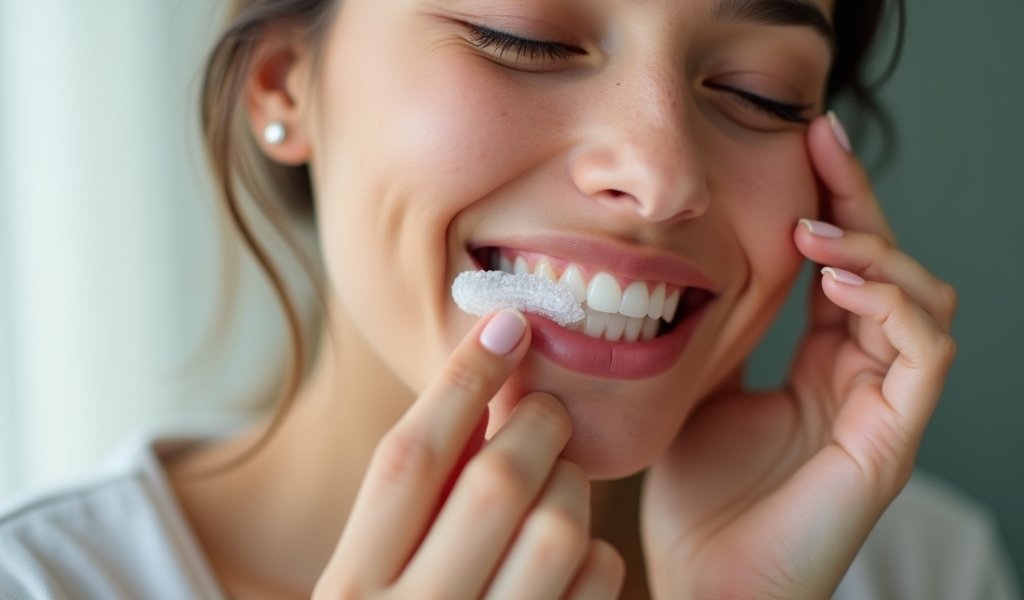
When it comes to taming Invisalign discomfort, sometimes the oldest remedies are still the most effective. Cold therapy—a technique that dates back to ancient civilizations—remains one of the quickest ways to numb oral pain and reduce inflammation. Think of it as nature’s anesthetic, ready and waiting in your freezer.
Ice packs applied to the outside of your face can work wonders for general jaw soreness. Simply wrap an ice pack in a thin towel (never apply ice directly to your skin!) and hold it against your cheek for 15-20 minutes. This external approach helps reduce inflammation in the jaw muscles that are working overtime to adapt to your new aligners.
For more targeted relief, ice water becomes your best friend. Sipping on ice-cold water throughout the day not only keeps you hydrated (always a plus for overall health) but also provides gentle, continuous cooling to your irritated gum tissue. Some patients even find that briefly swishing with ice water provides immediate, albeit temporary, numbing relief.
The pièce de résistance in your cold therapy arsenal? Frozen teething rings or specially designed orthodontic ice packs. Yes, the same products that soothe babies’ teething pain can work equally well for adults navigating the world of clear aligners. These can be particularly effective when focused on specific areas of discomfort.
According to a 2018 review in the Journal of Dental Research, cold therapy works by temporarily decreasing blood flow to the affected area, reducing swelling and inflammation while also slowing the conduction of pain signals to your brain. It’s essentially a natural pause button for your discomfort.
While using cold therapy, remember to give your mouth breaks between applications—continuous exposure to extreme cold can potentially irritate tissue. Think of it as interval training for pain relief: short bursts of cold followed by recovery periods.
Dental Wax: Creating a Protective Barrier
Although Invisalign aligners are designed to be smoother than traditional braces, they can still sometimes create pressure points or edges that irritate your cheeks, tongue, or gums. This is where dental wax becomes your smile’s personal bodyguard, creating a protective barrier between your sensitive oral tissues and any problematic areas of your aligners.
Orthodontic dental wax is made from medical-grade, non-toxic materials that are safe even if accidentally swallowed. It has a consistency similar to soft candle wax and can be molded to create a smooth surface over any rough or irritating edges on your aligners. Think of it as adding cushioned bumpers to the sharp corners of a coffee table—it doesn’t change the function, just makes interactions with it more comfortable.
To use dental wax effectively, first ensure your aligners are clean and dry. Pinch off a small pea-sized amount of wax, roll it between your fingers until it becomes pliable, then press it firmly onto the problematic area of your aligner. The wax will adhere to the plastic and create a smooth surface that glides more gently against your oral tissues.
What many patients don’t realize is that dental wax can be used both on the aligners themselves and on any attachments or buttons that might be causing irritation. These small composite bumps that help the aligners grip your teeth can sometimes have edges that catch on your cheeks or lips, making wax an invaluable ally in your dental wellness toolkit.
Most orthodontists provide dental wax as part of your Invisalign starter kit, but it’s also readily available at pharmacies and online retailers. Keep a small container in your purse, backpack, or desk drawer for on-the-go relief when irritation strikes unexpectedly.
Orthodontic Relief Wax for Irritated Areas
Orthodontic relief wax serves as your first line of defense against friction and irritation caused by your Invisalign aligners. Unlike regular dental wax, orthodontic relief wax is specifically formulated to provide longer-lasting protection and better adhesion in the warm, moist environment of your mouth.
When you first notice a spot where your aligner rubs against your cheek, gum, or tongue, don’t wait until it becomes a painful sore. Instead, think of orthodontic wax as preventive maintenance – like applying a bandage before you get a blister on a hike. This proactive approach can save you days of discomfort.
The application process is simple but requires a bit of technique for maximum effectiveness. First, wash your hands thoroughly. Then remove your aligner and dry the specific area where you’ll apply the wax. Roll a small pea-sized piece of wax between your fingers until it becomes soft and pliable – similar to the consistency of play-dough. Press this softened wax firmly onto the problematic edge or surface of your aligner, molding it to create a smooth surface.
Many Invisalign users discover that certain areas consistently cause irritation, particularly where the aligner edges meet the gumline. By identifying these trouble spots early in your treatment, you can strategically apply wax before irritation begins. This preventive approach transforms your orthodontic experience from one of constant adjustment to one of consistent comfort.
If you find yourself frequently needing wax in the same location, mention this to your orthodontist at your next appointment. Sometimes a simple adjustment to your aligner can eliminate the need for wax altogether. Remember that orthodontic wax is meant to be a temporary solution, not a permanent part of your Invisalign journey.
Salt Water Rinses: An Ancient Remedy for Modern Braces
Salt water rinses might sound like old-school advice from your grandmother, but there’s solid science behind this time-tested remedy. When your gums feel tender or irritated from your Invisalign aligners, a warm salt water solution can provide remarkable relief while promoting healing.
The magic lies in salt’s natural antibacterial and anti-inflammatory properties. When dissolved in warm water, salt creates a hypertonic solution that draws out fluid from inflamed tissues through osmosis, effectively reducing swelling and alleviating pressure. It’s like a gentle internal massage for your irritated gum tissue.
Creating an effective salt water rinse couldn’t be simpler: dissolve half a teaspoon of regular table salt (sodium chloride) in eight ounces of warm—not hot—water. The water should be comfortable enough to hold in your mouth without burning. Swish this solution around your mouth for about 30 seconds, focusing on areas where you feel the most discomfort, then spit it out.
According to research published in the International Journal of Dental Hygiene, salt water rinses not only reduce inflammation but also help maintain a balanced oral microbiome by discouraging harmful bacterial growth without disrupting beneficial bacteria. This makes salt water rinses particularly valuable during orthodontic treatment when maintaining impeccable oral hygiene becomes both more important and more challenging.
For maximum benefit, repeat this rinse 3-4 times daily, especially after meals and before bed. Many patients report that incorporating salt water rinses into their daily wellness routine significantly reduces the duration and intensity of Invisalign discomfort.
One important note: while salt water rinses are excellent for soothing irritated tissue, they’re not a substitute for your regular oral hygiene routine. Continue brushing and flossing as directed by your orthodontist, using the salt water rinses as a complementary therapy rather than a replacement.
Proper Aligner Insertion and Removal Techniques
Believe it or not, how you put in and take out your aligners can significantly impact your comfort level. Many Invisalign users unknowingly create additional pain points by using improper techniques when handling their aligners.
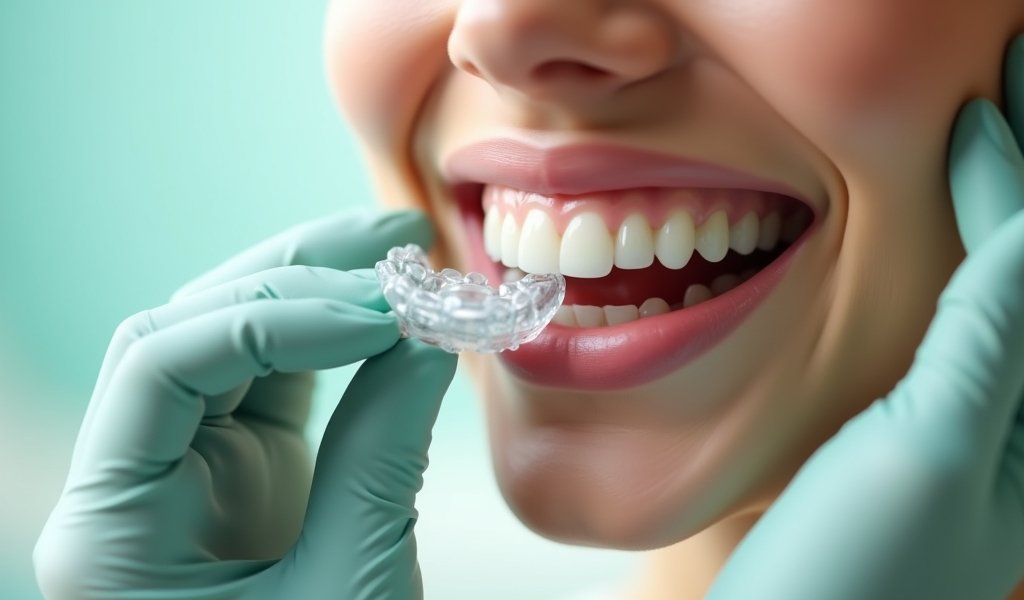
When inserting your aligners, start by placing them over your front teeth and then gently work your way back toward the molars, applying even pressure with your fingertips. Avoid biting your aligners into place—this common mistake can create uneven pressure, potentially damaging the aligner and causing unnecessary discomfort. Think of it like putting on a glove; you wouldn’t force all your fingers in at once, but rather ease into it methodically.
For removal, begin at the back molars on one side, using your fingertip to carefully lift the edge of the aligner away from your gum line. Work your way forward, gently disengaging the aligner from each tooth until you reach the front, then repeat on the opposite side. This approach minimizes stress on both the aligner material and your teeth. Imagine peeling off a sticker—you wouldn’t yank it off in one motion but would gradually lift from one edge.
Dr. Sarah Chen, a board-certified orthodontist, explains, “Many patients try to remove aligners directly from the front teeth, which creates a fulcrum effect that puts excessive pressure on both the teeth and the aligner. Starting from the back distributes the force more evenly and reduces discomfort.”
Consider investing in an aligner removal tool if you find manual removal particularly challenging or painful. These inexpensive plastic hooks are designed to gently lift the edge of your aligner without stressing your teeth or damaging your aligners. They’re especially helpful during those first few days with new aligners when sensitivity is at its peak.
With practice, proper insertion and removal will become second nature, but being mindful of your technique, particularly when beginning a new set of aligners, can significantly reduce unnecessary pain and extend the lifespan of your aligners.
Switching Aligners Before Bedtime
Timing is everything when it comes to minimizing Invisalign discomfort, and making the switch to new aligners right before bed might be the smartest pain management strategy in your orthodontic arsenal. This simple schedule adjustment can transform your experience with each new set of aligners.
When you insert a new aligner, the initial pressure is typically at its most intense during the first 4-6 hours. By changing aligners before sleeping, you’re essentially “sleeping through” the most uncomfortable period of adjustment. It’s like boarding a long-distance flight and waking up to find you’ve already crossed an ocean—the journey happens while you’re blissfully unaware.
Your body’s natural sleep cycle also plays a beneficial role here. During deep sleep, your pain perception naturally decreases, and your body ramps up its healing and adaptation processes. Additionally, you’re not talking, eating, or otherwise engaging your oral muscles in ways that might intensify the awareness of new pressure points.
To maximize this strategy, consider taking an appropriate dose of your preferred over-the-counter pain reliever about 30 minutes before inserting your new aligners and heading to bed. This proactive approach ensures that pain medication is already working as you enter the adjustment period. For extra comfort, you might also rinse with warm salt water just before the aligner change.
Many patients report waking up with significantly less discomfort than expected, having already progressed through the most challenging part of the adjustment period. While you might still experience some tenderness the next morning, it’s typically far less intense than what you’d feel if you made the switch during your active daytime hours.
If nighttime anxiety about potential discomfort interferes with your ability to fall asleep, consider incorporating relaxation techniques into your bedtime routine. Deep breathing exercises, gentle stretching, or meditation can help reduce tension and make it easier to drift off despite the new sensation in your mouth.
Using Chewies to Better Seat Aligners
Those little cylindrical foam pieces that came with your Invisalign kit aren’t just orthodontic accessories—they’re powerful tools for reducing pain and improving treatment efficiency. Aligner chewies, as they’re commonly called, help seat your aligners properly against your teeth, ensuring even pressure distribution and potentially reducing discomfort.
When aligners don’t fit snugly, they can create pressure points in certain areas while leaving gaps in others. This uneven force distribution not only causes unnecessary pain but can also reduce treatment effectiveness. Chewies work like tiny personal trainers for your aligners, helping them embrace your teeth in a perfect, gap-free hug.
To use chewies effectively, place the foam cylinder between your teeth over the area where your aligner feels loose or isn’t fully seated. Gently bite down and release repeatedly for about 3-5 minutes, moving the chewie around to different areas of your mouth. This rhythmic chewing motion helps the aligner conform more precisely to your teeth’s surfaces.
Counterintuitively, properly seated aligners often cause less pain than poorly fitted ones. Dr. Michael Renwick, an orthodontist specializing in clear aligner therapy, explains: “It’s similar to wearing shoes that are the right size versus shoes that pinch in some spots and slip in others. Even though properly seated aligners apply more consistent pressure, that pressure is distributed evenly, resulting in less localized pain.”
For maximum benefit, use chewies several times a day during the first few days with new aligners, when the fit is least optimal. Many patients find that a few minutes with chewies in the morning, at lunchtime, and before bed can dramatically improve comfort levels throughout treatment.
Keep your chewies clean by rinsing them after each use and occasionally washing them with mild soap and water. While they’re designed to be reused, plan to replace them every few weeks as they become compressed and less effective over time.
Embracing a Soft Food Diet
While Invisalign offers the luxury of removing your aligners for meals—unlike traditional braces—what you eat during those breaks can significantly impact your comfort level. During the adjustment period with new aligners, embracing a soft food diet isn’t just a comfort measure; it’s a strategic approach to managing orthodontic discomfort.
When your teeth are actively moving, they become more sensitive to pressure and temperature. Biting into hard foods like crusty bread, raw vegetables, or tough meats can intensify the already present soreness. Imagine your teeth as a newly renovated room—the paint is still wet, and you want to minimize traffic until everything is fully set.
For the first 2-3 days after switching to new aligners, consider prioritizing nutritious soft foods like scrambled eggs, yogurt, smoothies, soups, mashed potatoes, pasta, and well-cooked vegetables. These options provide necessary nutrients while giving your teeth a temporary reprieve from heavy chewing forces. Protein-rich options like Greek yogurt, cottage cheese, and smoothies with protein powder are particularly beneficial, as protein supports tissue repair during this adjustment period.
Cold soft foods offer the added benefit of temperature-based pain relief. Foods like chilled yogurt, ice cream, or cold applesauce can temporarily numb sensitive gums while providing nourishment. Conversely, very hot foods might intensify sensitivity, so lukewarm or cool options often prove more comfortable.
According to a study in the American Journal of Orthodontics and Dentofacial Orthopedics, patients who modified their diets during orthodontic adjustment periods reported significantly lower pain scores than those who maintained their regular eating habits. The researchers suggested that reduced mechanical stimulation allowed for faster adaptation to new pressure points.
Remember that this dietary adjustment is temporary—within a few days, as your mouth adapts to the new aligners, you can gradually reintroduce your normal foods. Think of it as a small compromise for the bigger goal of a comfortable orthodontic journey and a beautiful smile at the end.
When to Contact Your Orthodontist
While some discomfort during Invisalign treatment is normal and expected, there are situations when professional intervention might be necessary. Knowing where to draw the line between typical adjustment pain and problematic symptoms can save you unnecessary suffering and potential complications.
Contact your orthodontist if you experience severe pain that doesn’t improve after 3-5 days with a new aligner. While initial discomfort is common, persistent severe pain could indicate an issue with the fit of your aligners or an underlying dental problem that needs attention. Think of pain as your body’s alarm system—occasional alerts are normal, but a constantly blaring alarm requires investigation.
Sharp or cutting pain, particularly if localized to a specific tooth or area, warrants professional evaluation. Unlike the dull, aching pressure that typically accompanies tooth movement, sharp pain might signal a cracked aligner, an improperly fitting attachment, or even an unrelated dental issue like a cavity or infection.
Bleeding gums that persist beyond gentle initial irritation should also prompt a call to your orthodontist. While minor gum irritation can occur as aligners rub against tender tissue, continuous or substantial bleeding isn’t part of the normal adjustment process.
If your aligner cracks, breaks, or doesn’t seem to fit properly despite using chewies and proper insertion techniques, don’t wait until your next scheduled appointment to address the issue. Continuing to use a damaged or poorly fitting aligner can potentially derail your treatment progress and cause unnecessary discomfort.
Most importantly, trust your instincts. Dr. James Reynolds, a veteran orthodontist, advises: “Patients often have an intuitive sense when something doesn’t feel right beyond normal adjustment discomfort. I always encourage patients to reach out with concerns rather than struggling through what might be an unnecessary or potentially problematic situation.”
When contacting your orthodontist about pain or discomfort, be specific about the location, intensity, and duration of your symptoms. This information helps them determine whether you need an in-person evaluation or if they can offer advice for managing the situation at home until your next appointment.
Conclusion
Navigating through Invisalign discomfort is an inevitable part of your journey toward a more confident smile, but it doesn’t have to derail your experience or quality of life. By incorporating these ten proven relief strategies—from strategic timing of aligner changes to embracing cold therapy and proper insertion techniques—you can significantly reduce pain while keeping your treatment on track.
Remember that discomfort during Invisalign treatment is typically temporary and cyclical. The first few days with each new set of aligners might challenge your patience, but as your teeth adjust to their new positions, relief follows. This pattern of adjustment and adaptation continues throughout your treatment, often becoming more manageable as you develop your personal comfort toolkit and your body becomes accustomed to the process.
Perhaps most importantly, maintain open communication with your orthodontic team. They’ve guided countless patients through the same journey and can offer personalized advice based on your specific situation. Don’t hesitate to reach out if pain persists or seems unusually severe—sometimes a minor adjustment to your treatment plan can make a significant difference in your comfort.
Your smile transformation is a marathon, not a sprint. By approaching Invisalign discomfort with these proven strategies and a positive mindset, you’re not just enduring the process—you’re mastering it. The temporary discomfort you manage today is paving the way for years of confident smiling tomorrow.
Frequently Asked Questions
How long does Invisalign pain typically last?
Invisalign discomfort usually peaks during the first 2-3 days after inserting a new aligner set, then gradually subsides. Most patients find the pain is minimal or gone by day 4 or 5 with each new aligner.
Is Invisalign pain worse than traditional braces?
Most patients report that Invisalign causes less pain than traditional braces. The gradual, precisely controlled movements and absence of metal components typically result in milder discomfort compared to conventional orthodontics.
Can I take my aligners out if the pain is too severe?
While it’s tempting, removing aligners for extended periods due to pain can prolong your treatment and potentially increase discomfort. Instead, try pain management techniques and contact your orthodontist if relief isn’t achieved.
Why does my new aligner feel so tight?
Each new aligner is designed to move your teeth to the next position in your treatment plan, creating initial tightness as it applies pressure. This tightness indicates the aligner is working properly to shift your teeth toward their ideal positions.
Can I use numbing gels for Invisalign pain?
Benzocaine-based oral numbing gels can provide temporary relief from Invisalign discomfort. Apply to irritated areas after removing your aligners, wait for the area to dry completely before reinserting, and use sparingly as directed on the packaging.