
Overview
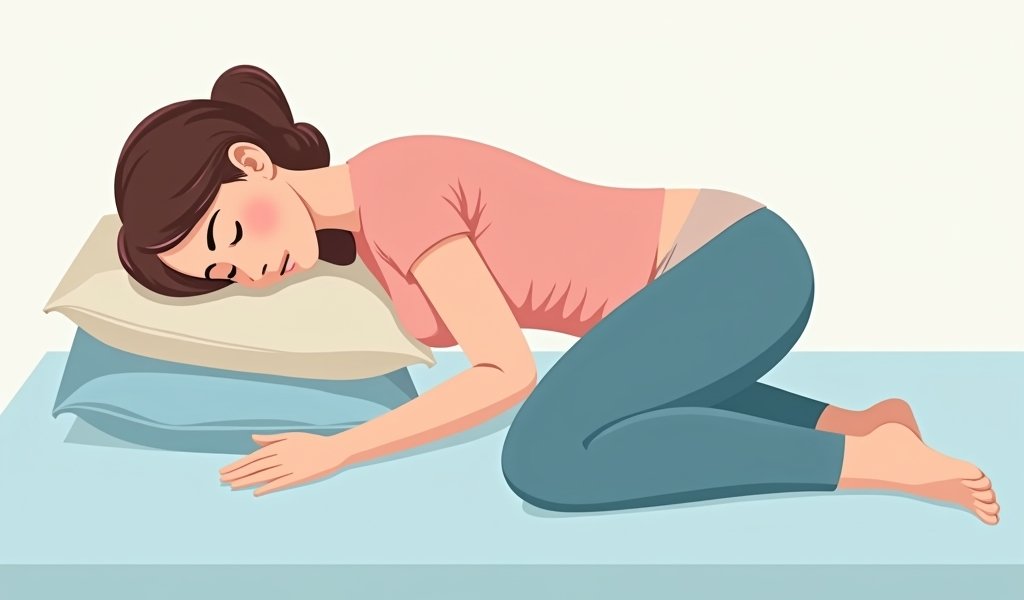
Side sleeping shouldn’t feel like your hip just ran a marathon! This article outlines seven effective strategies for reducing hip pain while side sleeping, including choosing the right mattress, using supportive pillows between the knees, performing pre-bedtime stretches, optimizing sleep position, adding a mattress topper, applying heat/cold therapy, and strengthening supporting muscles.
Table of Contents
- Understanding Hip Pain for Side Sleepers
- Tip 1: Choose the Right Mattress
- Tip 2: Use a Supportive Pillow Between Your Knees
- Tip 3: Stretching Exercises Before Bed
- Tip 4: Optimize Your Sleeping Position
- Tip 5: Invest in a Mattress Topper
- Tip 6: Heat and Cold Therapy
- Tip 7: Strengthen Supporting Muscles
- When to See a Doctor
- Conclusion
- Frequently Asked Questions
Does this sound familiar? You crawl into bed after a long day, excited for some restful sleep, only to wake up with your hip feeling like it’s been through an intense workout. You’re definitely not alone. Hip pain from side sleeping affects countless adults, turning what should be restful nights into uncomfortable experiences.
Side sleeping is incredibly popular, with research showing approximately 60% of adults prefer this position. While it has many benefits, including reduced snoring and better spinal alignment for some, it can create pressure points that lead to hip discomfort.
When you sleep on your side, your body weight concentrates on a smaller surface area, particularly around your shoulders and hips. For many people, this pressure can lead to pain, stiffness, and even disrupted sleep. But before you resign yourself to uncomfortable mornings, I’m excited to share seven proven techniques that can transform your side-sleeping experience from painful to peaceful.
Understanding Hip Pain for Side Sleepers
Your hip joint works as a crucial connector in your body, handling pressure from multiple directions while maintaining your mobility. When you sleep on your side, this joint becomes the primary contact point bearing much of your body weight against the mattress.
This concentrated pressure can compress the soft tissues (muscles, tendons, and bursae) between your hip bone and the sleeping surface, potentially leading to inflammation and pain. According to research published in the Journal of Physical Therapy Science, improper sleeping positions can significantly contribute to musculoskeletal pain, including hip discomfort.
Several conditions can exacerbate side-sleeping hip pain:
- Trochanteric bursitis (inflammation of the fluid-filled sac near the hip joint)
- Osteoarthritis in the hip
- Hip tendinitis
- Muscle imbalances around the pelvis
- Previous injuries or surgeries
When your spine isn’t properly aligned during side sleeping, it creates a chain reaction that pulls your hip joint out of optimal position. This misalignment increases pressure on certain areas, potentially leading to pain that can disrupt your sleep and affect your daily activities. Visiting a chiropractic wellness center can provide personalized insights into how your sleeping posture affects your hip health.

Tip 1: Choose the Right Mattress
Your mattress plays a starring role in preventing hip pain. Think of it as the foundation for healthy sleep – when it’s not providing proper support, everything else becomes more challenging.
For side sleepers with hip pain, you need a mattress that offers the perfect balance: supportive enough to maintain proper alignment, yet soft enough to cushion pressure points. Sleep experts recommend mattresses that allow your shoulder and hip to sink in slightly, creating a straight spinal alignment.
Memory foam and hybrid mattresses often excel for side sleepers with hip pain. These materials respond to your body’s contours, providing customized support where you need it most. Some newer latex options also offer excellent pressure relief while maintaining support.
Regarding firmness, aim for a medium to medium-soft mattress (typically 4-6 on the firmness scale, with 10 being the firmest). This range provides enough cushioning for pressure points while preventing excessive sinking that could throw your spine out of alignment.
How can you tell when it’s time to replace your mattress? Look for these signs:
- Visible sagging or impressions that remain after you get up
- Waking with increased pain or stiffness
- Age over 7-10 years (depending on mattress type)
- Feeling more comfortable sleeping elsewhere (like a hotel or friend’s guest room)
Investing in a quality mattress might seem expensive initially, but when you consider the impact on your sleep quality and pain levels – not to mention that you’ll spend roughly one-third of your life on it – it’s worth prioritizing in your overall wellness strategy.
Tip 2: Use a Supportive Pillow Between Your Knees
One of the simplest yet most effective strategies for relieving hip pain while side sleeping is placing a supportive pillow between your knees. This small addition works wonders by maintaining proper pelvic alignment and reducing pressure on your hip joint.
When you sleep on your side without a knee pillow, your top leg tends to pull downward, rotating your pelvis and creating tension in your hip area. A pillow between your knees prevents this rotation, keeping your spine more neutral and reducing strain on your hip joint and surrounding muscles.
For maximum benefit, consider these pillow options:
- Contoured knee pillows specifically designed for side sleepers
- Full-body pillows that support both your knees and upper body
- Memory foam options that maintain their shape throughout the night
- Standard pillows folded to the appropriate thickness
The proper positioning is key: place the pillow between your knees and thighs, making sure it’s thick enough to keep your hips aligned with your shoulders. Your top knee should be approximately at hip level – neither too high nor too low – to maintain natural alignment of your spine and pelvis.
Many of my patients report significant improvement in their hip pain after just a few nights of using a knee pillow. It’s a small investment that can make a tremendous difference in your comfort level and sleep quality.
Tip 3: Stretching Exercises Before Bed
Going to bed with tight hip muscles is a recipe for nighttime discomfort. Incorporating a few gentle stretches into your evening routine can help release tension and prepare your body for comfortable side sleeping.
A study published in the Journal of Physical Activity and Health found that regular stretching before bed improved sleep quality and reduced pain in adults with chronic musculoskeletal issues. Even five minutes of targeted stretching can make a significant difference.
Try these simple hip-opening stretches before bed:
- Figure Four Stretch: Lie on your back, cross your right ankle over your left thigh, and gently pull your left thigh toward your chest. Hold for 30 seconds, then switch sides.
- Happy Baby Pose: Lie on your back, bend your knees toward your armpits, and gently hold the outsides of your feet. Gently rock side to side for 30-60 seconds.
- Gentle Hip Rotations: Standing, lift one knee and make small circular motions with your hip, 10 circles in each direction before switching legs.
- Knee-to-Chest Stretch: Lie on your back and gently pull one knee at a time toward your chest, holding for 30 seconds per side.
Creating a consistent pre-bedtime stretching routine signals to your body that it’s time to unwind. This not only helps relieve physical tension in your hips but can also promote better sleep by activating your parasympathetic nervous system – your body’s “rest and digest” mode.
For enhanced benefits, combine these stretches with mindful breathing: inhale slowly through your nose for a count of four, hold briefly, then exhale through your mouth for a count of six. This breathing pattern further promotes relaxation and may help reduce discomfort in your physical wellness routine.
Tip 4: Optimize Your Sleeping Position
Finding the ideal side-sleeping position takes some experimentation, but the rewards – pain-free sleep and energized mornings – are worth the effort. The goal is maintaining neutral spine alignment from your head to your tailbone.
For optimal hip alignment when side sleeping:
- Keep your legs slightly bent (about 30-60 degrees at the knees)
- Ensure your ears, shoulders, and hips form a straight line
- Use pillows strategically to fill gaps between your body and mattress
- Keep your arms in a comfortable position that doesn’t pull on your shoulder joints
Many people find relief by slightly adjusting their position. Instead of lying directly on the side of your hip (where the greater trochanter bone makes contact with the mattress), try tilting slightly forward (about 15 degrees) to reduce direct pressure on the hip joint.
Don’t hesitate to switch sides during the night if discomfort builds up. Alternating which hip bears your weight can prevent excessive pressure on one side. Some side sleepers find that sleeping with a small pillow under their waist provides additional support for the natural curve of their spine.
Remember that your head pillow matters too – it should fill the space between your ear and shoulder, keeping your neck aligned with the rest of your spine. Too high or too low a pillow can create a cascade of misalignment that ultimately affects your hips.

Tip 5: Invest in a Mattress Topper
If replacing your mattress isn’t feasible right now, a quality mattress topper can provide significant relief for hip pain. Think of it as a cost-effective way to transform your sleeping surface without the full investment of a new mattress.
Mattress toppers add a cushioning layer that can significantly reduce pressure points, particularly for side sleepers. They modify the feel of your existing mattress, often providing better contouring and pressure relief.
When shopping for a topper, consider these materials:
- Memory foam: Excellent for pressure relief by conforming to your body’s contours
- Latex: Offers natural responsiveness with good support and cooling properties
- Gel-infused options: Provides pressure relief while helping regulate temperature
- Wool or down alternative: Adds softness with natural temperature regulation
For hip pain relief, look for toppers between 2-4 inches thick. Thinner options may not provide enough cushioning, while excessively thick ones might create too much sink, potentially misaligning your spine.
Quality toppers range from $50-300 depending on materials and thickness. While this represents an investment, it’s considerably less than a new mattress and often less than ongoing treatments for hip pain. Many customers report significant improvement in their hip pain within just a few nights of adding the right topper.
Remember to check your topper’s care instructions – proper maintenance will extend its life and effectiveness. Many toppers now come with removable, washable covers that make hygiene management much simpler.
Tip 6: Heat and Cold Therapy
Heat and cold therapy provide simple yet effective relief options for hip pain. Each works differently, offering unique benefits depending on the nature of your discomfort.
Heat therapy increases blood flow to the area, relaxes tight muscles, and improves tissue elasticity. It’s particularly effective for stiff, achy hips or chronic pain. Apply heat for 15-20 minutes before bedtime to prepare your hips for a comfortable night’s sleep. Options include:
- Warm shower or bath before bed
- Heating pad on a low setting
- Microwavable heat packs
- Adhesive heat wraps designed for overnight use
Cold therapy reduces inflammation and numbs the area, providing relief when hip pain is acute or accompanied by swelling. Cold therapy is particularly effective if your hip pain feels “hot” or inflamed. Apply a cold pack wrapped in a thin towel for 10-15 minutes.
For persistent issues, some people find alternating between heat and cold provides the greatest relief. You might apply heat before bed to relax muscles, then use cold if you wake with pain during the night.
If using electrical heating pads, select models with auto shut-off features for safety during sleep. Research from the American Academy of Orthopedic Surgeons supports the effectiveness of these simple therapies for joint pain management.
Remember to always place a thin barrier between your skin and temperature therapy devices to prevent tissue damage, and never fall asleep with active heating or cooling elements that don’t have automatic shutoff features.
Tip 7: Strengthen Supporting Muscles
Weak muscles around your hips can significantly contribute to nighttime pain. Building strength in these supporting structures improves joint stability, enhances alignment, and provides better support while you sleep.
Focus on strengthening these key muscle groups:
- Hip abductors (outer thigh muscles)
- Hip adductors (inner thigh muscles)
- Core muscles (including deep abdominals)
- Gluteal muscles (particularly the gluteus medius)
Try these simple, effective exercises that don’t require special equipment:
- Clamshells: Lie on your side with knees bent at 45 degrees, feet together. Keep your feet touching while lifting your top knee, like a clamshell opening. Perform 2-3 sets of 10-15 repetitions on each side.
- Bridges: Lie on your back with knees bent and feet flat on the floor. Lift your hips toward the ceiling, squeezing your glutes at the top. Hold for 2-3 seconds before lowering. Aim for 10-15 repetitions.
- Side-lying leg raises: Lie on your side with bottom leg slightly bent for stability. Keep your top leg straight and slowly raise it upward, keeping it aligned with your body. Perform 10-12 repetitions before switching sides.
- Bird-dog: Start on hands and knees. Simultaneously extend your right arm forward and left leg backward while maintaining a stable core. Hold for 3-5 seconds, then switch sides. Complete 8-10 repetitions per side.
Aim to perform these exercises 2-3 times weekly for best results. Studies published in the Journal of Orthopaedic & Sports Physical Therapy have shown that targeted hip strengthening can significantly reduce pain and improve function in people with various hip conditions.
The stronger these muscles become, the better they’ll support your hip during side sleeping, gradually reducing night pain. Many patients notice improvements within 3-4 weeks of consistent exercise.
When to See a Doctor
While the strategies above help many people manage hip pain effectively, certain situations warrant professional medical attention. Being proactive about seeking care can prevent minor issues from becoming chronic problems.
Contact a healthcare provider if you experience:
- Pain that persists or worsens despite trying these remedies for 2-3 weeks
- Hip pain accompanied by fever, redness, or noticeable swelling
- Pain that radiates down your leg or causes numbness/tingling
- Difficulty bearing weight on the affected side
- Hip pain following a fall or injury
- Pain that significantly disrupts your sleep or daily activities
A healthcare professional might recommend:
- Physical therapy with specialized hip exercises
- Prescription anti-inflammatory medications
- Corticosteroid injections for severe inflammation
- Imaging tests (X-ray, MRI) to evaluate joint health
- In rare cases, surgical intervention
Conditions requiring more than self-care might include severe hip osteoarthritis, labral tears, or bursitis that has become chronic. Remember, seeking help isn’t admitting defeat – it’s taking control of your health.
Many people find that a combination of professional care and the self-management techniques we’ve discussed provides the most comprehensive relief. Working with healthcare providers who understand the importance of sleep positioning can help you develop a personalized plan for pain-free nights.
Conclusion
Hip pain from side sleeping doesn’t have to be your nightly companion. By implementing these seven proven strategies – selecting the right mattress, using supportive pillows, stretching before bed, optimizing your sleeping position, adding a mattress topper, applying appropriate temperature therapy, and strengthening supporting muscles – you can transform your sleep experience.
For best results, consider combining multiple approaches. Like pieces of a puzzle, these strategies work together to address different aspects of hip discomfort, creating a comprehensive solution tailored to your needs.
Remember that quality sleep isn’t a luxury – it’s essential for your physical and mental well-being. Your body repairs itself during sleep, and chronic pain can interfere with this vital process, affecting everything from your immune function to your mood and cognitive abilities.
Be patient with yourself as you implement these changes. Some strategies, like strengthening exercises, may take several weeks to show results, while others, like using a knee pillow, often provide immediate relief.
With consistent attention to these proven techniques, you can look forward to more restful nights and pain-free mornings. Your hips – and your whole body – will thank you.
Frequently Asked Questions
Is memory foam good for side sleepers with hip pain?
Yes, memory foam is often excellent for side sleepers with hip pain because it contours to your body, relieving pressure points. Look for medium firmness that provides both cushioning and support.
How long should I stretch my hips before bed?
Even 5-10 minutes of gentle hip stretching before bed can make a significant difference. Consistency is more important than duration, so aim for brief daily stretching rather than occasional longer sessions.
Can sleeping on my side cause bursitis?
Side sleeping doesn’t directly cause bursitis, but it can aggravate existing inflammation in the hip bursa. Using proper support and changing positions throughout the night helps reduce pressure on vulnerable hip structures.
Should I sleep on the painful hip or the other side?
Generally, avoid sleeping directly on the painful hip and favor your non-affected side. If both hips are uncomfortable, try slightly tilting forward with pillow support or temporarily switching to back sleeping.
Will losing weight help my hip pain during sleep?
If you’re carrying excess weight, even modest weight loss can reduce pressure on your hip joints during side sleeping. Studies show that losing just 10 pounds can decrease joint load by up to 40 pounds.