
Overview
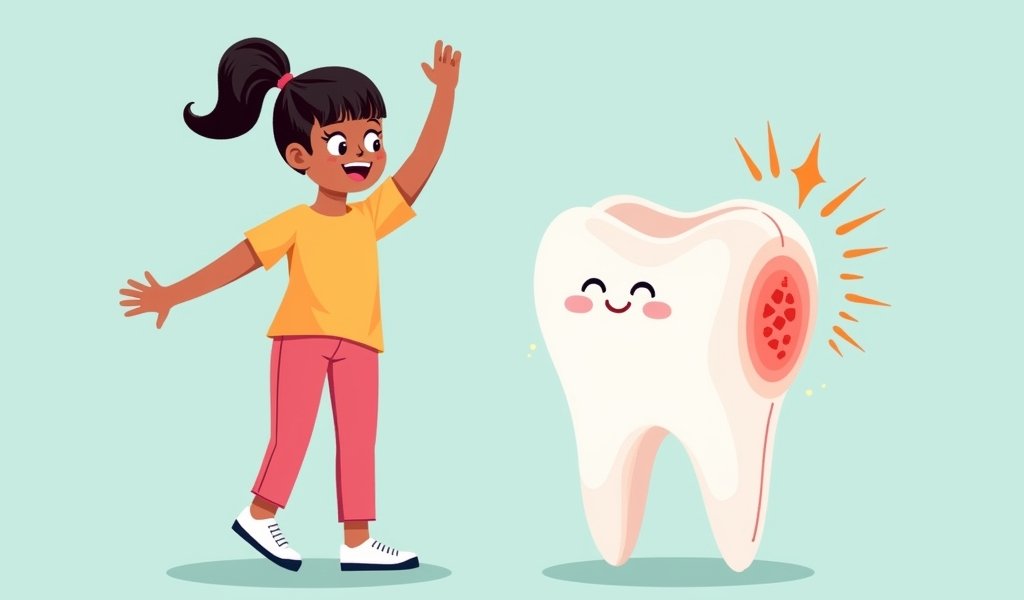
When tooth pain has you fantasizing about DIY extractions with household pliers, know that antibiotics typically begin reducing dental infection pain within 24-48 hours, but they’re only a temporary fix that fights bacteria without addressing the underlying dental issue. For complete resolution, you must finish the entire antibiotic course (usually 7-10 days), manage pain with OTC medications and home remedies while waiting for antibiotics to work, and most importantly, follow up with a dentist for proper treatment of the root cause to prevent recurrence.
Table of Contents
- Understanding Tooth Pain and Antibiotics
- How Soon Will Antibiotics Stop Tooth Pain?
- Which Antibiotics Work Best for Dental Infections?
- Managing Tooth Pain While Waiting for Antibiotics to Work
- When to See Your Dentist Immediately
- Prevention Tips for Avoiding Future Dental Infections
- Conclusion
- Frequently Asked Questions
Understanding Tooth Pain and Antibiotics
If you’ve ever experienced a throbbing toothache, you know it can be absolutely debilitating. That sharp, persistent pain makes eating, speaking, and even sleeping nearly impossible. When facing severe tooth pain, many patients wonder how soon will antibiotics stop tooth pain once they start treatment. As a dental professional, I can tell you that while antibiotics play a crucial role in treating dental infections, their timeline and effectiveness depend on several factors.
Tooth pain typically stems from infection or inflammation in the pulp—the innermost part of your tooth containing nerves and blood vessels. When bacteria invade this area, often through untreated cavities or cracks, they can trigger an infection that spreads to surrounding tissues and even into the jawbone. This is where antibiotics come in.
Antibiotics work by killing or preventing the growth of bacteria causing the infection. However, they don’t directly address the source of the problem or immediately eliminate pain. Instead, they help your body fight the infection that’s causing the discomfort. Understanding this distinction is crucial for managing your expectations about dental health and wellness treatment timelines.
The effectiveness of antibiotics for dental pain depends on several factors: the type and severity of your infection, your overall health, the specific antibiotic prescribed, and whether you’re following the prescribed dosage correctly. Let’s dive deeper into what you can realistically expect when taking antibiotics for tooth pain.
How Soon Will Antibiotics Stop Tooth Pain?
The million-dollar question: how quickly will those antibiotics kick in and provide relief? Most patients begin to notice some improvement in their symptoms within 24-48 hours after starting antibiotic treatment. However, this timeline varies significantly from person to person.
For mild to moderate infections, you might experience a noticeable reduction in pain, swelling, and fever within the first two days. The initial relief often comes from the antibiotics beginning to reduce the bacterial load, which in turn decreases inflammation and pressure in the affected area.
For more severe infections, it might take 2-3 days before you feel substantial improvement. In some cases, particularly with aggressive infections or abscesses, pain relief might be minimal until the infection is significantly controlled, which can take up to 7 days.
It’s important to understand that antibiotics aren’t painkillers. They fight the infection causing your pain but don’t directly block pain signals. This is why your dentist might also recommend over-the-counter pain relievers like ibuprofen or acetaminophen to manage discomfort while the antibiotics do their job.
Even if your pain subsides completely, you must finish the entire course of antibiotics as prescribed—typically 7-10 days. Stopping early because you feel better can allow surviving bacteria to multiply again, potentially creating antibiotic-resistant strains. According to research from the CDC, this is one of the most common mistakes patients make when taking antibiotics for dental infections.

Which Antibiotics Work Best for Dental Infections?
Not all antibiotics are created equal when it comes to dental infections. Dentists typically prescribe specific types that target the bacteria commonly found in the mouth and dental abscesses. Understanding which medication you’re taking can help you set reasonable expectations about timing and effectiveness.
Amoxicillin is often the first-line antibiotic for dental infections. It’s a broad-spectrum penicillin that works against many types of bacteria and typically starts providing relief within 24-48 hours. For patients allergic to penicillin, alternatives like clindamycin, azithromycin, or erythromycin may be prescribed.
In more severe cases, your dentist might prescribe Augmentin (amoxicillin with clavulanic acid), which has enhanced effectiveness against certain resistant bacteria. This combination can sometimes work faster against stubborn infections, potentially providing relief within the first day of treatment.
Metronidazole is sometimes combined with amoxicillin for particularly severe infections. This combination targets a wider range of bacteria, including anaerobic bacteria that thrive in oxygen-poor environments like deep dental abscesses. This powerful combination often produces noticeable improvement within 24-36 hours.
The specific antibiotic prescribed will depend on your dental history, the severity of your infection, your overall health, and any allergies you may have. A qualified wellness clinic near you can provide personalized advice about which antibiotic might work fastest for your specific condition.
Managing Tooth Pain While Waiting for Antibiotics to Work
The hours or days while waiting for antibiotics to take effect can feel like an eternity when you’re in pain. Fortunately, there are several effective strategies to manage tooth pain during this critical window.
Over-the-counter pain relievers can be extremely helpful. Ibuprofen (Advil, Motrin) not only reduces pain but also fights inflammation—a double benefit for dental infections. Acetaminophen (Tylenol) is another good option, especially if you can’t take NSAIDs. Many dentists recommend alternating between these medications for maximum relief, but always consult your healthcare provider about the right approach for you.
Cold compresses applied to the outside of your cheek for 15-20 minutes can temporarily numb the area and reduce swelling. Just be sure to wrap the ice pack in a thin towel to protect your skin, and take breaks between applications.
Saltwater rinses are remarkably effective for temporary pain relief and keeping the infection site clean. Mix half a teaspoon of salt in 8 ounces of warm water and gently rinse your mouth for 30 seconds, several times throughout the day. According to the American Dental Association, saltwater rinses can help reduce bacteria levels while your antibiotics begin working.
Clove oil contains eugenol, a natural anesthetic that can provide temporary relief when applied directly to the painful area. Soak a cotton ball in a few drops of clove oil diluted with a carrier oil like olive oil, and gently place it near the affected tooth.
Avoid hot, cold, sweet, or acidic foods and beverages that might trigger pain. Stick to soft, mild foods that won’t irritate the sensitive area. Sleeping with your head elevated can also reduce throbbing pain by decreasing blood pressure to the affected area.
When to See Your Dentist Immediately
While antibiotics can help control dental infections, they’re not a substitute for proper dental treatment. It’s crucial to understand when you should seek immediate care rather than waiting for antibiotics to work.
If you experience facial swelling that extends to your eye, neck, or affects your breathing or swallowing, seek emergency care immediately. These symptoms could indicate a serious infection called Ludwig’s angina or cellulitis, which can be life-threatening if not treated promptly.
High fever (over 101°F or 38.3°C) accompanying tooth pain suggests your infection might be spreading and requires immediate attention. Similarly, if you experience extreme fatigue, confusion, rapid heartbeat, or difficulty breathing alongside dental pain, these could be signs of a systemic infection requiring emergency care.
If your pain becomes severely worse rather than gradually better after 48 hours on antibiotics, this could indicate that the infection is resistant to the prescribed antibiotic or that a different problem is causing your pain. Recent studies show that delayed treatment of advancing dental infections can lead to serious complications.
Remember that antibiotics are a temporary measure to control infection—not a permanent solution. Even if antibiotics completely eliminate your pain, you still need to address the underlying cause through proper dental treatment like a filling, root canal, or extraction. Without this follow-up care, the infection will almost certainly return, potentially more resistant to antibiotics than before.
Prevention Tips for Avoiding Future Dental Infections
The best way to avoid the whole “how soon will antibiotics stop tooth pain” question is to prevent dental infections in the first place. Implementing these five essential prevention strategies can save you from future pain, expense, and antibiotic courses.
First, maintain consistent oral hygiene. Brush twice daily with fluoride toothpaste, floss daily, and consider adding an antimicrobial mouthwash to your routine. This simple habit removes the bacteria and food particles that can lead to decay and infection. As noted by Mayo Clinic experts, consistent oral hygiene is your first line of defense against dental problems.
Second, don’t skip regular dental check-ups. Professional cleanings and examinations every six months can catch problems before they develop into painful infections. Your dentist can spot early signs of decay, cracks, or gum disease that might not be causing symptoms yet.
Third, address dental problems promptly. That small cavity or minor crack won’t heal itself—and will likely get worse. What starts as a simple, inexpensive fix can quickly develop into a complicated infection requiring antibiotics, root canals, or extractions if ignored.
Fourth, be mindful of your diet. Limiting sugary foods and beverages reduces the fuel that oral bacteria use to produce the acids that damage teeth. Acidic foods and drinks can also erode enamel over time, creating entry points for bacteria.
Finally, protect your teeth from trauma. Wear mouthguards during sports, avoid using your teeth as tools to open packages, and don’t chew ice or hard candies that can crack teeth. Physical damage creates pathways for bacteria to enter the inner structures of your teeth.
Incorporating these preventive strategies into your comprehensive wellness services routine won’t just save you from dental pain—it will contribute to your overall health, as oral health is increasingly linked to systemic conditions like heart disease and diabetes.
Conclusion
So, how soon will antibiotics stop tooth pain? While you can generally expect some relief within 24-48 hours, complete resolution may take several days depending on the severity of your infection. Remember that antibiotics are just one part of the solution—they fight the infection causing your pain but don’t address the underlying dental issue.
While waiting for antibiotics to work, use appropriate pain management techniques like over-the-counter pain relievers, cold compresses, and saltwater rinses. Most importantly, follow up with your dentist even if your symptoms resolve completely. The underlying cause—whether it’s decay, a cracked tooth, or gum disease—needs proper treatment to prevent recurrence.
Dental infections should always be taken seriously. They can spread to neighboring tissues and, in rare cases, lead to life-threatening situations if left untreated. Never rely on antibiotics alone as a permanent solution for dental problems.
By understanding how antibiotics work, setting realistic expectations about their timeline, knowing when to seek emergency care, and implementing preventive strategies, you can better manage dental pain and protect your oral health for the long term. Your smile—and your whole body—will thank you for it.
Frequently Asked Questions
How long should I wait for antibiotics to work on tooth pain before calling my dentist?
If you don’t notice any improvement after 48 hours, contact your dentist. Severe pain that worsens after starting antibiotics requires immediate attention.
Can I stop taking antibiotics once my tooth pain goes away?
No, you must complete the entire course as prescribed, typically 7-10 days. Stopping early can lead to antibiotic resistance and returning infection.
Will antibiotics completely cure my tooth infection?
Antibiotics only control the infection temporarily but don’t address the underlying cause. You’ll still need proper dental treatment like a filling, root canal, or extraction.
Can I take pain relievers while on antibiotics for tooth pain?
Yes, most dentists recommend taking over-the-counter pain relievers like ibuprofen or acetaminophen while waiting for antibiotics to work. Always check with your healthcare provider about potential interactions.
Why isn’t my tooth pain improving even after taking antibiotics for several days?
The infection might be resistant to the prescribed antibiotic, or there could be another cause for your pain. Contact your dentist if pain persists or worsens after 2-3 days of antibiotic treatment.