

Overview
Hot oil treatments are like sending your parched hair to a tropical vacation – they deeply moisturize, strengthen, and protect strands while promoting scalp health through the penetrating power of warmed natural oils. The article details the science behind these treatments, recommends specific oils for different hair types, and provides a step-by-step guide for at-home application, emphasizing their ability to transform hair from dull and damaged to healthy and vibrant with regular use.
Table of Contents
- Understanding Hot Oil Treatments
- The Science Behind Hot Oil Treatments
- Benefit 1: Deep Moisturization and Hydration
- Benefit 2: Strengthens Hair and Prevents Breakage
- Benefit 3: Promotes Scalp Health
- Benefit 4: Enhances Shine and Appearance
- Benefit 5: Protects Against Environmental Damage
- How to Do a Hot Oil Treatment at Home
- Best Oils for Different Hair Types
- How Often Should You Do Hot Oil Treatments
- Conclusion
- Frequently Asked Questions
Hot oil treatments have been a cherished hair care ritual across cultures for centuries, and for good reason. When your locks are feeling lackluster, dry, or damaged, nothing quite compares to the restorative power of warmed natural oils. As a health professional who specializes in holistic approaches to beauty, I’ve seen remarkable transformations in clients who incorporate these treatments into their routine.
The beauty of hot oil treatments lies in their simplicity and effectiveness. Unlike commercial products packed with chemicals and synthetic ingredients, hot oil treatments harness the pure nourishing power of nature. They work with your hair’s natural biology rather than against it.
Let’s explore why hot oil treatments deserve a permanent spot in your hair care regimen, and how they can transform your tresses from stressed to silky smooth.
Understanding Hot Oil Treatments
A hot oil treatment is exactly what it sounds like – the application of warmed natural oils to your hair and scalp. It’s essentially a deep conditioning therapy that nourishes and revitalizes from root to tip. Unlike regular conditioners that primarily work on the surface, hot oil treatments penetrate deeper into the hair shaft.
The practice dates back thousands of years. Ancient Egyptians used castor and olive oils to protect their hair from the harsh desert climate. In India, warm oil massages (known as “champi,” from which the word “shampoo” derives) have been a cornerstone of Ayurvedic hair care for millennia.
Today’s hot oil treatments maintain the same core principle while incorporating modern understandings of hair science. They address a wide range of concerns from dryness and brittleness to scalp irritation and dullness – all while being completely natural and customizable to your specific needs.
The Science Behind Hot Oil Treatments
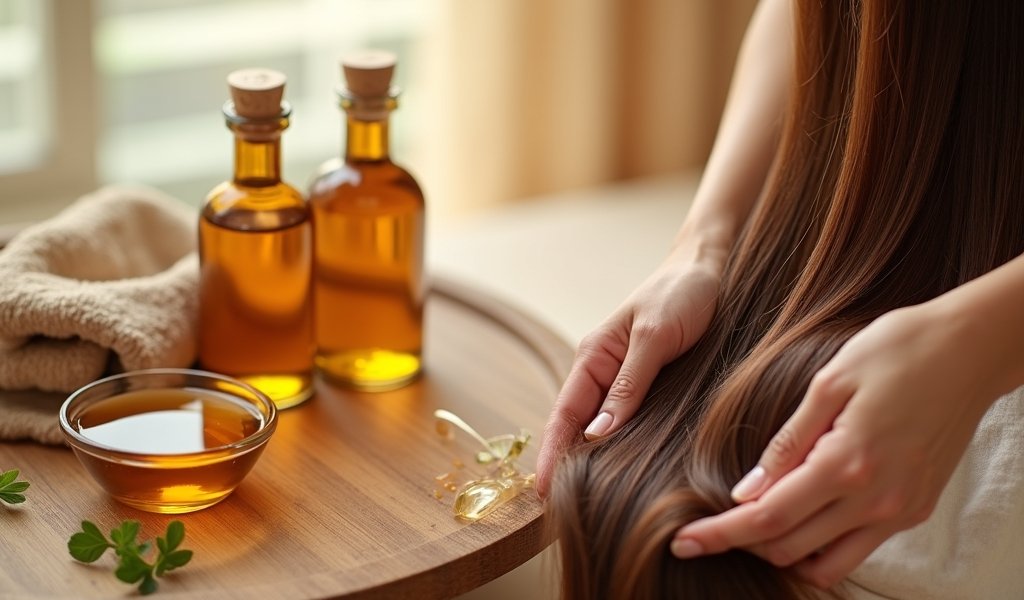
To understand why hot oil treatments are so effective, we need to look at your hair’s structure. Each strand has three layers: the cuticle (outer protective layer), the cortex (middle layer containing pigment and protein), and the medulla (central core). When hair becomes damaged, the cuticle lifts and separates, leaving the inner layers vulnerable.
Here’s where the magic happens: heat causes the hair cuticle to expand, creating microscopic openings. The warmed oil, with its smaller molecular structure, can then penetrate beyond the cuticle into the cortex. When the hair cools, the cuticle contracts, sealing the nourishing oils inside.
Different oils have different fatty acid compositions that benefit hair in unique ways. For example, coconut oil’s lauric acid has a particular affinity for hair proteins, allowing it to penetrate the hair shaft more effectively than most other oils. This is why it’s often considered the gold standard for hot oil treatments.
The temperature is crucial – warm enough to open the cuticle (about 100°F or the temperature of a warm shower) but not so hot that it damages the proteins in your hair or burns your scalp. This gentle warming activates the oils and enhances their distribution and penetration.
Benefit 1: Deep Moisturization and Hydration
The primary benefit of hot oil treatments is their unparalleled ability to deliver deep, lasting moisture. Unlike water-based products that evaporate quickly, oils create a protective barrier that locks hydration into your hair shaft.
For those with naturally dry hair types (especially curly and coily textures), this moisture infusion is transformative. These hair types have a structure that makes it difficult for natural scalp oils to travel down the hair shaft, leaving the ends chronically parched. A hot oil treatment bridges this gap, delivering hydration where it’s needed most.
The results speak for themselves. After just one treatment, hair that once felt like straw can become remarkably soft and supple. Split ends appear less prominent (though they can only truly be fixed with a trim), and that annoying halo of frizz is notably tamed.
What makes oil-based hydration superior to water-based moisturizers? Oils have staying power. They don’t evaporate, and many (like coconut and olive) have molecular structures small enough to penetrate the hair shaft rather than just sitting on the surface. This means the moisturizing effects can last for days between washes, unlike temporary fixes that disappear after your next shampoo.
Benefit 2: Strengthens Hair and Prevents Breakage
Strong hair is resilient hair. When your strands lack proper nourishment, they become brittle and prone to breakage – a bit like a plant that hasn’t been watered. Hot oil treatments address this vulnerability by strengthening hair from within.
Certain oils, particularly coconut oil, have been scientifically proven to reduce protein loss in hair. According to research published in the Journal of Cosmetic Science, coconut oil can reduce protein loss in both damaged and undamaged hair. This protection occurs both before and after washing, making it an excellent pre-wash treatment.
The practical benefit? Significantly less hair in your brush and around your shower drain. Clients who incorporate regular hot oil treatments into their routine typically report noticing up to 50% less breakage within just a few weeks. This is particularly valuable for those with fine or processed hair that’s prone to snapping.
The strengthening effect comes from the oils’ ability to temporarily fill in gaps in the damaged cuticle while also providing essential fatty acids that improve elasticity. Think of it as internal scaffolding that gives your hair the structural support it needs to withstand daily stresses from brushing, styling, and environmental factors.
Benefit 3: Promotes Scalp Health
Healthy hair starts with a healthy scalp – it’s the foundation from which your hair grows. Many common hair concerns, from excess shedding to lackluster growth, can be traced back to scalp issues.
Hot oil treatments nourish the scalp in several important ways. The massage technique used during application improves blood circulation, which delivers oxygen and nutrients to hair follicles. This improved circulation can stimulate growth and help maintain follicle health.
For those dealing with dandruff or dry, flaky scalp (especially during winter months), oils like tea tree, coconut, and olive can provide relief by dissolving built-up dead skin cells and restoring moisture balance. The antimicrobial properties of some oils also help address the underlying causes of certain scalp conditions.
In my wellness services practice, I’ve seen remarkable improvements in clients with chronic scalp conditions who incorporate regular hot oil treatments. One client with seborrheic dermatitis found that weekly warm coconut oil treatments, combined with a few drops of tea tree oil, provided more relief than medicated shampoos she had used for years.
Remember: your scalp is skin, and like the skin on your face, it benefits from proper hydration and gentle exfoliation. Hot oil treatments address both needs simultaneously.
Benefit 4: Enhances Shine and Appearance
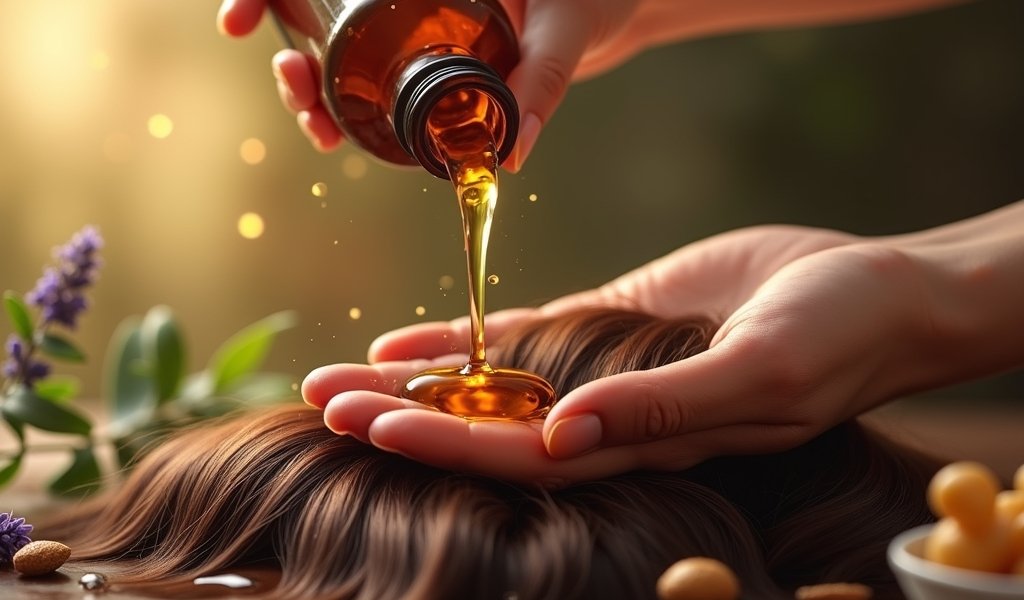
When light hits a smooth surface, it reflects more evenly, creating the visual effect we perceive as shine. Damaged hair has a rough cuticle surface that scatters light in different directions, resulting in a dull appearance. Hot oil treatments help flatten and smooth the cuticle, creating a more reflective surface.
Unlike commercial shine products that create temporary shine through silicones and synthetic coatings, hot oil treatments enhance your hair’s natural luster from within. The difference is authentic and lasting – your hair doesn’t just look healthier; it actually is healthier.
The visual transformation can be dramatic. Clients often report that their hair not only feels different but looks visibly rejuvenated after just one treatment. Colors appear more vibrant, grays look less wiry, and the overall appearance is more polished even without styling products.
For those who color their hair, regular hot oil treatments can help maintain vibrancy between salon visits. The sealed cuticle prevents color molecules from escaping as quickly, extending the life of your color investment. It’s a natural way to protect your hair investment while enhancing its appearance.
Benefit 5: Protects Against Environmental Damage
Your hair faces a daily assault from environmental aggressors: UV radiation, pollution, extreme temperatures, and humidity. Over time, this exposure can lead to structural damage, color fading, and overall deterioration in hair health.
Hot oil treatments create a protective barrier against these damaging elements. The oil coating on each strand acts as a buffer between your hair and environmental stressors, much like how sunscreen protects your skin from UV damage.
This protection is especially valuable for those who heat style regularly. Applied before blow-drying or using hot tools, oils can provide a natural heat protectant. According to research published in the Journal of Photochemistry and Photobiology, certain natural oils can absorb UV radiation that would otherwise damage the hair’s protein structure.
The protective benefit extends to chemical processing as well. If you’re planning to color, bleach, or perm your hair, doing a hot oil treatment 2-3 days beforehand can strengthen your strands and prepare them to better withstand the chemical process. Many professional colorists recommend this pre-treatment approach to their clients for this very reason.
Consider hot oil treatments an investment in your hair’s longevity – they help preserve its integrity against the cumulative damage that leads to premature aging of your strands.
How to Do a Hot Oil Treatment at Home
One of the best things about hot oil treatments is that they’re easy to do at home and don’t require expensive products. Here’s a simple step-by-step guide to get you started:
- Choose your oil or oil blend based on your hair’s needs (more on specific oils below)
- Measure 2-4 tablespoons depending on your hair length and thickness
- Warm the oil gently by placing the container in hot water (never microwave oils directly as this can create hot spots)
- Test the temperature on your wrist – it should feel warm, not hot
- Apply to dry hair, beginning at the scalp and massaging gently for 3-5 minutes
- Work the oil down to the ends, paying special attention to damaged areas
- Cover with a shower cap or plastic wrap
- Wrap a warm towel around your head to maintain the heat (or use a hooded dryer on low heat)
- Leave on for 30 minutes (or overnight for intensive treatment)
- Wash thoroughly with shampoo, potentially twice to remove all oil
- Condition as usual
For enhanced benefits, consider adding 2-3 drops of essential oils like rosemary (for growth), lavender (for relaxation), or tea tree (for scalp issues). This turns your hot oil treatment into a multi-sensory spa and wellness experience at home.
Pro tip: Apply oils before shampooing, not after. This allows you to thoroughly remove excess oil while still retaining the internal benefits.
Best Oils for Different Hair Types
Not all oils are created equal when it comes to hair care. Your hair’s porosity, thickness, and condition should guide your oil selection. Here are some recommendations:
For Fine Hair:
- Argan oil – lightweight, absorbs quickly, won’t weigh hair down
- Grapeseed oil – light, promotes shine without heaviness
- Jojoba oil – closely mimics natural scalp oils, balances oil production
For Thick or Coarse Hair:
- Coconut oil – deeply penetrating, excellent for moisture retention
- Olive oil – rich in antioxidants and vitamin E, excellent for thirsty strands
- Avocado oil – dense with fatty acids, perfect for very dry or damaged hair
For Damaged or Chemically Treated Hair:
- Castor oil – thick and restorative, helps strengthen severely damaged hair
- Sweet almond oil – balances and repairs while adding shine
- A blend of coconut and argan oils – combines penetrative and sealing properties
For Scalp Issues:
- Tea tree oil (a few drops) mixed with coconut oil – natural antimicrobial properties
- Neem oil (diluted) – addresses fungal concerns
- Sesame oil – traditional Ayurvedic choice for scalp health
Don’t be afraid to experiment with blends to customize your treatment. For example, a combination of coconut oil (for penetration) and jojoba oil (for sealing) works wonderfully for many hair types. The best approach is often to test different oils and combinations to find what works best for your unique hair profile.
How Often Should You Do Hot Oil Treatments
The frequency of hot oil treatments depends on your hair type, condition, and goals. Here’s a general guideline to follow:
For normal to oily hair: Every 2-3 weeks is typically sufficient to maintain health without overloading the scalp with oils.
For dry, damaged, or color-treated hair: Weekly treatments can provide the intensive care needed to restore moisture balance and strength.
For curly, coily, or textured hair: Every 7-10 days helps maintain optimal hydration, as these hair types tend to be naturally drier.
Seasonal adjustments: Consider increasing frequency during winter months or in dry climates when hair needs extra moisture protection.
Listen to your hair – it will tell you what it needs. Signs that you’re due for a treatment include increased frizz, static, difficulty detangling, or ends that feel crispy. Over time, you’ll develop an intuitive sense of your hair’s treatment schedule.
For those new to hot oil treatments, start with once every two weeks and adjust based on your results. Consistency is more important than frequency – regular treatments yield better long-term benefits than sporadic intensive ones.
I recommend to my clients to incorporate hot oil treatments into their wellness tips and self-care routine. Set aside a specific time each week or biweekly for this nourishing ritual – perhaps Sunday evenings as you prepare for the week ahead.
Conclusion
Hot oil treatments represent one of the most effective, natural approaches to hair care available. From deep moisturization that quenches thirsty strands to creating a protective shield against environmental damage, these treatments offer comprehensive benefits that address hair health from the inside out.
What makes hot oil treatments particularly valuable is their accessibility. Unlike many commercial treatments that come with hefty price tags and questionable ingredient lists, hot oil treatments use simple, natural ingredients that are affordable and effective. They’re customizable to your exact hair needs and can evolve as your hair’s condition changes.
In my years of professional experience, I’ve seen remarkable transformations in clients who incorporate regular hot oil treatments into their routine. Hair that once seemed beyond repair becomes manageable, vibrant, and healthy again. It’s not an overnight miracle – it’s the consistent application of time-tested, science-backed nourishment.
I encourage you to give hot oil treatments a try. Start simple with a basic coconut or olive oil treatment, and pay attention to how your hair responds. Then adjust and refine your approach based on your results. Your hair’s newfound softness, strength, and shine will likely convince you better than any article could that this ancient beauty secret deserves a permanent place in your modern hair care routine.
Frequently Asked Questions
Can I use hot oil treatments on oily hair?
Yes, but choose lightweight oils like jojoba or grapeseed and focus primarily on the ends rather than the scalp. Apply once every 2-3 weeks rather than weekly.
Do I need to shampoo after a hot oil treatment?
Yes, you should shampoo thoroughly after the treatment to remove excess oil. For very dry hair, you might use a gentler, sulfate-free shampoo.
Can hot oil treatments help with hair growth?
While they don’t directly accelerate growth, they improve scalp health and reduce breakage, making hair appear to grow faster. The scalp massage during application also stimulates blood flow to follicles.
Are hot oil treatments safe for color-treated hair?
Yes, they’re excellent for color-treated hair as they help seal the cuticle and preserve color molecules. Wait 48-72 hours after coloring before doing a treatment.
Can I leave a hot oil treatment in overnight?
Yes, overnight treatments can be beneficial for extremely dry or damaged hair. Use a shower cap or wrap your pillow with a towel to protect your bedding.