
Overview
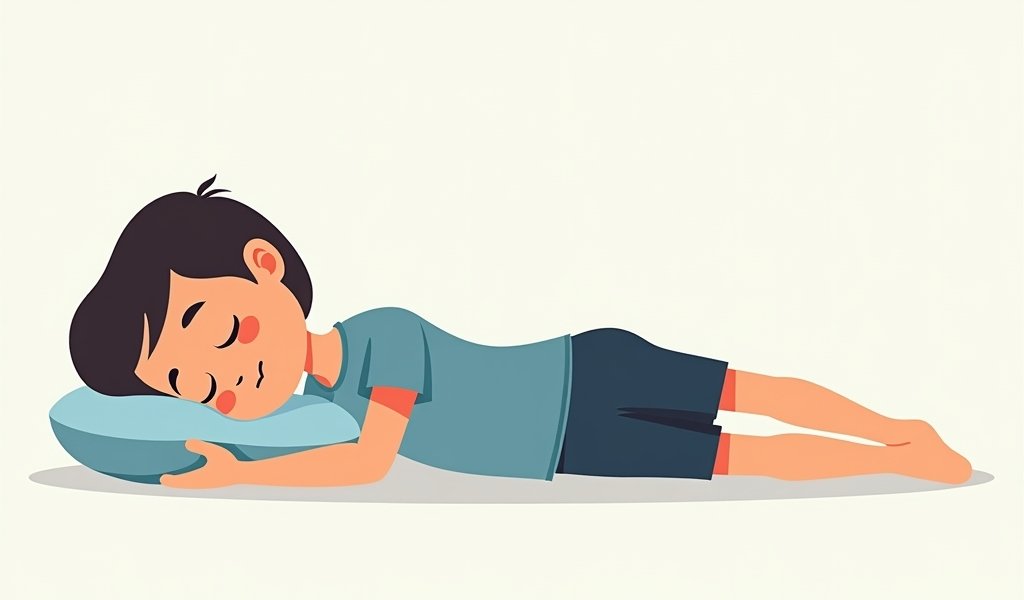
Side sleeping might be the rock star of sleep positions, but it often leaves your hips feeling like they’ve been through a mosh pit by morning. This article provides five practical solutions for hip pain during side sleeping including investing in the right mattress, using supportive pillows between knees, perfecting sleep position, doing targeted stretches before bed, and considering hip-supporting accessories—all aimed at transforming your sleep from painful to peaceful without abandoning your favorite sleep position.
Table of Contents
- Introduction
- Understanding Hip Pain from Side Sleeping
- Tip 1: Invest in the Right Mattress
- Tip 2: Use a Supportive Pillow Between Your Knees
- Tip 3: Perfect Your Side-Sleeping Position
- Tip 4: Try Targeted Stretches Before Bed
- Tip 5: Consider Hip-Supporting Accessories
- When to Seek Medical Help
- Conclusion
- Frequently Asked Questions
Introduction
Side sleeping is the rock star of sleep positions—claiming the loyalty of about 74% of sleepers worldwide. It’s the go-to position for snore reduction, better digestion, and even potentially reducing the risk of neurological diseases according to recent studies. But many side-sleeping devotees share a common complaint: waking up with an angry, protesting hip.
If you’re familiar with that distinctive morning hip ache that makes you hobble to the bathroom like you’ve aged 40 years overnight, you’re in good company. The good news? You don’t need to abandon your beloved side-sleeping position. As a sleep specialist who’s helped countless patients through our wellness clinic, I can assure you that hip pain from sleeping on your side is both common and solvable.
Let’s dive into five evidence-based strategies that can transform your side-sleeping experience from painful to peaceful. Your hips have carried you faithfully through life—it’s time to return the favor during those precious hours of rest.
Understanding Hip Pain from Side Sleeping

When you sleep on your side, physics isn’t exactly working in your favor. Your entire upper body weight concentrates on relatively small contact points—particularly that jutting hip bone. This creates a pressure cooker situation for your soft tissues, which find themselves unceremoniously squished between your hip bone and mattress for hours on end.
This compression marathon can trigger several uncomfortable consequences:
- Restricted blood flow to hip tissues
- Pressure on the trochanteric bursa (those little fluid cushions around your hip joint)
- Strain on your IT band and hip flexor muscles
- Misalignment of your spine and pelvis
Certain folks are particularly vulnerable to this nocturnal hip discomfort. If you have arthritis, bursitis, pregnancy-related pelvic changes, or carry extra weight, your hips may protest more loudly. Even athletic individuals with tight muscles or biomechanical imbalances often find themselves in the hip pain club.
One patient, a marathon runner, came to me confused about why her hips hurt worse when she wasn’t training. The culprit? Her side-sleeping habit combined with tight hip muscles created the perfect storm for night-time discomfort. Understanding the mechanics helps us target solutions more effectively—which brings us to our first intervention.
Tip 1: Invest in the Right Mattress
Your mattress relationship is perhaps one of the longest-term commitments you’ll make—spending roughly 23,000 hours together over its lifespan. For side sleepers with hip pain, this relationship deserves special attention.
Think of your mattress needs on a spectrum. Too firm is like sleeping on an airport bench—creating excessive pressure points precisely where your hip contacts the surface. Too soft and you’ll sink like a stone in quicksand, causing your spine to bend like a question mark. The sweet spot for side sleepers typically falls in the medium to medium-soft range, offering just enough give to accommodate those prominent hip bones without sacrificing support.
Memory foam and hybrid mattresses have become the darlings of the side-sleeping world, and for good reason. They contour to your body’s topography while maintaining sufficient support for proper alignment. As research from sleep medicine specialists confirms, mattress design significantly impacts pressure distribution and sleep quality.
When to replace your trusty mattress? If it resembles a hammock when you lie on it, if you can feel springs staging a rebellion against your hip, or if it’s been your bedtime buddy for more than 7-10 years, it’s probably time for an amicable separation. Consider visiting a showroom that allows extended trial periods—your ideal mattress should feel immediately comfortable but also maintain support throughout a full night’s rest.
Tip 2: Use a Supportive Pillow Between Your Knees
If mattress replacement isn’t immediately feasible, here’s a budget-friendly hack that can deliver dramatic results: the humble knee pillow. This simple intervention works wonders for hip alignment by:
- Preventing your top leg from pulling your pelvis into rotation
- Maintaining neutral alignment of your spine and pelvis
- Distributing pressure more evenly across your hip joint
- Reducing strain on your lower back and hip flexors
While any pillow can work in a pinch (I once had a patient successfully use a rolled-up sweater during a camping trip), specialized knee pillows are designed to stay put throughout your nocturnal gymnastics. Many feature contoured designs that nestle perfectly between your knees and prevent the frustrating midnight pillow escape.
For optimal benefit, position the pillow between both your knees and thighs, not just at the knee joint itself. The pillow should be thick enough to keep your top leg parallel to the mattress—not angled downward like a slide at the playground. One patient with severe hip bursitis reported an 80% reduction in morning pain after just one week of consistent knee pillow use combined with physical wellness exercises.
Tip 3: Perfect Your Side-Sleeping Position
Think of side-sleeping alignment as posture for the horizontal world. The ideal position creates a relatively straight line from head to ankle, with your spine maintaining its natural curves rather than resembling a roller coaster track.
Start by lying on your side with knees slightly bent. Your shoulders and hips should stack vertically—imagine a laser beam passing straight through these points. This alignment distributes pressure evenly rather than concentrating it on your poor hip.
Common misalignments to avoid include:
- The ultra-fetal curl (while adorable, it rounds your back and increases hip pressure)
- The flamingo pose (one leg straight, one bent), which creates rotational force on your pelvis
- The arm-under-pillow tuck, which elevates your shoulder and misaligns everything downstream
Perfecting your sleeping posture takes practice and persistence. Start by mindfully positioning yourself as you fall asleep, and gradually your body may maintain better alignment throughout the night. Some patients find that building a “pillow fort” with strategically placed supports helps maintain proper position even as they drift through sleep cycles.
A physical therapist at our chiropractic wellness center recommends the “90-90” position for patients with severe hip pain: lying on your less painful side with both knees bent at 90 degrees and a pillow between them. This position maximizes hip stability while minimizing pressure.
Tip 4: Try Targeted Stretches Before Bed

Think of your pre-sleep stretching routine as sending your hips a relaxation invitation before they clock in for their eight-hour shift. Regular stretching improves flexibility, increases blood flow, and releases tension in the hip muscles that may be contributing to your discomfort.
Here are three particularly effective stretches for side-sleepers:
- Figure Four Stretch: Lie on your back, cross your right ankle over your left knee, and gently pull your left thigh toward your chest. Hold for 30 seconds, feeling the stretch in your right hip and buttock. Switch sides.
- Happy Baby Pose: Lie on your back, grab the outer edges of your feet, and gently pull your knees toward your armpits. This yoga-derived stretch gently opens the hips while relaxing the lower back.
- Kneeling Hip Flexor Stretch: Kneel in a lunge position with one foot forward and gently press your hips forward until you feel a stretch in the front of your back hip. This targets the often-tight hip flexors that can contribute to misalignment.
Hold each stretch for 30-60 seconds, breathing deeply and avoiding the temptation to bounce. As research in orthopedic physical therapy shows, static stretching before bed can improve tissue flexibility and reduce nocturnal discomfort.
One former patient, a desk worker with chronic hip pain, created a simple 5-minute pre-bed stretching ritual and reported that her hip pain decreased from a nightly 7/10 to an occasional 2/10 within three weeks. The body responds remarkably well to consistency.
Tip 5: Consider Hip-Supporting Accessories
Beyond mattresses and pillows, several specialized products can transform your side-sleeping experience from painful to heavenly. Think of these as the supporting cast in your hip pain prevention show:
Mattress toppers provide an additional cushioning layer without requiring full mattress replacement. For side sleepers, memory foam or latex toppers in the 2-3 inch range often hit the sweet spot between softness and support. One patient described her new topper as “like sleeping on a cloud that actually holds you up.”
Body pillows deserve their cult-like following among side sleepers. These full-length pillows support multiple areas simultaneously—tucked between knees, hugged against your chest, and sometimes even supporting your back. They’re particularly helpful for pregnant women and those with wider hips who need extra support.
Hip pads and cushions target the problem area directly. These specialized pads create a pressure-free zone around your hip joint and can be especially beneficial for those with existing conditions like bursitis or recovering from hip surgery.
For maximum benefit, consider combining approaches. Many patients find their Goldilocks solution involves a medium-firm mattress with a soft topper, plus strategic pillow placement. Your perfect combination might require some experimentation, but the pain-free mornings will more than justify the effort.
When to Seek Medical Help
While improving your sleep setup resolves many cases of side-sleeping hip pain, sometimes the issue deserves professional attention. Consider consulting a healthcare provider if:
- Your hip pain persists despite trying these modifications for several weeks
- The pain is severe enough to regularly disrupt your sleep
- You notice hip pain during daytime activities as well
- The pain is accompanied by swelling, redness, warmth, or fever
- You’ve recently fallen or injured your hip
Certain conditions like osteoarthritis, labral tears, or bursitis may be exacerbated by side sleeping and benefit from specific medical interventions. Your physician might recommend imaging, physical therapy, anti-inflammatory medications, or in some cases, injection therapies to address underlying issues.
Don’t hesitate to seek professional guidance—hip pain that disrupts sleep can cascade into other health issues including mood disorders, reduced immune function, and decreased daytime performance, according to sleep medicine research.
Conclusion
Side sleeping doesn’t have to come with a side order of hip pain. By implementing these five evidence-based strategies—upgrading your mattress, using supportive pillows, perfecting your sleep position, incorporating targeted stretches, and considering specialized accessories—you can transform your side-sleeping experience from painful to peaceful.
Remember that making several smaller changes often yields better results than seeking a single miracle cure. Your body might need time to adjust to new sleep habits, so practice patience with the process. Quality sleep isn’t a luxury—it’s a fundamental pillar of good health, and your hips deserve proper support during those crucial restoration hours.
Start tonight by evaluating your current setup and implementing at least one of these strategies. Track your morning pain levels over the next few weeks to identify what works best for your unique body. Your future self—waking refreshed without the signature side-sleeper hip hobble—will thank you for taking action today.
Have you tried any of these methods for preventing hip pain while side sleeping? Or perhaps you’ve discovered other effective techniques? We’d love to hear about your experiences. Leave a comment below or schedule a consultation with one of our sleep specialists to develop a personalized plan for pain-free slumber.
Frequently Asked Questions
Is sleeping on your side bad for hip pain?
Side sleeping itself isn’t inherently bad, but without proper support, it can exacerbate hip pain. The key is creating optimal alignment and pressure distribution using the right mattress, pillows, and positioning techniques.
How can I instantly relieve hip pain from sleeping?
For immediate relief, try gentle stretching like the figure four stretch, apply a warm compress to relax tight muscles, or take an over-the-counter anti-inflammatory medication if approved by your doctor. Switching sleeping positions temporarily may also provide relief.
Why does my hip hurt only when I sleep on my side?
Side sleeping concentrates your body weight on a relatively small contact area, creating pressure points at the hip. This pressure can compress soft tissues between your hip bone and mattress, restricting blood flow and irritating bursae or tendons.
Which sleeping position is best for hip pain?
Many people with hip pain find back sleeping with a pillow under the knees provides the most relief. If you prefer side sleeping, the non-painful side with a pillow between knees often works best.
How do I know if my hip pain is serious?
Hip pain that persists despite position changes, worsens over time, includes swelling or fever, or significantly limits movement warrants medical attention. Sudden, severe hip pain or any pain following a fall or injury should be evaluated promptly by a healthcare provider.