
Overview
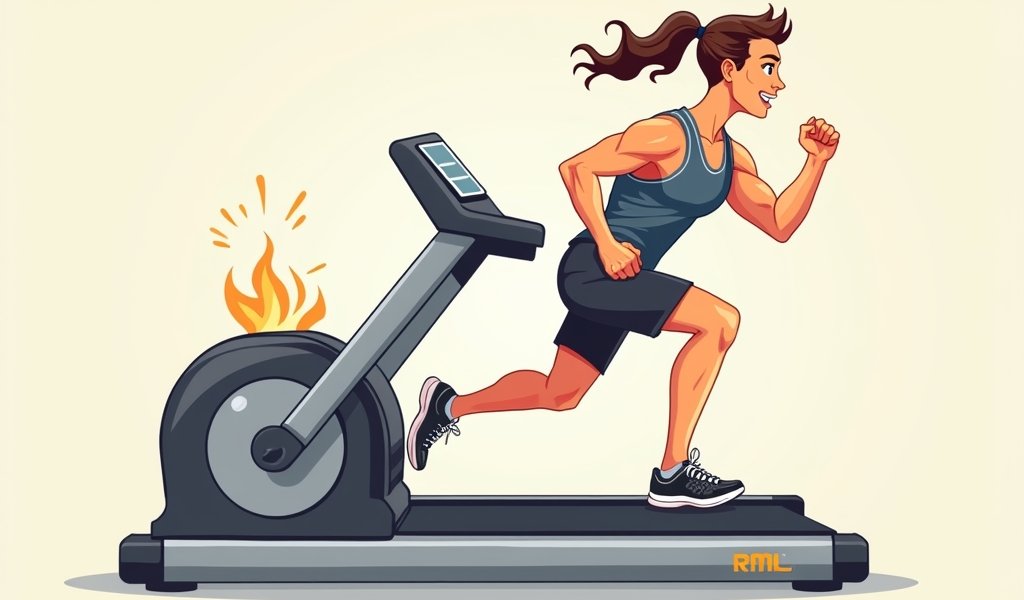
Turns out you don’t need to spend hours on a treadmill looking like a hamster on a wheel to lose fat! High-Intensity Interval Training (HIIT) on running machines delivers superior fat loss results in less time through alternating intense effort with recovery periods, creating an “afterburn effect” that continues burning calories for up to 48 hours post-workout, while proper equipment selection, strategic workout programming, and consistent maintenance maximize both results and equipment longevity.
Table of Contents
- What is HIIT Training?
- Benefits of HIIT on Running Machines
- Choosing the Right HIIT Running Machine
- Effective HIIT Running Workouts
- Maximizing Fat Loss Results
- Maintenance and Longevity
- Conclusion
- Frequently Asked Questions
What is HIIT Training?
High-Intensity Interval Training (HIIT) has revolutionized the fitness landscape, transforming from an athlete’s secret weapon to a mainstream fat-burning phenomenon. At its core, HIIT alternates between brief bursts of near-maximal effort and strategic recovery periods, creating a metabolic environment that conventional steady-state cardio simply can’t match.
The science behind HIIT is compelling. When you push your body to 85-95% of its maximum capacity during work intervals, you trigger what exercise physiologists call “Excess Post-exercise Oxygen Consumption” (EPOC) or the “afterburn effect.” This metabolic response causes your body to continue burning calories at an elevated rate for up to 24-48 hours after your workout concludes.
What makes HIIT particularly attractive in our time-starved world is its efficiency. Research published in the Journal of Obesity shows that just 20 minutes of HIIT can burn more calories than 45 minutes of steady-state cardio. For busy professionals, parents, and anyone with a packed schedule, this time-efficient approach to fitness is nothing short of revolutionary.
Benefits of HIIT on Running Machines
Running machines (treadmills) offer an ideal platform for HIIT workouts, providing distinct advantages over other modalities. The controlled environment eliminates weather concerns, traffic hazards, and terrain variations that might otherwise interrupt your interval timing. This predictability creates the perfect laboratory for precise workout execution.
From a physiological perspective, HIIT running machine workouts deliver impressive benefits:
- Accelerated fat oxidation (burning) through heightened metabolic rate
- Improved insulin sensitivity and glucose metabolism
- Preserved muscle mass while in a caloric deficit
- Enhanced cardiovascular capacity (VO2 max)
- Increased production of human growth hormone by up to 450%
The psychological advantages are equally compelling. The brief, manageable work intervals create natural “finish lines” that many find more mentally sustainable than endless steady-state sessions. The variety inherent in interval training also combats the boredom that often leads to exercise program abandonment.
Modern HIIT running machines enhance these benefits through integrated technology. Many units now feature preset interval programs, heart rate monitoring capabilities, and compatibility with fitness apps that track progress metrics. Some advanced models even adjust incline and speed automatically, allowing you to focus entirely on your effort rather than button-pressing.

Choosing the Right HIIT Running Machine
Not all treadmills are created equal when it comes to HIIT training. The specialized demands of high-intensity work require specific features that budget models often lack. When evaluating potential machines, prioritize these critical specifications:
Motor Power: Look for a continuous horsepower (CHP) rating of at least 3.0 for home use and 4.0+ for commercial applications. HIIT’s rapid speed transitions place significant stress on motors, and underpowered units will struggle with the demands.
A quality motor delivers two essential benefits: rapid speed changes between intervals and durability under high-stress conditions. The ability to accelerate quickly is crucial for maintaining work interval intensity and maximizing caloric expenditure.
Deck Cushioning: The repetitive impact of running—particularly at high speeds—can place significant stress on joints. Advanced cushioning systems like NordicTrack’s FlexSelect or Sole’s Cushion Flex reduce impact forces by up to 40% compared to road running.
This cushioning becomes even more critical during HIIT, as fatigue can compromise form and increase injury risk. The right exercise platform provides enough give to protect joints without feeling unstable during powerful running strides.
Speed Range and Transitions: For effective HIIT, look for machines that offer:
- Maximum speeds of at least 12 mph (ideally 15+ mph for advanced athletes)
- Quick-touch speed buttons for immediate transitions
- Minimal lag time between speed settings
Incline/Decline Capabilities: Variable terrain simulation through incline (and ideally decline) features adds training variety and targets different muscle groups. Top models offer inclines up to 40% and declines to -6%, creating opportunities for hill sprints that accelerate fat loss and develop posterior chain strength.
Budget Considerations: While premium machines offer optimal HIIT experiences, effective options exist at various price points:
- Entry-Level ($600-$1,200): Horizon Fitness T101, ProForm 505 CST
- Mid-Range ($1,200-$2,500): NordicTrack Commercial 1750, Sole F80
- Premium ($2,500+): NordicTrack X32i, Woodway 4Front, Peloton Tread+
Before purchasing, consider your commitment level, space constraints, and specific goals. A commercial-grade machine represents a significant investment but can deliver superior performance and longevity for dedicated users.
Effective HIIT Running Workouts
The beauty of HIIT lies in its adaptability to all fitness levels. Whether you’re a newcomer to structured exercise or an experienced athlete, these science-backed protocols can be modified to create the appropriate stimulus for your current capabilities.
Beginner HIIT Protocol:
- 5-minute walking warm-up (3.0-3.5 mph)
- Work interval: 30 seconds at 5.5-6.5 mph (light jog)
- Recovery interval: 90 seconds at 3.0 mph (walk)
- Complete 6-8 rounds
- 5-minute cool-down walk
Total workout time: 20-24 minutes. This 1:3 work-to-rest ratio allows ample recovery while building foundational fitness.
Intermediate HIIT Protocol:
- 5-minute progressive warm-up
- Work interval: 45 seconds at 7.0-9.0 mph
- Recovery interval: 60 seconds at 3.5 mph
- Complete 8-10 rounds
- Option: Add 2-4% incline during work intervals
- 5-minute cool-down
This 3:4 work-to-rest ratio increases metabolic demand while still allowing sufficient recovery for quality efforts throughout.
Advanced HIIT Protocol:
- 5-minute dynamic warm-up
- Work interval: 60 seconds alternating between:
- Flat sprint (9.0+ mph based on capacity)
- Hill sprint (7.0-8.0 mph at 6-8% incline)
- Recovery interval: 60 seconds at 4.0 mph
- Complete 10-12 rounds
- 5-minute structured cool-down
This 1:1 work-to-rest ratio with terrain variation maximizes both cardiovascular and musculoskeletal adaptations.
For optimal progression, increase intensity variables in this order:
- First, increase work interval intensity (speed/incline)
- Then, extend work interval duration
- Next, reduce recovery interval duration
- Finally, increase total rounds
This systematic approach prevents the common mistake of changing too many variables simultaneously, which can lead to overtraining or injury.
Programming HIIT sessions 3-4 times weekly provides sufficient stimulus for fat loss while allowing necessary recovery. For comprehensive fitness development, complement these sessions with resistance training focused on the best equipment for legs and other major muscle groups 2-3 times weekly.
Maximizing Fat Loss Results
While HIIT running machine workouts create a powerful fat-burning stimulus, optimizing your approach can accelerate results. The most successful fat loss journeys combine strategic exercise programming with evidence-based nutritional strategies and lifestyle modifications.
Nutritional Synergy: The metabolic demands of HIIT create a unique opportunity to optimize nutrient timing and macronutrient distribution. Research published in the European Journal of Sport Science suggests these evidence-based approaches:
- Maintain a moderate caloric deficit (10-20% below maintenance)
- Consume protein at 1.6-2.2g per kg of bodyweight daily
- Consider fasted training for enhanced fat oxidation (if well-tolerated)
- Time carbohydrate intake around workouts for performance
- Ensure adequate hydration (performance drops by 2% for each 1% of dehydration)
Recovery Optimization: The intense nature of HIIT creates significant recovery demands. Prioritize these recovery factors:
- Sleep 7-9 hours nightly (critical for hormonal regulation and tissue repair)
- Incorporate 1-2 active recovery days weekly (light walking, swimming, or yoga)
- Consider contrast therapy (alternating hot and cold exposure) to reduce inflammation
- Monitor resting heart rate for signs of overtraining
Progress Tracking: Objective measurement creates accountability and allows program optimization. Effective metrics include:
- Body composition (beyond scale weight)
- Performance metrics (speeds, inclines, recovery heart rates)
- Workout volume (total distance covered, calories burned)
- Subjective recovery scores
Many modern running machines integrate with fitness apps that automate this tracking, creating less friction in the measurement process. This technology integration represents a significant advantage over other training modalities.
Common Mistakes to Avoid:
- Excessive frequency: More than 4 HIIT sessions weekly typically produces diminishing returns
- Inadequate intensity: True HIIT requires near-maximal effort (RPE 8-10/10)
- Poor recovery management: Insufficient recovery between sessions compromises both results and injury resilience
- Neglecting strength training: HIIT alone can’t optimize body composition; resistance training preserves and builds metabolically active tissue

Maintenance and Longevity
The high-intensity nature of HIIT places significant demands on running machines. Proper maintenance ensures both optimal performance and equipment longevity, protecting your investment and preventing workout disruptions.
Essential Maintenance Tasks:
- Lubricate the belt every 3 months or 150 miles (whichever comes first)
- Check and adjust belt tension/alignment monthly
- Clean the motor compartment quarterly (dust accumulation restricts cooling)
- Wipe down surfaces after each use to prevent sweat corrosion
- Inspect for loose hardware weekly during high-volume HIIT usage
These simple preventative measures can extend your machine’s lifespan by years and maintain performance during demanding interval sessions. Most manufacturers provide detailed maintenance guides specific to your model.
When components do eventually require replacement, accessing quality fitness repair parts from authorized dealers ensures compatibility and performance. Generic replacement parts often compromise function and may even accelerate wear on other components.
Longevity Factors: Several factors influence equipment durability under HIIT conditions:
- Motor cooling system: Advanced cooling prevents thermal damage during rapid speed changes
- Belt thickness: Premium 2-ply or 4-ply belts withstand intense usage patterns
- Frame construction: Welded steel frames minimize flexing under high-impact running
- Electrical isolation: Quality surge protection prevents power fluctuation damage
When evaluating warranty offerings, pay particular attention to motor coverage. While frames typically carry lifetime warranties, motor coverage ranges from 1-10 years, reflecting the manufacturer’s confidence in this critical component’s durability under stress.
With proper care and quality components, premium HIIT running machines can withstand 7-10 years of regular high-intensity use, making them cost-effective over their lifespan despite higher initial investment.
Conclusion
HIIT training on running machines represents one of the most efficient, effective approaches to fat loss available in modern fitness. By leveraging the science of metabolic adaptation, these workouts create substantial physiological change with minimal time investment – a perfect fit for our busy lives.
The combination of controlled environment, precise interval timing, and progressive overload possibilities makes running machines ideal platforms for HIIT implementation. Whether you’re just beginning your fitness journey or looking to break through plateaus, the structured intensity of machine-based HIIT offers compelling advantages over traditional cardio approaches.
When selecting equipment, prioritize motor power, cushioning quality, and transition capabilities over entertainment features. A machine that delivers consistent performance during demanding intervals will provide better long-term results than one with flashy technology but inadequate mechanical specifications.
Remember that while HIIT creates a powerful fat-burning stimulus, optimal results come from integrating these sessions within a comprehensive approach including resistance training, nutritional strategy, and adequate recovery. The synergistic effect of these elements creates transformations far beyond what any single component could produce alone.
As with any fitness approach, consistency trumps perfection. A sustainable HIIT practice that fits your life and gradually progresses over time will deliver far superior results to sporadic “all-out” efforts that lead to burnout or injury. Start where you are, progress methodically, and let the cumulative effect of high-quality intervals transform both your physique and your metabolic capacity.
Frequently Asked Questions
How many HIIT running machine workouts should I do per week?
Most exercise physiologists recommend 3-4 HIIT sessions weekly for optimal fat loss without overtraining. Allow at least 24-48 hours between sessions for proper recovery.
Is HIIT running effective for beginners?
Yes, when appropriately scaled to fitness level. Begin with longer recovery periods (1:3 work-to-rest ratio) and moderate intensities, then progress gradually as conditioning improves.
How long should a HIIT running workout last?
Effective HIIT sessions typically last 20-30 minutes total, including warm-up and cool-down. The actual high-intensity interval portion usually ranges from 10-15 minutes.
Can I do HIIT running with knee problems?
Those with knee concerns should consult healthcare providers first. If approved, choose running machines with superior cushioning systems and consider lower-impact variations like incline walking intervals.
Will HIIT running build muscle?
HIIT primarily preserves muscle during fat loss rather than building significant new tissue. For optimal body composition, combine HIIT with progressive resistance training 2-3 times weekly.