

Overview
High protein low carb diets enhance fat loss through seven key mechanisms: boosting metabolism via protein’s thermic effect, preserving muscle during weight loss, reducing hunger, improving insulin balance, leveraging ketosis for fat metabolism, transforming body composition, and enhancing exercise performance. The approach typically involves consuming 1.6-2.2g of protein per kilogram of body weight while gradually reducing carbohydrates to 50-100g daily or less, creating a physiological environment that efficiently targets body fat while supporting overall health.
Table of Contents
- Understanding High Protein Low Carb Diets
- 1. Creates a Metabolic Boost Through Protein’s Thermic Effect
- 2. Preserves Lean Muscle During Weight Loss
- 3. Reduces Hunger and Increases Feeling Full
- 4. Improves Insulin Balance for Enhanced Fat Burning
- 5. Leverages Ketosis for Efficient Fat Metabolism
- 6. Transforms Body Composition Beyond Weight Loss
- 7. Enhances Exercise Performance and Recovery
- Practical Tips to Implement Your High Protein Low Carb Plan
- Conclusion
- Frequently Asked Questions
Understanding High Protein Low Carb Diets
The science of nutrition has evolved dramatically in recent years, with high protein low carb diets emerging as powerful tools for fat loss. Unlike traditional calorie-cutting approaches that often lead to muscle loss alongside fat, this nutritional strategy specifically targets body fat while helping maintain valuable lean tissue.
At its core, a high protein low carb diet focuses on consuming generous amounts of protein-rich foods (typically 25-35% of calories) while significantly reducing carbohydrate intake (usually under 100g daily). This isn’t just another diet trend – it’s a physiologically sound approach backed by substantial research showing multiple mechanisms through which it enhances fat loss.
As both a nutritionist and someone who has personally witnessed hundreds of successful transformations, I’ve seen firsthand how this approach can break through plateaus when other methods have failed. Let’s explore the seven scientifically-validated ways this dietary approach can help you shed unwanted fat more effectively than traditional low-fat or simple calorie restriction plans.
1. Creates a Metabolic Boost Through Protein’s Thermic Effect
Your body burns calories just digesting the food you eat – but not all foods are created equal in this respect. Protein requires significantly more energy to process than either carbohydrates or fats, creating what scientists call the “thermic effect of food” (TEF).
While your body uses only 5-10% of calories from carbs for digestion and a mere 0-3% for fats, protein demands a substantial 20-30% of its own calories just to break it down and assimilate it. This means that 100 calories of protein might only provide your body with 70-80 usable calories after digestion!
This metabolic advantage creates a meaningful calorie-burning boost. Research published in the Journal of the American College of Nutrition found that participants on higher protein diets burned approximately 80-100 more calories daily compared to those consuming less protein – equivalent to a brisk 20-minute walk without taking a single step.
The beauty of this mechanism is that it works automatically – simply choosing protein-rich foods like chicken, eggs, fish, and Greek yogurt naturally increases your calorie burn throughout the day.

2. Preserves Lean Muscle During Weight Loss
One of the most underappreciated aspects of successful fat loss is preserving muscle tissue. When you lose weight through standard calorie restriction, your body doesn’t discriminate between fat and muscle – studies show up to 30% of weight lost can come from muscle tissue, slowing your metabolism and setting you up for eventual rebound weight gain.
A high protein low carb diet provides your body with the amino acids needed to maintain and repair muscle, essentially telling your metabolism, “burn fat for fuel, but leave the muscle alone.” This protective effect has been demonstrated in numerous studies, including research from the University of Illinois showing that higher protein intake (around 30% of calories) preserved twice as much lean muscle mass during weight loss compared to moderate protein diets.
This muscle preservation isn’t just about looking toned – it’s metabolically crucial. Every pound of muscle burns approximately 6 calories per day at rest, compared to only 2 calories for fat tissue. By maintaining muscle, you’re protecting your metabolic rate even as your weight decreases.
For those looking to transform their body composition, combining a protein-focused eating approach with strength training creates a powerful synergy that specifically targets fat while developing or maintaining muscle.
3. Reduces Hunger and Increases Feeling Full
Hunger is the ultimate diet-killer. No matter how strong your motivation, fighting constant hunger is a battle most people eventually lose. This is where high protein low carb diets truly shine – they naturally regulate appetite through multiple pathways.
Protein directly influences key hunger hormones, increasing satiety signals (like peptide YY and GLP-1) while suppressing hunger hormones (like ghrelin). Meanwhile, stabilized blood sugar levels from reduced carbohydrate intake eliminate the energy crashes that trigger intense cravings.
The science on this is compelling. A landmark study published in the American Journal of Clinical Nutrition found that increasing protein from 15% to 30% of calories led participants to spontaneously consume 441 fewer calories daily without being asked to restrict portions. Many reported simply not feeling hungry enough to eat more.
I’ve seen this transformation countless times in my practice – clients initially worried about feeling deprived eventually report that they’re no longer controlled by food thoughts. Instead of constantly thinking about their next meal, they experience a sense of freedom and balanced hunger that makes maintaining a calorie deficit feel natural rather than punishing.
4. Improves Insulin Balance for Enhanced Fat Burning
Insulin plays a crucial but often misunderstood role in fat loss. While this hormone is essential for life, chronically elevated insulin levels can significantly hinder fat burning. When insulin levels are high, your body is essentially locked in “storage mode” – efficiently packing away nutrients into cells while simultaneously preventing fat from being released and burned.
Carbohydrates trigger the largest insulin response, while protein causes a moderate increase, and fats very little. By strategically reducing carbohydrates while maintaining adequate protein, you create a hormonal environment more conducive to fat burning.
Research published in the Journal of Clinical Endocrinology and Metabolism demonstrated that even a moderate reduction in carbohydrates led to significantly lower 24-hour insulin levels and increased fat oxidation compared to a standard higher-carb diet. The effect was particularly pronounced in individuals with insulin resistance.
Think of lowered insulin as unlocking the door to your fat cells, allowing your body to access these stored energy reserves more easily. This metabolic flexibility is particularly important for those who have struggled with weight loss resistance despite calorie restriction.
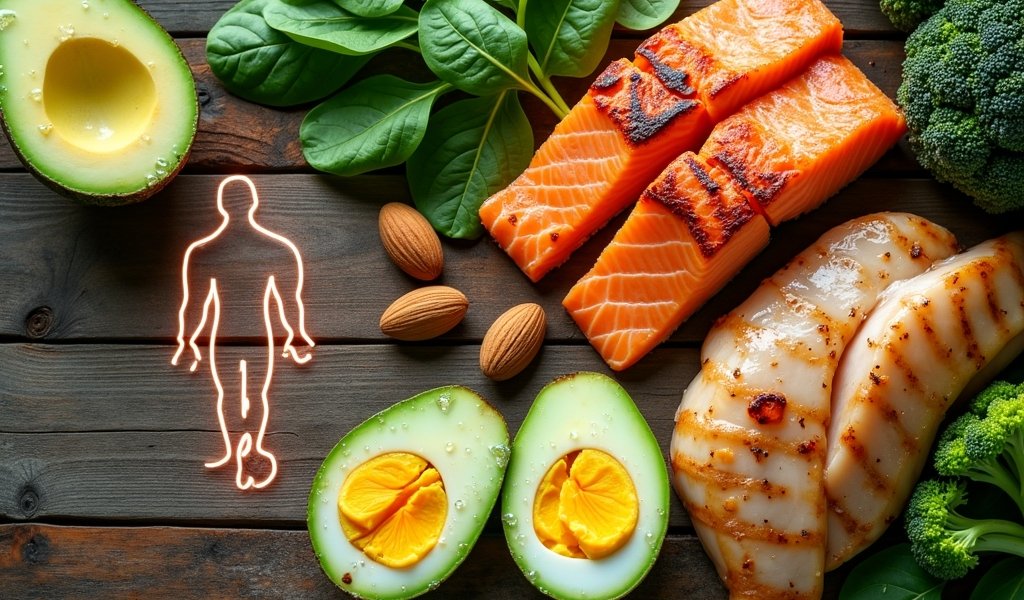
6. Transforms Body Composition Beyond Weight Loss
There’s a profound difference between simply losing weight and improving body composition. The scale might show identical numbers for two people, but their health profiles, physical appearance, and metabolic function can differ dramatically based on their ratio of fat to muscle.
High protein low carb diets excel at improving this ratio. A comprehensive review published in Nutrition & Metabolism analyzed multiple studies and found that these dietary approaches consistently outperformed standard high-carbohydrate diets for improving body composition – specifically reducing fat mass while preserving or even increasing lean mass.
This distinction is particularly important for long-term success. Higher muscle-to-fat ratios support a more robust metabolism, better glucose control, improved strength, and greater physical resilience. It’s the difference between looking “smaller but soft” versus “lean and toned” at the same weight.
The food choices on a protein-focused plan naturally support this body recomposition effect – prioritizing nutrient-dense options that provide the building blocks for muscle maintenance while creating the calorie deficit needed for fat loss.
5. Leverages Ketosis for Efficient Fat Metabolism
When carbohydrate intake drops below approximately 50 grams daily, your body undergoes a remarkable metabolic shift. Unable to rely primarily on glucose for fuel, it begins producing ketones from fat to supply energy to the brain and body – a state known as nutritional ketosis.
This metabolic flexibility essentially turns your body into a more efficient fat-burning machine. A 24-week study published in Experimental & Clinical Cardiology found that participants following a ketogenic diet experienced significant decreases in body weight, body mass index, and harmful blood lipids. Most importantly, the weight lost was predominantly fat, including dangerous visceral fat surrounding internal organs.
The ketogenic state offers unique advantages beyond just calorie burning. Many people report enhanced mental clarity, reduced inflammation, and stable energy levels without the peaks and valleys associated with higher carbohydrate diets. These benefits can make adherence easier for many people.
It’s important to note that strict ketosis isn’t necessary to reap many of the fat-loss benefits of a high protein low carb approach. Even moderate carbohydrate reduction combined with increased protein can significantly enhance fat metabolism while being more sustainable for some individuals.
7. Enhances Exercise Performance and Recovery
The most powerful body transformations happen when nutrition and exercise work synergistically. A high protein low carb diet provides the ideal nutritional foundation to maximize your workout results while the exercise amplifies the diet’s effectiveness.
Adequate protein intake (typically 1.6-2.2g per kilogram of body weight) ensures your muscles have the amino acids needed for repair and growth following training. Meanwhile, the metabolic adaptations from lower carbohydrate intake can enhance fat utilization during exercise – particularly for moderate-intensity activities like walking, jogging, and recreational sports.
Research from the International Journal of Sport Nutrition and Exercise Metabolism has shown that well-formulated low carb approaches can maintain performance across multiple exercise domains once the body adapts, typically after 2-6 weeks on the diet.
This dietary approach creates a virtuous cycle: better recovery leads to more effective workouts, which enhance body composition, improving metabolic health, making the diet even more effective. For those who’ve plateaued with standard approaches, this synergy often provides the breakthrough they’ve been seeking.
Including a variety of exercises from a strength-focused fitness plan can amplify these benefits, helping to reshape your body composition more effectively than diet alone.
Practical Tips to Implement Your High Protein Low Carb Plan
Transitioning to a high protein low carb approach doesn’t require overnight dietary revolution. Here’s a practical framework to help you implement this approach successfully:
Step 1: Establish Your Protein Target
Aim for 1.6-2.2g of protein per kilogram of body weight (or roughly 0.75-1g per pound). For someone weighing 150 pounds, that’s approximately 112-150g of protein daily. This amount supports muscle preservation while enhancing satiety and metabolic rate.
Step 2: Gradually Reduce Carbohydrates
Rather than eliminating carbs overnight (which can lead to the “keto flu” and adherence issues), gradually reduce them over 1-2 weeks. A moderate approach might target 50-100g daily, while a stricter approach would aim for under 50g for ketosis.
Sample Day on a High Protein Low Carb Plan:
- Breakfast: Three-egg omelet with spinach, bell peppers, and cheese (27g protein, 3g carbs)
- Lunch: Large salad with 6oz grilled chicken, avocado, olive oil and vinegar dressing (38g protein, 8g carbs)
- Snack: Greek yogurt with a small handful of berries and walnuts (18g protein, 12g carbs)
- Dinner: 6oz salmon with roasted Brussels sprouts and cauliflower rice (36g protein, 14g carbs)
- Evening snack (if needed): Protein shake or slice of turkey with cucumber (20g protein, 3g carbs)
Common Pitfalls to Avoid:
- Inadequate protein: Many people think they’re eating enough protein but fall short. Track initially to ensure you’re hitting targets.
- Neglecting vegetables: Low-carb doesn’t mean no veggies! Fiber from vegetables supports digestive health and provides essential micronutrients.
- Forgetting electrolytes: Lower carb intake reduces insulin, which affects sodium retention. Adding a pinch of salt to meals and staying hydrated can prevent headaches and fatigue.
- All-or-nothing thinking: Perfect adherence isn’t required for results. Consistency matters more than occasional perfection.
Conclusion
The scientific evidence is clear: a high protein low carb diet offers multiple, powerful mechanisms for enhancing fat loss that go beyond simple calorie counting. From boosting metabolism and preserving muscle to controlling hunger and optimizing hormones, this approach creates a physiological environment that efficiently targets body fat while supporting overall health.
What makes this approach particularly valuable is its versatility. Whether you’re just beginning your health journey, looking to break through a stubborn plateau, or seeking to maintain results you’ve already achieved, the principles can be adjusted to match your unique needs and preferences.
Remember that while the mechanisms discussed are scientifically validated, individual responses vary. Some people thrive on very low carbohydrate intakes, while others do better with moderate reduction. The key is finding the version of this approach that works for your body, lifestyle, and food preferences.
The most effective diet will always be the one you can maintain consistently. By understanding the science behind how high protein low carb diets work, you can make informed decisions about how to implement this approach in a way that feels sustainable for your lifestyle, making it a powerful tool for not just temporary results, but lasting transformation.
Frequently Asked Questions
How much protein should I eat on a high protein low carb diet?
Most research suggests consuming between 1.6-2.2 grams of protein per kilogram of body weight daily (or roughly 0.75-1 gram per pound). This range supports muscle preservation while enhancing satiety and metabolic benefits.
Will eating too much protein kick me out of ketosis?
Some protein can convert to glucose through gluconeogenesis, but this is primarily a demand-driven process rather than supply-driven. For most people, moderate protein consumption (up to 30% of calories) doesn’t significantly impact ketosis when carbs remain very low.
Is a high protein low carb diet safe long-term?
Research shows well-formulated versions of this diet are safe and beneficial for most healthy individuals. People with specific medical conditions like kidney disease should consult their healthcare provider before significantly increasing protein intake.
Will I feel tired without carbs for energy?
Initial adaptation may include temporary fatigue as your body adjusts to using fat for fuel instead of glucose. Most people report improved energy levels and fewer energy crashes once fully adapted, typically after 2-3 weeks.
Can vegetarians follow a high protein low carb diet?
Yes, though it requires more planning. Vegetarian protein sources like eggs, dairy, tofu, tempeh, seitan, and protein powders can provide adequate protein while keeping carbs controlled. Strict vegans may find it more challenging to achieve very low carb levels while maintaining high protein.
AI Assistant
Pingback: 7 Best Lactose Free Bodybuilding Supplements: Muscle Gains - achievehealthgoals.com