
Overview
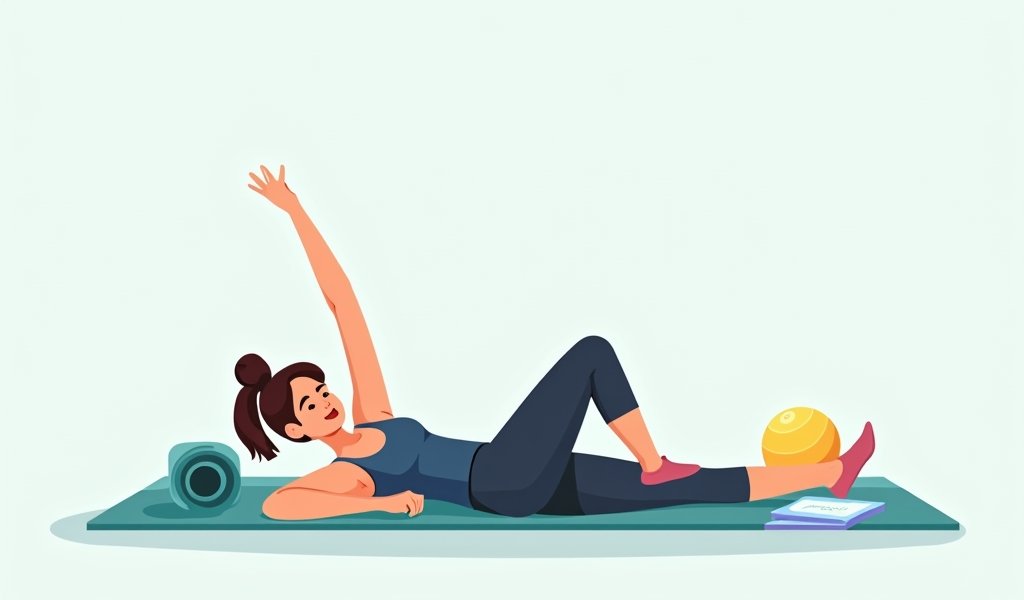
Gluteal tendinopathy, the hip pain that makes sitting through a movie feel like an Olympic endurance event, affects up to 23.5% of women and 8.5% of men aged 40-60. The article outlines seven evidence-based treatment approaches: rest and activity modification, ice/heat therapy, targeted strengthening exercises, proper stretching techniques, pain management strategies, professional physical therapy, and lifestyle adjustments—all working together to reduce pain and promote healing over a typical 8-12 week recovery period.
Table of Contents
- Understanding Gluteal Tendinopathy: More Than Just Hip Pain
- What Causes Gluteal Tendinopathy?
- Treatment Tip 1: Rest and Activity Modification
- Treatment Tip 2: Ice and Heat Therapy
- Treatment Tip 3: Targeted Exercises for Strengthening and Stabilization
- Treatment Tip 4: Proper Stretching Techniques
- Treatment Tip 5: Pain Management Strategies
- Treatment Tip 6: Professional Physical Therapy
- Treatment Tip 7: Lifestyle Adjustments for Long-Term Relief
- Conclusion: Your Path to Recovery
- Frequently Asked Questions
Understanding Gluteal Tendinopathy: More Than Just Hip Pain
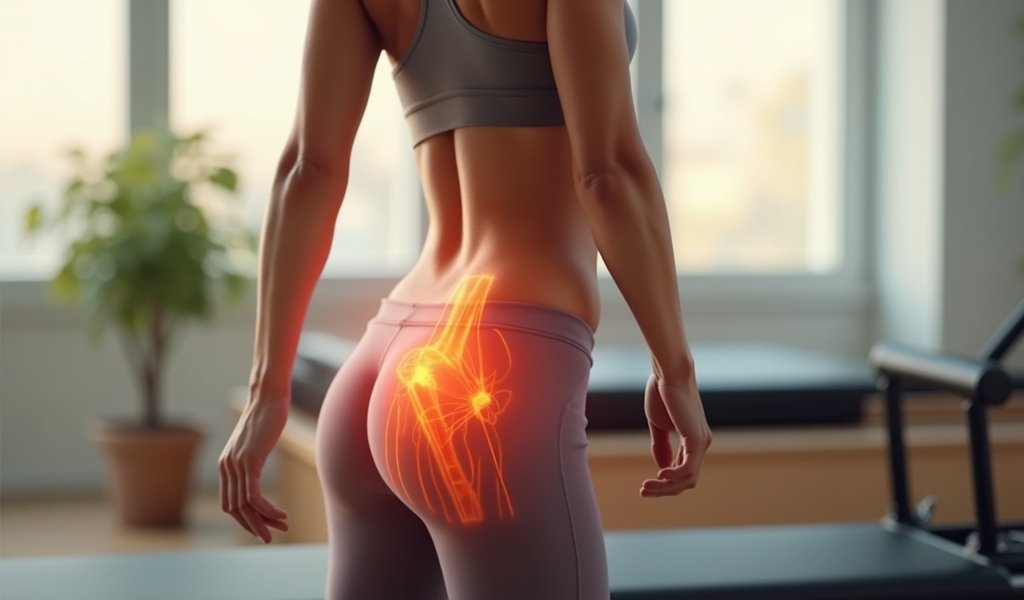
Gluteal tendinopathy treatment has become increasingly important as this condition affects up to 23.5% of women and 8.5% of men, particularly those between 40-60 years old. As a health professional who’s worked with countless patients struggling with this painful condition, I can tell you that effective treatment begins with understanding exactly what you’re dealing with. Gluteal tendinopathy involves inflammation or degeneration of the tendons that connect your gluteal muscles (primarily the gluteus medius and minimus) to the greater trochanter of your femur.
The hallmark symptom? That nagging pain on the outside of your hip that can make everyday activities like walking, climbing stairs, or even lying on your side feel like torture. Unlike random muscle soreness that disappears after a day or two, this discomfort persists and can significantly impact your quality of life. Many patients describe it as a deep, burning sensation that worsens with prolonged sitting, standing, or physical activity.
The good news? With proper gluteal tendinopathy treatment approaches, most people experience significant improvement. Throughout this article, I’ll share seven proven tips that have helped my patients find relief from this frustrating condition. These evidence-based strategies address both immediate pain management and long-term healing for lasting results.
What Causes Gluteal Tendinopathy?
Before diving into treatments, it’s helpful to understand why your tendons are complaining in the first place. Gluteal tendinopathy typically develops through a combination of factors rather than a single cause. The most common culprit is compression and excessive load on the tendons where they attach to the greater trochanter of your hip bone.
Several risk factors can contribute to this condition:
- Biomechanical issues: Poor movement patterns or muscle imbalances around the hip
- Overuse: Repetitive activities that stress the gluteal tendons
- Sudden increases in activity: Especially running or walking up hills
- Poor posture: Particularly while sitting for extended periods
- Age-related changes: Tendons naturally lose elasticity as we age
- Hormonal factors: Women experience higher rates, particularly post-menopause
- Previous injuries: Creating compensation patterns that overload these tendons
Professional clinical assessment can identify which specific factors are contributing to your condition. According to research in the Journal of Orthopaedic & Sports Physical Therapy, understanding these underlying causes is essential for effective treatment planning.
Treatment Tip 1: Rest and Activity Modification
The first and perhaps most crucial step in gluteal tendinopathy treatment is giving those irritated tendons a break. But here’s the thing – I’m not talking about complete bed rest. Think of it more as “relative rest” and strategic activity modification.
Start by identifying and temporarily avoiding activities that provoke your pain. Common culprits include running (especially downhill), prolonged sitting with legs crossed, stretching routines that involve holding your knee to your chest, and side-lying sleeping positions on the affected side.
Instead of these pain-provoking movements, try these modifications:
- Switch to low-impact exercises like swimming or stationary cycling with proper seat height
- Sit with feet flat on the floor and knees at hip-width apart
- Sleep with a pillow between your knees if you’re a side sleeper
- Use walking poles to reduce hip load during longer walks
- Take shorter, more frequent movement breaks during periods of sitting
A study published in The British Journal of Sports Medicine found that education about load management and activity modification was actually more effective than corticosteroid injections for long-term management of gluteal tendinopathy. Remember, the goal isn’t to stop moving altogether but to modify how you move to allow healing to begin.
Treatment Tip 2: Ice and Heat Therapy
When it comes to managing the pain and inflammation associated with gluteal tendinopathy, both ice and heat therapy can be valuable tools – but timing is everything. These simple home remedies provide temporary relief while your body works through the healing process.
Ice therapy (cryotherapy) works best during acute flare-ups or immediately after activity that’s aggravated your symptoms. The cold reduces blood flow to the area, which helps minimize inflammation and numb the pain. Apply an ice pack wrapped in a thin towel to your outer hip for 15-20 minutes, 3-4 times daily during painful episodes.
Heat therapy, on the other hand, is ideal for chronic, persistent discomfort, especially before activity or stretching. The warmth increases blood circulation, relaxes tight muscles, and can make movement more comfortable. Try a warm shower directed at your hip, a heating pad, or a warm towel for 15-20 minutes before gentle movement or exercises.
Some patients find alternating between heat and ice (contrast therapy) particularly effective. You might start with heat to relax the area, perform gentle exercises, and then finish with ice to prevent post-activity inflammation. Listen to your body – if one approach consistently provides more relief, that’s your cue to favor that method.
Treatment Tip 3: Targeted Exercises for Strengthening and Stabilization
Appropriate strengthening exercises form the backbone of effective gluteal tendinopathy treatment. The key word here is “appropriate” – the right exercises can accelerate healing, while the wrong ones might set you back considerably.
Research from The American Journal of Sports Medicine shows that targeted hip exercises significantly reduce pain and improve function in people with gluteal tendinopathy. The goal is to strengthen the gluteal muscles while minimizing compression on the irritated tendons.
Start with these gentle, isometric exercises:
- Standing hip abduction holds: Stand with your affected side next to a wall. Push your foot gently against the wall for 10 seconds, then release. Repeat 10 times.
- Clamshells without resistance: Lie on your unaffected side with knees bent. Keep feet together while slowly raising the top knee, then lower. Ensure your pelvis stays stable throughout.
- Prone hip extension: Lie face down and gently lift one leg straight up about 2 inches off the floor, focusing on using your glutes rather than your lower back.
- Bridge exercises: Lie on your back with knees bent and feet flat. Gently lift your hips toward the ceiling, focusing on engaging your gluteal muscles.
As your pain decreases, gradually progress to more dynamic strengthening exercises under the guidance of a physical therapist who can tailor a program specifically for your needs. Consistency is key – aim for exercises 3-4 times weekly, but always respect pain boundaries. If an exercise increases your pain during or after, it’s too advanced for your current healing stage.
Treatment Tip 4: Proper Stretching Techniques
When it comes to stretching for gluteal tendinopathy, less is often more. In fact, aggressive stretching – particularly those that increase compression on the already irritated tendons – can worsen your condition. This might come as a surprise if you’re used to the “stretch through pain” mentality that’s unfortunately common in fitness culture.
Instead, focus on gentle mobility exercises that reduce tension without compression:
- Standing hip rotations: Standing on one leg (use support if needed), make small circles with your knee, gradually increasing the size as comfort allows.
- Gentle hip flexor releases: Kneel with one knee on a cushioned surface, the other foot flat on the floor in front. Gently shift weight forward until you feel a mild stretch in the front of your hip.
- Seated figure-four holds: Sit in a chair and cross your ankle over the opposite knee, maintaining good posture. Lean forward slightly until you feel a gentle stretch.
- Cat-cow yoga flow: On hands and knees, alternate between arching and rounding your back to mobilize your spine and hips.
The key is moderation – hold stretches for just 15-30 seconds, never pushing into pain. If a stretch causes discomfort at your outer hip, stop immediately and try a different approach. Many patients find that visiting a specialized wellness center helps them learn proper form for these movements.
Treatment Tip 5: Pain Management Strategies
Managing pain effectively is a crucial component of gluteal tendinopathy treatment. When pain is controlled, you can move more comfortably, engage in therapeutic exercises, and maintain better sleep quality – all essential factors for recovery.
Over-the-counter pain medications like NSAIDs (such as ibuprofen) can help reduce both pain and inflammation, particularly during acute flare-ups. However, these medications should be used judiciously and not as a long-term solution. Always follow package directions and consult with your healthcare provider, especially if you have any underlying health conditions.
Beyond medication, consider these natural pain management approaches:
- Topical analgesics: Creams containing ingredients like arnica, menthol, or capsaicin can provide localized relief.
- TENS units: These devices deliver mild electrical stimulation that can interrupt pain signals and promote endorphin release.
- Acupuncture: Some patients find significant relief through this traditional practice, which may help reduce pain and inflammation.
- Mindfulness and relaxation techniques: Pain perception is influenced by stress levels, so practices like deep breathing, meditation, and progressive muscle relaxation can be surprisingly effective.
According to research published in The BMJ, combining pain management strategies with appropriate exercise yields better outcomes than either approach alone. Remember that pain management is a tool to facilitate healing activities, not a solution in itself.
Treatment Tip 6: Professional Physical Therapy
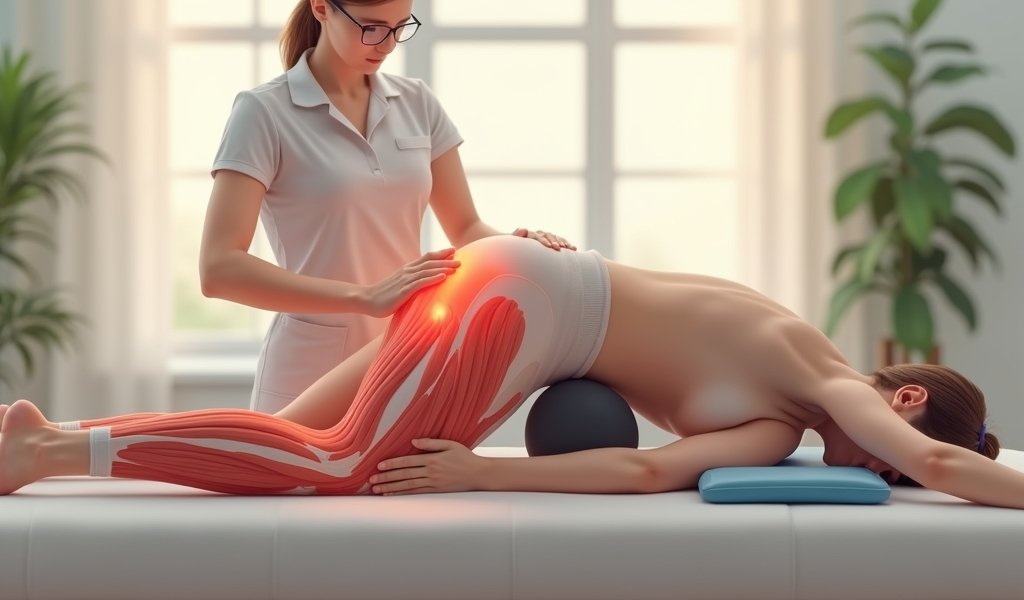
While self-management strategies are valuable, working with a skilled physical therapist can dramatically accelerate your recovery from gluteal tendinopathy. A therapist brings clinical expertise to properly assess your specific condition, identify contributing factors, and design a personalized treatment plan.
During physical therapy sessions, you might experience:
- Manual therapy techniques to release tight muscles and improve joint mobility
- Personalized exercise progression that evolves as you improve
- Gait and movement pattern assessment to identify problematic habits
- Hands-on techniques like soft tissue mobilization and joint mobilization
- Education about proper posture and body mechanics for everyday activities
Physical therapists also employ specialized treatments like ultrasound, dry needling, or shockwave therapy that aren’t available for home use. These interventions can help break up scar tissue, stimulate blood flow, and promote healing in stubborn cases.
Look for a wellness center near you with therapists experienced in treating hip conditions specifically. Studies show that patients who receive targeted physical therapy for gluteal tendinopathy experience significantly better outcomes than those attempting self-management alone. Most patients benefit from 6-12 sessions, though individual needs vary.
Treatment Tip 7: Lifestyle Adjustments for Long-Term Relief
Effective gluteal tendinopathy treatment extends beyond specific exercises or therapy sessions. Long-term recovery and prevention of recurrence often depend on thoughtful lifestyle modifications that reduce ongoing stress on the affected tendons.
Start with an ergonomic assessment of your daily environment. Simple changes like adjusting your chair height, using a standing desk option, or adding lumbar support can significantly reduce hip pressure during prolonged sitting. Pay special attention to your car seat position if you commute regularly.
Next, examine your footwear choices. Worn-out shoes, high heels, or unsupportive footwear can alter your walking mechanics and increase stress on your hips. Many patients benefit from supportive, cushioned shoes with adequate arch support – sometimes with the addition of custom orthotics if you have specific foot mechanics that contribute to your condition.
Weight management also plays a role for some individuals. Research from the American Journal of Physical Medicine & Rehabilitation shows that excess weight increases mechanical load on tendons throughout the body, potentially slowing healing. Even modest weight reductions, if applicable, can reduce symptoms.
Finally, consider stress management techniques. Chronic stress elevates inflammation throughout the body and can worsen tendon irritation. Regular practices like yoga, meditation, deep breathing exercises, or even just prioritizing activities you enjoy can create physiological conditions more conducive to healing.
Conclusion: Your Path to Recovery
Gluteal tendinopathy treatment requires patience and a multi-faceted approach, but the good news is that most people experience significant improvement by following these seven evidence-based strategies. Remember that healing tendons takes time – typically 8-12 weeks for noticeable improvement, though complete recovery may take several months.
The key to success lies in consistency and respecting your body’s signals. Pain is information, not something to push through. By gradually increasing your activity within pain-free boundaries, you allow your tendons to adapt and strengthen appropriately.
Start with the less invasive approaches like rest, activity modification, and gentle exercises. If you’re not seeing improvement after 4-6 weeks, that’s your cue to seek professional guidance from a physical therapist or sports medicine physician who can offer more targeted interventions.
Most importantly, stay positive. Tendon healing follows a predictable, if sometimes slow, pattern. The steps you’re taking now are creating the foundation for stronger, healthier gluteal tendons that will serve you well for years to come.
Frequently Asked Questions
How long does it take to recover from gluteal tendinopathy?
Most patients see improvement within 6-12 weeks with appropriate treatment. Complete recovery can take 3-6 months depending on severity and compliance with treatment protocols.
Is walking good for gluteal tendinopathy?
Moderate walking on flat surfaces can be beneficial, but walking uphill, downhill or for extended periods may aggravate symptoms. Start with short durations and gradually increase as tolerated.
Can gluteal tendinopathy heal on its own?
Minor cases may improve with rest and activity modification. However, most cases require structured exercise therapy and lifestyle modifications for optimal healing.
Should I stretch my hip if I have gluteal tendinopathy?
Aggressive stretching can worsen symptoms by compressing irritated tendons. Focus on gentle mobility exercises rather than intense stretches targeting the gluteal area.
Is massage helpful for gluteal tendinopathy?
Gentle massage of surrounding muscles can help reduce tension and improve blood flow. Avoid direct pressure on the painful tendon insertion point at the side of the hip.