

Overview
Who knew that our poor feet—those overworked, underappreciated appendages we stuff into uncomfortable shoes—would be so high-maintenance when injured! This article outlines five key strategies for healing foot tendon and ligament injuries: proper rest and protection, ice and compression therapy, optimal nutrition (especially protein and vitamin C), gentle progressive exercises, and professional treatments when needed, all while emphasizing the importance of patience throughout the recovery process.
Table of Contents
- Understanding Foot Tendons and Ligament Injuries
- The Importance of Proper Healing
- Tip #1: Rest and Protection: The Foundation of Recovery
- Tip #2: Ice and Compression Therapy
- Tip #3: Nutrition for Tendon and Ligament Healing
- Tip #4: Gentle Stretching and Strengthening Exercises
- Tip #5: Professional Treatment Options
- Prevention Strategies for Future Injuries
- Conclusion
- Frequently Asked Questions
Understanding Foot Tendons and Ligament Injuries
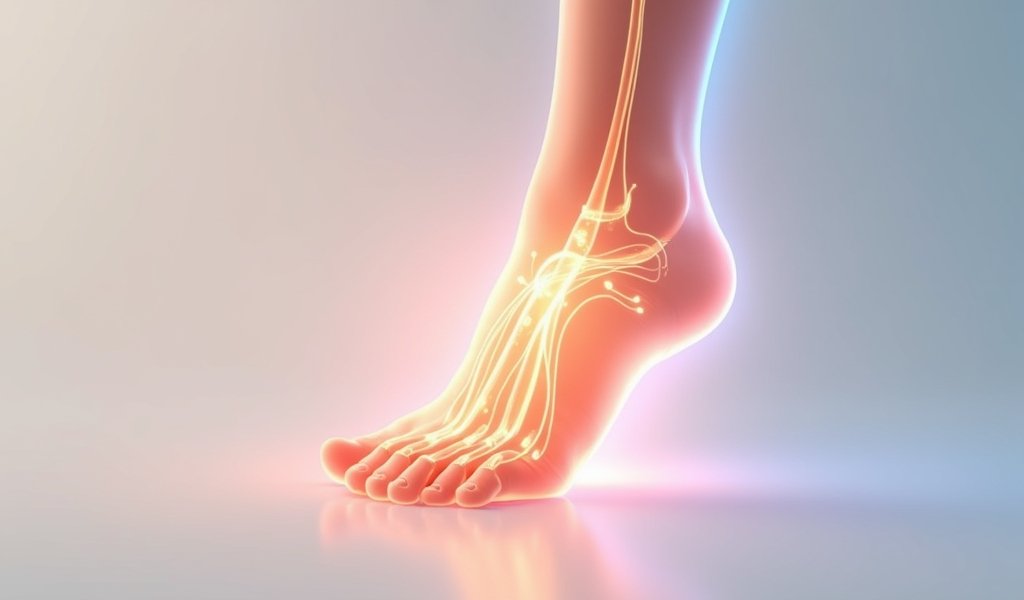
Foot tendons and ligaments are crucial components of your foot’s complex structure, providing stability and enabling movement. When these tissues become injured, the pain can be debilitating and significantly impact your daily activities. As a health professional who has treated numerous patients with these conditions, I’ve seen firsthand how proper healing techniques can make all the difference in recovery times.
Tendons connect muscles to bones, while ligaments connect bones to other bones. In the foot, these structures work together to support the arch, enable balance, and facilitate the intricate movements required for walking, running, and jumping. When injured through overuse, trauma, or improper footwear, these tissues require specific care to heal properly.
Most foot tendon and ligament injuries fall into three categories: strains (stretching or tearing of tendons), sprains (stretching or tearing of ligaments), and tendinitis (inflammation of a tendon). The plantar fascia, Achilles tendon, and ankle ligaments are particularly susceptible to injury due to the significant stress they endure daily.
The Importance of Proper Healing
Healing foot tendons and ligaments properly isn’t just about alleviating pain—it’s about restoring full functionality and preventing future injuries. These tissues have relatively poor blood supply compared to muscles, which means they typically heal more slowly. Rushing the recovery process can lead to chronic problems that may plague you for years.
I’ve observed that patients who follow a comprehensive healing protocol not only recover faster but also experience fewer recurrences. The good news is that with the right approach, you can significantly accelerate your healing time while ensuring a complete recovery. A comprehensive wellness approach that addresses both the injury and its underlying causes tends to yield the best results.
The five proven tips I’m about to share have helped countless patients return to their activities with stronger, more resilient foot tendons and ligaments. Let’s explore these evidence-based strategies that you can implement right away.
Tip #1: Rest and Protection: The Foundation of Recovery
When it comes to healing foot tendons and ligaments, proper rest is non-negotiable. In the acute phase of an injury (the first 24-72 hours), limiting activity is crucial to prevent further damage. However, “rest” doesn’t necessarily mean complete immobilization, which can sometimes lead to stiffness and muscle atrophy.
Instead, what I recommend to my patients is “relative rest”—avoiding activities that cause pain while maintaining gentle movement within pain-free ranges. This approach helps maintain blood flow to the injured tissues while preventing the negative effects of complete immobilization.
Protection of the injured area is equally important. Depending on the severity of your injury, this might include:
- Using supportive footwear with proper arch support
- Temporarily wearing a walking boot for more serious injuries
- Utilizing orthotic inserts to reduce stress on the injured structures
- Taping techniques to limit harmful motion while allowing beneficial movement
According to research published in the Journal of Orthopaedic & Sports Physical Therapy, the appropriate level of protection depends on the severity of the injury. Grade I injuries (mild) may require minimal support, while Grade III injuries (severe) often need more substantial immobilization initially.
Remember that proper loading (not overloading) of tendons and ligaments during the healing process is necessary for optimal recovery. Complete avoidance of all stress can actually slow healing, as these tissues adapt and strengthen in response to appropriate mechanical stimulus.
Tip #2: Ice and Compression Therapy
Controlling inflammation is a critical step in accelerating the healing of foot tendons and ligaments. While some inflammation is a natural part of the healing process, excessive swelling can impede recovery by restricting blood flow and increasing pain.
Ice therapy (cryotherapy) remains one of the most effective methods to reduce swelling and pain, particularly in the acute phase of injury. Apply ice to the injured area for 15-20 minutes every 2-3 hours during the first 48-72 hours after injury. Always use a thin cloth between the ice and your skin to prevent ice burns.
The benefits of ice therapy include:
- Reduction of pain signals through temporary nerve numbing
- Decreased blood flow to limit excessive swelling
- Modulation of the inflammatory response
- Providing a natural pain-relieving effect without medication side effects
Compression works synergistically with ice by physically limiting the accumulation of fluid in the injured area. An elastic bandage wrapped snugly (but not too tightly) around the foot and ankle can significantly reduce swelling. Many of my patients find that compression socks designed specifically for foot and ankle support provide both compression and stability.
For optimal results, consider combining ice and compression through specialized cold compression wraps. These therapeutic devices, available at most pharmacies and physical wellness centers, provide the dual benefits of cold therapy and compression in one convenient application.
After the acute phase (48-72 hours), you may alternate between heat and cold therapy. Heat increases blood flow, bringing healing nutrients to the area and helping to flush away waste products. This alternating approach, sometimes called contrast therapy, can stimulate circulation and accelerate healing in the subacute and chronic phases of recovery.
Tip #3: Nutrition for Tendon and Ligament Healing
What you eat plays a surprisingly significant role in how quickly your foot tendons and ligaments heal. These connective tissues require specific nutrients to repair and rebuild, and optimizing your nutrition can make a noticeable difference in recovery time.
Protein is the foundation of tissue repair. Tendons and ligaments are primarily composed of collagen, which is a protein. Ensuring adequate protein intake—about 1.2 to 1.6 grams per kilogram of body weight daily—provides the building blocks your body needs for tissue regeneration. Quality sources include lean meats, fish, eggs, dairy, legumes, and plant-based proteins.
Beyond protein, several specific nutrients deserve special attention:
- Vitamin C: Essential for collagen synthesis and immune function. Find it in citrus fruits, berries, peppers, and dark leafy greens.
- Zinc: Supports protein synthesis and tissue growth. Good sources include oysters, beef, pumpkin seeds, and lentils.
- Copper: Works with vitamin C to form strong collagen fibers. Incorporate seafood, nuts, seeds, and whole grains.
- Manganese: Critical for collagen production. Abundant in nuts, whole grains, leafy vegetables, and tea.
- Vitamin A: Regulates cellular regeneration. Found in sweet potatoes, carrots, spinach, and liver.
According to research published in the Journal of Orthopedic Research, inflammation-modulating foods can also support the healing process. Omega-3 fatty acids from fatty fish, walnuts, and flaxseeds have natural anti-inflammatory properties that may help control excessive inflammation without impeding the healing process.
Hydration is equally important—water is necessary for nearly every metabolic process in your body, including tissue repair. Aim for at least 8-10 glasses of water daily, more if you’re physically active or in hot weather.
Consider limiting foods that may promote inflammation, such as refined sugars, processed foods, and excessive alcohol. These can potentially slow the healing process by promoting an exaggerated inflammatory response and diverting resources away from repair mechanisms.
Tip #4: Gentle Stretching and Strengthening Exercises
Once the acute pain and inflammation have subsided—typically after 3-5 days—introducing gentle stretching and strengthening exercises becomes crucial for optimal healing of foot tendons and ligaments. This proactive approach helps restore flexibility, improve blood flow, and rebuild the structural integrity of the injured tissues.
I always emphasize to my patients that timing is everything. Starting too soon can aggravate the injury, while waiting too long can lead to stiffness and weakness that prolong recovery. Begin with gentle, pain-free movements and gradually increase the intensity as healing progresses.
Here are some effective exercises to promote healing:
Gentle Stretches for Foot Tendons and Ligaments:
- Towel Stretches: Sit with your leg extended and loop a towel around your foot. Gently pull the towel toward you, feeling a stretch in your calf and foot. Hold for 20-30 seconds, repeat 3 times.
- Ankle Alphabets: Trace the alphabet with your toes, moving only your ankle. This gentle mobilization activates multiple tendons and ligaments without overstressing them.
- Toe Curls: Place a towel on the floor and use your toes to scrunch it toward you. This helps strengthen the intrinsic foot muscles that support the tendons and ligaments.
Progressive Strengthening Exercises:
- Marble Pickup: Place marbles on the floor and practice picking them up with your toes, then placing them in a bowl. This improves dexterity and strengthens the small muscles of the foot.
- Heel Raises: Stand with your feet hip-width apart and slowly rise onto your toes. Hold for 3 seconds, then lower. Start with 10 repetitions and gradually increase.
- Resistance Band Exercises: Use a resistance band to perform ankle eversion, inversion, dorsiflexion, and plantar flexion. These movements target specific ligaments and tendons.
Specialized foot therapy that incorporates these exercises can significantly accelerate recovery. As healing progresses, balance exercises become increasingly important to restore proprioception—your body’s awareness of its position in space—which is often compromised after ligament injuries.
According to Mayo Clinic specialists, performing these exercises consistently but gently is key to successful rehabilitation. The goal is to stimulate healing without causing pain—if an exercise hurts, it’s too advanced for your current stage of recovery.
Remember that consistency trumps intensity. Daily gentle exercise is far more beneficial than occasional intense sessions, which can actually set back your recovery. Consider working with a physical therapist who can customize an exercise program specific to your injury and monitor your progress.
Tip #5: Professional Treatment Options
While self-care measures are essential for healing foot tendons and ligaments, certain professional treatments can significantly accelerate recovery, especially for more severe or persistent injuries. As a health professional, I’ve seen remarkable results when patients combine home care with appropriate clinical interventions.
Physical therapy stands as the cornerstone of professional treatment for tendon and ligament injuries. A skilled physical therapist can provide customized exercises, manual therapy techniques, and progression guidance that targets your specific condition. They may employ specialized approaches such as eccentric strengthening—which has shown particular effectiveness for tendinopathies according to recent clinical research.
Beyond traditional physical therapy, several evidence-based treatment modalities have demonstrated effectiveness:
- Low-Level Laser Therapy (LLLT): This non-invasive treatment uses specific wavelengths of light to stimulate healing at the cellular level, potentially accelerating tendon and ligament repair.
- Extracorporeal Shock Wave Therapy (ESWT): Particularly effective for chronic tendon conditions, ESWT delivers acoustic pressure waves that stimulate metabolism and enhance blood circulation to injured tissues.
- Therapeutic Ultrasound: Creates deep heat in tissues, increasing blood flow and metabolic activity while potentially improving the extensibility of collagen fibers.
- Platelet-Rich Plasma (PRP) Injections: This regenerative medicine approach concentrates healing components from your own blood and injects them into the injured area to enhance the healing response.
For certain conditions, custom orthotics may be recommended to correct biomechanical issues that contributed to your injury and to reduce stress on healing tissues. These prescription inserts, unlike over-the-counter versions, are designed specifically for your foot structure and movement patterns.
In some cases, especially for complete tears or injuries that don’t respond to conservative treatment, surgical intervention may be necessary. Modern surgical techniques, including minimally invasive approaches, can repair damaged tendons and ligaments with reduced recovery time compared to traditional open surgery.
The key is timing—knowing when to seek professional help can prevent weeks or months of unnecessary discomfort and disability. Generally, you should consult a healthcare provider if your injury causes significant pain, swelling, or dysfunction that doesn’t improve within a few days, or if you’re unable to bear weight on the affected foot.
Prevention Strategies for Future Injuries
Once you’ve successfully healed your foot tendons and ligaments, preventing future injuries becomes the priority. As someone who works regularly with patients recovering from these conditions, I can attest that recurrence is common without proper preventive measures.
First and foremost, gradual progression in any physical activity is essential. Whether you’re returning to sports or simply increasing your daily walking, follow the 10% rule—don’t increase your activity level by more than 10% per week. This gives your tissues time to adapt to increasing demands without becoming overwhelmed.
Footwear plays a crucial role in preventing foot tendon and ligament injuries. Shoes that provide proper support, cushioning, and stability help maintain optimal foot mechanics. Replace athletic shoes regularly (typically every 300-500 miles of use) as worn-out shoes lose their supportive properties.
Maintaining flexibility and strength through a consistent exercise routine is perhaps the most effective preventive strategy. Focus on:
- Calf stretches to reduce tension on the Achilles tendon and plantar fascia
- Toe and foot strengthening exercises to support the arch and intrinsic structures
- Balance and proprioception training to improve stability and reduce fall risk
- Core and hip strengthening to improve overall lower extremity biomechanics
Listen to your body—pain is a warning signal. The “no pain, no gain” approach has no place in injury prevention. If you experience discomfort during an activity, reduce intensity or take a break. Persistent pain warrants professional evaluation before it develops into a more serious condition.
Cross-training is another valuable strategy. Varying your activities prevents repetitive stress on the same tissues. For example, if you’re a runner, incorporate swimming, cycling, or strength training to give your foot tendons and ligaments different movement patterns and recovery opportunities.
Lastly, maintain a healthy weight. Each extra pound increases the force on your feet during walking by several pounds. Managing your weight reduces this stress, decreasing the risk of overuse injuries to foot tendons and ligaments.
Conclusion
Healing foot tendons and ligaments requires a comprehensive approach that addresses not just the symptoms but the underlying causes of injury. By implementing these five proven strategies—proper rest and protection, ice and compression therapy, optimal nutrition, appropriate exercise progression, and professional treatment when necessary—you can significantly accelerate your recovery while ensuring complete healing.
Remember that patience is essential in this process. These resilient but complex tissues need time to repair properly. Rushing your recovery or skipping critical healing steps may provide temporary relief but often leads to recurrent issues that can become chronic and difficult to resolve.
Your feet are the foundation of your mobility and independence. Investing the time and effort to heal foot tendons and ligaments properly pays dividends in long-term foot health and function. With the right approach, you can return to your activities with stronger, more resilient feet that will carry you forward reliably for years to come.
If you’re currently dealing with a foot tendon or ligament injury, start implementing these evidence-based strategies today. For persistent or severe conditions, don’t hesitate to seek professional guidance to ensure you’re on the optimal path to recovery.
Frequently Asked Questions
How long does it take for foot tendons and ligaments to heal?
Healing time varies based on injury severity, typically ranging from 2-6 weeks for mild injuries to 3-6 months for severe cases. Consistent adherence to proper treatment protocols can significantly improve recovery times.
Should I walk on a foot with injured tendons or ligaments?
Limited weight-bearing is typically recommended based on pain levels and injury severity. Follow your healthcare provider’s specific guidance, as some movement promotes healing while excessive stress can worsen injuries.
What’s the difference between a sprain and a strain in the foot?
A sprain involves stretching or tearing of ligaments (which connect bone to bone), while a strain affects tendons or muscles. Both can cause pain and swelling, but they involve different structures and may require different treatment approaches.
Can I continue exercising with a foot tendon injury?
Low-impact, pain-free activities are often permitted, but you should avoid activities that cause pain or swelling. Swimming, stationary cycling with forefoot support, and properly modified strength training may be appropriate alternatives.
When should I see a doctor for foot pain?
Seek medical attention if you experience severe pain, inability to bear weight, visible deformity, or symptoms that don’t improve within a few days. Persistent swelling, bruising, or pain that interrupts sleep also warrants professional evaluation.