

Overview
This article details essential fitness equipment repair parts including treadmill belts, weight stack cables, resistance bands, upholstery, exercise bike components, elliptical parts, and maintenance tools, explaining their importance for equipment longevity, safety, and optimal workout performance. Regular maintenance with quality replacement parts not only extends equipment life and reduces costs but also ensures consistent workout quality and prevents injuries, making it a worthwhile investment for both commercial facilities and home gyms.
Table of Contents
- Understanding Fitness Repair Parts: Why They Matter
- Treadmill Belts and Decks: The Foundation of Cardio Maintenance
- Weight Stack Cables and Pulleys: Strength Training Essentials
- Resistance Bands and Cords: Versatile Workout Solutions
- Upholstery and Padding: Comfort Meets Functionality
- Exercise Bike Components: Pedals, Chains, and Resistance Systems
- Elliptical Parts: Stride Rails and Console Electronics
- Essential Maintenance Tools: Beyond the Basic Parts
- Conclusion: Investing in Quality Fitness Repair Parts
- Frequently Asked Questions
Understanding Fitness Repair Parts: Why They Matter
As a sports medicine specialist who’s spent over a decade working with both professional athletes and fitness enthusiasts, I’ve seen firsthand how fitness repair parts can dramatically extend the life of gym equipment. Regular maintenance isn’t just about saving money—it’s about ensuring your workouts remain safe and effective. When equipment operates at its best, your exercise routine delivers optimal results.
The global home fitness equipment market has surged to over $14 billion, yet many owners neglect the importance of quality fitness repair parts. This oversight often leads to premature equipment replacement, unnecessary expenses, and even potential injuries. Whether you manage a commercial facility or maintain a home gym, understanding essential replacement parts is crucial for maximizing your investment.
In my practice, I’ve observed that properly maintained equipment not only performs better but also provides more consistent fitness outcomes. The right repair parts ensure biomechanically correct movements, reducing strain and improving exercise efficiency. Let’s explore the seven most essential fitness repair parts that every gym owner should know about.
Treadmill Belts and Decks: The Foundation of Cardio Maintenance
Treadmills remain the most popular cardio machines in both home and commercial settings, making their maintenance particularly important. The belt and deck system forms the literal foundation of every treadmill workout, and their condition directly impacts user safety and machine longevity.
A quality treadmill belt should be replaced approximately every 3,000-5,000 miles of use, though this varies based on user weight, running style, and maintenance practices. Signs that replacement is needed include fraying edges, visible wear patterns, unusual noises during operation, or slippage when in use. Modern treadmill belts feature multi-ply construction with specialized lubricants that reduce friction and heat buildup.
The deck—the solid surface beneath the belt—typically lasts longer but eventually requires replacement when it becomes too worn to support proper belt movement. Many newer models feature reversible decks that effectively double their lifespan. Research has shown that proper belt tension and lubrication can reduce motor strain by up to 40%, significantly extending the life of more expensive components.
When selecting replacement belts, consider thickness, texture, and compatibility with your specific model. Premium options may cost more initially but typically deliver better performance and durability. Remember that a properly functioning treadmill belt not only extends machine life but also prevents the jerky movements that can lead to joint stress and potential injuries.
Weight Stack Cables and Pulleys: Strength Training Essentials
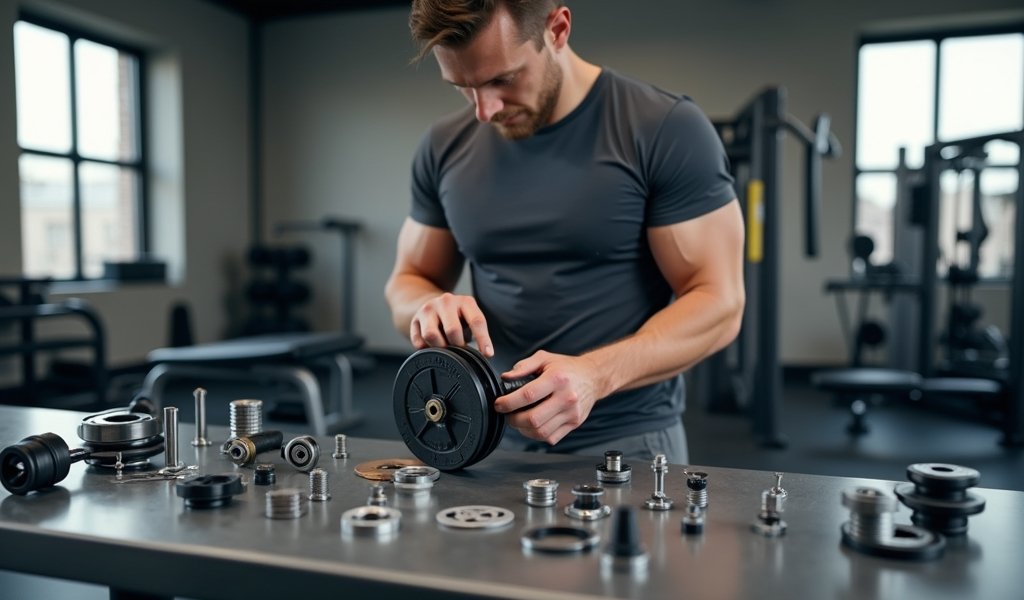
The integrity of your strength training equipment hinges largely on the condition of its cables and pulleys. These components transmit force from the weight stack to the exercise movement, making them critical for both safety and effectiveness. In my clinical practice, I’ve treated numerous injuries resulting from sudden cable failures during resistance training.
High-quality weight stack cables typically consist of aircraft-grade stainless steel with nylon coating for smooth operation. Most commercial gyms replace these cables every 12-18 months as preventative maintenance, but home gym users often overlook this crucial upkeep. Warning signs that replacement is needed include visible fraying, kinking, or any change in the cable’s diameter.
The pulleys that guide these cables are equally important. Worn pulleys create uneven resistance, compromising workout quality and potentially damaging other components. Modern pulley systems use sealed bearings that significantly reduce maintenance needs while improving movement fluidity. When replacing pulleys, always check that the diameter and groove specifications match your original components.
For optimal safety, I recommend inspecting cables monthly using this simple procedure:
- Run a cotton glove along the entire length of the cable to catch any broken strands
- Check connection points for signs of stress or deformation
- Verify smooth movement through all pulleys under various loads
- Listen for unusual sounds that might indicate internal damage
Quality replacement cables cost between $15-50 depending on length and specifications, making them one of the most cost-effective investments in equipment longevity and safety. When using stair climbers or other cable-based machines, proper cable maintenance becomes even more critical due to the constant tension these systems endure.
Resistance Bands and Cords: Versatile Workout Solutions
Resistance bands have evolved from simple rehabilitation tools to versatile components in modern fitness equipment. These elastic elements provide progressive resistance that many exercisers prefer over traditional weight stacks. As a sports medicine professional, I’ve incorporated resistance-based training into countless recovery protocols due to its joint-friendly nature.
The lifespan of resistance bands varies dramatically based on material quality, exposure to UV light, and usage patterns. Premium latex bands typically maintain consistent tension for 6-12 months of regular use before needing replacement. Telltale signs of deterioration include visible cracks, decreased tension, or a powdery residue on the surface.
Many home fitness machines now incorporate resistance bands or cords as primary resistance mechanisms. These systems require regular inspection and occasional replacement to maintain proper tension progression. When selecting replacement bands, consider not just the resistance level but also the attachment mechanisms and overall quality of materials.
For optimal performance and longevity, follow these care guidelines:
- Store bands away from direct sunlight and extreme temperatures
- Clean with mild soap and water after intense workouts
- Avoid stretching bands more than 2.5 times their resting length
- Replace at the first sign of structural compromise
The versatility of resistance bands makes them excellent companions for exercise bike workouts, allowing users to incorporate upper body training while cycling. Modern hybrid training systems increasingly rely on quality resistance elements, making their maintenance essential for comprehensive fitness programs.
Upholstery and Padding: Comfort Meets Functionality
The condition of upholstery and padding on weight benches, seats, and support surfaces significantly impacts both workout comfort and equipment longevity. In my clinical practice, I’ve found that proper padding support is crucial for maintaining correct exercise form and preventing unnecessary strain on the spine and joints.
Commercial-grade vinyl upholstery typically lasts 3-5 years before showing significant wear, while foam padding compressed beneath it may deteriorate more quickly depending on usage patterns. Signs that replacement is needed include cracking, tearing, excessive compression, or visible moisture penetration into the padding.
Modern fitness equipment upholstery incorporates antimicrobial treatments that resist bacterial growth—a feature worth investing in, especially for shared equipment. High-density foam options provide better support and typically maintain their shape longer than standard padding. When selecting replacement upholstery, consider thickness, density, moisture resistance, and attachment mechanisms specific to your equipment.
Proper upholstery maintenance extends pad life considerably:
- Clean surfaces weekly with appropriate antimicrobial cleaners
- Address small tears immediately before they expand
- Allow padding to fully dry after cleaning before use
- Use equipment covers in high-humidity environments
Beyond comfort, proper padding ensures correct biomechanical positioning during exercise. Research demonstrates that maintaining appropriate support surfaces significantly reduces injury risk while enhancing muscle activation patterns during resistance training.
Exercise Bike Components: Pedals, Chains, and Resistance Systems
Exercise bikes remain among the most popular and mechanically complex fitness machines in both home and commercial settings. Their moving components require particular attention to maintenance and occasional replacement. As someone who regularly prescribes cycling for joint-friendly cardiovascular conditioning, I emphasize the importance of properly functioning bike components.
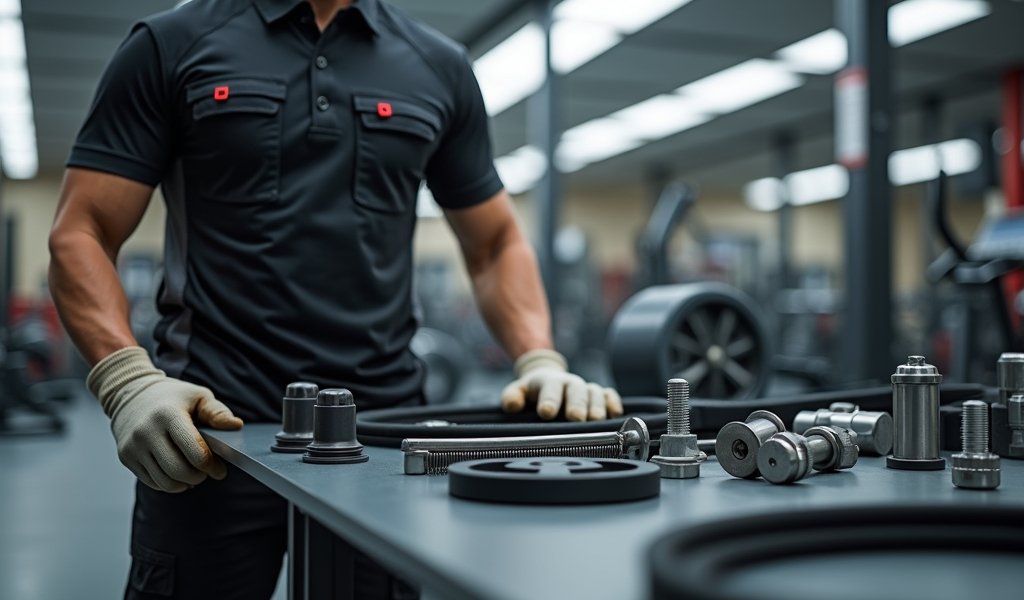
Pedals undergo tremendous stress during normal use and typically need replacement every 12-24 months depending on usage intensity. Signs of wear include bearing roughness, cracks in the pedal body, or loosening of the pedal spindle. Modern pedals feature sealed cartridge bearings that significantly outperform older designs in both longevity and smoothness.
Drive systems—whether chain, belt, or direct drive—form the core of every exercise bike’s functionality. Chain drives require regular lubrication and occasional replacement when they develop excessive slack. Belt drives last significantly longer (typically 3-5 years) but cost more to replace when they eventually wear out. Using a bike exercise machine with a well-maintained drive system provides a smoother workout experience while reducing noise.
Resistance mechanisms vary widely across bike models:
- Magnetic systems rarely need replacement but may require occasional recalibration
- Friction-based systems need new pads or straps every 6-12 months
- Air/fan resistance systems need cleaning to maintain proper resistance curves
- Electronic resistance motors may need replacement after 3-5 years of regular use
When selecting replacement components, compatibility with your specific model is crucial. Many manufacturers use proprietary designs that require exact matching parts. For optimal performance, consider upgrading rather than simply replacing worn components—modern pedals, for instance, often offer improved foot positioning that enhances biomechanical efficiency.
Elliptical Parts: Stride Rails and Console Electronics
Elliptical trainers combine complex mechanical systems with sophisticated electronics, creating unique maintenance challenges. As a sports medicine physician who often recommends ellipticals for patients with joint concerns, I’ve found that proper maintenance of these machines is essential for providing the smooth, low-impact motion that makes them therapeutically valuable.
Stride rails and rollers form the foundation of an elliptical’s movement pattern and typically need attention after 1-2 years of regular use. Signs that maintenance is needed include roughness in the stride motion, unusual noises during operation, or visible wear on the rail surfaces. High-quality replacement rollers use precision bearings that significantly improve the feel of the exercise motion.
The stride linkage system—comprising arms, pivots, and connecting hardware—experiences substantial stress during normal operation. These components typically don’t need frequent replacement but do require regular inspection for looseness or wear. When parts do need replacement, exact specifications are critical to maintaining proper biomechanics and preventing premature wear of other components.
Console electronics represent another crucial aspect of modern ellipticals:
- Heart rate sensors typically need replacement every 2-3 years as contact points wear
- Display screens may develop dead pixels or diminished brightness after extended use
- Control boards occasionally fail, particularly in humid environments
- Power supplies are common failure points but relatively inexpensive to replace
When maintaining ellipticals, don’t overlook the importance of proper lubrication schedules. Many stride rail problems stem from inadequate lubrication rather than actual component failure. Using manufacturer-specified lubricants at recommended intervals can extend parts life significantly while maintaining the smooth motion that makes ellipticals beneficial for joint health.
Essential Maintenance Tools: Beyond the Basic Parts
Successful fitness equipment maintenance requires more than just replacement parts—it demands the right tools and supplies. From my experience working with athletic training facilities, I’ve found that a well-equipped maintenance toolkit pays for itself many times over by extending equipment life and reducing downtime.
Lubricants form the foundation of preventative maintenance. Different components require specific formulations: silicone-based lubricants for treadmill decks, food-grade grease for weight stack guide rods, and dry PTFE lubricants for areas where traditional oils might attract dust. Using the wrong lubricant can actually accelerate wear rather than prevent it.
A quality set of metric and standard Allen wrenches is essential for most fitness equipment adjustments and repairs. Look for long-handled versions that provide the leverage needed for tight fittings. Specialized pulley wrenches, cable tensioning tools, and bearing presses may be worth investing in for those who maintain multiple pieces of equipment.
Diagnostic tools have become increasingly important as fitness equipment grows more sophisticated:
- Multimeters for troubleshooting electrical components
- Tachometers for verifying correct motor speeds
- Cable tension gauges for ensuring proper resistance settings
- Infrared thermometers for identifying overheating components
For those maintaining equipment regularly, consider creating a maintenance schedule and log. Tracking when components were last replaced or serviced provides valuable data for predicting future needs. Many commercial facilities follow manufacturer-recommended maintenance schedules, but home users can benefit equally from systematic upkeep plans.
Conclusion: Investing in Quality Fitness Repair Parts
Throughout this comprehensive guide to fitness repair parts, we’ve explored the critical components that keep your exercise equipment functioning safely and effectively. As a health professional who values both performance and safety, I cannot overstate the importance of using quality fitness repair parts for maintaining your gym gear.
Investing in proper maintenance isn’t merely about extending equipment life—though that financial benefit is substantial. It’s about ensuring consistent workout quality, preventing injuries, and maintaining the motivation that comes from using equipment that performs as designed. The right replacement parts, installed at appropriate intervals, transform fitness equipment from a depreciating asset to a reliable training partner.
Remember that preventative maintenance with quality fitness repair parts nearly always costs less than emergency repairs or premature equipment replacement. By familiarizing yourself with the components discussed—from treadmill belts to resistance systems—you’re empowering yourself to make informed decisions about your fitness investment.
Whether you manage a commercial facility or maintain a personal home gym, the principles remain the same: select quality components, follow manufacturer guidelines, and address small issues before they become major problems. Your body—and your budget—will thank you for the attention to these crucial fitness repair parts.
Frequently Asked Questions
How often should I replace treadmill belts?
Most treadmill belts should be replaced every 3,000-5,000 miles of use. Check for fraying edges, visible wear patterns, or slippage during operation as indicators that replacement is needed.
Are generic fitness repair parts as good as manufacturer parts?
High-quality aftermarket parts can sometimes match or exceed OEM specifications, but compatibility must be verified. For critical safety components like cables and electronic systems, manufacturer parts typically offer the best reliability.
How can I tell if my weight stack cables need replacement?
Inspect cables monthly for visible fraying, kinks, or changes in diameter. Run a cotton glove along the cable length to catch broken strands, and replace immediately if any damage is detected.
What maintenance supplies should every home gym owner have?
Essential supplies include silicone-based lubricant for treadmills, food-grade grease for weight stacks, a set of metric and standard Allen wrenches, and appropriate cleaning solutions for upholstery. More advanced users should consider cable tension gauges and diagnostic tools.
Is it worth repairing older fitness equipment?
The repair value depends on the equipment quality, availability of parts, and cost of comparable new equipment. High-quality commercial-grade equipment often justifies significant repair investment, while budget home equipment may be more economical to replace after major component failure.