

Overview
This article explores fitness instruction as a rewarding career path with diverse opportunities across commercial gyms, boutique studios, corporate settings, and digital platforms, highlighting essential qualifications, compensation expectations, and growth potential in a $96 billion industry projected to grow 8.7% annually. Beyond financial considerations, the profession offers meaningful client impact, lifestyle flexibility, and community connection, though success requires navigating challenges like physical sustainability and continuous professional development in an evolving field.
Table of Contents
- The Thriving World of Fitness Instruction
- Essential Qualifications for Fitness Professionals
- Career Environments and Opportunities
- Financial Reality: Understanding Compensation
- Fulfillment Beyond the Paycheck
- Navigating Career Challenges
- Launching Your Fitness Career
- Future Trends in Fitness Instruction
- Conclusion
- Frequently Asked Questions
The Thriving World of Fitness Instruction
The fitness industry has transformed dramatically in recent years, creating unprecedented opportunities for those seeking fitness instructor jobs. As a health professional who’s witnessed this evolution firsthand, I can tell you that fitness instructors have become essential architects of public health, guiding clients through transformative wellness journeys that extend far beyond physical appearance.
Current market research values the global fitness industry at over $96 billion, with projections showing an impressive 8.7% annual growth through 2026. This isn’t just a fleeting trend—it represents a fundamental shift in how society prioritizes health and prevention.
Today’s fitness landscape offers remarkable diversity in professional roles, including:
- One-on-one personal training
- Dynamic group fitness instruction
- Specialized teaching (yoga, Pilates, cycling)
- Rehabilitation-focused corrective exercise
- Athletic performance coaching
The COVID-19 pandemic accelerated digital transformation, with virtual training platforms experiencing over 1,000% growth since 2019. Many fitness professionals now embrace hybrid models that combine traditional in-person sessions with digital offerings, creating more diverse income streams and wider client reach.
Specialized niches continue gaining momentum, particularly in senior fitness, prenatal exercise, and corporate wellness. The fitness jobs near me search has never yielded more specialized opportunities for those with the right qualifications and passion.
Essential Qualifications for Fitness Professionals
While enthusiasm for fitness provides important motivation, professional credentials establish credibility and employability. Let’s explore the foundation you’ll need to build a successful career.

Foundational Certifications
Several respected organizations offer certifications that serve as industry standards:
- American Council on Exercise (ACE)
- National Academy of Sports Medicine (NASM)
- International Sports Sciences Association (ISSA)
- National Strength and Conditioning Association (NSCA)
According to ACE Fitness certification research, these credentials aren’t interchangeable. Each organization emphasizes different methodologies and philosophies, so research thoroughly to determine which aligns with your career objectives.
Specialized Credentials
Beyond foundational certifications, specialized training significantly enhances marketability:
- Yoga Alliance certifications (200hr, 500hr)
- STOTT or Classical Pilates methodology
- Branded program certifications (Les Mills, Zumba)
- Special population training (pre/postnatal, senior fitness)
While not always required, formal education in exercise science jobs preparation through degrees in kinesiology, exercise physiology, or related fields provides substantial advantages, particularly for clinical or corporate positions.
Essential Soft Skills
Technical knowledge alone isn’t enough. Exceptional fitness professionals develop:
- Clear, engaging communication abilities
- Genuine empathy and emotional intelligence
- Motivational psychology techniques
- Business acumen (especially for independent professionals)
- Program design creativity and adaptability
Dr. Brad Schoenfeld, renowned exercise scientist, emphasizes that “the most successful fitness professionals combine evidence-based knowledge with extraordinary interpersonal skills to create transformative client experiences.” This blend of scientific understanding and human connection differentiates thriving fitness careers from merely adequate ones.
Career Environments and Opportunities
One of the most appealing aspects of fitness instructor jobs is their versatility. Let’s explore the diverse settings where fitness professionals thrive.
Commercial Gym Environments
Large fitness chains like Planet Fitness, LA Fitness, and Life Time offer structural advantages:
- Accessible entry points for newcomers
- Clear advancement pathways
- Ready-made client base
- Standardized training systems
These environments typically provide more stability but may offer less creative autonomy than other settings.
Boutique and Specialized Studios
Specialized facilities focusing on specific methodologies (SoulCycle, Pure Barre, OrangeTheory) have seen remarkable 400% growth since 2010. These environments offer:
- Premium compensation rates
- Greater instructional autonomy
- Distinctive client experiences
- Strong community connection
Many fitness professionals find these settings allow deeper specialization and stronger brand development.
Wellness and Corporate Settings
With employee wellness now representing an $8 billion industry, corporate fitness opportunities continue expanding. These positions typically feature:
- Predictable scheduling
- Comprehensive benefits packages
- Salary-based compensation
- Professional work environments
For those interested in integrating exercise with clinical care, exercise physiologist jobs in medical settings represent an exciting frontier where fitness meets healthcare.
Entrepreneurial Pathways
Many experienced instructors eventually transition to self-employment, enjoying:
- Complete schedule control
- Unlimited earning potential
- Full programming autonomy
- Direct client relationships
This path requires additional business acumen but offers unparalleled freedom and growth potential.
Digital Instruction
The pandemic-accelerated digital revolution created entirely new career avenues:
- Remote personal training
- Subscription-based class platforms
- Fitness content creation
- Mobile app development
According to Statista research, fitness app usage increased by 47% during the pandemic, creating sustained demand for digital fitness expertise.
Financial Reality: Understanding Compensation
Let’s talk frankly about earnings potential—an essential consideration for any career path. Compensation varies significantly based on several factors.
Typical Earnings Structure
- Entry-level group instructors: $15-30 per class
- Established personal trainers: $30-100+ hourly
- Full-time fitness directors: $40,000-75,000 annually
- Elite or specialized trainers: $100,000+ annually
Several key factors influence where you’ll fall within these ranges:
Primary Compensation Factors
Geographic location: Metropolitan markets command premium rates, with New York, Los Angeles, and San Francisco typically offering 30-50% above national averages.
Experience level: Professionals with 5+ years typically earn 40-60% more than beginners, reflecting both technical skill development and client relationship building.
Certification depth: Advanced or multiple credentials can increase earning potential by 15-25%, particularly specialized certifications addressing unique population needs.
Niche expertise: Specialized knowledge (medical exercise, performance training) commands premium rates due to increased value delivery and smaller competitive pools.
Benefits Considerations
Beyond base compensation, many employers offer valuable additions:
- Healthcare coverage (typically full-time positions)
- Facility membership privileges
- Professional development allowances
- Industry discounts and perks
- Performance incentives
Independent professionals should factor self-employment considerations into financial planning, including business expenses, self-employment taxes, and benefits procurement.
Fulfillment Beyond the Paycheck
Financial considerations matter, but they’re rarely the primary motivation for career longevity in fitness. The intangible rewards often provide the deepest professional satisfaction.
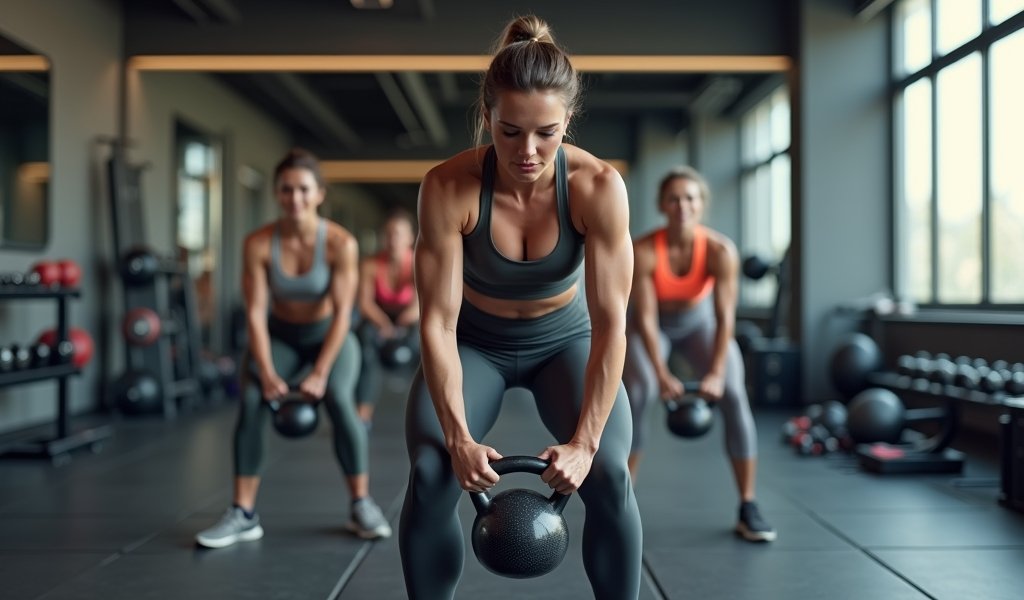
Lifestyle Integration
Unlike conventional careers, fitness instruction often offers remarkable scheduling flexibility. Many professionals work split shifts—morning and evening sessions with midday freedom—allowing for:
- Family time and parenting flexibility
- Educational pursuit compatibility
- Creative or secondary career development
- Personal wellness prioritization
This work-life integration appeals particularly to those seeking alternatives to traditional scheduling constraints.
Meaningful Impact
Few professions offer such immediate and profound client transformation. Fitness professionals regularly witness:
- Dramatic physical health improvements
- Psychological resilience development
- Functional capacity restoration
- Life-changing goal achievement
As one veteran instructor shared: “When clients tell me they can play with their grandchildren without pain or climb stairs without getting winded, I realize I’m not just teaching exercise—I’m helping restore quality of life.”
Active Work Environment
For those who find desk-based careers constraining, fitness instruction offers delightful contrast:
- Physical engagement throughout workdays
- Reduced sedentary health risks
- Alignment between personal and professional values
- Daily movement practice integration
Community Connection
The relational dimension of fitness creates rich social experiences:
- Meaningful client relationships
- Supportive professional networks
- Community development within classes
- Belonging to a health-focused tribe
This social connectivity combats isolation while creating professional support systems that enhance career longevity.
Navigating Career Challenges
While fitness careers offer tremendous rewards, acknowledging challenges provides essential perspective for sustainable success.
Physical Sustainability
The physical nature of instruction brings inherent considerations:
- Potential overtraining with high teaching volume
- Voice strain from continuous instruction
- Repetitive movement pattern stress
- Energy management across multiple sessions
Successful long-term professionals implement proactive strategies:
- Strategic scheduling with recovery periods
- Voice preservation techniques and amplification
- Movement variety and biomechanical awareness
- Personal recovery prioritization
Income Stability
Financial predictability presents challenges, particularly early in careers:
- Seasonal client fluctuations
- Gradual client base development
- Cancellation impact on independent trainers
- Part-time position benefit limitations
Experienced professionals address these challenges through:
- Diversified income streams
- Specialty niche development
- Small-group training offerings
- Supplemental digital services
Client Development
Building sustainable client relationships requires intentionality:
- Initial client acquisition patience
- Competitive market differentiation
- Balancing client autonomy with accountability
- Ongoing relationship nurturing
The most successful fitness professionals create systems for:
- Exceptional client experience creation
- Consistent value demonstration
- Progress tracking and celebration
- Referral generation
Professional Development
Fitness remains an evolving field requiring continuous learning:
- Certification renewal requirements (typically every 2-3 years)
- Continuing education investments ($200-1,000 annually)
- Research and trend monitoring
- New skill development
This commitment to growth distinguishes career professionals from short-term participants.
Launching Your Fitness Career
For those ready to pursue fitness instruction, these strategic steps provide practical guidance.
Certification Selection
Begin by choosing credentials aligned with your goals:
- Research certification preferences in target employment settings
- Consider your optimal learning approach (self-directed vs. structured)
- Evaluate examination formats and preparation requirements
- Calculate complete costs (materials, exam fees, prerequisites)
Most successful professionals begin with a nationally-recognized general certification before developing specializations.
Experience Building
Even before securing formal positions, begin developing practical skills:
- Lead complimentary community workouts
- Shadow established professionals (many welcome assistance)
- Record practice sessions for self-assessment
- Offer trial sessions for feedback collection
Document these experiences through testimonials, reflection, and demonstration videos to create a compelling portfolio.
Professional Networking
The fitness community values relationship-building. Expand connections through:
- Industry education events and conferences
- Local fitness community participation
- Professional group engagement
- Experiencing diverse instructional styles
Prepare to articulate your unique approach and perspective during these interactions.
Interview Preparation
Many fitness positions involve performance-based assessment. Prepare by:
- Developing polished demonstration sequences
- Practicing clear instructional cues
- Creating adaptations for diverse participants
- Anticipating scenario-based questions
Remember that personality, energy, and authentic connection often carry equal weight to technical proficiency in hiring decisions.
Future Trends in Fitness Instruction
The fitness industry continues evolving, creating exciting opportunities for forward-thinking professionals.
Growth Projections
According to the Bureau of Labor Statistics, fitness training roles are projected to grow by 39% through 2030—far exceeding average occupational growth. This expansion stems from:
- Healthcare cost concerns driving preventative approaches
- Expanded understanding of exercise benefits beyond aesthetics
- Demographic shifts creating specialized needs
- Corporate wellness investment growth
Emerging Specializations
Several specialized areas show particularly strong development potential:
- Corrective movement and functional therapy
- Active aging and longevity programming
- Technology-enhanced training systems
- Mental health-integrated movement practices
- Medical fitness integration
Technology Transformation
Digital evolution continues reshaping fitness careers:
- Wearable technology integration
- AI-assisted programming and tracking
- Immersive training environments
- Hybrid service delivery models
Professionals who embrace technological advancement while preserving human connection will find themselves uniquely positioned for emerging opportunities in this rapidly evolving landscape.
Conclusion
Fitness instructor jobs offer a remarkable blend of personal fulfillment, community impact, and lifestyle flexibility that few careers can match. While navigating this path requires dedication to continuous learning and client-centered service, the rewards—both tangible and intangible—create extraordinary professional satisfaction.
The fitness industry continues expanding, with specialized niches, technological integration, and medical fitness connections creating unprecedented opportunities. For those with genuine passion for helping others transform their lives through movement, there’s never been a more promising time to enter this field.
Whether you’re considering a complete career change or looking to transform your fitness passion into supplementary income, the journey begins with selecting appropriate certifications, building practical experience, and connecting with the vibrant professional community already changing lives through movement.
The world needs dedicated, knowledgeable fitness professionals more than ever. Your unique combination of knowledge, personality, and passion could create ripples of positive change extending far beyond the gym walls—transforming not just bodies, but lives.
Frequently Asked Questions
What certifications do I need to become a fitness instructor?
At minimum, you’ll need a nationally-recognized certification from organizations like ACE, NASM, ISSA, or NSCA. Most employers also require current CPR/AED certification.
How much can I expect to earn as a new fitness instructor?
Entry-level group instructors typically earn $15-30 per class, while new personal trainers can expect $20-40 per hour. Compensation varies significantly by location, setting, and specialization.
Can I become a fitness instructor without previous experience?
Yes, by obtaining appropriate certification and developing practical skills through volunteer opportunities, shadowing, and practice sessions. Many facilities offer mentorship for promising new instructors.
Do I need a degree to work as a fitness instructor?
Most instructor positions don’t require degrees, though education in exercise science or kinesiology provides advantages. Advanced positions like clinical exercise physiology typically require related degrees.
How long does it take to become a certified fitness instructor?
Preparation timelines vary from 3-6 months for most certification programs. Self-paced learners may complete requirements more quickly, while those studying alongside other commitments might need additional time.
Pingback: Ultimate Fitness Instructor Review Guide - achievehealthgoals.com
Pingback: Corporate Wellness Jobs: 5 Proven Health Benefits - achievehealthgoals.com